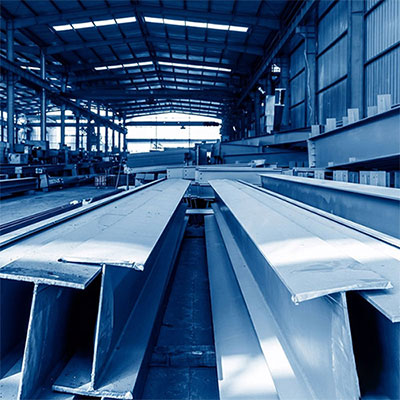
Sheet metal is a versatile industrial material formed into thin, flat pieces through an industrial process. It is the fundamental building block for countless products, ranging from automotive chassis to medical device enclosures. Manufacturers classify these sheets by thickness using "gauges"—the higher the number, the thinner the metal. Precision engineering relies on these standard gauge systems to ensure structural integrity and consistency across production batches.
Modern fabrication transforms flat sheets into complex geometries through a suite of high-precision processes. This includes laser cutting for intricate profiles, CNC punching for high-volume features, and press brake forming to achieve necessary structural bends. Mastering these fundamental shaping processes is key to turning raw stock into a functional component.
The cost structure of any sheet metal part is comprised of four pillars: the raw material itself, the labor required for handling and assembly, the machine time occupied on the factory floor, and the specialized tooling required for custom shapes.
Material selection is the primary driver that influences all other cost factors. A harder material may reduce the price per kilogram but significantly increase machine time and tooling wear, ultimately leading to a higher total cost of ownership.
| Material Type | Raw Cost | Processing Difficulty | Finishing Requirement | Typical Application |
|---|---|---|---|---|
| Carbon Steel | Low | Low | High (Coating) | Structural Frames |
| Stainless Steel | High | Moderate | Low | Food / Medical / Outdoor |
| Aluminum | Moderate | Moderate | Moderate | Aerospace / Electronics |
| Copper / Brass | Very High | High | Low | Electrical / Decorative |
Carbon Steel and Galvanized Steel: The Cost-Effective Workhorses
These materials offer the best price-to-performance ratio for general structural applications. Galvanized steel, in particular, provides a budget-friendly layer of rust protection.
Stainless Steel Alloys: Premium Choice for Corrosion Resistance
When the application demands longevity in harsh environments, stainless steel is the industry standard. While its raw cost is higher, it often eliminates the need for secondary protective coatings.
Aluminum Alloys: The Lightweight and Highly Formable Solution
Aluminum is prized for its low weight and excellent thermal conductivity. It is an ideal choice for electronics and aerospace parts where weight reduction is critical.
Copper and Brass: Specialized Conductors with Premium Pricing
Reserved for niche applications, these materials offer superior electrical conductivity and aesthetic appeal, albeit at a significantly higher price point.
Per-Kilogram vs. Per-Ton Market Price Benchmarks
Material costs fluctuate based on global commodity markets. Understanding how to interpret these benchmarks allows OEMs to time their production runs during favorable market windows.
The Density and Volume Trap: Aluminum vs. Steel
Because aluminum is roughly one-third the density of steel, pricing it by weight can be misleading. OEMs must calculate costs based on the volume required for the final part.
How Global Commodity Market Volatility Impacts OEM Budgets
Supply chain instability can cause sharp price spikes in raw metals. Forward-thinking procurement strategies are essential to hedge against these sudden market shifts.
Material Yield Strength and Press Brake Tonnage Demands
High-strength materials require more powerful machinery. Choosing a material that exceeds the necessary yield strength can lead to unnecessary energy and maintenance costs.
Machinability, Laser Cutting Speeds, and Tooling Wear Rates
Difficult-to-cut alloys slow down production lines and dull laser optics or punching tools faster, directly increasing the "cost per hour" of production.
Welding Difficulty and Skilled Labor Cost Disparities
Materials that require specialized welding techniques—or pre/post-heating cycles—demand highly skilled labor, which commands a premium in the fabrication market.
Natural Corrosion Resistance vs. Mandatory Coating Expenses
While carbon steel is cheap, it often requires expensive powder coating or plating. Stainless steel may cost more upfront but often requires no secondary finish.
Material Compatibility: Anodizing, Powder Coating, and Plating
Not every material accepts every finish. Compatibility trials are necessary to ensure that coatings adhere properly to the substrate.
Pre-treatment and Chemical Wash Cost Variations
Different alloys require different cleaning cycles. Poorly matched pre-treatments lead to peeling and rejects, ballooning the cost of production.
Material Nesting Efficiency and Scrap Rate Optimization
Efficient nesting software can minimize the skeletal scrap left behind after laser cutting. Choosing standard sheet sizes that optimize material yield is a hidden goldmine for savings.
Raw Material Storage, Rust Prevention, and Handling Requirements
Materials that are sensitive to humidity or prone to surface scratching require specialized storage environments and extra care during transit, adding to the logistical budget.
Warranty Risks and Field Failure Costs of Suboptimal Metals
Saving money on low-grade metal can backfire. Field failures and warranty claims due to metal fatigue or unexpected corrosion far outweigh any initial savings on the bill of materials.
Evaluating Design for Manufacturing (DFM) Capabilities
A sophisticated partner does more than bend metal; they provide DFM feedback to identify potential waste and suggest cost-saving alternatives early in the design cycle.
Leveraging Supplier Material Sourcing Power
Established fabricators often leverage bulk purchasing relationships with mills, which translates directly into cost savings and supply chain stability for your OEM project.
Vertically Integrated Solutions
Working with a supplier that offers comprehensive services—from rapid prototyping and laser cutting to precision welding and powder coating—reduces logistical risks and avoids the delays associated with multi-vendor coordination.
At LingyuFab, we specialize in providing high-precision, one-stop sheet metal fabrication solutions. With state-of-the-art facilities featuring advanced laser cutting, CNC bending, and expert welding services, LingyuFab is committed to manufacturing excellence for global OEMs. Our team combines rigorous quality control with DFM expertise to ensure that every project meets exacting technical specifications while optimizing production costs. Speak with our experts today about how we can support your next manufacturing project.
1. Is Stainless Steel Always More Expensive Than Coated Carbon Steel?
Not necessarily. When you account for the labor and chemical costs of coating carbon steel, stainless steel can sometimes be the more economical choice for long-term applications.
2. How Can I Minimize Material Scrap Rates During the Design Phase?
Focus on standardized sheet sizes and consult with your fabricator on nesting strategies early in the design cycle to ensure maximum material utilization.
3. What Is the Most Cost-Effective Sheet Metal for Outdoor Environments?
Galvanized steel is often the go-to for cost-efficiency, but for projects requiring superior aesthetic life and zero maintenance, stainless steel is ultimately the most cost-effective solution over the product's lifespan.