+8613003178786
  sales@lingyufab.com



What Is Sheet Metal Fabrication?
30
Jul’2026What Is Sheet Metal Fabrication?
Sheet metal fabrication is the process of turning flat metal sheets into finished parts, structures, or products through operations such as cutting, punching, bending, welding, and assembly. It is widely used to produce enclosures, brackets, cabinets, frames, panels, covers, machine housings, and a broad range of other industrial components.
For OEM buyers, sheet metal fabrication is far more than a basic manufacturing step. It directly affects dimensional accuracy, product strength, appearance, assembly fit, lead time, and total procurement cost. A capable fabrication supplier helps move a project from drawing to production more efficiently, while reducing communication gaps and downstream rework.
At Lingyufab, we provide custom sheet metal fabrication services for OEM and industrial projects. Based on customer drawings, material requirements, and end-use applications, we handle the production of custom sheet metal parts and assembled metal products.
What Materials Are Commonly Used in Sheet Metal Fabrication?
Sheet metal fabrication can be carried out with a wide range of metals. The right choice depends on strength requirements, corrosion conditions, weight targets, appearance, and budget.
Carbon Steel
Carbon steel is widely used for general industrial parts thanks to its combination of strength and cost efficiency. It is commonly specified for brackets, frames, cabinets, and structural components. Where corrosion resistance is required, carbon steel parts are typically paired with surface treatments such as powder coating, plating, or painting.
Stainless Steel
Stainless steel is the preferred choice when corrosion resistance, hygiene, and long service life are priorities. It is widely used in food equipment, medical products, industrial machinery covers, and electrical enclosures that run in demanding environments.
Aluminum
Aluminum is often selected when lower weight, reliable corrosion resistance, and a clean finished appearance are key priorities. It is common in electronics housings, transportation parts, decorative panels, and products where easier handling or weight reduction is important.
Galvanized Steel
Galvanized steel combines the strength and cost advantages of steel with the improved corrosion resistance of a zinc-coated surface. It is widely used in cabinets, ducts, support structures, appliance parts, and a variety of general industrial applications.
Main Processes in Sheet Metal Fabrication
A sheet metal fabrication project typically involves several linked processes. The exact combination depends on product structure, material type, tolerance requirements, and end-use application.
Cutting
Cutting is typically the first stage. Common methods include laser cutting, shearing, and punching. At this step, the raw sheet is converted into flat blanks or profiles according to the drawing. Accuracy at this stage is critical, because downstream forming and assembly rely on correct dimensions and hole positions.
Punching
Punching is used to create holes, slots, embossed features, and repeated patterns efficiently. It works especially well for parts with multiple openings or standard hole patterns. In volume production, punching improves both consistency and throughput.
Bending and Forming
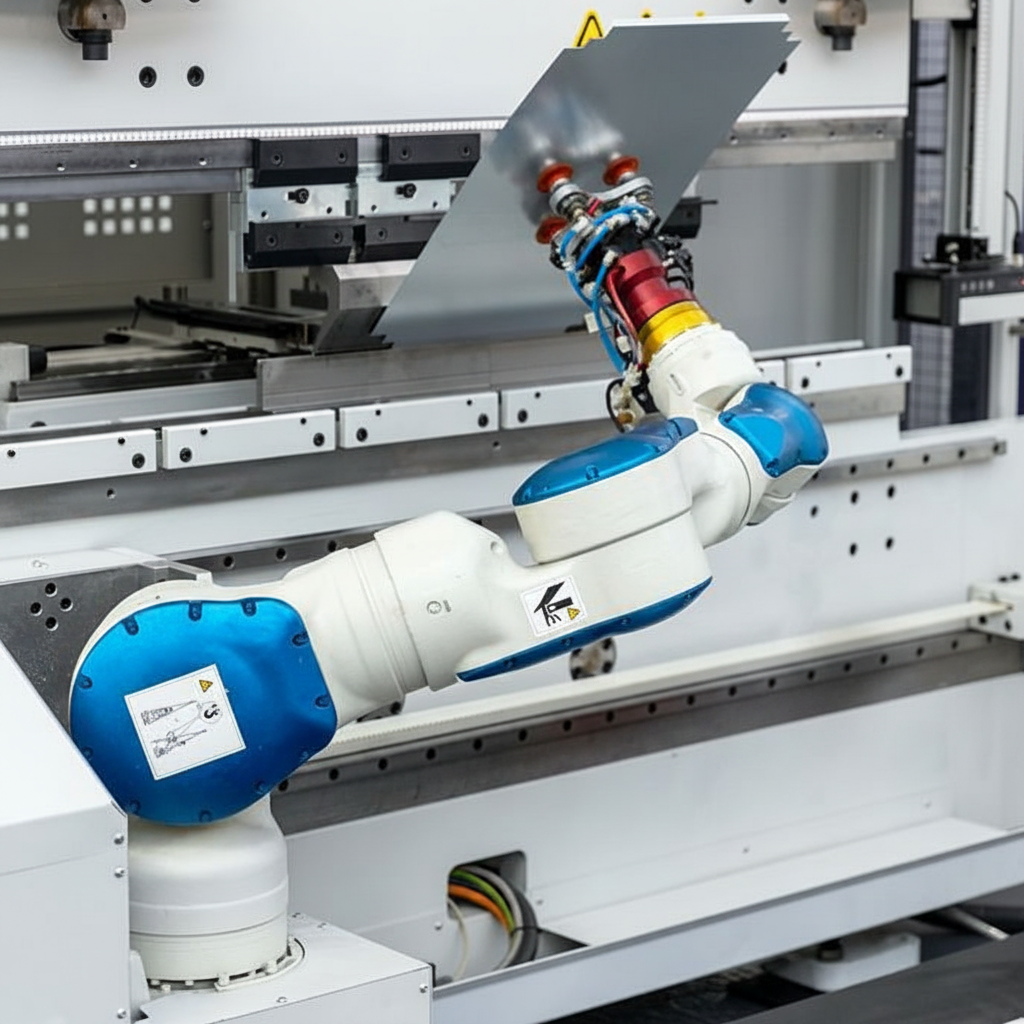
Once cut, parts are bent or formed into their final three-dimensional shapes. CNC bending is widely used to produce flanges, channels, brackets, covers, and cabinet components. Bending accuracy directly influences fit, assembly alignment, and overall product appearance.
Welding
Welding is used when separate fabricated parts need to be joined permanently. Depending on the product, this may involve spot welding, MIG welding, TIG welding, or other suitable techniques. Weld quality affects structural strength, appearance, and downstream finishing results.
Hardware Insertion
Many fabricated parts call for self-clinching nuts, studs, standoffs, inserts, hinges, or other hardware. These features improve assembly efficiency and provide repeatable fastening points. Hardware insertion is standard practice for enclosures, brackets, cabinets, and equipment housings.
Surface Finishing
Surface finishing is often needed to improve corrosion resistance, appearance, or product identification. Common options include powder coating, painting, plating, anodizing, polishing, and silk-screen printing. The right finish depends on both the base material and the service environment.
Assembly
Many OEM projects require more than individual fabricated parts—they need finished or semi-finished assemblies. This may involve fasteners, rivets, welding, electrical components, or other joining techniques. For this reason, sheet metal fabrication is closely tied to sheet metal assembly.
Common Applications of Sheet Metal Fabrication
Sheet metal fabrication is used across many industries because it offers a flexible, scalable way to produce custom parts.
Electrical and Electronic Equipment
Electrical cabinets, control boxes, server racks, telecom housings, and equipment covers are all common sheet metal fabrication products. These parts typically require accurate cutouts, repeatable bending, clean hardware insertion, and high-quality external surfaces.
Industrial Equipment
Machine covers, safety guards, brackets, supports, access panels, and structural frames are widely produced using sheet metal fabrication. Functional fit, dimensional stability, and durability are especially important in these applications.
Home Appliances
Appliance products rely on fabricated sheet metal parts for outer panels, internal supports, mounting brackets, and protective housings. High production efficiency and dimensional consistency are essential for this type of work.
Construction and HVAC
Ductwork, covers, support brackets, utility cabinets, and architectural components are also commonly produced through sheet metal fabrication. Material selection and corrosion protection are major considerations in these applications.
Transportation and Other OEM Products
Fabricated sheet metal parts are also used in automotive, rail, battery, and general transportation applications, as well as in custom OEM products that call for strong, lightweight, or corrosion-resistant metal structures.
What Affects the Price of Sheet Metal Fabrication?
The cost of sheet metal fabrication depends on much more than material thickness or part size alone. Several practical factors shape the final quotation.
Material Type
Different materials carry different market prices and processing characteristics. Stainless steel and aluminum are usually priced differently from carbon steel or galvanized steel, and these differences affect both raw material and processing cost.
Part Complexity
A simple flat part is generally less expensive than a product with multiple bends, tight tolerances, hardware insertion points, or welded features. More complex parts demand more time, tighter process control, and sometimes additional tooling.
Tolerance and Quality Requirements
Tighter tolerances, cosmetic requirements, and functional fit specifications increase manufacturing effort. They can affect inspection time, machine setup, and overall production cost.
Surface Treatment
Powder coating, plating, anodizing, painting, and other finishing methods add cost, but are often essential for corrosion resistance or appearance. The choice of finish should be evaluated alongside the final application.
Order Quantity
Production quantity has a major impact on unit cost. Larger runs generally improve efficiency and reduce per-piece cost, while lower-volume custom orders tend to carry higher unit pricing.
For an accurate quotation, buyers should provide part drawings, material specifications, thickness, finishing requirements, assembly needs, and estimated order quantity.
Factors to Consider When Purchasing Sheet Metal Fabrication
When sourcing sheet metal fabrication, buyers should weigh manufacturability, supplier capability, and total project efficiency, rather than looking only at unit price.
Drawing Quality and Product Design
A good supplier should be able to review the drawing and identify whether the design is practical for cutting, bending, welding, and assembly. Early feedback helps avoid tolerance conflicts, difficult bends, poor fastening access, and unnecessary production cost.
Material and Finish Selection
The selected material and finish should match the service environment, strength requirements, appearance targets, and budget. In many projects, the material decision matters just as much as the fabrication process itself.
Production Capability
It pays to confirm whether the supplier can support the required processes in-house—laser cutting, CNC bending, welding, hardware insertion, finishing, and final assembly. Broader in-house capability typically improves coordination and reduces lead-time risk.
Quality Control
A reliable supplier should be able to control dimensions, bend angles, weld quality, hardware installation, and final surface appearance. Stable, repeatable quality is especially important for OEM projects that feed into further assembly or are shipped directly to end customers.
Communication and Project Support
For custom projects, technical communication is essential. A supplier that can review drawings, understand the end-use application, and respond clearly to questions helps reduce repeated revisions and improves the overall sourcing process.
Why OEM Buyers Value One-Stop Sheet Metal Fabrication Service
Many OEM projects involve more than a single cut-and-bent part. They often also require welding, fasteners, hardware insertion, finishing, assembly, labeling, and packaging. When these steps are split across multiple suppliers, buyers face more communication overhead, more logistics coordination, and higher fit and quality risk.
A one-stop sheet metal fabrication service simplifies this considerably. By combining fabrication and related manufacturing steps under one supplier, buyers improve coordination, reduce sourcing complexity, and move more smoothly from prototype to production.
Sheet Metal Fabrication Supplier in China
Lingyufab is a China-based manufacturer offering custom sheet metal fabrication and assembly services for OEM and industrial customers. We handle common fabrication processes including laser cutting, CNC bending, welding, hardware insertion, and surface finishing across a wide range of custom metal products.
If you are looking for a reliable sheet metal fabrication supplier in China, Lingyufab can support your project with practical manufacturing solutions tailored to your drawings, technical requirements, and application needs.
FAQ
What is sheet metal fabrication?
Sheet metal fabrication is the process of cutting, bending, welding, and assembling metal sheets into finished parts and products.
What materials are commonly used in sheet metal fabrication?
Common materials include carbon steel, stainless steel, aluminum, and galvanized steel. The best choice depends on strength, corrosion resistance, weight, appearance, and budget.
What processes are used in sheet metal fabrication?
Common processes include laser cutting, punching, CNC bending, welding, hardware insertion, surface finishing, and final assembly.
What affects the cost of sheet metal fabrication?
Cost is influenced by material type, part complexity, tolerance requirements, surface finishing, and order quantity.
How do I choose a sheet metal fabrication supplier?
Look for appropriate process capability, solid quality control, strong drawing review ability, clear communication, and experience with OEM custom projects.
Need sheet metal fabrication for your next project? Send Lingyufab your drawings, specifications, or product requirements, and our team will review the design and provide a practical solution for your OEM manufacturing needs.