+8613003178786
  sales@lingyufab.com



6 Key Steps in Sheet Metal Fabrication Process
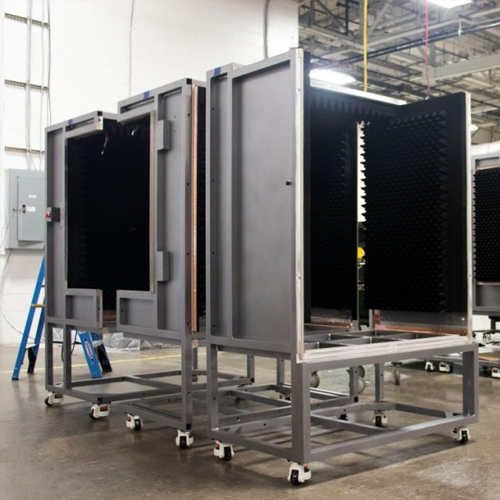
30
Jul’20266 Key Steps in Sheet Metal Fabrication Process
Professional sheet metal fabrication is a systematic production process. From customer requirements to final delivery, it typically involves six core steps:
1. Design Review
Before formal production, engineers review customer design files for manufacturability. Review content typically includes process feasibility, cost optimization suggestions, structural strength checks, and material selection recommendations.
A reasonable design review helps reduce manufacturing costs and rework risks in later stages.
2. Material Cutting
Cut raw material sheets into required shapes based on design requirements. Laser cutting is a common method, suitable for complex shapes.
3. CNC Bending
Form cut sheets into desired shapes using CNC bending machines. Key parameters include bending angle, bending radius, and die selection.
4. Welding and Assembly
Welding is important for products requiring multiple component connections. Common methods include TIG welding for stainless steel, spot welding for thin sheets, and bolt connections for products requiring maintenance.
Lingyufab has its own fastener production line for integrated manufacturing.
5. Surface Treatment
Surface treatment affects product appearance and corrosion resistance. Common treatments include painting, electroplating, and passivation.
6. Quality Inspection and Packaging
The final step is equally important. Inspection items typically include appearance inspection, dimensional inspection, and functional inspection.
Choose appropriate packaging based on product characteristics and shipping method.
What Do Customers Look For?
When selecting a manufacturer, customers typically consider equipment capabilities, quality systems, production capacity, industry experience, and one-stop service ability.
Lingyufab provides one-stop sheet metal fabrication services from design to packaging. Contact us for inquiries.