+8613003178786
  sales@lingyufab.com



What Is Sheet Metal Welding?
30
Jul’2026What Is Sheet Metal Welding?
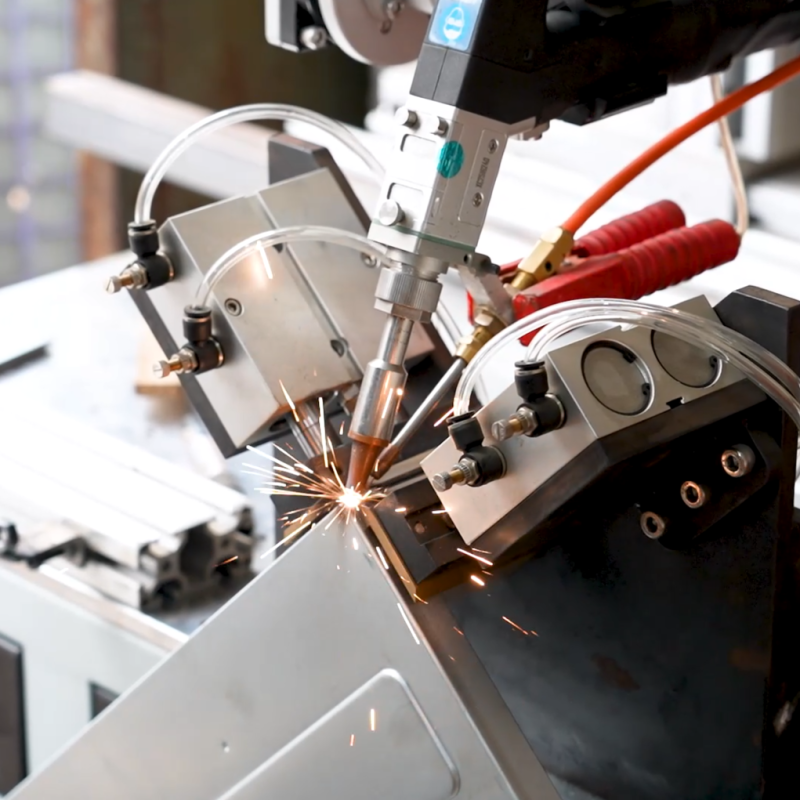
Sheet metal welding is a fabrication process used to join two or more metal parts together by applying heat, pressure, or both. In sheet metal manufacturing, welding is widely used to produce enclosures, cabinets, frames, brackets, covers, guards, machine housings, and a broad range of other custom metal assemblies.
For OEM buyers, welding is far more than a simple joining method. It directly affects structural strength, dimensional stability, appearance, assembly fit, and long-term product reliability. A well-controlled welding process ensures that fabricated parts come together into strong, consistent products that meet drawing and application requirements.
At Lingyufab, we provide sheet metal fabrication and assembly services for OEM and industrial projects, including welding for a wide range of custom metal parts. Based on customer drawings, materials, and end-use requirements, we deliver practical manufacturing solutions for welded sheet metal components and assemblies.
Why Is Sheet Metal Welding Important?
Many sheet metal products cannot be finished by cutting and bending alone. Once flat parts are cut and formed, they typically need to be joined into a stronger structure or functional assembly. Welding is one of the most common methods used to create those permanent connections.
In day-to-day production, welding turns individual panels, brackets, ribs, covers, and frames into complete products. It is especially valuable when the final part needs structural rigidity, permanent joining, clean assembly, or fewer visible fasteners.
Because welding directly affects distortion, strength, and appearance, it should be considered early in the design and sourcing process. Good welding planning reduces rework, improves fit, and supports stable production quality.
Common Sheet Metal Welding Methods
Different welded sheet metal products call for different welding methods. The right choice depends on material type, thickness, structure, strength requirements, appearance targets, and production volume.
Spot Welding
Spot welding is used to join overlapping sheet metal parts at specific points. It is widely used for cabinets, appliance panels, brackets, and many automotive or industrial components. It is efficient for repeated joints and well suited to thin sheet metal parts.
MIG Welding
MIG welding is a flexible method commonly used for carbon steel, stainless steel, and aluminum parts. It works well for frames, brackets, covers, equipment housings, and structural sheet metal assemblies. MIG welding is often the preferred choice when both productivity and joint strength matter.
TIG Welding
TIG welding is the go-to method when clean weld appearance, precision, and tight control are required. It is common for stainless steel parts, aluminum components, visible surfaces, and products with elevated appearance or quality requirements. TIG welding takes more skill and time, but delivers high-quality results when properly executed.
Resistance Welding
Resistance welding uses electrical resistance and pressure to join metal parts. It is commonly used in sheet metal products where consistent, repeated joining is needed. Depending on the product structure, it can be applied to panels, brackets, and other thin sheet metal assemblies.
Welding with Mechanical Assembly
Many sheet metal products combine welding with screws, rivets, clinch fasteners, or inserts. In these designs, welding provides permanent structural joints, while mechanical fasteners support maintenance access, removable covers, or later product assembly.
What Materials Can Be Welded in Sheet Metal Fabrication?
Sheet metal welding can be applied to a wide range of materials, but each behaves differently during the process. Material choice affects weld method, heat control, distortion risk, surface treatment, and final product performance.
Carbon Steel
Carbon steel is widely used in welded sheet metal parts thanks to its strong combination of strength, weldability, and cost efficiency. It is commonly specified for frames, brackets, covers, supports, cabinets, and general industrial structures. Surface finishing—such as painting, powder coating, or plating—is typically required where corrosion resistance matters.
Stainless Steel
Stainless steel is the preferred choice when corrosion resistance, hygiene, and long service life are priorities. Welded stainless steel parts are common in food equipment, medical products, electrical enclosures, and industrial machinery covers. Welding stainless steel calls for careful heat control to limit distortion and protect surface quality.
Aluminum
Aluminum is selected where lower weight and corrosion resistance are priorities. Welded aluminum parts are common in transportation, electronics housings, lightweight structures, and specialty products. Aluminum welding requires careful process control, as the material conducts heat rapidly and behaves quite differently from steel.
Galvanized Steel
Galvanized steel is used in ducts, cabinets, appliance parts, and general industrial products where corrosion protection is needed. Welding galvanized steel requires attention to coating behavior, ventilation, and post-weld corrosion protection, since the zinc layer can be affected by heat.
Common Applications of Sheet Metal Welding
Sheet metal welding is used across many industries, because most fabricated metal products eventually need permanent joints and stable structures.
Electrical and Electronic Equipment
Electrical cabinets, control boxes, telecom housings, server rack components, and mounting structures often use welded sheet metal parts. These products typically require accurate fit, stable structure, and a clean finished appearance.
Industrial Equipment
Machine frames, protective guards, access panels, equipment covers, brackets, supports, and housings are all commonly produced with welding. Structural strength and dimensional consistency are especially important in these applications.
Home Appliances
Appliance products often use welded sheet metal parts for internal supports, panels, frames, and mounting structures. Repeatable weld quality is key to assembly stability and production efficiency.
Automotive and Transportation
Welded sheet metal parts are used in brackets, supports, battery housings, covers, and light structural components. Depending on the application, strength, vibration resistance, and corrosion protection may all be critical factors.
Commercial and Custom OEM Products
Commercial equipment, display structures, metal furniture components, medical device housings, and bespoke industrial products may all require welded sheet metal structures. These projects typically combine welding with bending, finishing, and final assembly.
Why Welding Quality Matters in OEM Sheet Metal Fabrication
Weld quality directly determines whether a sheet metal assembly meets its functional and appearance requirements. Poor welding leads to weak joints, visible defects, distortion, misalignment, or downstream assembly problems.
For OEM projects, weld quality should be managed alongside drawing review, material selection, fixture design, inspection, and finishing. A capable supplier understands not only how to weld a joint, but also how the welded structure will perform in the final product.
Key weld quality factors include joint strength, weld appearance, dimensional control, heat distortion, penetration, surface condition, and consistency from batch to batch.
What Affects the Price of Sheet Metal Welding?
The cost of sheet metal welding depends on several practical factors, not just part size.
Material Type
Different materials carry different welding difficulty, cost, and process requirements. Carbon steel, stainless steel, aluminum, and galvanized steel each call for different welding methods and handling.
Material Thickness
Thicker materials need more heat input and longer welding time. Very thin materials require careful heat control to avoid burn-through and distortion.
Part Structure
A simple welded bracket is very different from a cabinet, frame, enclosure, or multi-part assembly. More complex structures call for more positioning, fixturing, welding time, and inspection effort.
Welding Method
Each welding method carries its own cost profile. Spot welding, MIG welding, TIG welding, and other methods all differ in speed, labor input, appearance quality, and setup requirements.
Appearance and Quality Requirements
Visible welds, cosmetic surfaces, tight tolerances, and special quality requirements all add to processing time. Additional grinding, polishing, or inspection can also add to total cost.
Downstream Processing
Welding is typically followed by grinding, surface finishing, coating, assembly, or packaging. These additional steps should be factored into the total project cost.
For an accurate quotation, buyers should provide drawings, material type, thickness, quantity, welding requirements, finish requirements, and any assembly needs.
Factors to Consider When Purchasing Sheet Metal Welding Service
When sourcing sheet metal welding services, buyers should evaluate both welding capability and the supplier’s grasp of the full fabrication process.
Drawing and Joint Design
Clear drawings help prevent welding mistakes and reduce production delays. Joint positions, material thickness, weld specifications, tolerances, and appearance expectations should all be clearly defined.
Material and Welding Method
The welding method should match the material, thickness, joint type, and product function. A capable supplier can confirm whether the selected method is practical for production.
Distortion Control
Welding heat can cause distortion, particularly in thin sheet metal parts. Solid fixture design, welding sequence planning, and process control are essential for keeping parts dimensionally accurate.
Inspection and Quality Control
Buyers should confirm how the supplier checks weld quality, dimensions, appearance, and fit. Stable, repeatable quality control is especially important for OEM projects that depend on consistent assembly performance.
Downstream Fabrication Support
Many welded parts also need laser cutting, bending, hardware insertion, finishing, or final assembly. A supplier that can coordinate all of these processes reduces communication problems and sourcing complexity.
Why OEM Buyers Value One-Stop Sheet Metal Welding Service
In many projects, buyers need more than welded parts alone. They often also need cutting, bending, hardware insertion, surface finishing, assembly, labeling, and packaging.
When welding is sourced separately from the rest of the fabrication chain, buyers may face:
· repeated technical communication
· more supplier coordination
· fit issues between parts
· higher logistics complexity
· longer project lead time
A one-stop sheet metal welding and fabrication supplier simplifies this process considerably. By coordinating welding with cutting, bending, finishing, and assembly, buyers improve communication efficiency, reduce interface problems, and make sourcing far more manageable.
Sheet Metal Welding Supplier in China
Lingyufab is a China-based manufacturer offering sheet metal fabrication and assembly services for OEM and industrial customers. We handle sheet metal welding for a wide range of custom metal parts and also provide related processes including laser cutting, CNC bending, hardware insertion, surface finishing, and final assembly.
For projects that go beyond simple welded parts, working with a supplier that understands the full fabrication route improves efficiency and reduces sourcing complexity. This is especially valuable for products such as enclosures, cabinets, brackets, frames, covers, guards, and other custom sheet metal assemblies.
If you are looking for a reliable sheet metal welding supplier in China, Lingyufab can support your project with practical manufacturing solutions tailored to your drawings, technical requirements, and application needs.
FAQ
What is sheet metal welding?
Sheet metal welding is a fabrication process that joins metal sheets or formed sheet metal parts into finished components or assemblies using heat, pressure, or both.
What welding methods are used for sheet metal?
Common methods include spot welding, MIG welding, TIG welding, resistance welding, and welding combined with mechanical fastening, depending on the product design.
What materials can be welded in sheet metal fabrication?
Common materials include carbon steel, stainless steel, aluminum, and galvanized steel. The best choice depends on strength, corrosion resistance, weight, appearance, and budget.
What affects the cost of sheet metal welding?
Cost is influenced by material type, thickness, part structure, welding method, quality requirements, surface finishing, and assembly needs.
How do I choose a sheet metal welding supplier?
Look for a supplier with capable welding equipment, strong drawing review ability, hands-on distortion control experience, solid quality inspection, and good coordination with other sheet metal fabrication processes.
Need sheet metal welding for your next project? Send Lingyufab your drawings, material requirements, or product specifications, and our team will review the design and provide a practical solution for your OEM manufacturing needs.