+8613003178786
  sales@lingyufab.com



What Is Powder Coating for Sheet Metal Parts?
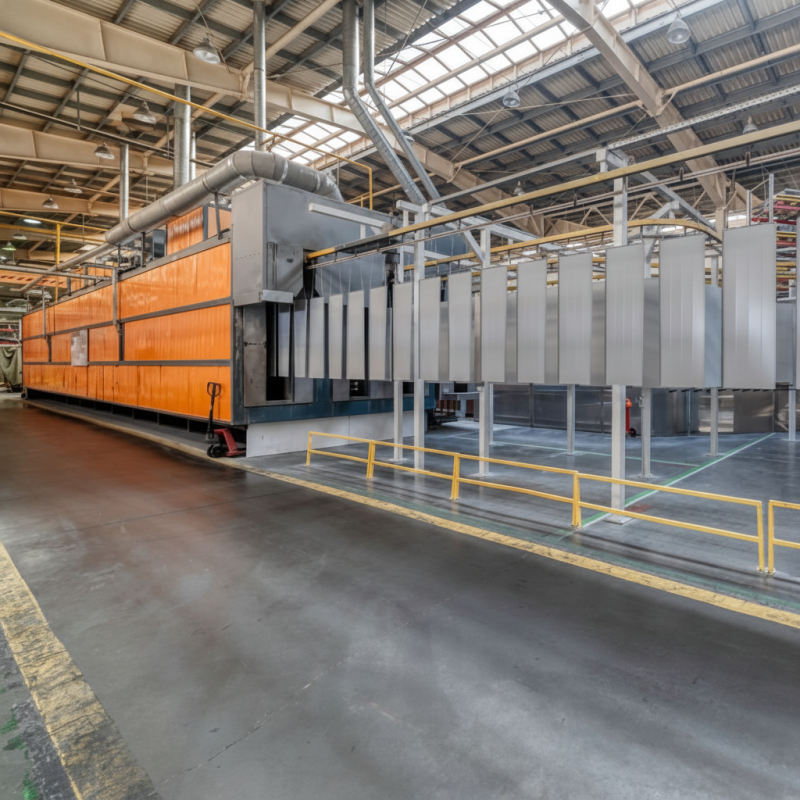
30
Jul’2026What Is Powder Coating for Sheet Metal Parts?
Powder coating is a surface finishing process that applies a dry powder onto metal parts and cures it into a solid protective layer. In sheet metal fabrication, it is commonly used on enclosures, cabinets, brackets, covers, panels, frames, machine guards, and a wide range of other custom metal parts.
For OEM buyers, powder coating is about much more than just making a part look better. The coating directly affects corrosion resistance, surface durability, color consistency, assembly fit, packaging protection, and how the finished product is perceived by the end customer. Even a well-made sheet metal part can run into problems if the surface finish is not planned properly.
At Lingyufab, we support powder coating as part of our sheet metal fabrication and finishing projects. Based on customer drawings, material requirements, color standards, and application needs, we coordinate fabrication, finishing, and final assembly so that coated sheet metal parts are practical for real-world use.
Why Powder Coating Matters After Sheet Metal Fabrication
Most sheet metal parts pass through laser cutting, bending, welding, grinding, and hardware insertion before reaching the finishing stage. By that stage, the part already has edges, weld seams, threaded inserts, holes, slots, and assembly surfaces that need to remain functional after coating.
That is why powder coating should not be treated as a stand-alone decorative step at the end of production. Coating thickness, surface preparation, masking, hanging method, and packaging all affect the final part. For example, if a cover has to slide into a tight enclosure, or a bracket has small threaded holes, the coating requirements should be defined during design and quotation—not after production has already started.
In real OEM projects, buyers typically care about three things at once: the part needs to look acceptable, hold up in its working environment, and still fit properly during assembly. Clear communication before coating helps avoid rework, scratches, blocked holes, and color disputes.
How the Powder Coating Process Usually Works
The exact process depends on the material, surface condition, coating specification, and product size. In most sheet metal projects, the basic flow includes the following steps:
Surface cleaning and pretreatment to remove oil, dust, rust, and other contaminants
Masking of threaded holes, contact surfaces, or any areas that should not be coated, when required
Electrostatic spraying of powder onto the metal surface
Curing in an oven so the powder melts, flows, and forms a continuous coating film
Visual inspection and basic checks for color, coverage, surface defects, and coating damage
Packing with suitable protection to prevent scratches during storage and shipment
The pretreatment step is particularly important. If the surface is not properly cleaned, the coating may look acceptable at first but fail later through poor adhesion, bubbling, peeling, or corrosion along edges and weld areas.
Practical Details OEM Buyers Should Notice
Powder coating looks straightforward on the surface, but many small details can determine whether the final part performs well in assembly. These are the issues that often matter most in real sheet metal projects.
Coating thickness and assembly fit
Powder coating adds thickness to the part surface. On open panels this is usually not a problem, but on tight-fitting covers, slots, hinge areas, or mating surfaces, coating thickness can affect assembly. If the design has very small clearances, the drawing should call this out clearly before production starts.
Holes, threads, and hardware areas
Threaded holes, clinch nuts, studs, grounding points, and contact surfaces may need masking or post-processing. Without it, powder can reduce thread usability, interfere with electrical contact, or make fastener installation more difficult.
Edges, corners, and weld seams
Sharp laser-cut edges, burrs, weld seams, and grinding marks can all affect coating appearance and coverage. For visible parts, deburring and surface preparation should be discussed before coating begins. If weld marks will still be visible after coating, the buyer and supplier should agree on an acceptable finish level early on.
Color, gloss, and batch consistency
Customers should provide a clear color reference—such as a RAL color number or an approved sample—when appearance matters. Gloss level and texture should also be confirmed. Even with the same color name, different powder batches or suppliers can produce slight visual differences, so approval samples are useful for appearance-sensitive products.
Packaging after coating
Powder coated parts can be scratched during handling or transport if packaging is not properly planned. Large panels, cabinet doors, covers, and visible outer parts typically need suitable separation, wrapping, or carton protection. For export projects, packaging is part of the surface finish quality—not an afterthought.
What Materials Can Be Powder Coated?
Powder coating works with several common sheet metal materials. The right choice depends on product function, corrosion requirements, weight targets, appearance, and budget.
Carbon steel
Carbon steel is one of the most common materials for powder coated sheet metal parts. Because bare carbon steel rusts easily, powder coating is often applied to improve appearance and provide a protective surface for cabinets, brackets, frames, covers, and industrial components.
Galvanized steel
Galvanized steel already has a zinc coating, but powder coating may still be applied for appearance, additional protection, or color matching. Surface preparation is critical here, because the coating must bond properly to the galvanized surface.
Aluminum
Aluminum parts are often powder coated when buyers want a clean appearance, color options, and better surface durability. Aluminum is widely used in electronic housings, panels, decorative parts, and lightweight structures.
Stainless steel
Stainless steel is often left uncoated since it already resists corrosion, but powder coating may still be requested for color, appearance, or product branding. The finish requirement should be confirmed carefully, since stainless steel is not always coated by default.
Common Applications of Powder Coated Sheet Metal Parts
Powder coating is widely used when sheet metal parts need both protection and a finished appearance. Common applications include:
Electrical enclosures, control boxes, and telecom cabinets
Industrial machine covers, guards, and equipment housings
Brackets, frames, panels, and support structures
Server racks, cabinets, and sheet metal chassis
Home appliance panels and internal metal parts
Display structures, commercial equipment, and custom OEM products
For many of these products, the coating is visible to the end user. That makes surface quality, color, and scratch protection just as important as basic corrosion resistance.
What Affects the Price of Powder Coating?
The cost of powder coating depends on more than just part size. Several practical factors shape the final quotation.
Part size and shape
Large panels, deep boxes, complex frames, and parts with difficult corners take longer to hang, spray, cure, inspect, and pack. Complex geometry also makes consistent coverage harder to achieve.
Material and surface condition
Parts with oil, rust, heavy weld marks, sharp burrs, or uneven grinding require more preparation before coating. Better fabrication control upstream usually reduces coating problems later.
Color and surface requirement
Standard colors are easier to arrange than special colors, textures, or gloss requirements. Appearance-sensitive parts may also call for samples, closer inspection, and more careful packaging.
Masking requirements
When threads, grounding points, holes, or contact surfaces must remain uncoated, masking adds labor and process control. These requirements should be communicated clearly in the drawing or RFQ.
Order quantity
Batch size affects setup time and production efficiency. Small custom batches typically carry higher per-piece costs, while larger quantities improve coating and handling efficiency.
Additional fabrication and assembly
Powder coating is often just one step in a broader sheet metal project. If the parts also require cutting, bending, welding, hardware insertion, assembly, labeling, or export packaging, the total project cost should be evaluated as a complete package.
Information to Include in a Powder Coating RFQ
To get a practical quotation and avoid misunderstandings, buyers should provide clear information at the start of the project. Useful details include:
Drawings or 3D files showing part size, holes, bends, and assembly areas
Material type and thickness
Color reference, such as a RAL number or approved sample
Gloss level, texture, or cosmetic surface requirements where applicable
Areas that need masking, grounding points, or post-coating protection
Expected quantity and delivery schedule
Packaging requirements, particularly for visible or export parts
This information lets the supplier review not only the coating itself, but also whether the fabricated part is suitable for coating and downstream assembly.
Why One-Stop Fabrication and Powder Coating Support Matters
In many OEM projects, buyers need more than just a coated surface. They need a complete sheet metal part that has been cut, bent, welded, cleaned, coated, inspected, packed, and delivered in ready-to-use condition.
When fabrication and finishing are handled by separate suppliers, problems can fall through the cracks. A bend line may sit too close to a coated surface, threaded holes may get coated by mistake, or visible panels may be scratched during transfer. These issues are rarely major technical failures, but they delay assembly and create unnecessary back-and-forth.
A supplier that understands the full fabrication route can address these details earlier in the process. For OEM buyers, this typically means fewer interface problems, clearer responsibility, and a smoother path from drawing to finished part.
Powder Coated Sheet Metal Parts Supplier in China
Lingyufab supports powder coated sheet metal parts as part of our custom sheet metal fabrication and assembly projects. We work from customer drawings and project requirements to coordinate processes including laser cutting, CNC bending, welding, hardware insertion, surface finishing, and final assembly.
For products such as enclosures, cabinets, covers, brackets, panels, frames, and industrial housings, powder coating should be considered alongside the complete part design. Our team can review practical details such as material choice, coating areas, assembly surfaces, and packaging needs before production starts.
If you are looking for a sheet metal fabrication supplier in China that can support powder coated parts for OEM projects, Lingyufab can review your drawings and provide a practical manufacturing solution tailored to your application requirements.
FAQ
What is powder coating for sheet metal parts?
Powder coating is a surface finishing process that applies dry powder to metal parts and cures it into a protective coating layer. It is widely used to improve appearance, durability, and corrosion resistance.
Is powder coating suitable for outdoor sheet metal parts?
Yes, for many outdoor applications, but the result depends on material, pretreatment, powder type, coating quality, and service environment. Outdoor use should be clearly stated during the RFQ stage.
Does powder coating affect part dimensions?
Yes. Powder coating adds thickness to the surface. For tight-fitting parts, holes, slots, threads, and mating surfaces, coating thickness and masking requirements should be factored in during design.
What materials can be powder coated?
Common materials include carbon steel, galvanized steel, aluminum, and in some cases stainless steel. Surface condition and pretreatment method directly affect coating adhesion and final quality.
How should I specify powder coating for an OEM project?
Provide drawings, material details, color reference, surface requirements, masking areas, quantity, and packaging needs. For appearance-sensitive parts, an approved sample or clear visual standard makes a real difference.
Need powder coated sheet metal parts for your next project? Send Lingyufab your drawings, color requirements, material specifications, or product details, and our team will review the design and provide a practical solution for your OEM manufacturing needs.