+8613003178786
  sales@lingyufab.com



How to Choose Self-Tapping Screws for Sheet Metal Assemblies
30
Jul’2026How to Choose Self-Tapping Screws for Sheet Metal Assemblies
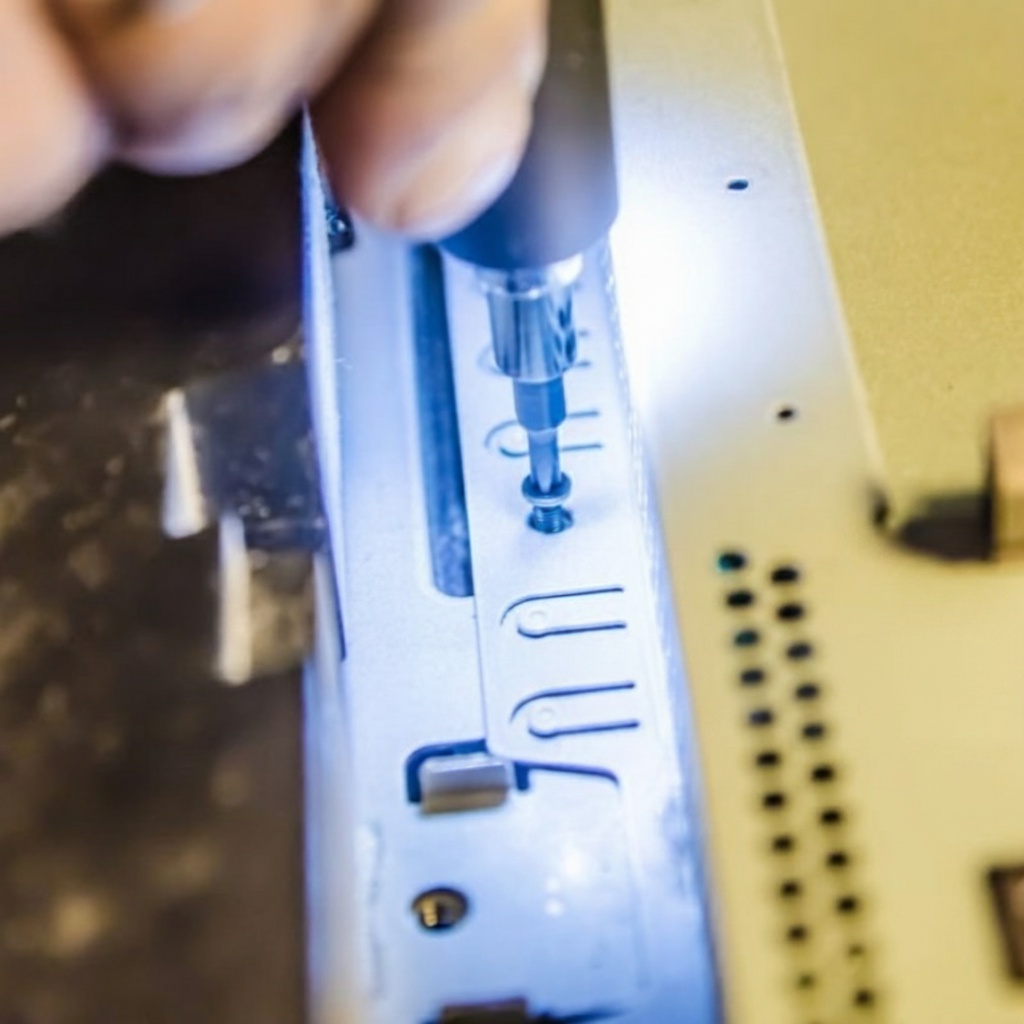
Self-tapping screws are widely used in sheet metal assemblies because they can form or engage threads during installation without the need for a separate nut. In products such as electrical enclosures, appliance panels, brackets, covers, cabinets, and equipment housings, they simplify assembly and cut down on the number of loose components.
For OEM buyers, choosing a self-tapping screw comes down to much more than thread size or price. The screw has to match the sheet metal thickness, pilot hole, material hardness, driving torque, coating requirement, and final assembly condition. A screw that looks right on paper can still cause trouble if it strips the hole, cracks the sheet, loosens under vibration, or damages the surface finish during installation.
Lingyufab supports OEM projects that involve both fasteners and sheet metal parts. In real assembly work, we review screw selection alongside panel thickness, hole size, surface treatment, installation direction, and final product use—rather than treating the screw as an isolated hardware item.
What Are Self-Tapping Screws?
Self-tapping screws are threaded fasteners designed to form their own mating thread in the material during installation. They are commonly used in thin metal sheets, plastic parts, aluminum components, and light industrial assemblies.
In sheet metal applications, self-tapping screws are often the answer when the material is too thin for deep tapped threads, or when assembly speed matters more than using a separate nut and bolt. They are especially common in appliance manufacturing, control boxes, sheet metal covers, brackets, and general industrial products.
A properly selected self-tapping screw should install smoothly, hold firmly, and maintain enough thread engagement for the intended load and service condition.
Why Self-Tapping Screws Are Used in Sheet Metal Assemblies
Sheet metal parts often need repeated fastening points for covers, panels, mounting brackets, internal components, or service access. A self-tapping screw can make assembly faster and simpler, especially when only one side of the product is accessible.
Compared with loose nuts, self-tapping screws reduce part count and assembly handling. Compared with welded nuts or clinch nuts, they can be more cost-effective for certain light-duty or medium-duty applications. For many OEM products, they strike a practical balance between cost, speed, and holding performance.
That said, they still demand careful selection. If the screw, hole, and sheet thickness are not properly matched, common problems include stripped holes, weak pull-out strength, loose joints, high driving torque, or inconsistent assembly quality.
Key Factors When Choosing Self-Tapping Screws
Sheet metal thickness
Sheet thickness is one of the first things to check. Thin sheet metal offers limited thread engagement, so the screw design has to suit the available material thickness.
If the sheet is too thin for the selected screw, the thread may not hold well. If the sheet is too thick or too hard, installation torque can climb too high, leading to screw damage, head stripping, or assembly difficulty.
For OEM projects, buyers should not select screws by diameter alone. Sheet thickness, thread form, and required holding force all need to be reviewed together.
Pilot hole size
The pilot hole is critical to self-tapping screw performance. A hole that is too small can demand excessive torque and may deform the sheet or damage the screw. A hole that is too large reduces thread engagement and can let the screw loosen or strip under load.
Pilot hole size should be confirmed based on material type, sheet thickness, screw diameter, and thread design. In production, hole consistency matters just as much as the nominal hole size. Burrs, oval holes, or inconsistent punching direction can all affect installation quality.
Screw thread design
Different self-tapping screws use different thread forms. Some are designed mainly for thin sheet metal; others work better in plastic, aluminum, or softer materials. Thread pitch, thread height, point shape, and hardness all influence how the screw forms or cuts into the material.
For sheet metal assemblies, the screw should deliver enough engagement without generating excessive installation torque. In vibration-sensitive applications, thread design and joint design deserve closer review.
Material and hardness
Self-tapping screws are commonly made from carbon steel, stainless steel, or other alloy materials. The screw must be harder than the material it is tapping into, particularly when forming threads in steel sheet.
Carbon steel screws are widely used for general industrial and appliance applications. Stainless steel screws may be chosen when corrosion resistance is more important, though material compatibility and thread-forming performance still need to be checked.
For some demanding applications, screw material, heat treatment, and hardness control matter just as much as the external dimensions.
Head style and drive type
The screw head and drive type affect both assembly efficiency and appearance. Common head styles include pan head, flat head, hex flange head, and washer head designs. Common drive types include Phillips, hex socket, Torx, slotted, and combined drive styles.
For high-volume assembly, drive stability is key. If the drive recess is too shallow or the torque requirement is too high, the bit can slip and damage the head. For visible parts, head appearance and surface finish also come into play.
In appliance or enclosure assembly, hex flange or washer head screws can spread load over a wider surface and reduce the need for a separate washer.
Surface coating and corrosion resistance
Surface treatment should match the product’s service environment. Zinc plating is common for general indoor applications. Zinc-nickel, zinc-aluminum flake coatings, or other protective finishes may be worth considering when higher corrosion resistance is required.
For outdoor, humid, or appliance-related applications, coating selection should be discussed early. The coating should provide corrosion protection without affecting thread function or driving performance.
Buyers should also confirm whether the screw needs to match other surface-finished parts, such as powder coated panels, galvanized sheet metal, or stainless steel components.
Installation torque
Installation torque is one of the most practical issues in self-tapping screw assembly. Too little torque and the joint may not be secure; too much and the screw can strip the hole, damage the thread, deform the sheet, or break during installation.
On automated or semi-automated assembly lines, torque control becomes especially important. Buyers should consider screw design, pilot hole size, material thickness, and tool settings together.
A small change in hole size or sheet thickness can shift the torque window, which is why sample testing is often worthwhile before mass production.
Practical Details OEM Buyers Should Notice
Self-tapping screws are simple parts, but many assembly problems trace back to small details around the screw.
Avoid placing screws too close to bends or edges
If a screw hole sits too close to a bend, edge, slot, or formed feature, the sheet can deform during bending or installation. The screw may also become hard to reach with a tool once the part is formed.
When a screw is used near a bend line, the design should be reviewed together with the bending sequence and final assembly direction.
Check whether the screw is for permanent or serviceable assembly
Some screws are installed once and never removed. Others are used on covers, access panels, or service parts that may be opened repeatedly. A screw used for repeated service should hold its thread engagement well and should not easily damage the sheet after several cycles.
If repeated disassembly is expected, a clinch nut, insert, or other fixed threaded solution can sometimes be more reliable than a self-tapping screw.
Consider surface finish before assembly
When self-tapping screws are used with powder coated or plated sheet metal parts, coating thickness can affect hole size and installation torque. Paint or powder buildup around holes can make screws harder to start or lead to poor seating.
For visible panels, screw installation can also scratch the surface if the head style, washer design, or tool control is not appropriate.
Watch for thread stripping in thin sheet metal
Thread stripping is one of the most common problems in sheet metal screw assembly. It tends to happen when the pilot hole is too large, the sheet is too thin, the torque is too high, or the screw is removed and reinstalled too many times.
In OEM projects, a screw joint should be checked not only for whether it can be installed, but also for whether it can hold under the expected load and assembly process.
Match screw choice with production method
A screw that works for hand assembly may not perform well on an automated line. Automated assembly usually calls for more consistent head geometry, stable drive engagement, controlled torque, and reliable feeding.
If the product will be assembled on a production line, the screw should be reviewed together with the assembly tool and process requirements.
Common Applications of Self-Tapping Screws
Self-tapping screws are used across many sheet metal and industrial products.
Home appliances
Refrigerators, washing machines, air conditioners, kitchen appliances, and other appliance products often use self-tapping screws for panels, brackets, internal supports, and covers. Installation speed and consistency are important in this field.
Electrical enclosures and cabinets
Control boxes, electrical cabinets, distribution boxes, and telecom housings use self-tapping screws for covers, mounting plates, hinges, brackets, and internal components.
Industrial equipment
Machine covers, guards, equipment housings, support brackets, and access panels often rely on self-tapping screws where practical assembly and service access are needed.
Automotive and transportation parts
Self-tapping screws may be used in light brackets, trim parts, covers, and interior or auxiliary assemblies where the joint design allows.
Custom OEM sheet metal products
For custom enclosures, panels, chassis, and fabricated metal parts, self-tapping screws are often the choice when buyers need a simple, efficient fastening method.
What Affects the Price of Self-Tapping Screws?
The price of self-tapping screws depends on several factors.
Material
Carbon steel, stainless steel, and alloy materials all sit at different cost levels and offer different performance characteristics. Heat treatment and hardness requirements can affect pricing too.
Size and thread design
Larger screws use more material. Special thread forms, non-standard dimensions, or custom point designs can increase production difficulty and cost.
Head style and drive type
Standard pan head or countersunk head screws are usually easier to source. Special flange heads, combined drives, or custom head designs may involve higher tooling or production cost.
Surface treatment
Zinc plating, nickel plating, black oxide, zinc-aluminum flake coating, or other finishes all affect price. Higher corrosion resistance generally costs more.
Quantity and packaging
Large-volume orders are usually more cost-efficient. Custom packaging, labeling, sorting, or assembly-line supply requirements can also affect the final quotation.
Inspection requirements
If the buyer requires dimensional inspection, torque testing, salt spray testing, hardness testing, or special documentation, the total project cost may rise.
For an accurate quotation, buyers should provide drawings or specifications, material requirements, coating requirements, size, quantity, and application details.
Factors to Consider When Purchasing Self-Tapping Screws
When sourcing self-tapping screws for sheet metal assemblies, buyers should look beyond unit price.
Application requirement
The supplier should understand where the screw will be used, what material it will fasten into, and whether the joint needs to handle vibration, repeated service, or visible appearance requirements.
Drawing and specification clarity
A complete specification should include screw size, thread type, material, coating, head style, drive type, and any testing or packaging requirements.
Compatibility with sheet metal parts
The screw should be reviewed together with the sheet metal thickness, pilot hole, surface finish, and assembly direction. This is especially important when the same supplier handles both sheet metal fabrication and fastener supply.
Quality consistency
For production assembly, consistency matters more than a single good sample. Thread quality, head dimensions, hardness, coating, and drive recess quality should stay stable from batch to batch.
Supplier support
A capable supplier should be able to review the application, recommend suitable options, and help flag potential assembly problems before mass production.
Why Fastener Selection Should Be Considered Together with Sheet Metal Design
In many OEM projects, screws and sheet metal parts are purchased or designed separately, which can lead to avoidable problems. The sheet metal drawing may carry a hole that is too large, the screw may not match the material thickness, or the coating may affect installation torque.
A better approach is to review the screw, hole, material, coating, and assembly process together. This helps reduce stripped holes, poor fit, surface damage, and production delays.
For buyers, the goal is not simply to buy a screw. The goal is to create a stable, repeatable joint that works in the actual product.
Self-Tapping Screw Supplier for Sheet Metal Assemblies
Lingyufab supports OEM sheet metal and fastener projects where screws, fabricated parts, and assembly requirements all need to match. We can review customer drawings, material requirements, coating needs, and application conditions to support suitable fastener selection for sheet metal assemblies.
For products such as enclosures, cabinets, brackets, appliance panels, covers, and industrial housings, self-tapping screws should be considered as part of the complete assembly design. Sheet thickness, pilot hole size, screw material, coating, torque, and final use environment all influence whether the joint performs well.
If you are looking for self-tapping screws or sheet metal assembly support for an OEM project, Lingyufab can review your specifications and provide a practical manufacturing solution based on your application requirements.
FAQ
What are self-tapping screws used for?
Self-tapping screws fasten parts by forming or engaging threads in the material during installation. They are commonly used in sheet metal assemblies, appliances, enclosures, brackets, and industrial products.
Can self-tapping screws be used in thin sheet metal?
Yes, but the screw type, sheet thickness, pilot hole size, and installation torque all have to be matched carefully. If the sheet is too thin or the hole is too large, the screw can strip or loosen.
What is the difference between self-tapping screws and machine screws?
Self-tapping screws form or engage threads in the workpiece during installation. Machine screws usually require a pre-tapped hole or a nut.
What affects the holding strength of a self-tapping screw?
Holding strength depends on sheet thickness, pilot hole size, screw thread design, material hardness, installation torque, and the condition of the hole and surrounding material.
How should I specify self-tapping screws for an OEM project?
Provide screw size, material, coating, head style, drive type, sheet thickness, pilot hole size, quantity, and application requirements. Where possible, include drawings or samples for review.
Need self-tapping screws for sheet metal assemblies? Send Lingyufab your drawings, screw specifications, material requirements, or product details, and our team will review the application and provide a practical solution for your OEM manufacturing needs.