+8613003178786
  sales@lingyufab.com



What Is the Difference Between Self-Tapping and Self-Drilling Screws?
30
Jul’2026What Is the Difference Between Self-Tapping and Self-Drilling Screws?
Self-tapping and self-drilling screws are both widely used in metal assemblies, sheet metal parts, electrical enclosures, appliance panels, brackets, covers, and light structural products. Because the names sound so similar, buyers often mix the two up. In actual production, though, they are not the same.
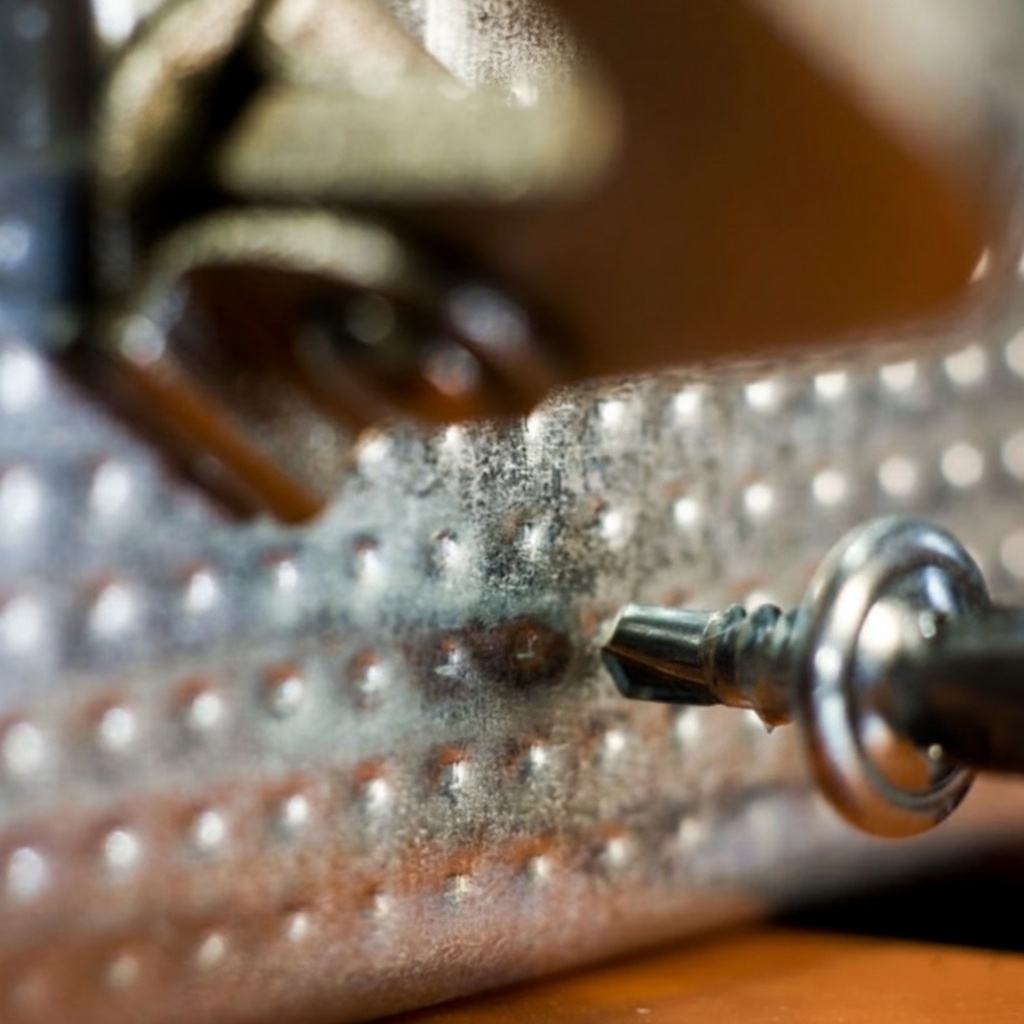
A self-tapping screw is designed to form or cut its own thread in a prepared hole. A self-drilling screw has a drill-point tip that can drill through the material before the thread engages. Put simply, a self-tapping screw usually needs a pilot hole, while a self-drilling screw can often drill and fasten in one operation.
For OEM buyers, the difference matters. The wrong screw can lead to stripped holes, unstable joints, poor installation torque, metal chips in the assembly, surface damage, or inconsistent production quality. The right choice depends on the material, sheet thickness, hole accuracy, assembly method, corrosion requirements, and final product use.
Lingyufab supports OEM projects that involve both sheet metal parts and fastener selection. In real assembly work, we review screw choice alongside panel thickness, pilot holes, coatings, installation direction, torque requirements, and downstream assembly needs.
What Are Self-Tapping Screws?
Self-tapping screws are threaded fasteners designed to create or engage threads in the material during installation. In sheet metal applications, they are typically installed into a pre-punched, drilled, or laser-cut pilot hole.
They are commonly used in:
• appliance panels
• electrical enclosures
• sheet metal brackets
• control boxes
• equipment covers
• machine guards
• light industrial assemblies
The key point is that the hole already exists before the screw goes in. The screw then forms or cuts the mating thread as it is driven into the sheet metal or other material.
For sheet metal assemblies, self-tapping screws are a good fit when the buyer wants a simple fastening method without loose nuts, welded nuts, or clinch nuts. That said, the pilot hole size, sheet thickness, screw hardness, and installation torque all have to be matched carefully. A hole that is too large reduces holding strength; a hole that is too small can create excessive torque or deform the sheet.
What Are Self-Drilling Screws?
Self-drilling screws are fasteners with a drill-shaped point at the tip. This drill point cuts its own hole before the thread engages the material. They are commonly used where a separate drilling step is not preferred.
Self-drilling screws are often used in:
• metal roofing
• HVAC ducts
• steel framing
• light structural steel
• metal cladding
• field installation
• certain sheet metal and bracket assemblies
Their main advantage is installation speed. In many applications, the operator does not need to drill a pilot hole first—the screw drills, taps, and fastens in one operation.
Even so, self-drilling screws are not automatically the better choice for every sheet metal project. The drill point has to match the material thickness. If the drill point is too short, it may not finish drilling before the threads engage. And in thin or delicate parts, a self-drilling screw can produce burrs, chips, or surface damage. For precision OEM assemblies, these details matter.
Are Self-Drilling Screws Also Self-Tapping?
In many cases, yes. A self-drilling screw can be considered a type of self-tapping screw because it also forms or cuts threads during installation. The difference is that a self-drilling screw includes a drill point, while a standard self-tapping screw relies on a prepared pilot hole.
This is exactly why the terms get confusing. In purchasing discussions, it is best not to rely on the name alone. Buyers should confirm the actual screw point type, thread design, material, coating, and intended application.
Main Differences Between Self-Tapping and Self-Drilling Screws
Pilot hole requirement
Self-tapping screws usually require a prepared pilot hole, which may be punched, drilled, or laser cut before installation.
Self-drilling screws can often create their own hole during installation, cutting out preparation steps—especially useful in field assembly or construction-type applications.
Tip design
Self-tapping screws may have sharp points, blunt points, thread-forming points, or thread-cutting features depending on the application.
Self-drilling screws have a drill-point tip designed to cut through the material before the screw thread engages.
Installation speed
Self-drilling screws can be faster where pre-drilling is not practical. They are useful when the main goal is to eliminate separate drilling operations.
Self-tapping screws tend to be more controlled in OEM production, because the hole position and size are prepared in advance.
Hole accuracy
Self-tapping screws depend on accurate pilot holes. That can be an advantage in precision sheet metal assemblies, since the hole location is already controlled by laser cutting, punching, or drilling.
Self-drilling screws create the hole during installation, so operator control, tool alignment, and material condition all influence the final hole quality.
Metal chips and burrs
Self-drilling screws generate chips during drilling. In some products this is acceptable; in others—especially electrical enclosures or assemblies with sensitive components—metal chips can become a real problem.
Self-tapping screws installed into prepared holes usually create less drilling debris, though burrs from the original hole preparation still need to be controlled.
Torque control
Both screw types require proper installation torque. Self-drilling screws need enough torque and speed to drill through the material and then form the thread. Self-tapping screws need torque matched to the pilot hole, sheet thickness, and thread design.
In automated or semi-automated assembly, torque stability is generally easier to manage when the pilot hole and sheet thickness are consistent.
Application environment
Self-drilling screws are often preferred for field installation, roofing, HVAC, cladding, and metal-to-metal fastening where speed is the priority.
Self-tapping screws are often preferred in controlled OEM sheet metal assemblies where hole accuracy, appearance, and repeatable production quality matter.
Which Screw Is Better for Sheet Metal Assemblies?
There is no universal answer. The better choice depends on the part design and the assembly process.
For precision OEM sheet metal parts, self-tapping screws are often preferred when the holes are already prepared by laser cutting, punching, or drilling. This gives better control over hole position and makes the assembly more repeatable.
For field installation or simple metal fastening where pre-drilling would slow the work down, self-drilling screws can be more efficient. They cut out steps and speed up installation, especially on larger panels or structural sheet applications.
The key is to match the screw to the actual product, not just the material name. A thin appliance panel, an electrical enclosure cover, a galvanized duct, and a light steel bracket may each call for a different screw.
Practical Details OEM Buyers Should Notice
Check material thickness before choosing the point type
For self-drilling screws, the drill point length must suit the material thickness. If the drill point does not fully penetrate before the threads engage, the screw can bind, strip, or fail to seat properly.
For self-tapping screws, sheet thickness affects thread engagement. If the sheet is too thin, the screw may not hold well under load or repeated service.
Do not ignore pilot hole size
For self-tapping screws, pilot hole size is one of the most important details. A small change in hole diameter can shift both the torque window and the holding strength.
If the hole is too large, the screw can loosen or strip. If it is too small, installation torque can climb too high and cause sheet deformation, screw damage, or head stripping.
Consider metal chips in the final product
Self-drilling screws produce chips as they drill through metal. In construction or HVAC applications this may not be a major concern. In electrical enclosures, telecom housings, or equipment with internal components, uncontrolled chips can create quality or safety issues.
For enclosed products, buyers should weigh whether drilling debris is acceptable, or whether prepared holes with self-tapping screws are a cleaner option.
Review surface finish and coating
Powder coating, plating, galvanizing, and other surface treatments can all affect screw installation. Coating buildup around holes may raise torque or prevent proper seating.
If the screw is installed after coating, the head style and tool control should be reviewed to avoid scratching visible surfaces. If the screw is installed before coating, masking or thread protection may be needed in some designs.
Think about service and repeated removal
If a cover or access panel will be opened repeatedly, the joint deserves closer review. Self-tapping screws in thin sheet metal can lose holding strength after repeated removal and reinstallation.
For serviceable assemblies, a clinch nut, threaded insert, or other fixed threaded solution can sometimes be more reliable.
Match the screw with the production method
A screw that works during manual sample assembly may not perform well on a production line. Automated assembly calls for consistent screw geometry, stable drive engagement, reliable feeding, and a predictable torque window.
For high-volume OEM projects, buyers should test the screw together with the actual sheet metal part and assembly tool before mass production.
Common Applications
Electrical enclosures and control boxes
Self-tapping screws are commonly used for covers, internal brackets, mounting plates, and access panels. In these products, hole accuracy and clean assembly usually matter more than drilling speed.
Home appliance assemblies
Appliance panels, brackets, covers, and internal supports often use self-tapping screws because they support fast, repeatable assembly. Torque control and surface protection are important here.
HVAC and ductwork
Self-drilling screws are common in ductwork and HVAC installation because they drill and fasten quickly on site. Installation speed is often a major advantage.
Metal roofing and cladding
Self-drilling screws are widely used for roofing sheets, cladding panels, and light steel structures. Their drill point helps cut installation steps in field conditions.
Industrial equipment and machine covers
Both self-tapping and self-drilling screws may be used depending on the structure. For precision covers or enclosures, prepared holes and self-tapping screws are often preferred. For simpler metal-to-metal fastening, self-drilling screws may be suitable.
Custom OEM sheet metal products
Custom sheet metal products may use either screw type depending on material, coating, production method, and service requirements. The best choice should be made during design review, not after the parts are already produced.
What Affects the Price of Self-Tapping and Self-Drilling Screws?
Several factors affect the price of both screw types.
Material
Carbon steel, stainless steel, and alloy materials sit at different cost levels and offer different performance. Stainless steel may be chosen for corrosion resistance, while carbon steel is common for general industrial use.
Screw size and thread design
Larger screws use more material. Special thread forms, drill point designs, or non-standard dimensions can increase production difficulty and cost.
Head style and drive type
Pan head, countersunk head, hex flange head, washer head, and other designs carry different manufacturing costs. Drive types such as Phillips, Torx, hex, or combined drives can also affect pricing.
Surface treatment
Zinc plating, black oxide, zinc-nickel, zinc-aluminum flake coating, and other finishes affect both cost and performance. Higher corrosion resistance usually raises the price.
Quantity and packaging
Large-volume orders are generally more cost-efficient. Special packaging, labeling, sorting, or assembly-line supply requirements can affect the final quotation.
Inspection and testing
If the project requires torque testing, salt spray testing, hardness testing, dimensional inspection, or special documentation, the total cost may increase.
For an accurate quotation, buyers should provide screw drawings or specifications, material requirements, coating requirements, size, quantity, and application details.
How to Choose the Right Screw for an OEM Project
When choosing between self-tapping and self-drilling screws, buyers should consider the full assembly, not just the screw.
Start with the material and thickness. Confirm whether the sheet metal can support enough thread engagement, and whether a drill point is needed or a prepared hole is the better route.
Next, review the assembly process. If the part is produced in a controlled factory environment with laser-cut or punched holes, self-tapping screws may offer better repeatability. If the work happens in the field and speed matters, self-drilling screws may be more practical.
Then check coating and appearance requirements. For visible panels or powder coated parts, screw installation should not scratch the surface or damage the coating.
Finally, consider serviceability. If the screw will be removed repeatedly, test the joint carefully. In some cases, a fixed threaded insert or clinch nut provides a better long-term solution.
Why Screw Selection Should Be Reviewed with Sheet Metal Design
In many OEM projects, fasteners and sheet metal parts are handled separately, which can create problems later. The screw may not match the hole size, the drill point may not suit the material thickness, or the coating may change installation torque.
A better approach is to review the screw, hole, material, coating, and assembly process together. This helps reduce stripped holes, poor fit, surface damage, loose joints, and production delays.
For buyers, the goal is not simply to purchase screws. The goal is to create a stable, repeatable fastening solution that works in the actual product.
Fastener Supplier for Sheet Metal Assemblies
Lingyufab supports OEM projects that require both fasteners and sheet metal fabrication. We can review drawings, material requirements, coating needs, screw specifications, and application conditions to help buyers choose suitable fastening solutions.
For products such as enclosures, cabinets, brackets, appliance panels, equipment covers, and industrial housings, the screw should be considered as part of the complete assembly design. Sheet thickness, hole size, screw point type, coating, torque, and service environment all affect whether the joint performs reliably.
If you are looking for self-tapping screws, self-drilling screws, or fastener support for sheet metal assemblies, Lingyufab can review your specifications and provide a practical manufacturing solution based on your application requirements.
FAQ
Are self-drilling screws the same as self-tapping screws?
Not exactly. A self-drilling screw has a drill point that creates its own hole. A self-tapping screw forms or cuts threads in a prepared hole. Many self-drilling screws also have self-tapping threads, but the drill point is the main difference.
Do self-tapping screws need a pilot hole?
In most sheet metal applications, yes. The pilot hole size should match the screw diameter, thread design, material type, and sheet thickness.
When should I use self-drilling screws?
Self-drilling screws are useful when drilling and fastening in one operation improves efficiency—especially in field installation, roofing, HVAC, cladding, and some metal-to-metal assemblies.
Which screw is better for precision sheet metal assemblies?
For controlled OEM sheet metal assemblies, self-tapping screws with prepared holes are often preferred, because hole position and size can be controlled before assembly. Still, the best choice depends on the actual design.
What information should I provide for a quotation?
Provide screw type, size, material, coating, head style, drive type, quantity, application, sheet thickness, and whether the part has prepared holes or requires drilling during installation.
Need self-tapping or self-drilling screws for your project? Send Lingyufab your drawings, screw specifications, material requirements, or product details, and our team will review the application and provide a practical solution for your OEM manufacturing needs.