
 +8613003178786
  sales@lingyufab.com
Electronics Enclosures
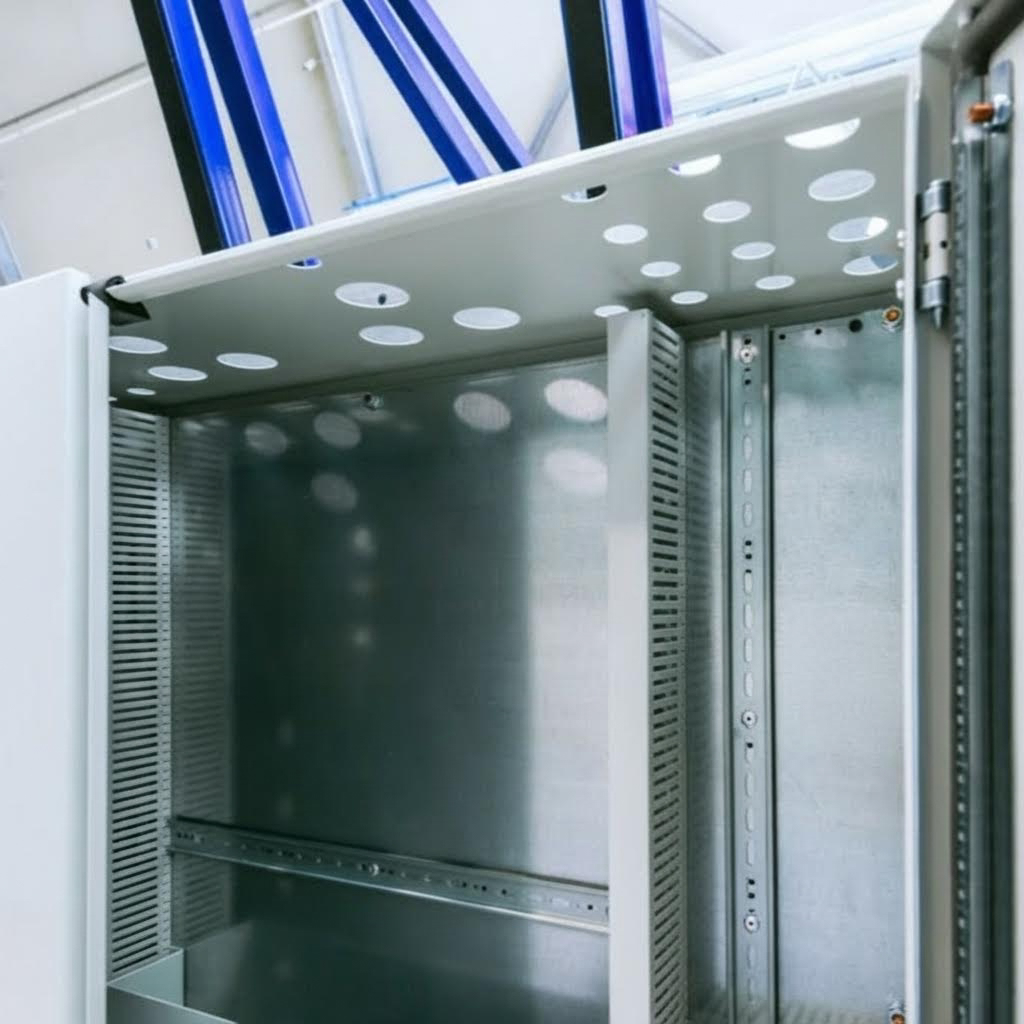
Professional Electronics Enclosure Sheet Metal Assembly Manufacturer
Electronics enclosures are protective housings designed to safeguard sensitive electronic components from environmental factors, electromagnetic interference, and physical damage. These enclosures serve as the first line of defense for electronic devices across industries. We specialize in custom electronics enclosure fabrication, delivering precision-engineered solutions tailored to your unique requirements. Our capabilities include laser cutting, CNC bending, welding, and surface treatment. From design to final assembly, we provide end-to-end manufacturing services for industries including telecommunications, industrial automation, medical equipment, and consumer electronics.
Leading electronics enclosure sheet metal assembly manufacturer
Lingyufab is a leading electronics enclosure sheet metal assembly manufacturer in China, specializing in electronics enclosure sheet metal assembly, offering end-to-end services from laser cutting and bending to complex welding and hardware integration.
Custom Electronics Enclosures for Your Project
Key Features: EMI/RFI Shielding: Conductive metal housings prevent electromagnetic interference from affecting sensitive circuits. Thermal Management: Designed with heat dissipation features including ventilation slots, cooling fins, and thermal interface materials. Environmental Protection: IP-rated sealing against dust, moisture, and chemicals. Accessibility: Designed for easy component access during maintenance and upgrades.
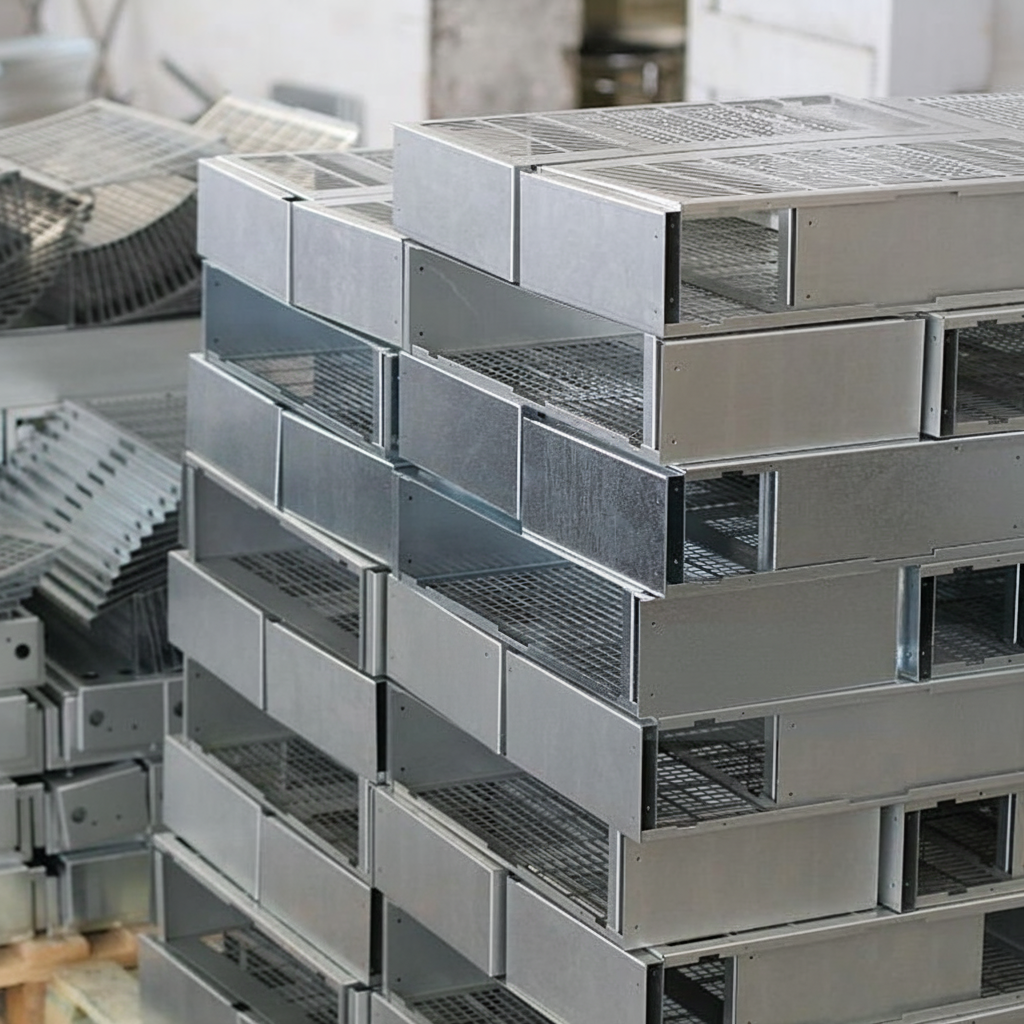
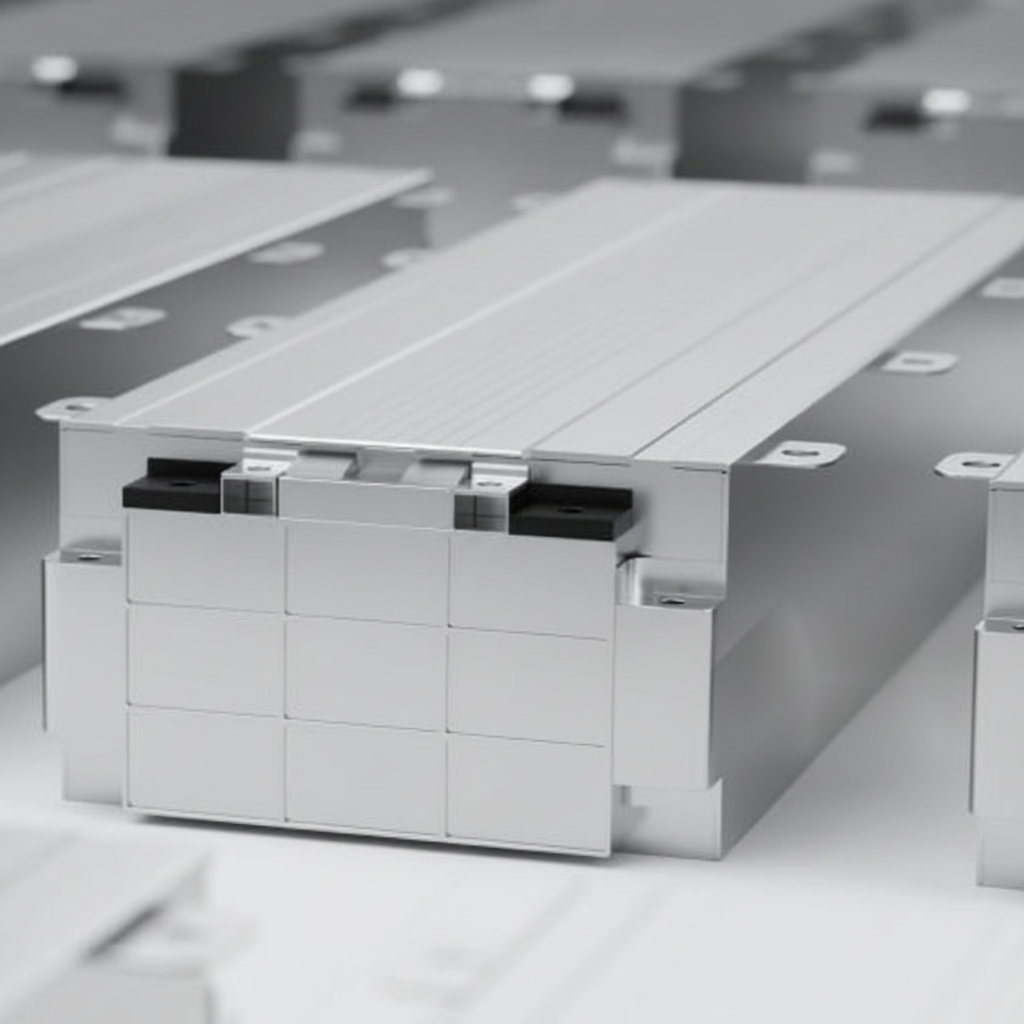
Material Selection for Electronics Enclosures
Wall-Mount Enclosures: Designed for mounting on walls or panels. Suitable for control panels and distribution boxes. Desktop Enclosures: Standalone units for laboratory or office equipment. 19-inch Rack Mount Enclosures: Standardized racks for server and network equipment. Sealed Enclosures: Fully sealed units for harsh environments.
1. What is Electronics Enclosure?
An electronics enclosure is a protective housing designed to safeguard sensitive electronic components from environmental factors, electromagnetic interference, and physical damage. These enclosures serve as the first line of defense for electronic devices across industries, ensuring reliable performance and longevity.
2. Key Features of Electronics Enclosure
EMI/RFI Shielding: Conductive metal housings prevent electromagnetic interference from affecting sensitive circuits.
Thermal Management: Designed with heat dissipation features including ventilation slots, cooling fins, and thermal interface materials.
Environmental Protection: IP-rated sealing against dust, moisture, and chemicals.
Accessibility: Designed for easy component access during maintenance and upgrades.
3. Types of Electronics Enclosure
Wall-Mount Enclosures: Designed for mounting on walls or panels. Suitable for control panels and distribution boxes.
Desktop Enclosures: Standalone units for laboratory or office equipment.
19-inch Rack Mount Enclosures: Standardized racks for server and network equipment.
Sealed Enclosures: Fully sealed units for harsh environments.
4. Industrial Applications of Electronics Enclosure
Industrial Control: PLC enclosures, motor controllers, and automation systems.
Power Distribution: Switchgear enclosures, circuit breaker panels, and transformer housings.
Telecommunications: Network equipment racks, base station housings, and data center infrastructure.
Medical Devices: Diagnostic equipment housings and patient monitoring systems.
5. Manufacturing Process (Sheet Metal) of Electronics Enclosure
Material Selection: Choosing based on environment (aluminum for weight savings, stainless steel for harsh environments).
Cutting: Using CNC laser cutting to create precise profiles.
Bending: Utilizing CNC press brakes for accurate forming.
Welding & Joining: TIG/MIG welding or mechanical fastening.
Surface Treatment: Powder coating or anodizing for corrosion resistance.
Final Assembly & Inspection: Installing components, followed by quality checks.
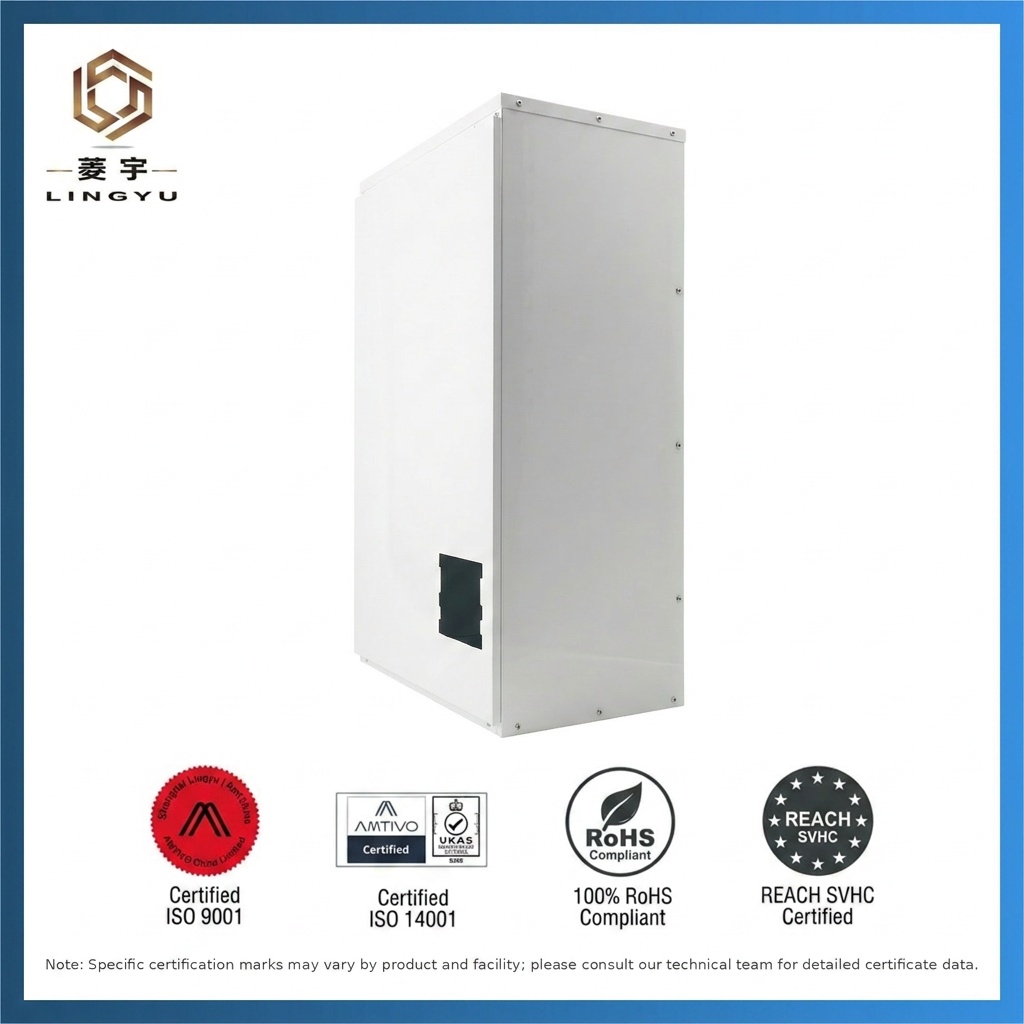
Sheet Metal Enclosure Design Guidelines for OEM Projects
A sheet metal enclosure looks simple from the outside, but small design decisions can affect cost, assembly fit, surface finish, and long-term reliability. For OEM projects, the enclosure is usually f
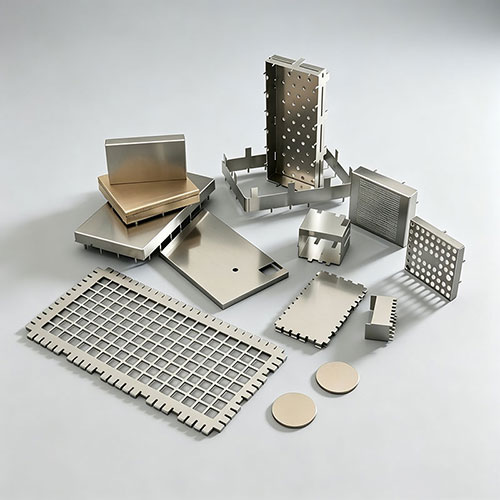
The Impact of Material Choice on Enclosure Shielding Performance
Sheet metal fabrication supplier for EMI shielding enclosures. Custom OEM parts from prototype to production.
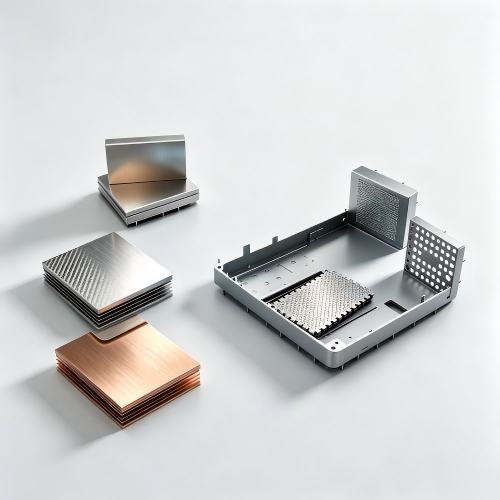
The Role of Material Selection in Enclosure EMI Performance
EMI shielding material guide. Compare steel, aluminum, stainless. Choose the right metal for EMC compliance.