
 +8613003178786
  sales@lingyufab.com
Custom Stud-Welded Sub-Assemblies
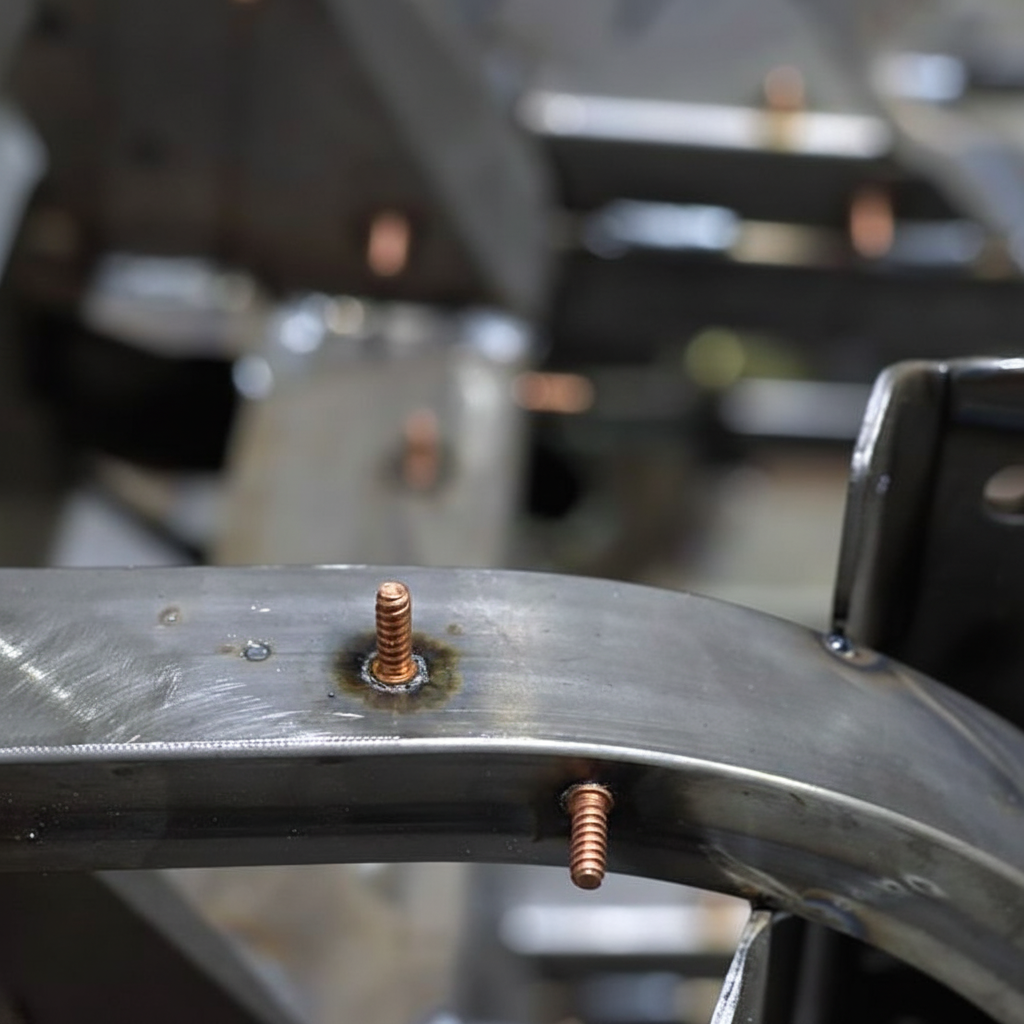
Professional Custom Stud-Welded Sub-Assemblies Fabrication Manufacturer
Lingyufab is a professional China-based OEM specializing in high-quality custom build-to-print fabrication of stud-welded sub-assemblies. We accurately transform your technical drawings into customized structural panels, internal enclosures, and mounting frames integrated with precision welded threaded studs. As a direct factory, we provide complete custom services from rapid prototyping to mass production, ensuring every component meets your exact pull-out strength and assembly requirements. Contact us today for a professional custom component manufacturer.
Professional Custom Stud-Welded Sub-Assemblies Factory in China
As a direct manufacturer, we specialize in high-quality custom metal sub-assemblies with integrated threaded fasteners for global industrial infrastructure. We have served over 50 global clients and strictly follow Japanese quality management systems to deliver customized stud-welding solutions. Our dedicated facility ensures every custom structural component accurately matches your technical drawings through rigorous full-process inspection, providing the structural integrity and thread perpendicularity needed for your final assembly.
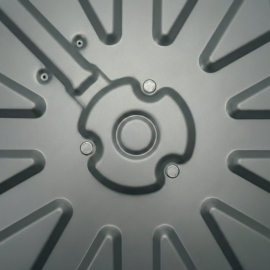
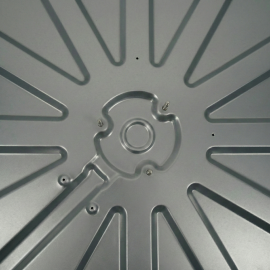
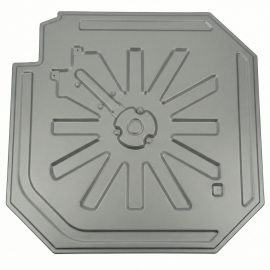
Custom Stud-Welded Sub-Assemblies for Your Project
We utilize high-precision fiber laser cutting systems, CNC bending centers, and specialized CD stud welding machines (Capacitor Discharge) to fabricate complex custom stud-welded sub-assemblies. Our facility transforms various metal materials into precise customized shapes based on your technical drawings, supporting both zero-tooling rapid prototyping and high-volume cost reduction through custom progressive dies. If you are looking for a reliable custom OEM manufacturing partner for your next project, please contact us today.
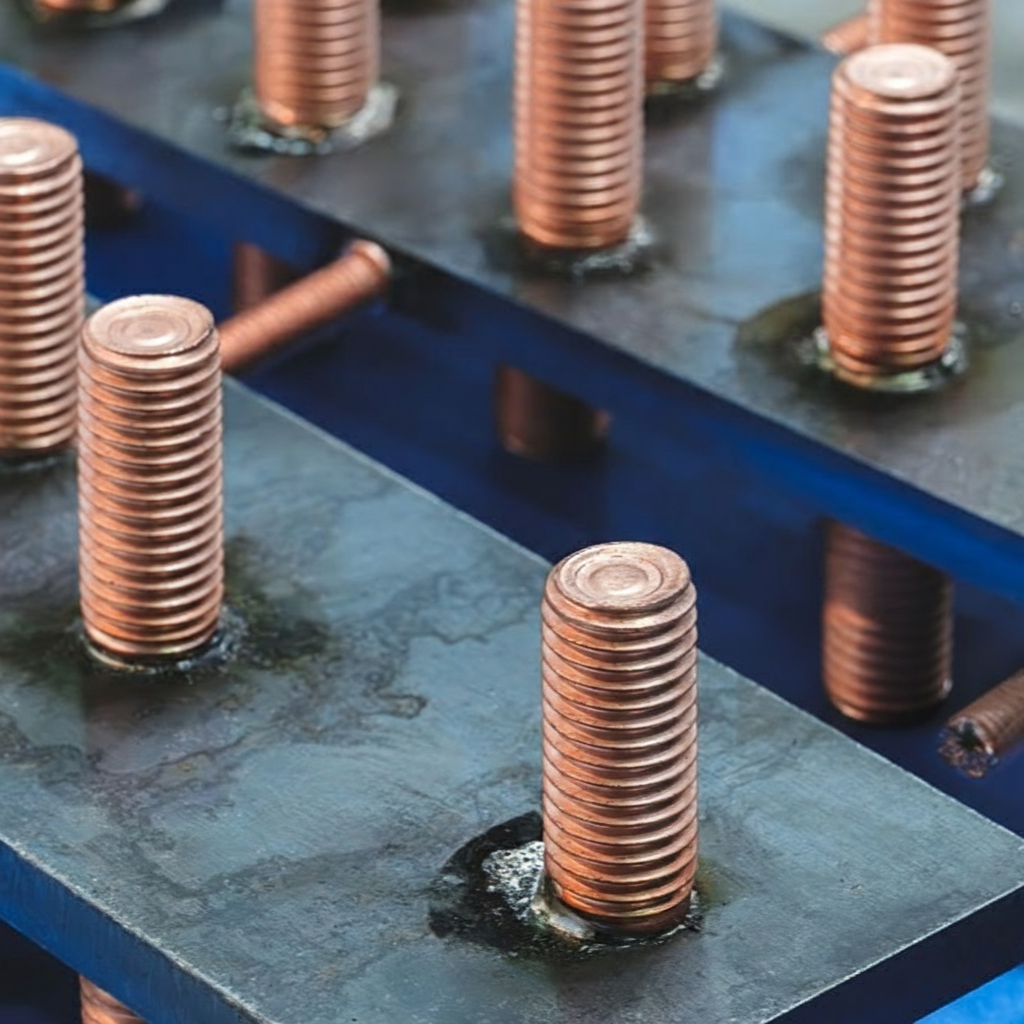
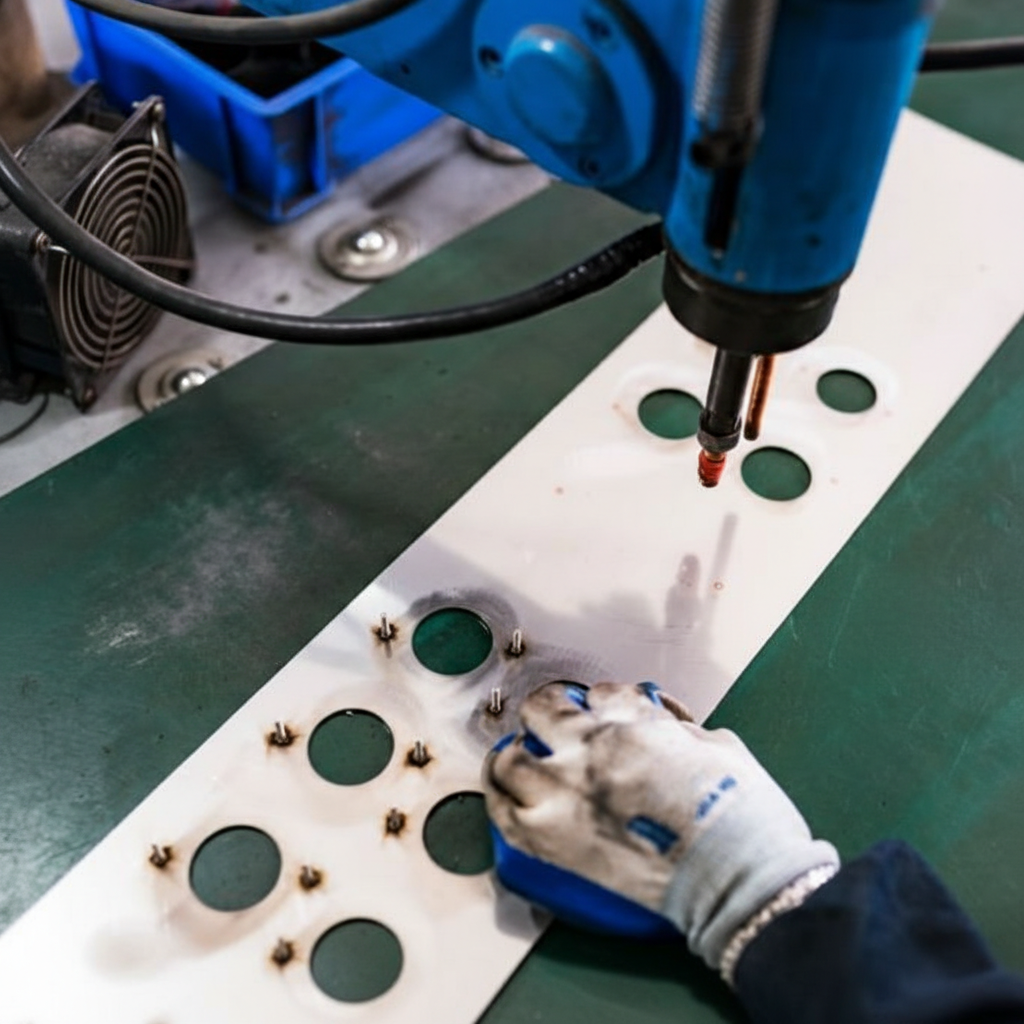
Material Selection for Custom Stud-Welded Sub-Assemblies
We source and fabricate materials strictly according to your technical drawings and BOM to ensure optimal bonding strength for every custom stud. Cold rolled SPCC steel is primarily used for custom structural sub-assemblies to provide excellent welding penetration and structural rigidity for integrated bolts. SECC and SGCC galvanized steels offer inherent corrosion resistance and are processed with specialized welding parameters to ensure coating integrity. Aluminum 5052 is selected for lightweight customized components requiring high-speed stud welding. Stainless steel ensures maximum thread durability and rust prevention for critical hardware supports in harsh environments. Every custom component is processed to ensure clean threads and high pull-out resistance, meeting the material integrity required for your final assembly.
What are Custom Stud-Welded Sub-Assemblies?
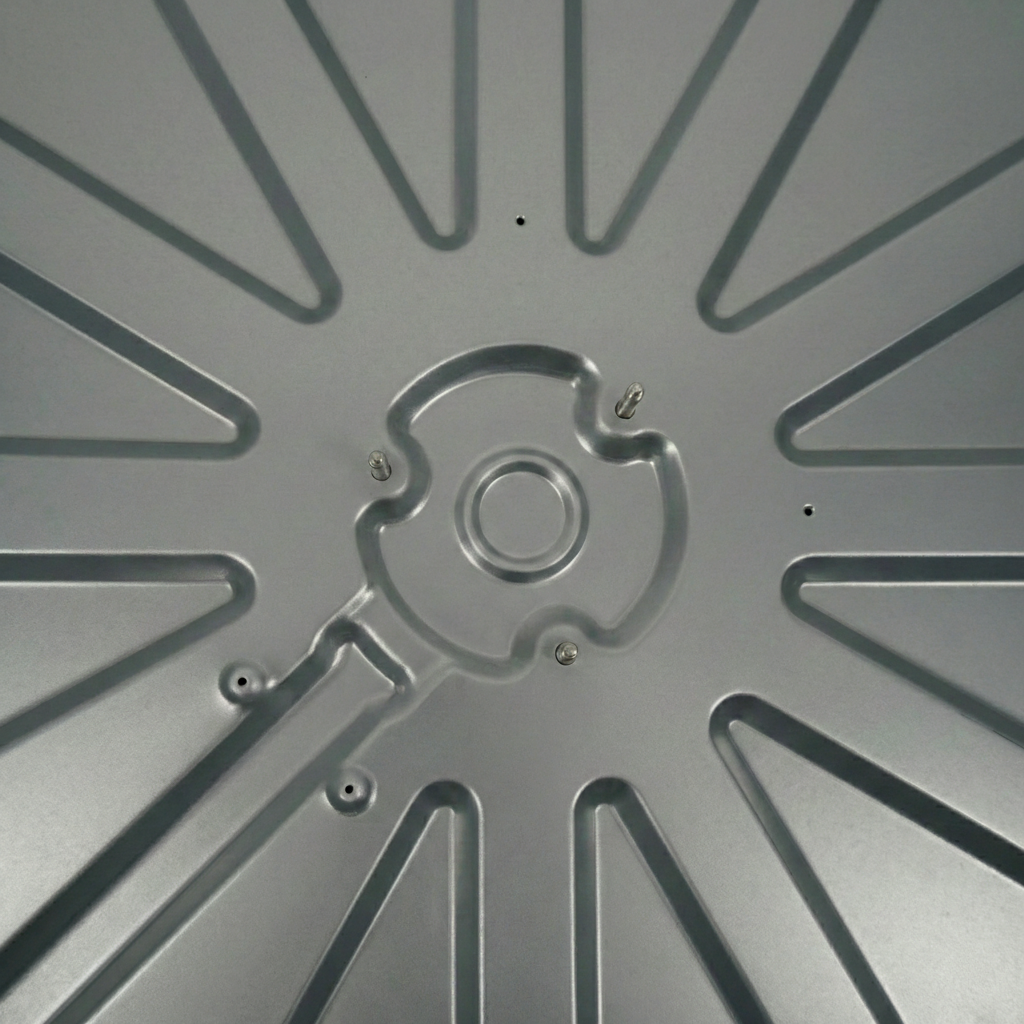
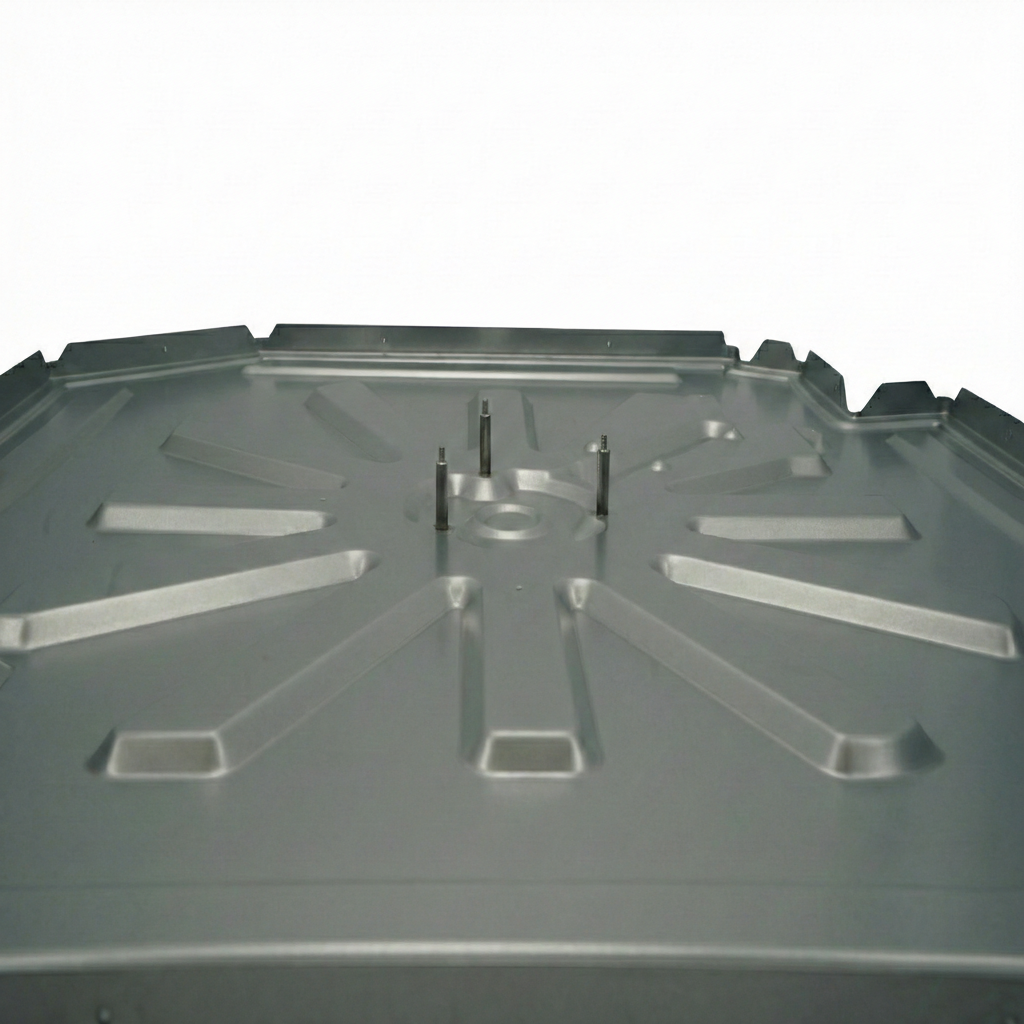
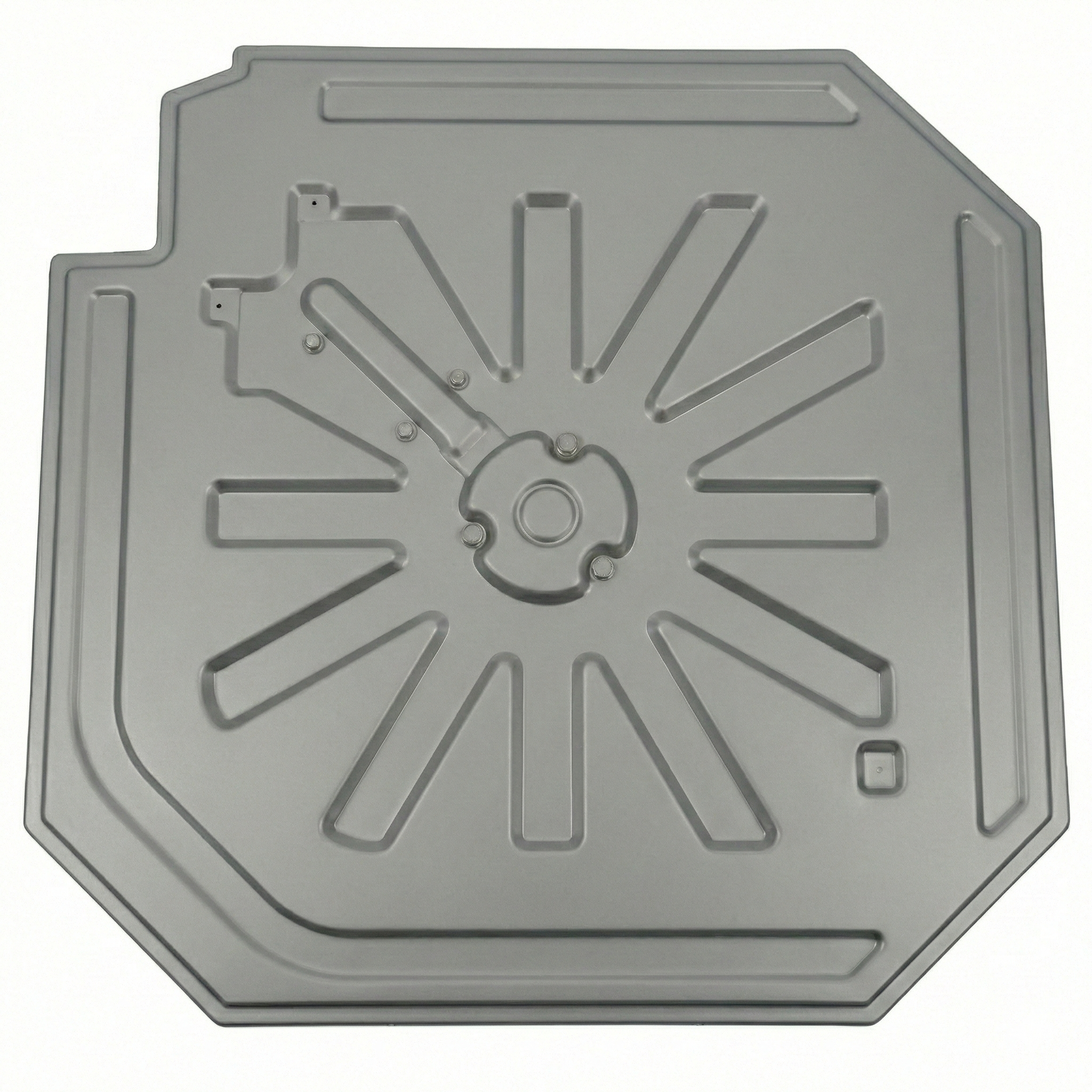
These are precision-engineered, customized metal components that integrate permanent threaded studs or bolts onto a sheet metal base. As a dedicated build-to-print OEM manufacturer, we transform your technical drawings into durable customized internal panels and equipment frames that arrive with pre-installed hardware for immediate module mounting. We ensure every custom stud-welded component is fabricated to your exact engineering specifications without any unauthorized design changes, providing a reliable and stable fastening foundation for your final assembly.
Features of Our Custom Metal Components:
Our custom stud-welded sub-assemblies are characterized by high pull-out strength and excellent thread perpendicularity. We utilize specialized CD stud welding technology to create a strong bond without leaving marks or burns on the reverse side of the panel, maintaining a high-quality aesthetic finish. By ensuring tight tolerance control for stud positioning and expert material selection for every customized part, our components simplify your production flow by eliminating the need for complex drilling and tapping during your final assembly process.
Manufacturing Process for Your Custom Components:
We follow a rigorous 8-step manufacturing flow to ensure total quality and consistency for all custom stud-welding orders. The process begins with a detailed technical drawing review and calculating precise bend allowances to ensure dimensional accuracy. We utilize fiber laser cutting for precise hole locations, followed by CNC bending and high-precision stud welding processes. Every component undergoes durable surface treatment while ensuring thread protection during coating, followed by final pull-out testing and thread verification under Japanese quality management systems.
Why Choose Lingyufab as Your Custom Manufacturing Partner:
We provide a scalable custom manufacturing solution that bridges the gap between R&D prototyping and large-scale assembly production. By offering zero-tooling laser cutting for initial custom batches and high-efficiency tooling for mass production, we help you significantly reduce unit costs as your volume grows. Our commitment to 100% build-to-print execution and our expertise in managing complex customized fastener integration make us the reliable direct-factory partner for your global manufacturing needs.
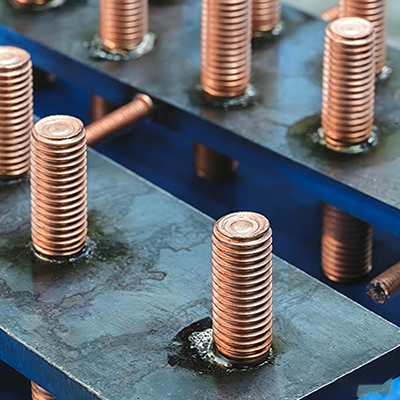
Why Custom Stud-Welded Sub-Assemblies Give You an Edge
Custom stud-welded assemblies simplify supply chains and cut costs.
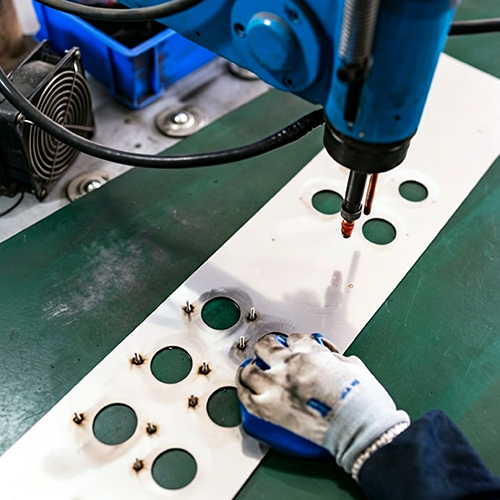
Stud Welding vs. Self-Clinching Fasteners: Which Is Right for Your Project?
Compare stud welding vs self-clinching fasteners for sheet metal projects
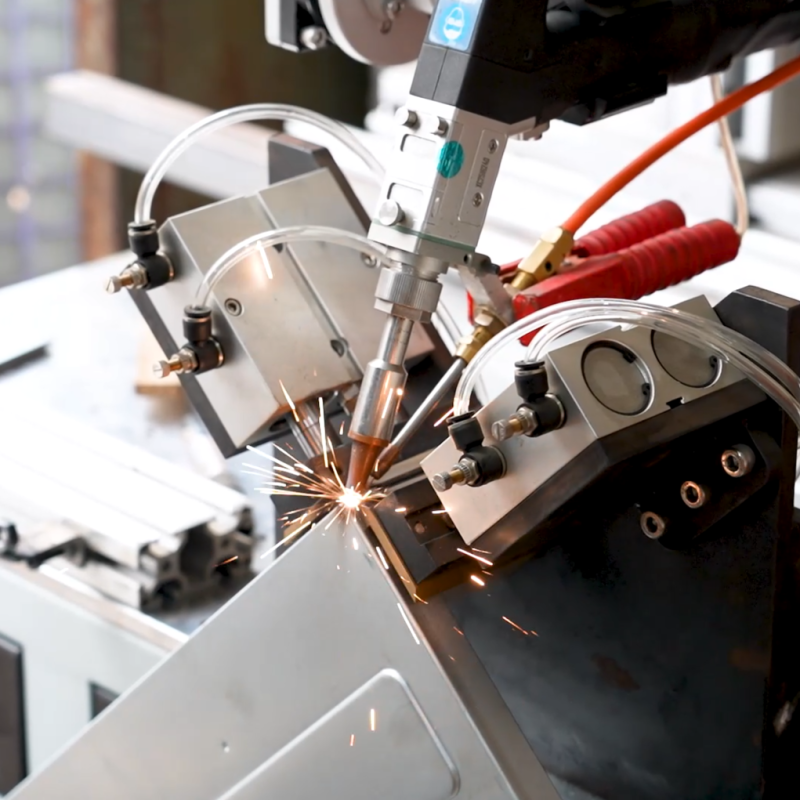
What Is Sheet Metal Welding?
Sheet metal welding is a key fabrication process used to join metal parts into strong structures and assemblies. Learn common welding methods, applications, quality factors, pricing factors, and sourc
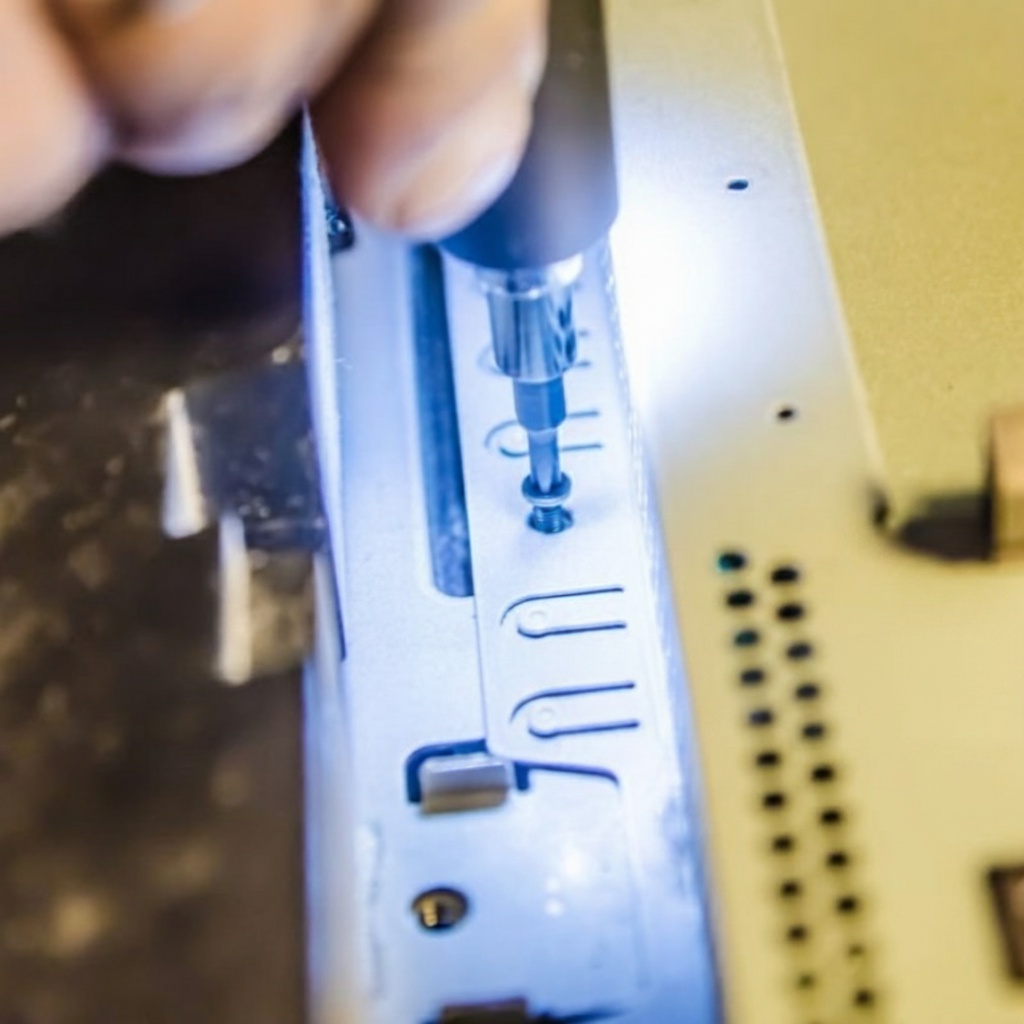
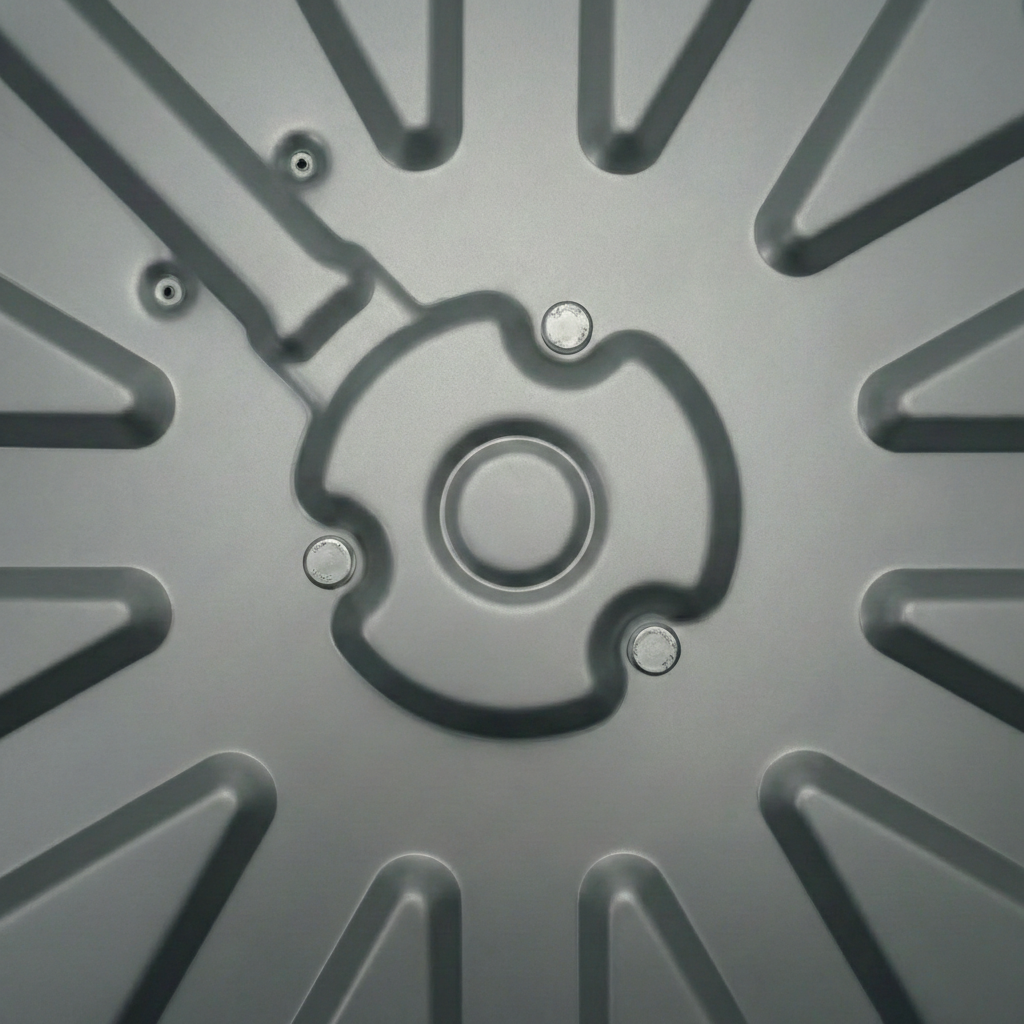
How to Choose Self-Tapping Screws for Sheet Metal Assemblies
Self-tapping screws are widely used in sheet metal assemblies because they can form or engage threads during installation without the need for a separate nut. In products such as electrical enclosures