
 +8613003178786
  sales@lingyufab.com
Sheet Metal Fabrication
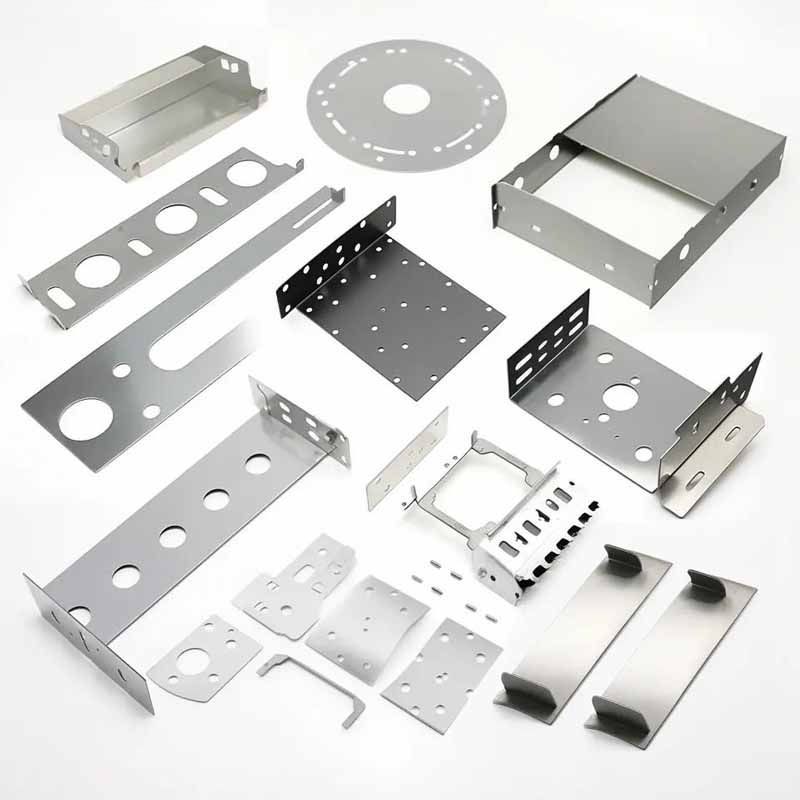
Global Precision Custom Sheet Metal Fabrication Service
Lingyufab delivers end-to-end custom sheet metal fabrication, including precision laser cutting, CNC bending, welding, and finishing for custom enclosures, brackets, and assemblies. Process steel, stainless steel, and aluminum with high precision. Upload drawings for instant quotes and automated DFM analysis, backed by expert engineering support and scalable pricing optimized for both single prototypes and high-volume production.
What is Sheet Metal Fabrication?
Sheet metal fabrication is a set of manufacturing processes that convert flat sheets of metal (typically between 0.5 mm and 20 mm thick) into functional parts, components, or final products. Instead of removing material from a solid block, it involves cutting, bending, forming, and joining flat sheets into precise 3D shapes.
Key Processes in Sheet Metal Fabrication
1. Cutting
The process begins by cutting raw metal sheets into flat outlines (blanks):
-
Laser Cutting: High-power fiber lasers for precise shapes with clean edges.
-
Punching: CNC turret punches for rapid hole making.
-
Waterjet Cutting: High-pressure water cutting with zero heat-affected zones.
-
Shearing: Straight-line cuts for initial sizing.
2. Forming & Bending
Shaping flat pieces into three-dimensional structures:
-
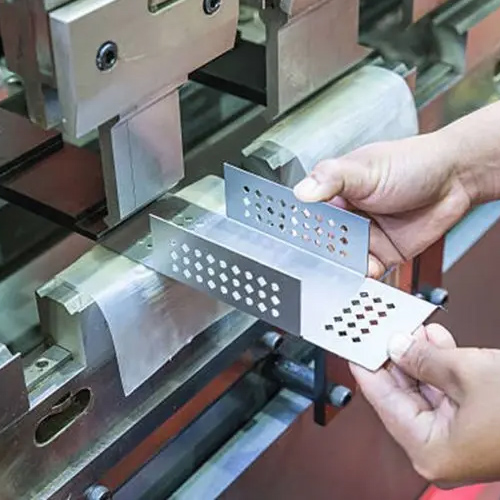
CNC Bending: Press brakes force metal into dies for exact angles.
-
Roll Bending: Rollers form cylindrical shapes and curved panels.
-
Stamping: Custom dies form 3D features like ribs or louvers in a single stroke.
3. Joining & Assembly
Fastening individual components into complete assemblies:
-
Welding: TIG, MIG, and spot welding permanently fuse metal parts.
-
Hardware Fastening: Inserting self-clinching fasteners (PEM studs/standoffs), rivets, or screws.
4. Surface Finishing
Treatments to improve appearance, durability, and corrosion resistance:
-
Powder Coating: Durable colored polymer finishes.
-
Anodizing: Protective oxide layers for aluminum.
-
Plating & Passivation: Anti-rust chemical protection.
Common Materials Used
Common Applications
Sheet Metal Fabrication Advantages
Sheet metal fabrication offers exceptional versatility, durability, and cost efficiency for modern manufacturing. By utilizing advanced processes such as laser cutting and CNC bending, manufacturers can create lightweight yet structural components with tight tolerances. This flexible process easily scales from rapid functional prototyping to high-volume production without sacrificing quality. Additionally, with broad compatibility across steel, aluminum, and stainless steel, sheet metal fabrication delivers long-lasting, corrosion-resistant parts tailored for diverse industrial and commercial applications.
Sheet Metal Fabrication Solutions and Applications
Lingyufab provides end-to-end sheet metal fabrication solutions designed to transform flat metal into highly functional, precision-engineered components. Utilizing advanced fiber laser cutting, multi-axis CNC bending, certified welding, and durable surface finishing, we deliver reliable parts tailored to strict tolerance standards. Our versatile capabilities serve diverse industries, producing custom electronic enclosures, structural brackets, industrial cabinets, and complex equipment assemblies from prototype through high-volume production.
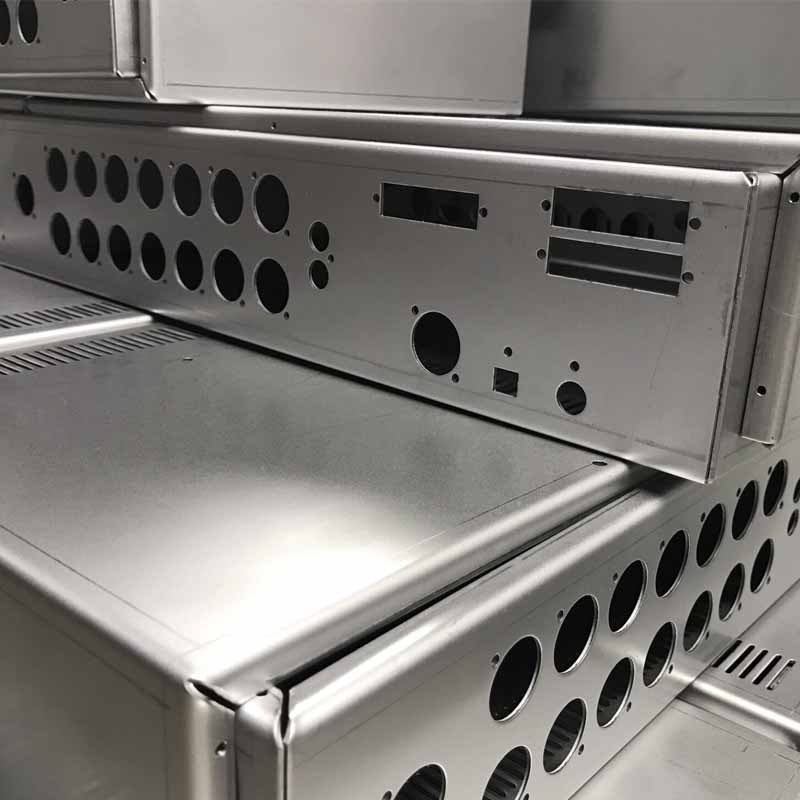
Complete Sheet Metal Fabrication Guide 2026
An end-to-end engineering overview of modern sheet metal fabrication techniques, materials, design rules, quality standards, and common manufacturing queries shaping automated, high-precision custom manufacturing.
Understanding Modern Sheet Metal Fabrication
Sheet metal fabrication is one of the most versatile manufacturing processes in industrial engineering. Unlike subtractive machining methods that cut away material from a solid block, sheet metal fabrication forms thin, flat sheets of metal into functional three-dimensional parts. By combining precise cutting, multi-axis bending, structural forming, and permanent joining, manufacturers can produce everything from ultra-precise electronic shielding components to heavy-duty industrial structural enclosures.
In 2026, the sheet metal industry relies heavily on digital integration. Automated Design for Manufacturability (DFM) software, high-power fiber laser systems, and robotic bending cells allow engineers to move seamlessly from 3D CAD models to finished production parts within short lead times, guaranteeing strict dimensional accuracy and repeatable quality across both prototypes and volume runs.
Design for Manufacturability (DFM) Guidelines
Designing for sheet metal requires a thorough understanding of material elasticity and tooling limitations. Implementing clear DFM principles prevents part distortion, minimizes tooling changes, and significantly lowers unit costs.
Material Selection & Properties Matrix
Selecting the right alloy impacts mechanical strength, weight, corrosion resistance, and total production cost. Below are the primary industrial metals utilized in precision fabrication:
Quality Assurance & Precision Control
Quality control in sheet metal fabrication extends far beyond visual inspection. High-precision industries require strict compliance with international manufacturing standards, complete raw material traceability, and automated dimensional verification. Modern fabrication facilities utilize Coordinate Measuring Machines (CMM), 3D optical laser scanners, and automated bend-angle sensors integrated into press brakes to verify tolerances down to ±0.05 mm.
Additionally, structural components undergo rigorous testing based on end-use requirements. Non-Destructive Testing (NDT) for welds, salt spray testing for surface coatings, and IP-rate enclosure sealing checks ensure that every custom bracket, chassis, and assembly operates reliably in demanding real-world conditions.
Frequently Asked Questions (FAQ)
What CAD file formats are best for sheet metal fabrication?
3D STEP (.stp / .step) or IGES (.igs) files are ideal as they allow automated DFM software and CNC press brakes to calculate bend deductions accurately. 2D DXF or DWG files are also helpful for verifying flat patterns, critical tolerances, and thread tapping locations.
How does sheet metal fabrication compare to CNC machining?
Sheet metal fabrication forms thin, hollow, or enclosed structural parts by bending and cutting metal sheets, resulting in lighter, lower-cost components with faster production speeds for enclosures and brackets. CNC machining carves material out of solid blocks, making it better for dense, complex 3D geometries with extremely tight volumetric tolerances.
What standard surface finishes are available for sheet metal parts?
Common finishing treatments include powder coating for durable cosmetic color, anodizing for aluminum oxidation protection, zinc plating or passivation for steel rust prevention, and bead blasting or brushing for clean textured surfaces.
Why is minimum bend radius important in DFM analysis?
If a bend radius is designed too tight relative to the material thickness, the outer curve suffers extreme tensile stress, leading to material cracking or structural failure. Following standard bend radius guidelines ensures material integrity and smooth press brake operation.
What tolerances can be achieved in custom sheet metal fabrication?
Standard commercial fabrication tolerances generally range around ±0.2 mm for laser cutting and ±0.3 mm for bending. With high-precision fiber laser cutters and CNC press brakes, precision tolerances down to ±0.05 mm can be consistently maintained.
Can sheet metal fabrication handle both prototypes and mass production?
Yes. Because initial setup costs for CNC laser cutting and press brake forming are relatively low compared to hard tooling stamping dies, sheet metal fabrication is highly scalable and cost-effective for single-unit prototypes as well as large-scale production runs.
Small Batch Sheet Metal Fabrication with No Minimum Order
Small batch sheet metal fabrication with no minimum order. Prototypes to production. One-stop service.
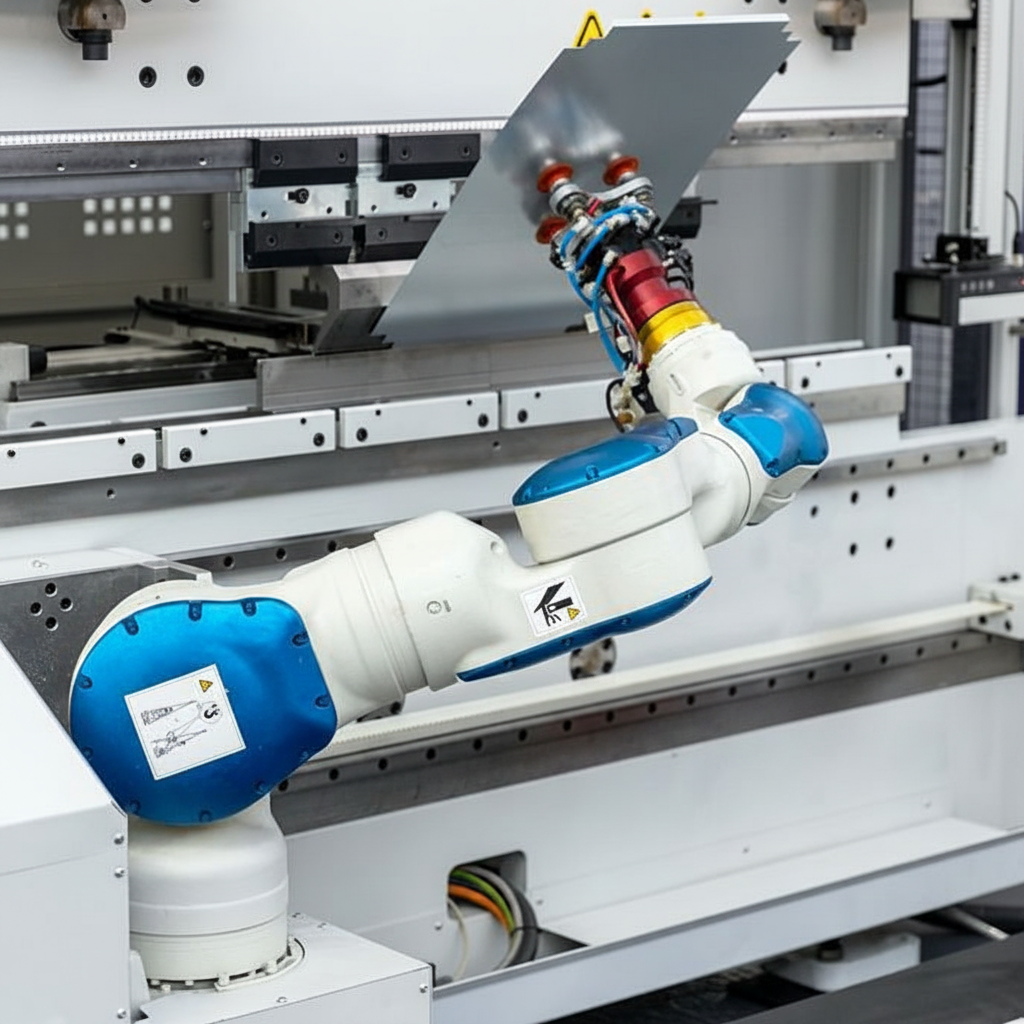
What Is Sheet Metal Fabrication?
Sheet metal fabrication is the process of cutting, bending, welding, and assembling metal sheets into finished parts and products. Learn the main processes, materials, applications, pricing factors, a
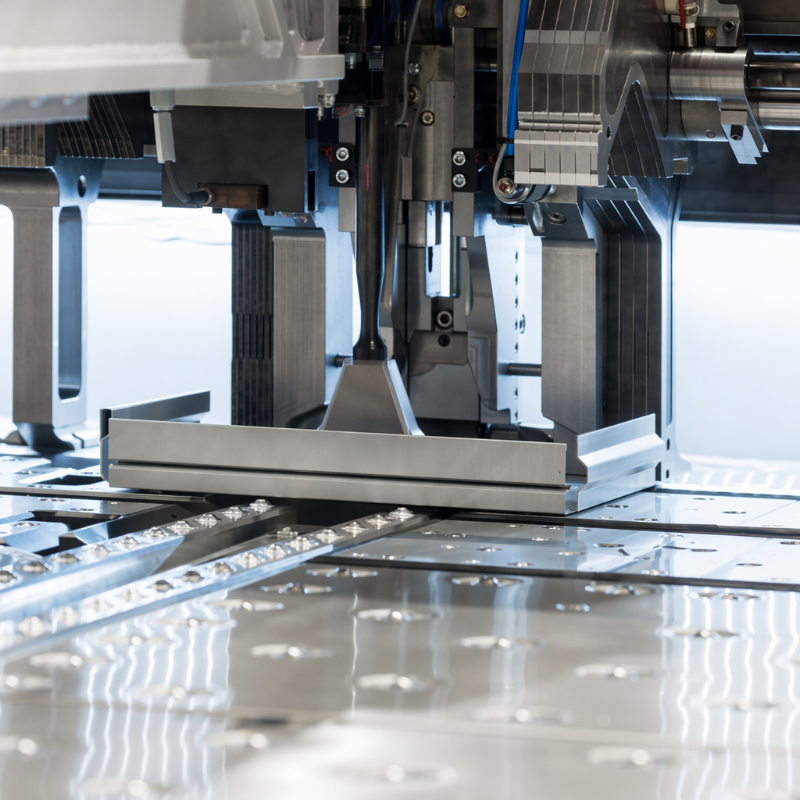
What Is CNC Bending in Sheet Metal Fabrication?
CNC bending is a key sheet metal fabrication process used to form flat metal parts into precise angles and shapes. Learn how it works, its advantages, applications, pricing factors, and sourcing consi
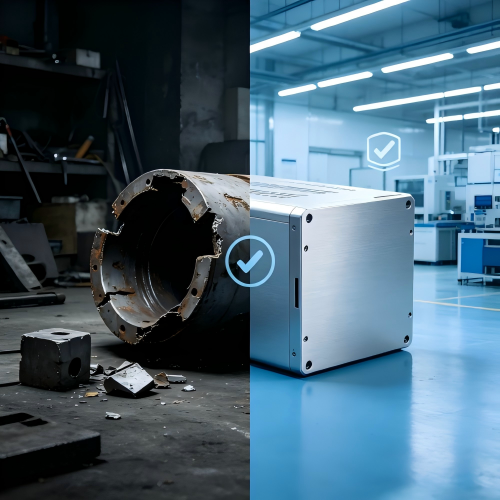
Sheet Metal Fabrication Procurement: How to Choose the Right Supplier and Avoid Costly Mistakes
How to choose a reliable sheet metal fabrication supplier and avoid costly procurement mistakes.