
 +8613003178786
  sales@lingyufab.com
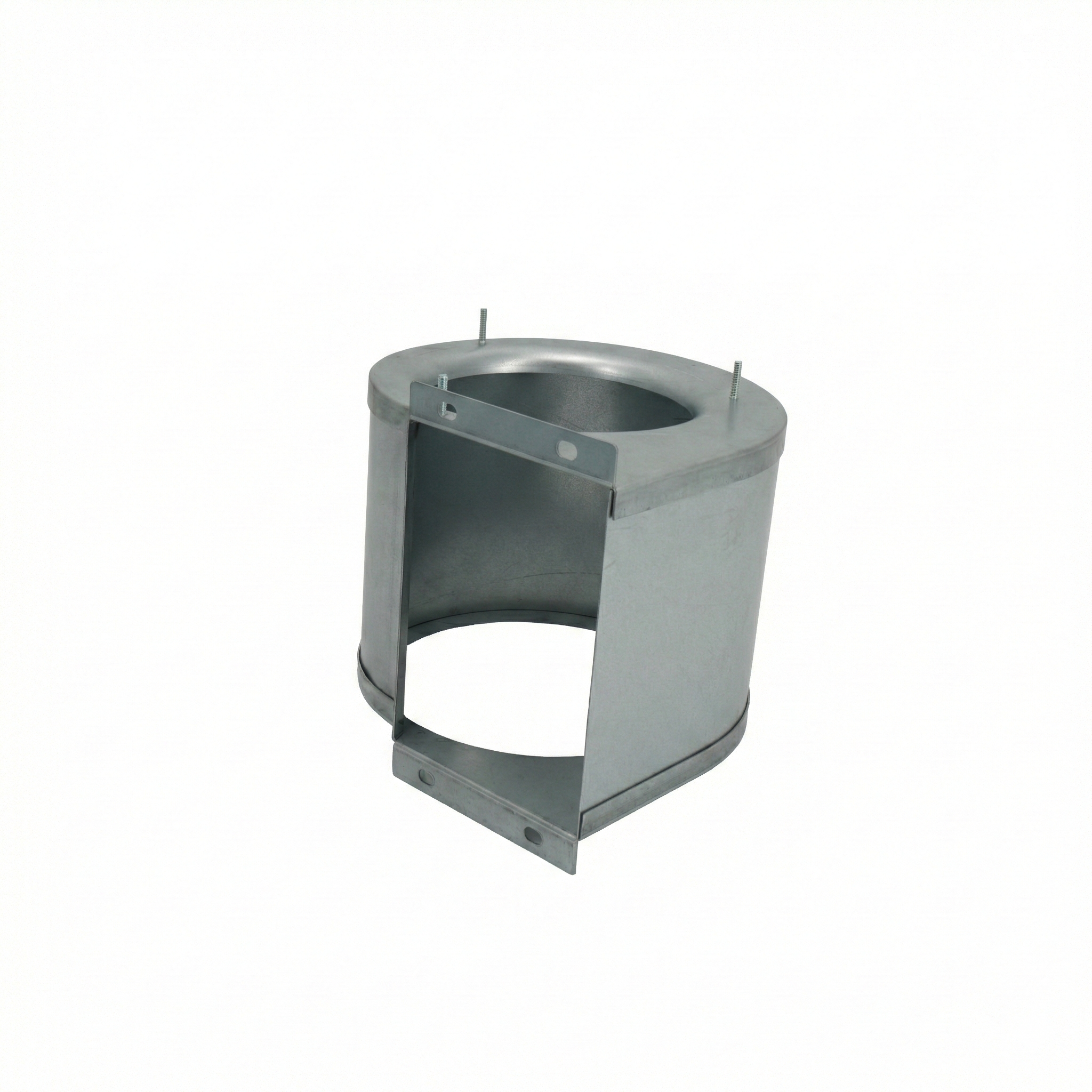
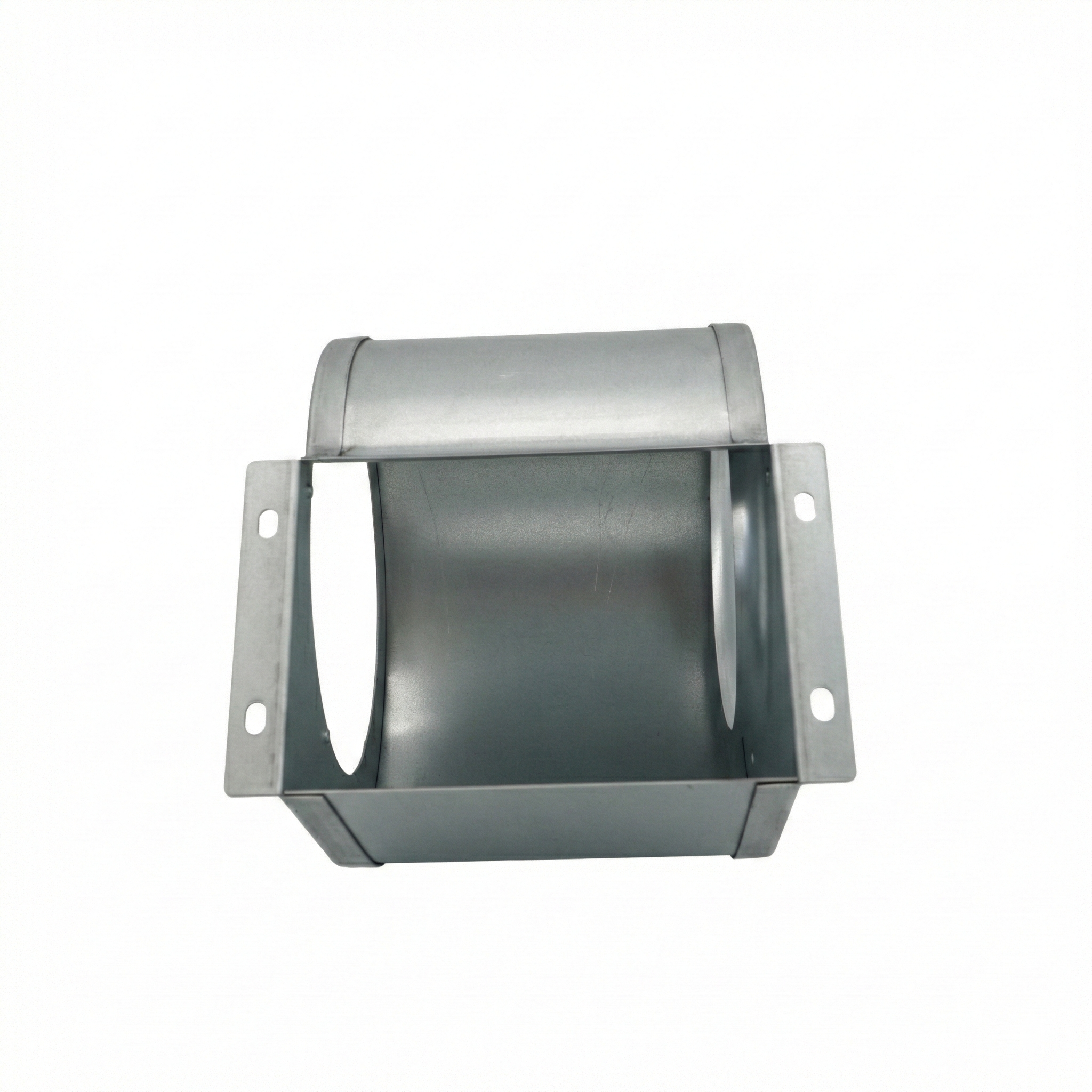
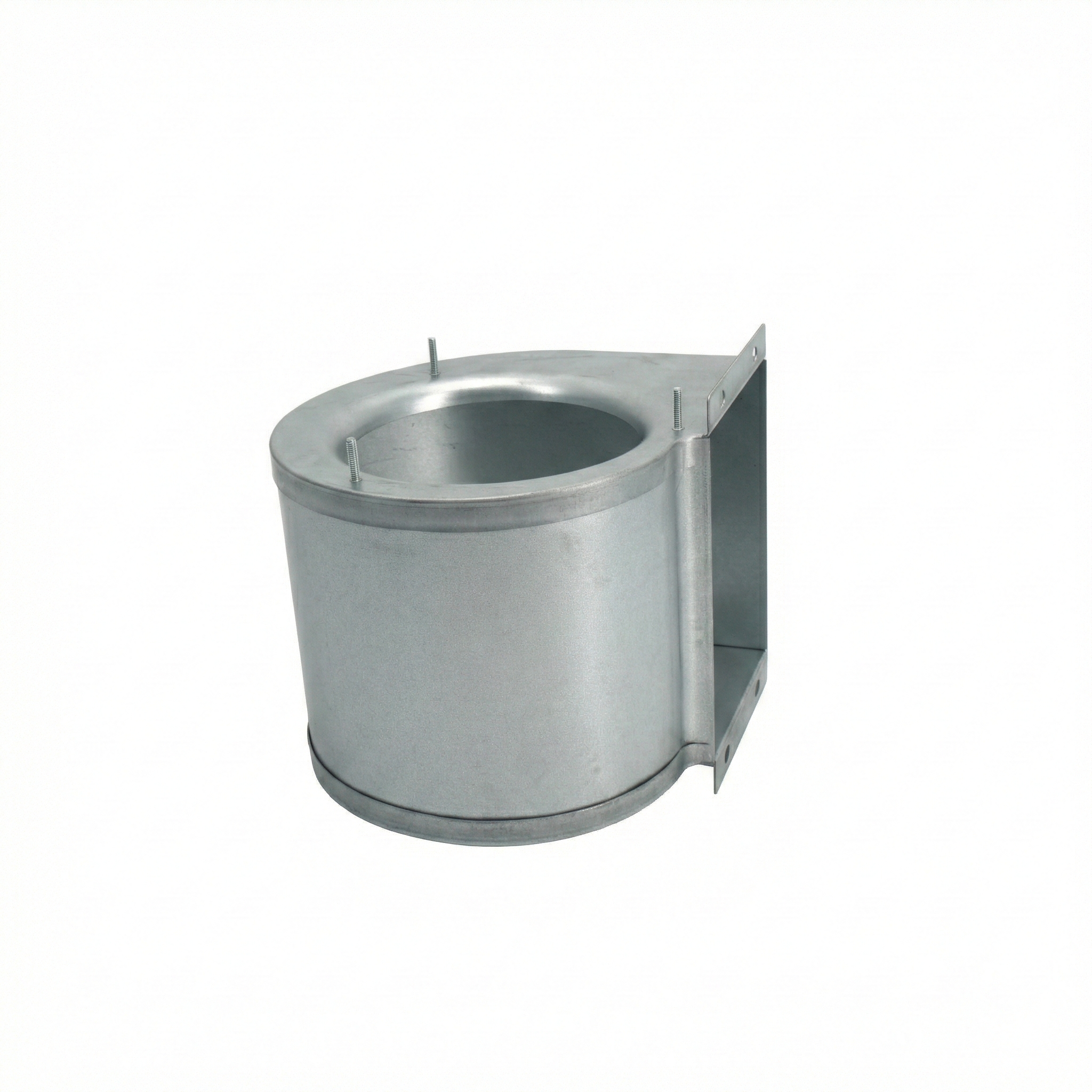
Precision Fan Case Assembly
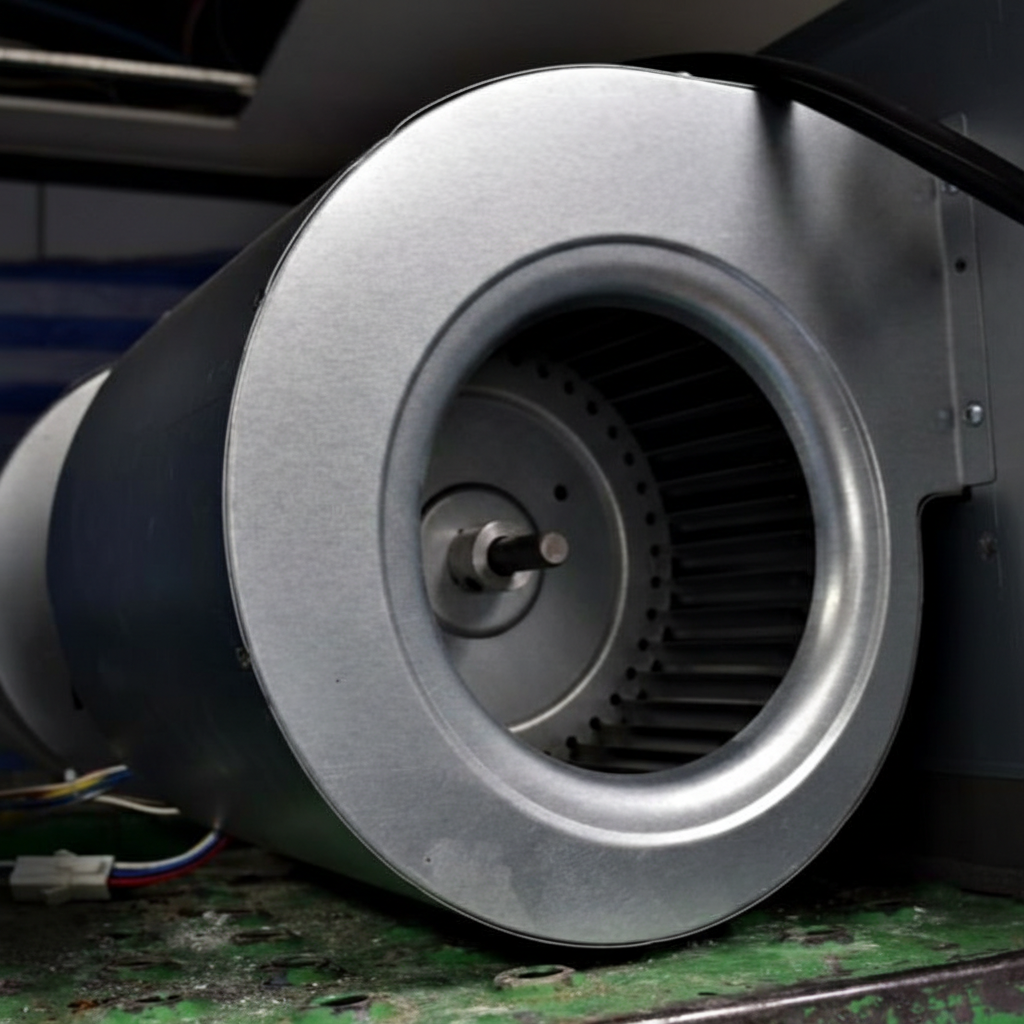
Professional Custom Fan Case Assembly Fabrication Manufacturer
Lingyufab is a professional China-based OEM specializing in high-quality custom build-to-print fabrication of fan case assemblies. We accurately transform your technical drawings into precision customized fan housings, cooling modules, and integrated ventilation frames for high-density server racks and industrial power systems. As a direct factory, we provide complete custom services from rapid prototyping to mass production, ensuring every complex assembly meets your exact airflow management and structural tolerance requirements. Contact us today for a professional custom component manufacturer.
Professional Custom Fan Case Assembly Factory in China
As a direct manufacturer, we specialize in high-quality custom metal fan case assemblies for global thermal management infrastructure. We have served over 50 global clients and strictly follow Japanese quality management systems to deliver customized housing solutions. Our dedicated facility ensures every custom assembly accurately matches your technical drawings through rigorous full-process inspection, providing the vibration resistance and structural stability needed for your final assembly.
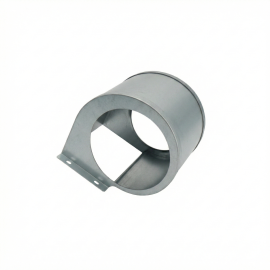
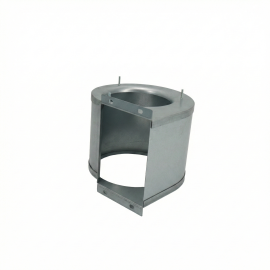
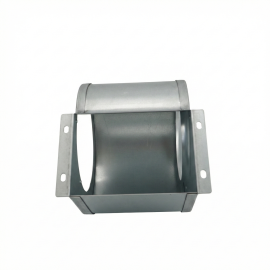
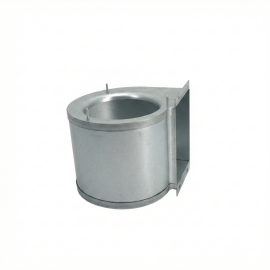
Custom Fan Case Assemblies for Your Project
We utilize high-precision fiber laser cutting systems, multi-axis CNC bending centers, and high-speed stamping presses to fabricate complex custom fan case assemblies. Our facility transforms various metal materials into precise customized housing shapes based on your technical drawings, supporting both zero-tooling rapid prototyping and high-volume cost reduction through custom progressive dies. If you are looking for a reliable custom OEM manufacturing partner for your next project, please contact us today.
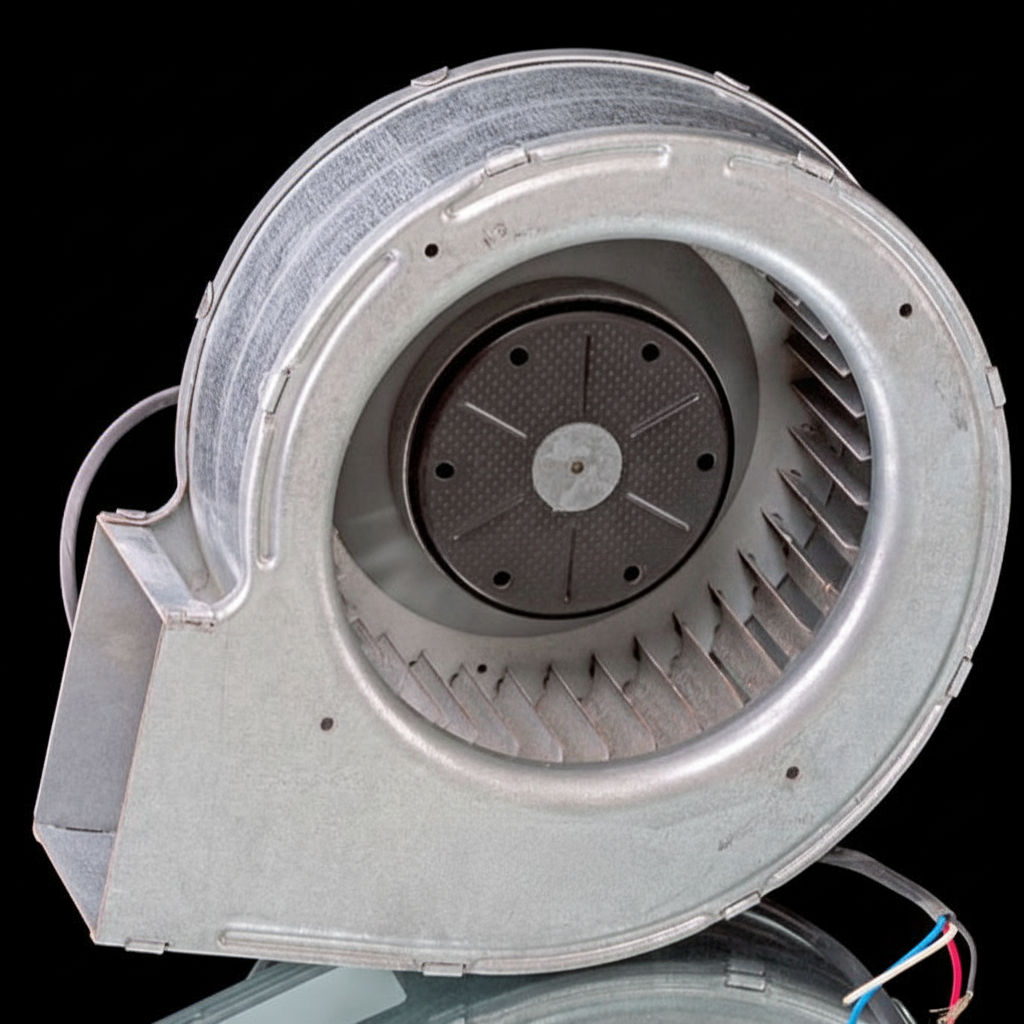
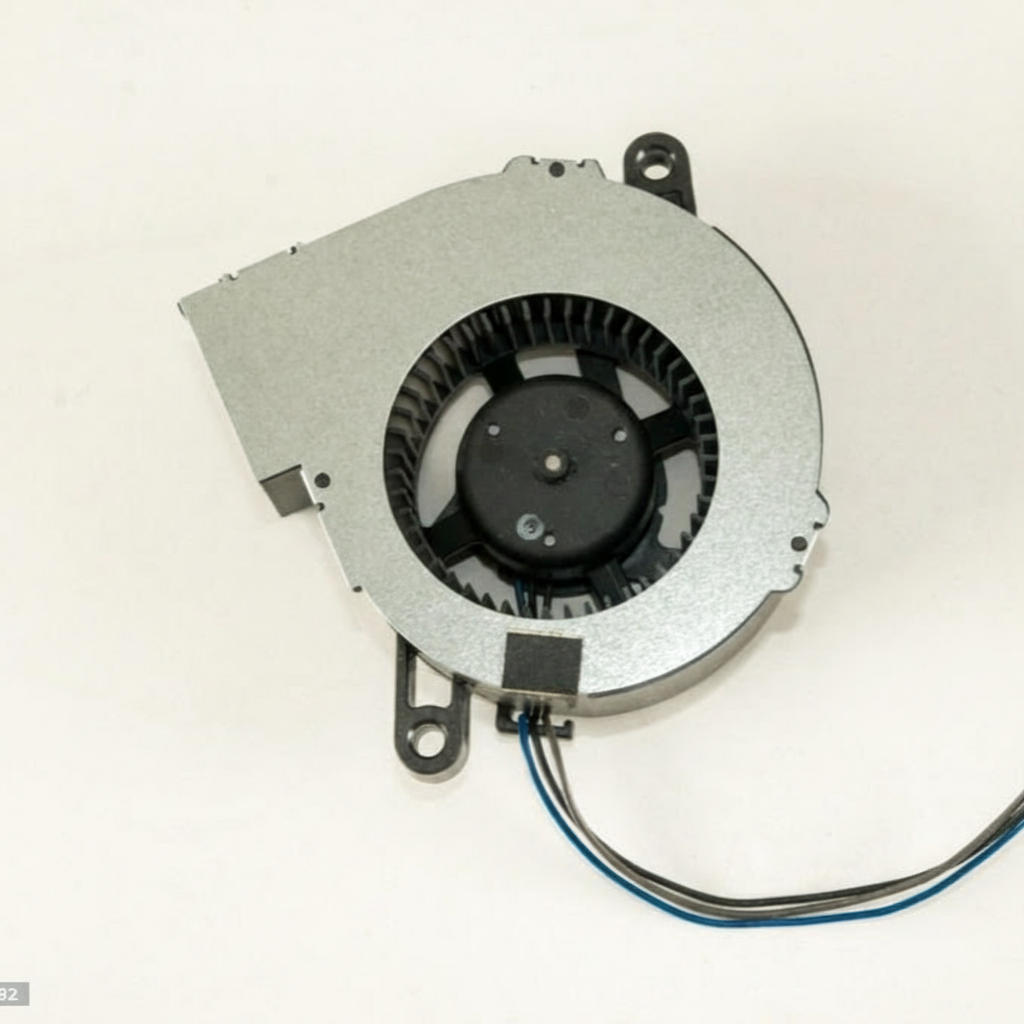
Material Selection for Custom Fan Case Assemblies
We source and fabricate materials strictly according to your technical drawings and BOM to ensure optimal airflow and durability. Aluminum alloys such as 5052 are primarily used for custom fan cases to maximize heat dissipation and reduce overall weight for portable or high-density modules. SECC and SGCC galvanized steels provide essential EMI shielding and corrosion resistance for internal cooling structures. Cold rolled SPCC steel ensures high structural rigidity and strength for heavy-duty industrial fan housings. Stainless steel is selected for customized assemblies in harsh environments to provide long-term reliability against mechanical impact. Every custom component is processed with precision surface finishing to meet the material integrity required for your final assembly.
What are Custom Fan Case Assemblies?
These are precision-engineered, customized metal housings designed to enclose cooling fans, manage airflow directions, and integrate structural mounting points within an electronic system. As a dedicated build-to-print OEM manufacturer, we transform your technical drawings into durable customized fan frames, protective grilles, and complex multi-fan housing units. We ensure every custom assembly is fabricated to your exact engineering specifications without any unauthorized design changes, providing the essential thermal protection required for your final system assembly.
Features of Our Custom Metal Components:
Our custom fan case assemblies are characterized by high dimensional accuracy and excellent vibration dampening properties. We focus on maintaining tight tolerances for fan mounting apertures to prevent air leakage and minimize operational noise. By ensuring smooth, burr-free ventilation patterns and expert material selection for every customized part, our components provide superior EMI shielding and structural rigidity, allowing your cooling fans to operate at peak efficiency even in demanding industrial or data center environments.
Manufacturing Process for Your Custom Components:
We follow a rigorous 8-step manufacturing flow to ensure total quality and consistency for all custom housing orders. The process begins with a detailed technical drawing review and calculating precise bend allowances to handle complex geometries. We utilize fiber laser cutting for intricate hole patterns and transition to custom progressive dies for high-volume hardware stamping to ensure cost efficiency. Every component undergoes multi-axis CNC bending, expert welding for seamless corners, and durable industrial coating, followed by final dimensional verification under Japanese quality management systems.
Why Choose Lingyufab as Your Custom Manufacturing Partner:
We provide a scalable custom manufacturing solution that bridges the gap between R&D thermal prototyping and large-scale industrial infrastructure production. By offering zero-tooling laser cutting for initial custom batches and high-efficiency tooling for mass production, we help you significantly reduce unit costs as your volume grows. Our commitment to 100% build-to-print execution and our expertise in managing complex customized structural and airflow requirements make us the reliable direct-factory partner for your global thermal management manufacturing needs.
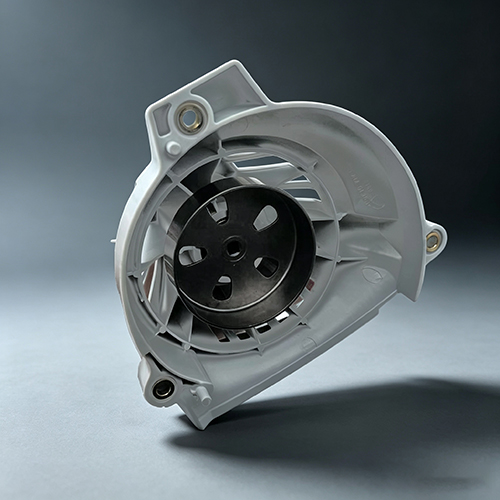
Design for Manufacturability: Optimizing Precision Fan Case Assemblies for Cost and Performance
Optimize precision fan case assembly design for cost, performance, and manufacturability.
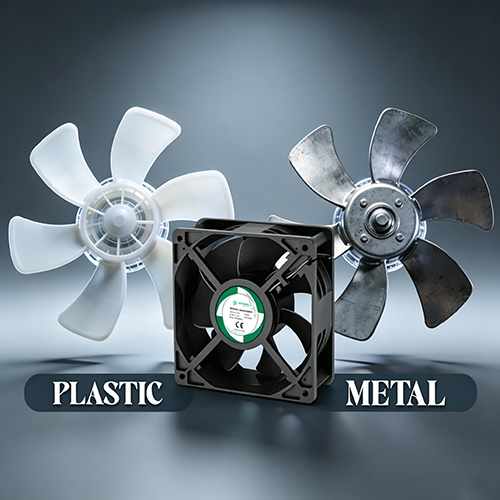
Sheet Metal Fan Housing vs. Plastic Fan Housing: Which Is Right for Your Application?
Sheet metal vs plastic fan housings: compare durability, cost, and thermal performance.
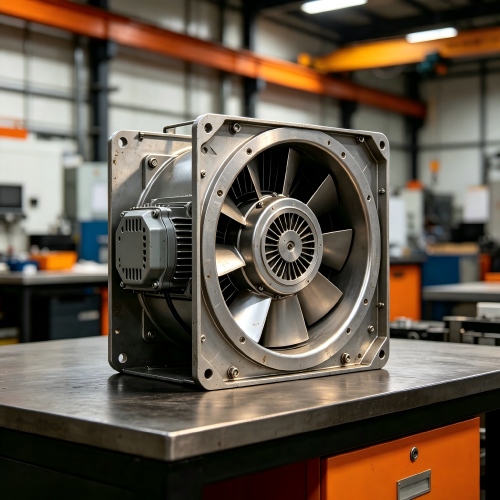
Precision Fan Case Assembly: From Sheet Metal to High-Performance Cooling Solutions
Precision fan case assembly guide. Manufacturing process, quality considerations, and applications for cooling solutions.
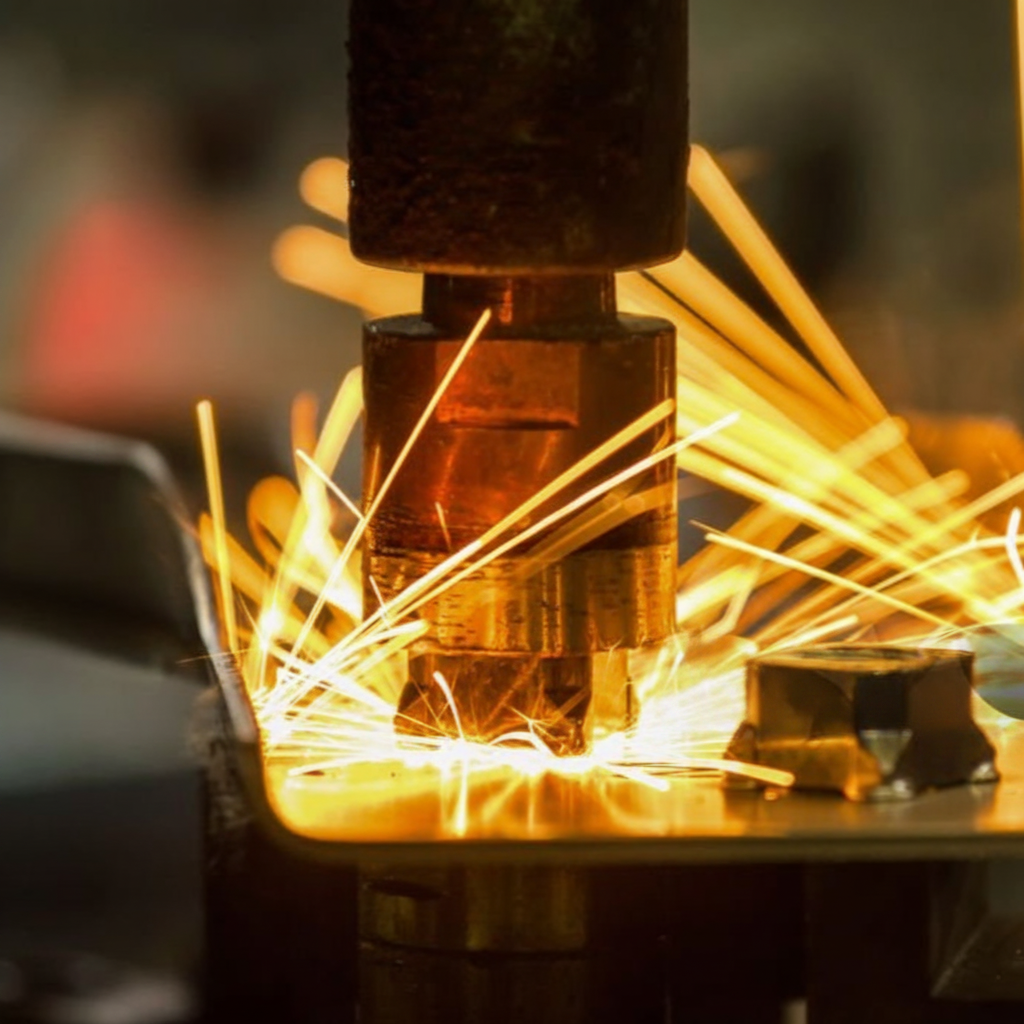
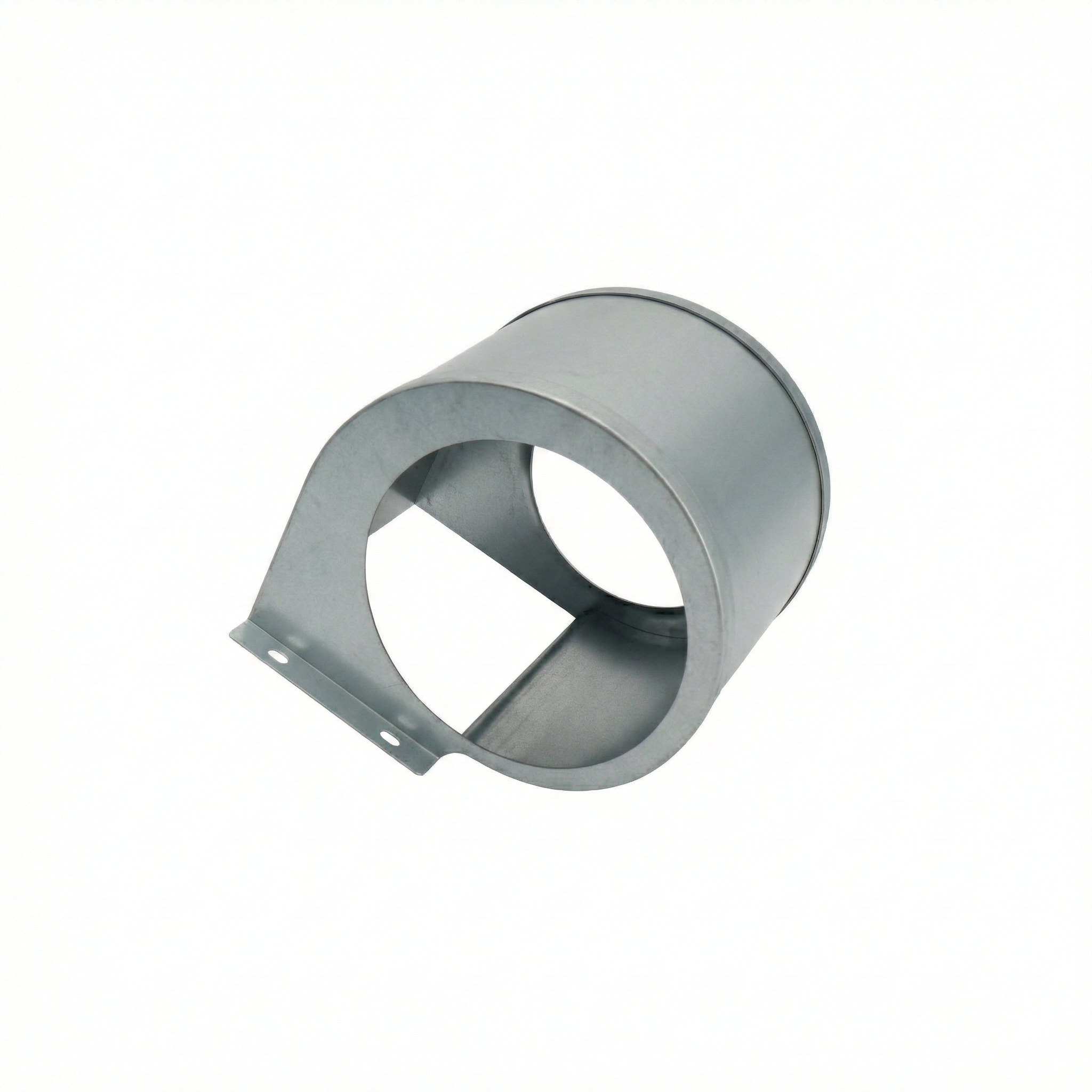
What Is Sheet Metal Assembly?
Sheet metal assembly combines fabricated metal parts with fasteners, welding, and other joining processes to create finished products. Learn the process, applications, pricing factors, and sourcing co