
 +8613003178786
  sales@lingyufab.com
Machinery Enclosures
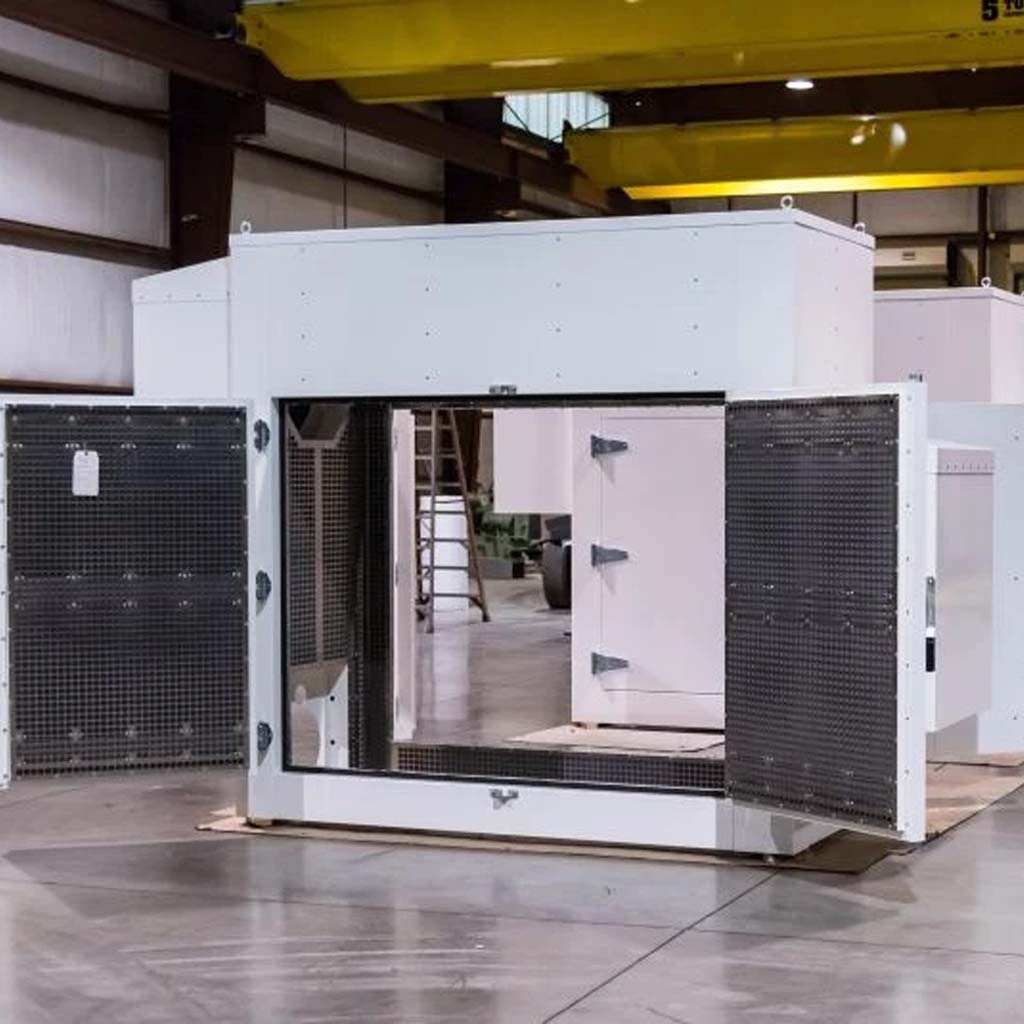
Professional Machinery Enclosure Sheet Metal Assembly Manufacturer
Machinery enclosures are protective structures that house industrial equipment, shielding it from external hazards and ensuring personnel safety. These housings range from small electronic boxes to large, room-sized cabinets or modular structures. We specialize in custom machinery enclosure fabrication, delivering precision-engineered solutions tailored to your unique requirements. Our capabilities include laser cutting, CNC bending, welding, and surface treatment. From design to final assembly, we provide end-to-end manufacturing services for industries including automation, energy, telecommunications, and medical equipment.
Leading Machinery Enclosure Sheet Metal Assembly Manufacturer
Lingyufab is a leading machinery enclosure sheet metal assembly manufacturer in China, specializing in machinery enclosure sheet metal assembly, offering end-to-end services from laser cutting and bending to complex welding and hardware integration.
Technical Specifications
Parameter | Specification |
Material | Heavy-Gauge Galvanized Steel (Superior rust protection) |
Thickness | 1.0mm - 2.0mm (Optimized for structural load-bearing) |
Tolerance | Strictly follow ISO 2768-m standard for medium precision |
Surface Finish | Outdoor-grade Powder Coating or Natural Heavy Zinc Coating |
Core Process | Heavy-Duty Stamping, Spot Welding, CNC Bending, Piercing |
HS Code Ref. | 8415.90 (HVAC Parts) / 7308.90 (Structural Bases) |
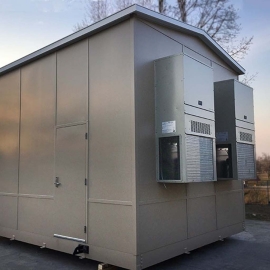
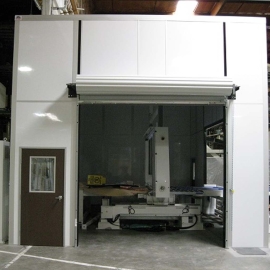
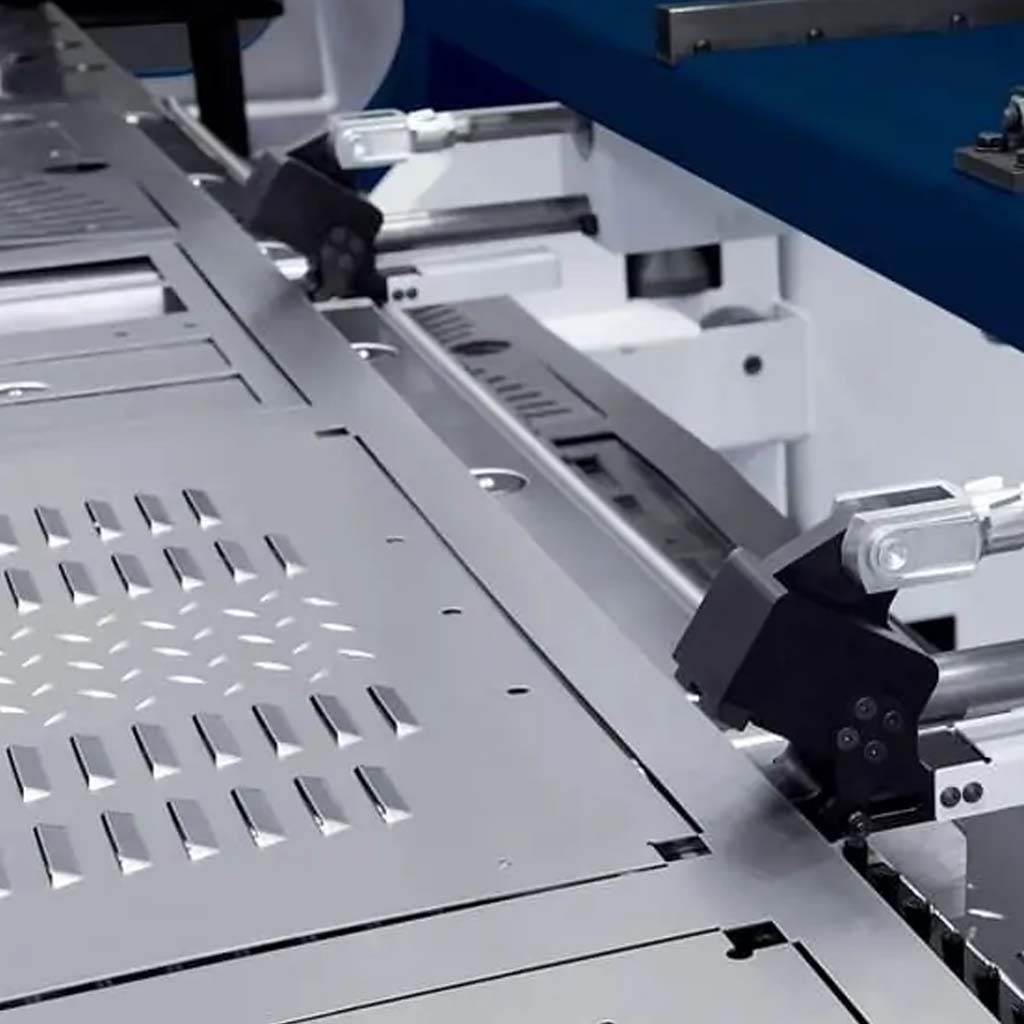
Custom Machinery Enclosure for Your Project
Key Features Environmental Protection: Rated for resistance against dust, moisture (IP or NEMA ratings), UV radiation, and corrosive chemicals. Thermal Management: Includes ventilation louvers, cooling fans, heat exchangers to prevent internal overheating. Security & Accessibility: Equipped with hinged doors, removable panels, viewing windows, and locking mechanisms for maintenance access. EMI/RFI Shielding: Metal enclosures naturally shield sensitive electronics from electromagnetic interference. Safety Barriers: Prevent accidental contact with moving parts and contain noise or flying debris.
Material Selection for Machinery Enlosure
Wall-Mount: Compact units mounted on walls or columns. Suitable for smaller control panels and junction boxes. Free-Standing / Floor-Mounted: Larger, heavy-duty structures that sit directly on the floor. For motor starters, drives, and complex PLCs. Modular Enclosures: Standardized frames that can be bayed together to expand space. For scalable automation lines and large control systems. Operator Consoles: Feature sloped fronts for mounting pushbuttons and interfaces. For Human-Machine Interface (HMI) control. Junction & Terminal Boxes: Simple rectangular boxes for housing wiring and connections.
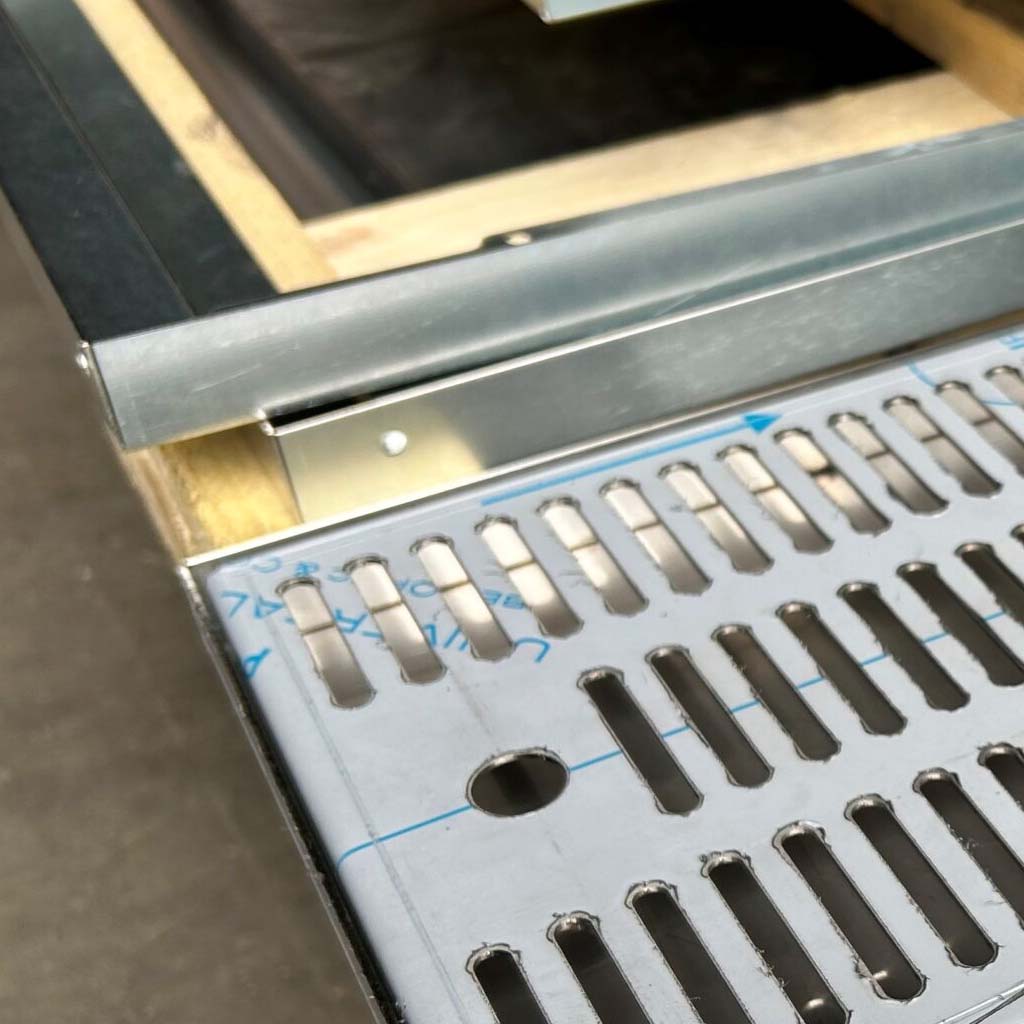
What is Machinery Enclosure?
A machinery enclosure is a protective structure that houses industrial equipment to shield it from external hazards and ensure the safety of nearby personnel. These housings range from small electronic boxes to large, room-sized cabinets or modular structures.
Key Features of Machinery Enclosure
Enclosures are designed with specific functional attributes to maintain equipment performance:
Environmental Protection: Rated for resistance against dust, moisture (IP or NEMA ratings), UV radiation, and corrosive chemicals.
Thermal Management: Includes ventilation louvers, cooling fans, heat exchangers, or full HVAC systems to prevent internal overheating.
Security & Accessibility: Equipped with hinged doors, removable panels, viewing windows, and locking mechanisms like padlocks or quarter-turn latches for maintenance access.
EMI/RFI Shielding: Metal enclosures naturally shield sensitive electronics from electromagnetic interference.
Safety Barriers: Prevent accidental contact with moving parts and contain noise or flying debris.
Types of Machinery Enclosure
| Type | Description | Typical Use Case |
|---|---|---|
| Wall-Mount | Compact units mounted on walls or columns. | Smaller control panels and junction boxes. |
| Free-Standing / Floor-Mounted | Larger, heavy-duty structures that sit directly on the floor. | Motor starters, drives, and complex PLCs. |
| Modular Enclosures | Standardized frames that can be bayed together to expand space. | Scalable automation lines and large control systems. |
| Operator Consoles | Feature sloped fronts for mounting pushbuttons and interfaces. | Human-Machine Interface (HMI) for machine control. |
| Junction & Terminal Boxes | Simple rectangular boxes for housing wiring and connections. | Distributing power or signals through a system. |
Industrial Applications of Machinery Enclosure
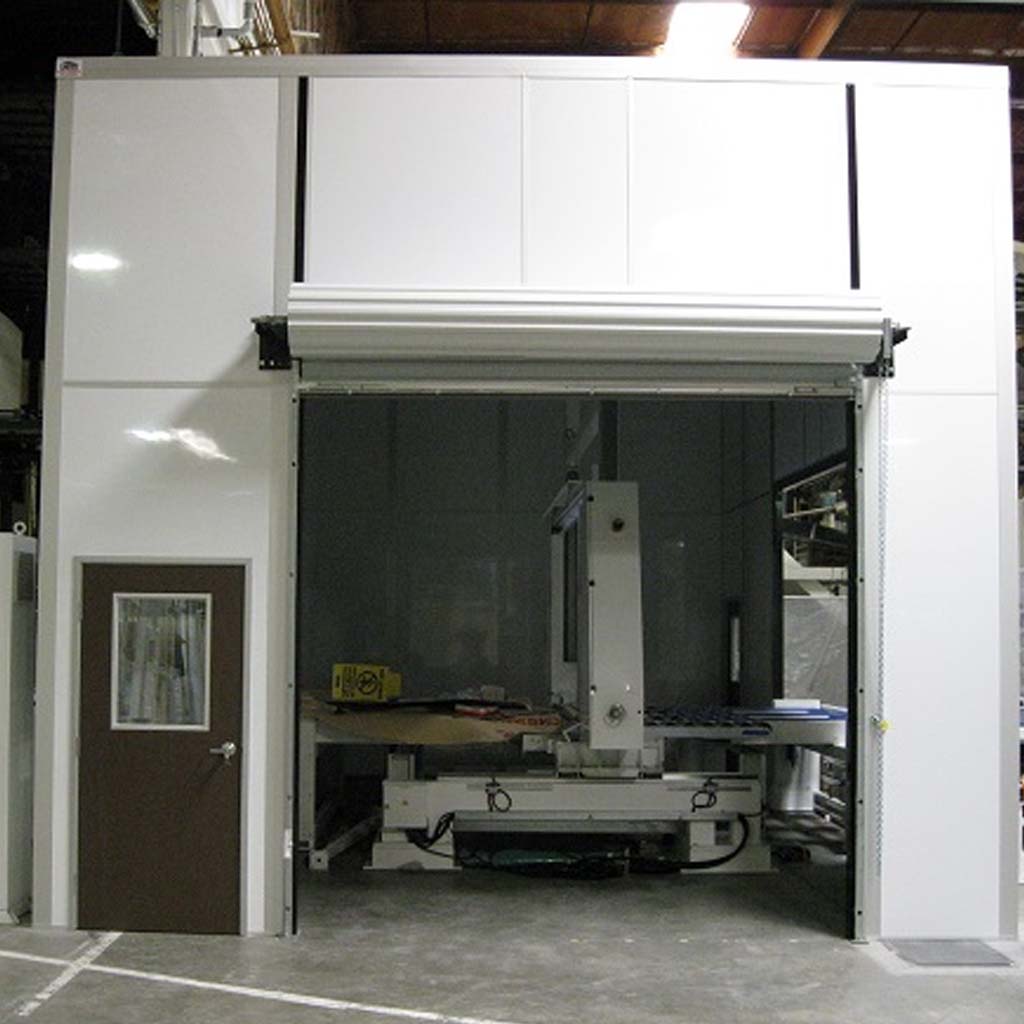
Manufacturing: Protecting automated control systems and sensitive electronics from factory floor dust and debris.
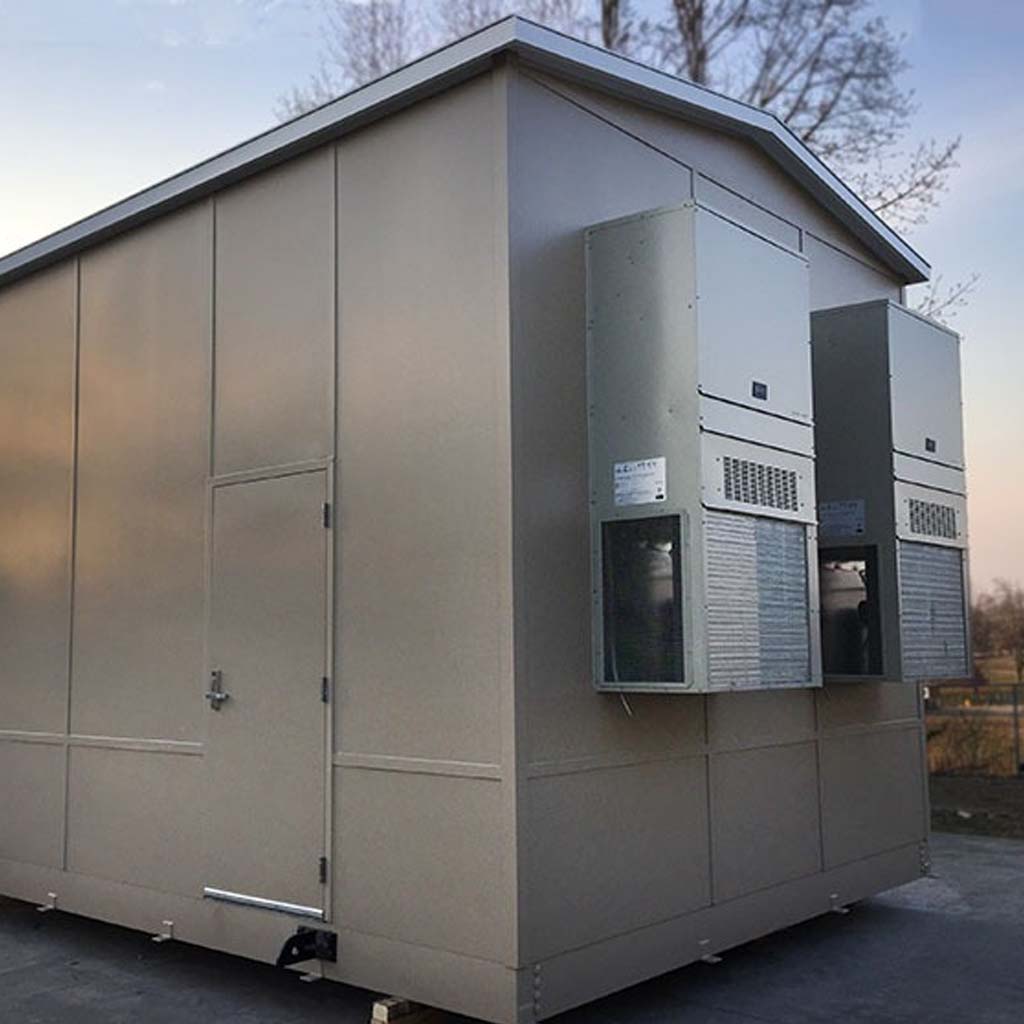
Telecommunications: Housing critical network and server equipment in IT or outdoor settings.
Energy & Utilities: Sheltering power generation and distribution components like circuit breakers and transformers.
Food & Medical: Using stainless steel enclosures to meet strict hygiene and washdown requirements.
Manufacturing Process (Sheet Metal) of Machinery Enclosure
The fabrication of a machinery enclosure typically follows these sequential steps:
Material Selection: Choosing based on environment (e.g., 316 stainless steel for marine use or aluminum for weight savings).
Cutting: Using CNC laser cutting, punching, or shearing to create the flat profile of the enclosure.
Punching: Adding holes for cable entry, ventilation slots, or hardware installation.
Bending (Forming): Utilizing CNC press brakes to transform flat sheets into 3D shapes.
Welding & Joining: Permanently bonding parts via TIG/MIG welding or mechanical fastening with rivets and screws.
Surface Treatment: Deburring, grinding, and finishing through powder coating or anodizing for corrosion resistance and aesthetics.
Final Assembly & Inspection: Installing hinges, locks, and gaskets, followed by quality checks for dimensional accuracy and weld integrity
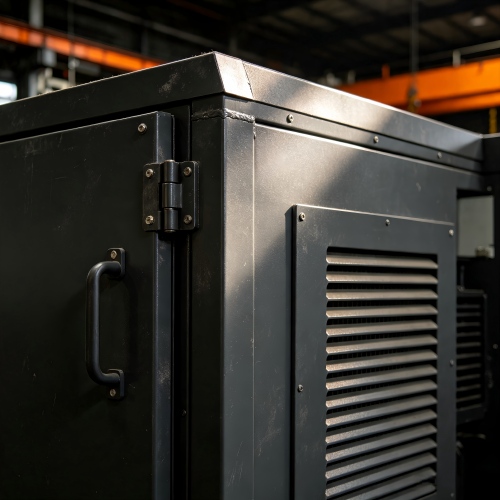
Industrial Machinery Enclosures: Custom Sheet Metal Solutions
Custom machinery enclosures for industrial equipment. Durable sheet metal solutions for harsh factory environments.
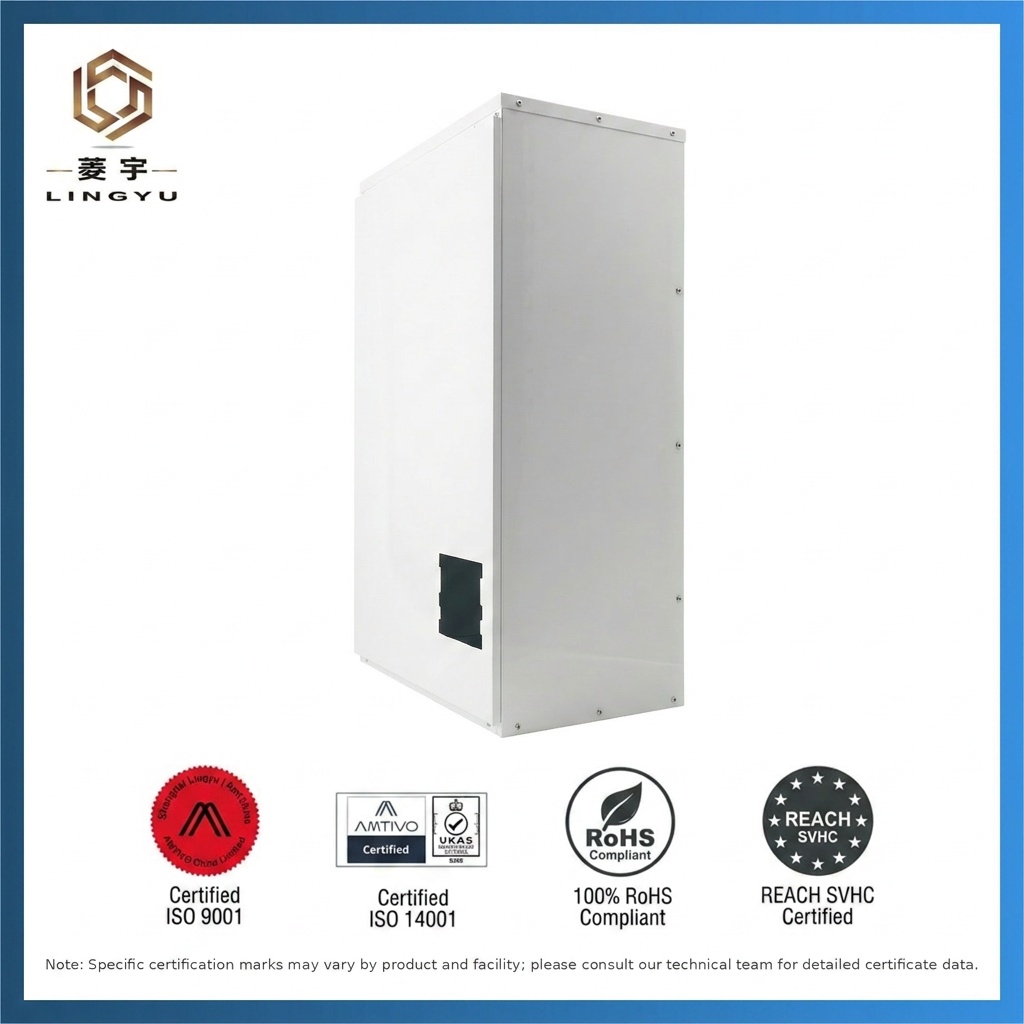
Sheet Metal Enclosure Design Guidelines for OEM Projects
A sheet metal enclosure looks simple from the outside, but small design decisions can affect cost, assembly fit, surface finish, and long-term reliability. For OEM projects, the enclosure is usually f
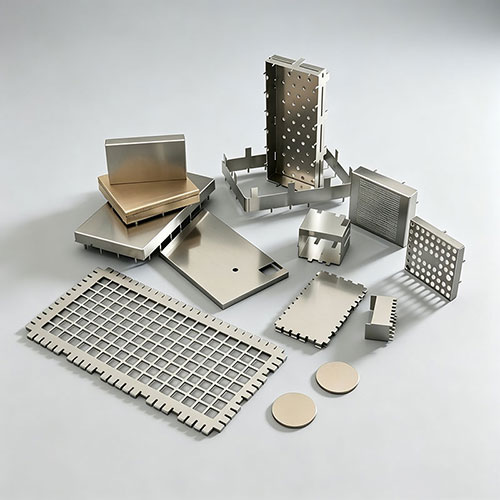
The Impact of Material Choice on Enclosure Shielding Performance
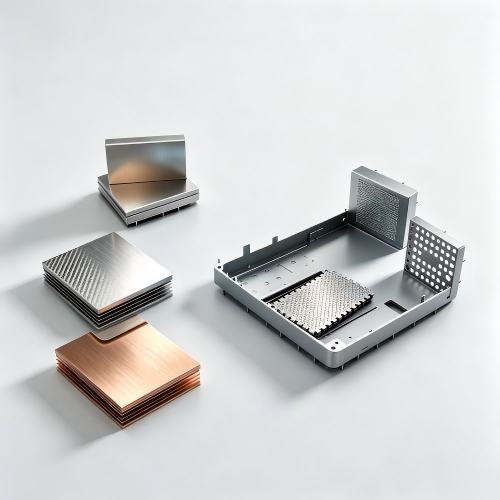
Sheet metal fabrication supplier for EMI shielding enclosures. Custom OEM parts from prototype to production.
The Role of Material Selection in Enclosure EMI Performance
EMI shielding material guide. Compare steel, aluminum, stainless. Choose the right metal for EMC compliance.