
 +8613003178786
  sales@lingyufab.com
Fasteners for Equipment Assembly
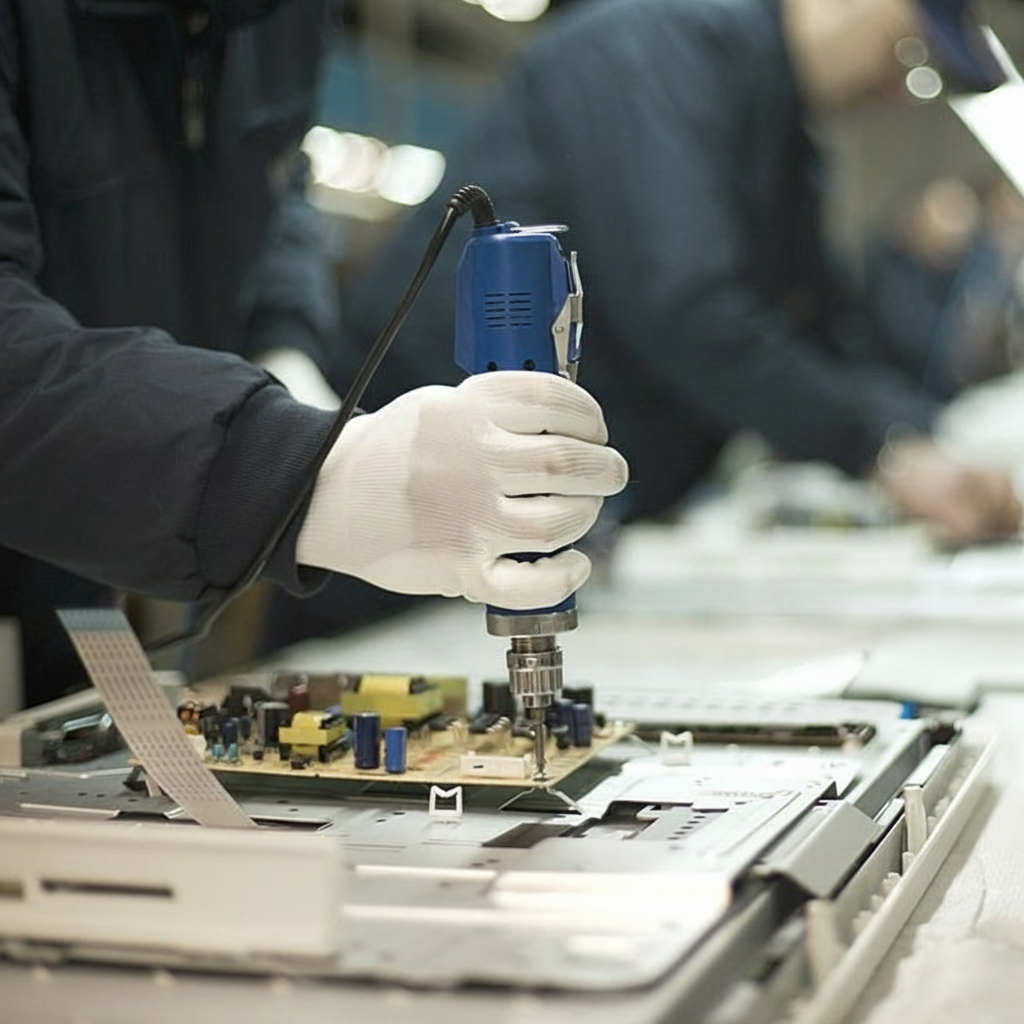
Professional Fasteners for Equipment Assembly Manufacturer
Fasteners for equipment assembly are critical components that ensure structural integrity and reliability. We specialize in manufacturing high-quality fasteners for equipment assembly, including self-clinching fasteners, self-tapping screws, and weld fasteners. Our products are widely used in sheet metal assembly, equipment manufacturing, panel installation, and sub-assembly processes. With advanced cold heading and thread rolling capabilities, we deliver precision-engineered solutions for OEM and industrial applications.
Leading fasteners for equipment assembly manufacturer
Lingyufab is a leading fasteners for equipment assembly manufacturer in China, specializing in self-clinching fasteners, self-tapping screws, and weld fasteners. We offer end-to-end services from cold heading and thread rolling to surface treatment and quality inspection.
Key Considerations for Fastener Selection
Material Compatibility: Matching fastener material to base material to prevent galvanic corrosion. Strength Requirements: Selecting appropriate strength grade based on load and stress conditions. Assembly Method: Considering automation compatibility, access restrictions, and production volume. Environmental Factors: Accounting for temperature, moisture, vibration, and chemical exposure. Maintenance Needs: Determining whether permanent or removable fastening is required.
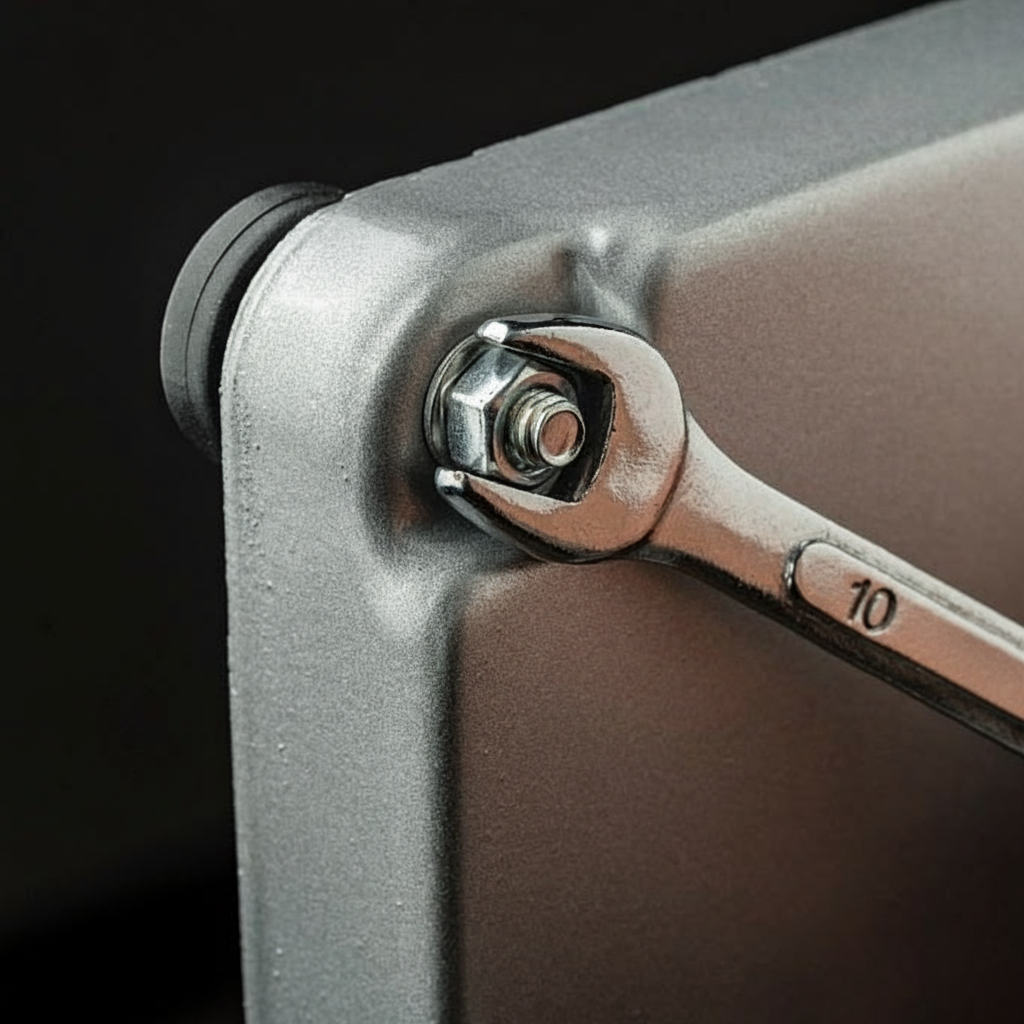
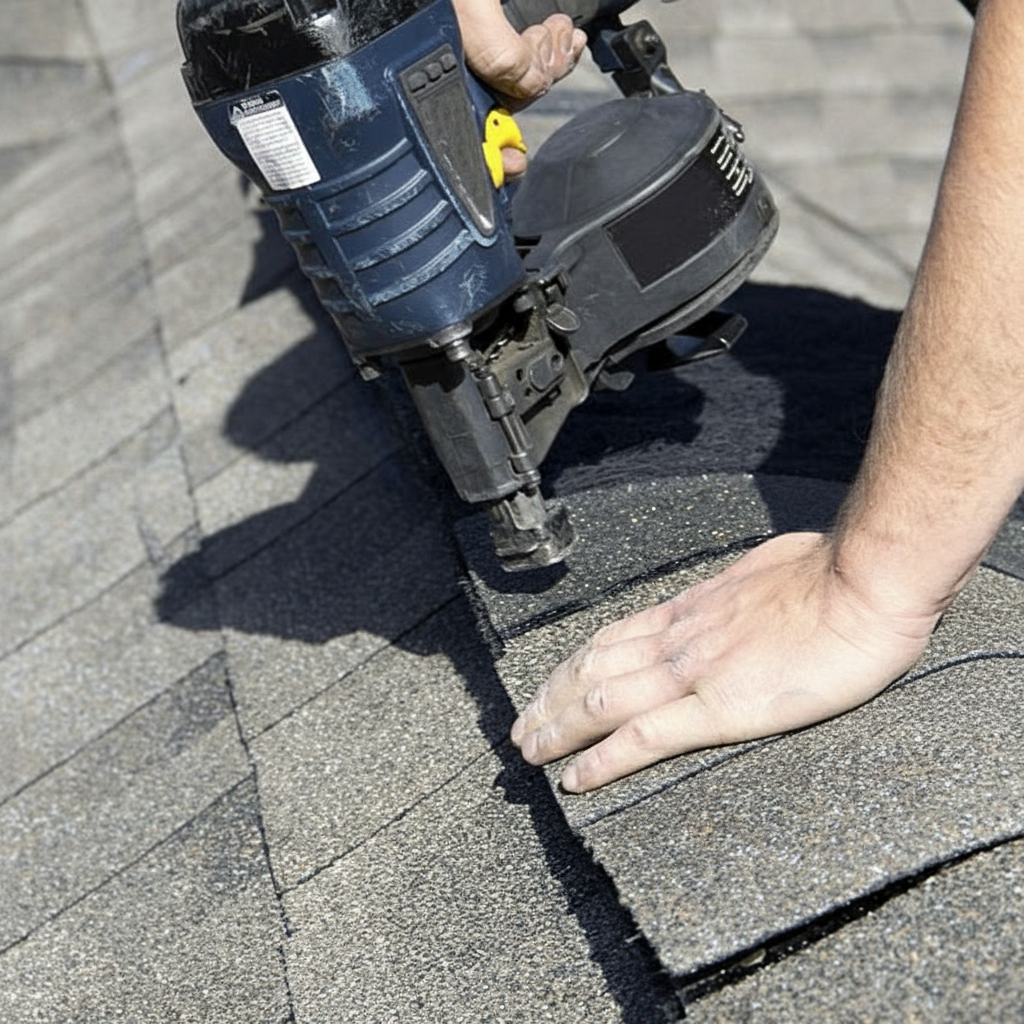
Manufacturing Capability for Fasteners Assembly
In-House Production: Our cold heading and thread rolling processes ensure consistent quality and competitive pricing. Custom Solutions: Engineering support for custom fastener specifications and special applications. Quality Control: ISO 9001 certified processes with dimensional inspection and material testing. One-Stop Service: Fastener production integrated with sheet metal fabrication and assembly services.
1. What is Fasteners for Equipment Assembly?
Fasteners for equipment assembly are critical components used to join and secure parts during manufacturing and assembly processes. These fasteners ensure structural integrity and reliability of assembled equipment.
2. Key Considerations for Fastener Selection
• Material Compatibility: Matching fastener material to base material to prevent galvanic corrosion
• Strength Requirements: Selecting appropriate strength grade based on load and stress conditions
• Assembly Method: Considering automation compatibility, access restrictions, and production volume
• Environmental Factors: Accounting for temperature, moisture, vibration, and chemical exposure
• Maintenance Needs: Determining whether permanent or removable fastening is required
3. Manufacturing Capability
• In-House Production: Cold heading and thread rolling processes for consistent quality
• Custom Solutions: Engineering support for custom fastener specifications
• Quality Control: ISO 9001 certified processes with dimensional inspection
• One-Stop Service: Fastener production integrated with sheet metal fabrication
4. Applications
• Sheet Metal Assembly: Joining fabricated metal components for enclosures and structural assemblies
• Equipment Manufacturing: Fastening motors, pumps, valves, and mechanical assemblies
• Panel Installation: Mounting electrical panels, control boxes, and access doors
• Sub-Assembly: Pre-assembled components for final product integration
5. Quality Assurance
• Material Testing: Verification of material composition and properties
• Dimensional Inspection: Precision measurement using calibrated instruments
• Performance Testing: Load testing and torque verification
• Documentation: Complete test reports and certificates for each batch
How to Choose the Right Fasteners?
Fasteners are the core of connection components. This guide introduces fastener types, standards, materials, and key selection parameters for OEM and manufacturing projects.
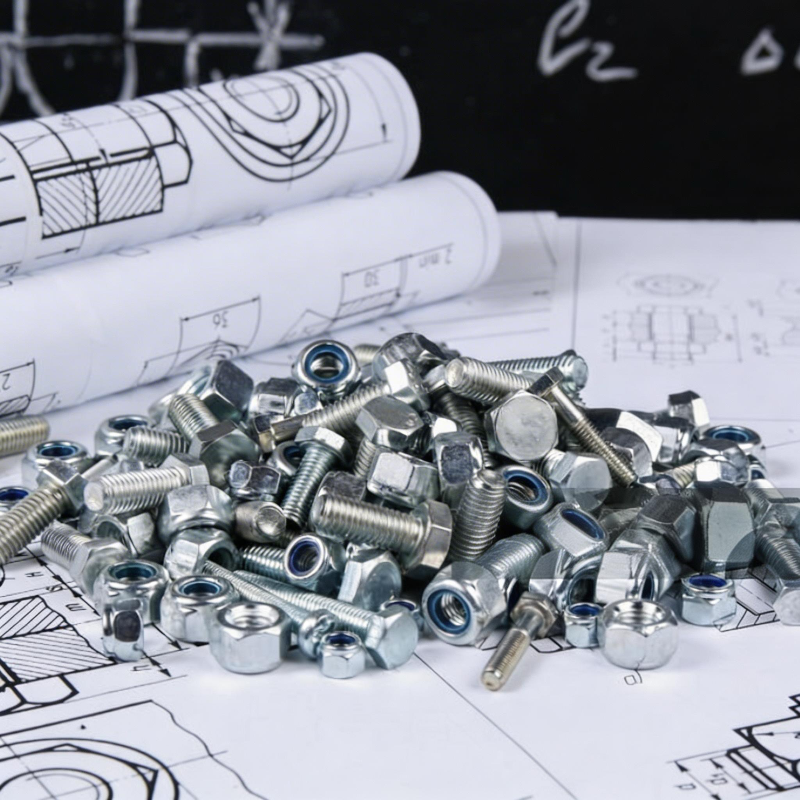
What Are Industrial Fasteners?
Industrial fasteners include bolts, screws, nuts, and washers for mechanical assembly. This article covers fastener types, materials, standards, pricing factors, and sourcing tips for OEM buyers.
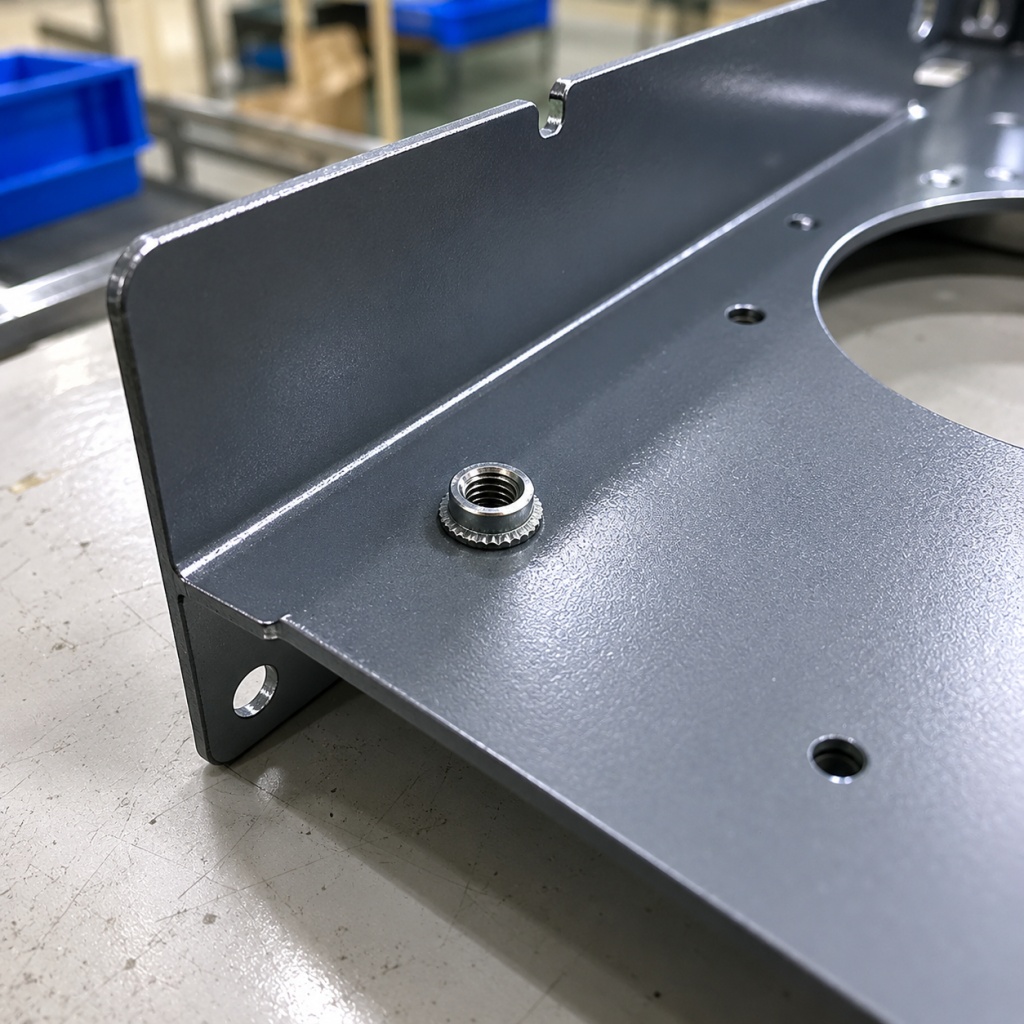
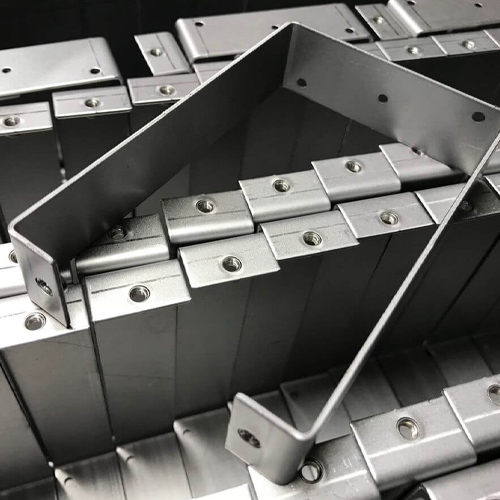
What Are Self-Clinching Fasteners for Sheet Metal Parts?
Self-clinching fasteners are specialized hardware components designed to be pressed into sheet metal to create reliable threaded or mounting points. They are widely used in enclosures, cabinets, brack
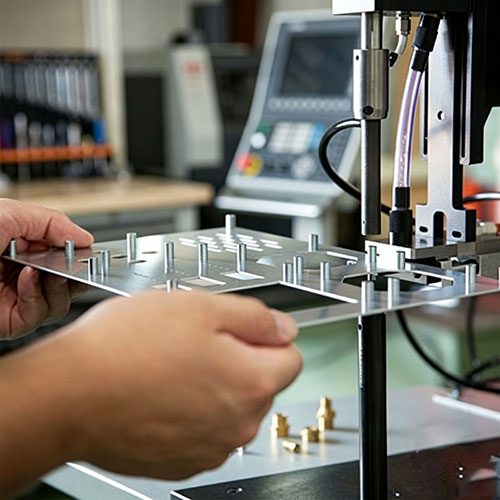
The Advantages of Self-Clinching Fasteners in Sheet Metal Fabrication
Optimize fabrication and cut costs with Lingyufab’s precision self-clinching hardware.