
 +8613003178786
  sales@lingyufab.com
Machine Guard / Safety Enclosure
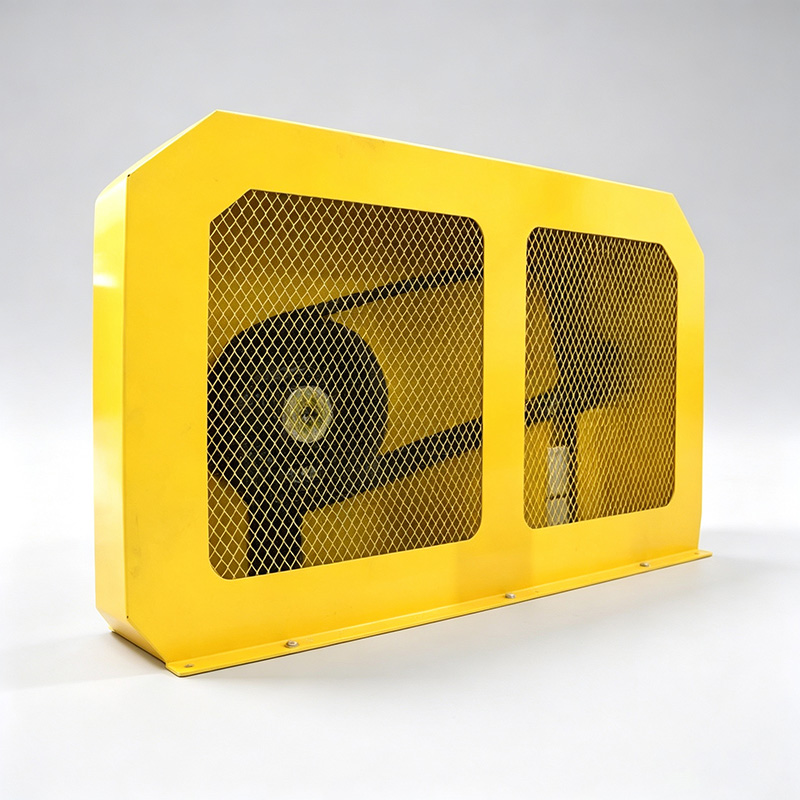
Leading Machine Guard / Safety Enclosure Manufacturer
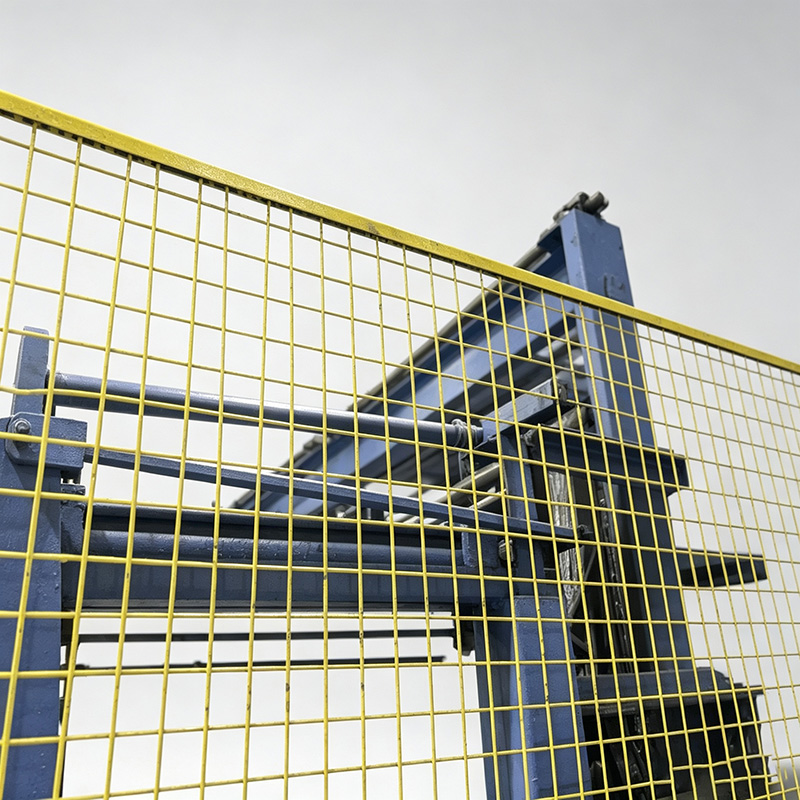
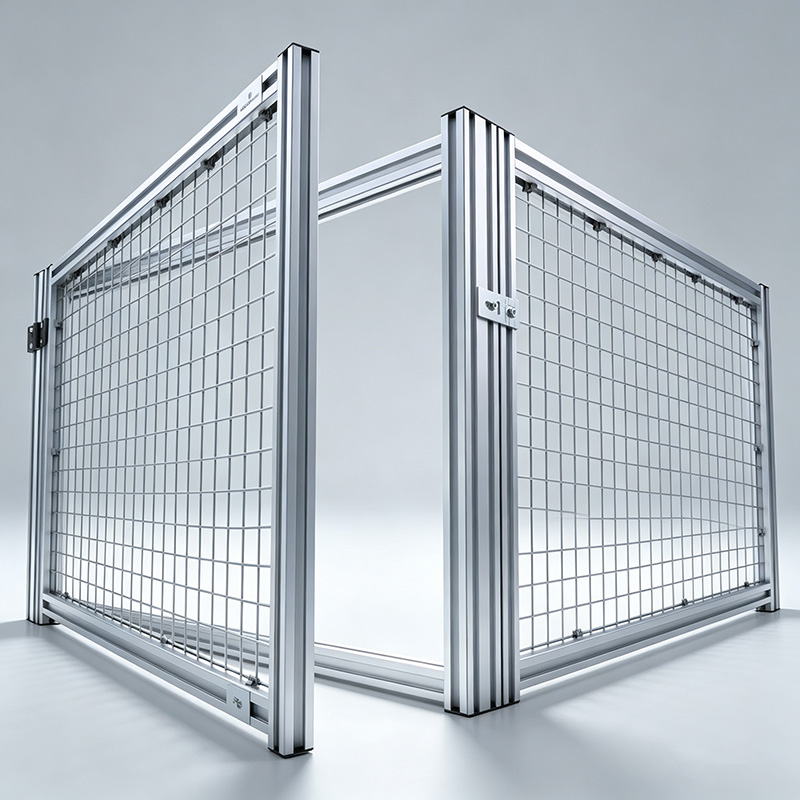
Machine guards and safety enclosures are physical barrier systems that protect operators from hazardous machinery, moving parts, and flying debris. These critical safety solutions ensure operator protection, equipment safety, and regulatory compliance across industrial environments. We specialize in custom manufacturing, offering fixed guards, interlocking guards, perimeter fencing, wire mesh panels, robotic cell enclosures, and modular fencing systems. Our capabilities include laser cutting, CNC bending, stamping, welding, powder coating, and assembly. From design to installation, we provide end-to-end services for industrial automation, robotics, packaging machinery, and material handling sectors. With over 20 years of sheet metal experience and ISO 9001:2015 certification, Lingyufab delivers reliable safety solutions that meet ISO 13857 and OSHA standards.
As a China-based manufacturer located in Shanghai, Lingyufab leverages the region's robust supply chain and skilled workforce to produce high-quality machine guards and safety enclosures at competitive prices. We adhere to ISO 9001:2015 quality management system. Our in-house production eliminates outsourcing costs, delivering 15 to 20 percent cost savings to customers. We support 1-piece samples, 100-piece pilot runs, and high-volume mass production with monthly output exceeding 5,000 units.
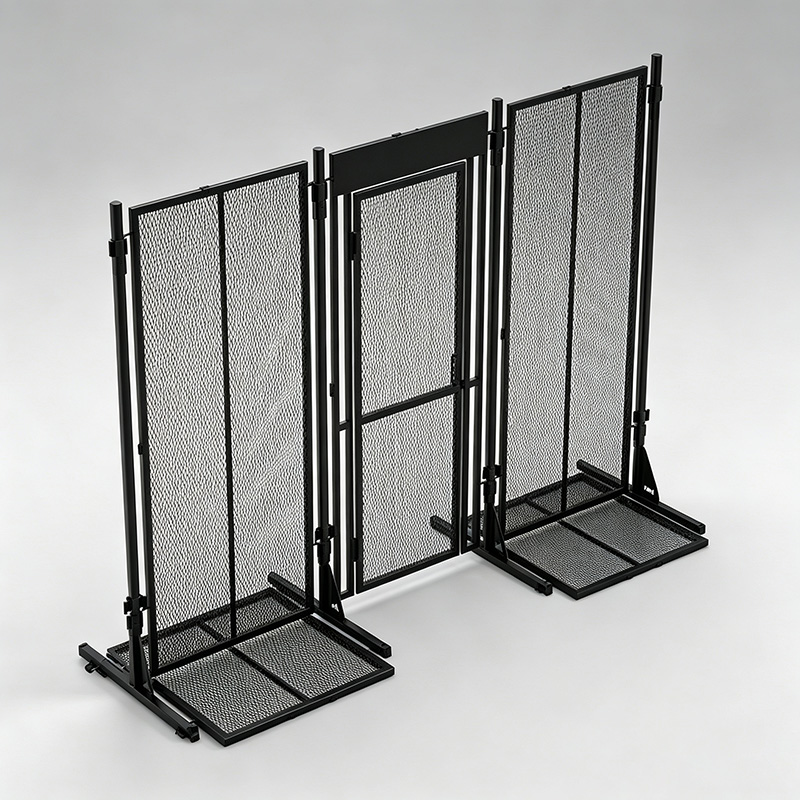
Our machine guards and safety enclosures are engineered to precise specifications. Materials include carbon steel, stainless steel (304 and 316), and aluminum profiles. Standard panel heights range from 1000mm to 2660mm, with widths from 200mm to 1500mm. Mesh panels feature 20×100mm openings with 3mm wire diameter, and allow impact energy up to 750J. Perforated steel sheet options include 2.0mm to 4.0mm thickness with hole diameters from 8mm to 20mm for ventilation and visibility. Surface finishing options include powder coating with any RAL color, electrostatic coating, anodizing, and zinc plating available upon request. Compliance with ISO 13857 (safety distances) and ISO 13855 (positioning of safeguards) is standard.
Lingyufab specializes in producing custom machine guard and safety enclosure parts including fixed machine guards, interlocking guards with safety sensors, perimeter fencing systems, wire mesh panels, perforated metal sheets, aluminum profile frames, robotic cell enclosures, access doors (swinging, sliding, and bifold), and modular fencing systems. Each part is tailored to your specific machine configuration, safety requirements, and facility layout. Our engineering team provides upfront technical support, including safety distance calculations, design optimization, hazard analysis, and cost-reduction recommendations. We support reverse engineering services. If you have a physical sample without drawings, we can 3D scan, model, and generate production-ready engineering prints. Whether you need a single prototype or thousands of units, we deliver consistent quality with zero MOQ for prototyping stages.
What truly sets Lingyufab apart is our ability to integrate the full spectrum of sheet metal processes, including laser cutting, CNC bending, stamping, welding, powder coating, and assembly, into a seamless manufacturing workflow for machine guards and safety enclosures. Rather than outsourcing individual steps to multiple vendors, we manage everything in-house, ensuring tighter quality control, faster lead times, and consistent communication throughout the entire production cycle. Our structural frames and panel systems are designed for quick assembly—no welding required on site—using bolt-together modular construction. With our in-house fastener manufacturing, we can pre-install hinges, handles, latches, mounting brackets, and anchoring hardware directly onto your guards and enclosures, eliminating external sourcing and reducing installation time on your end. The result is a streamlined, cost-effective solution that provides reliable operator protection, equipment safety, and regulatory compliance in demanding industrial environments.
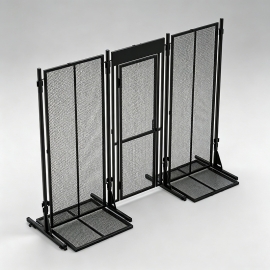
Features of Machine Guard / Safety Enclosure
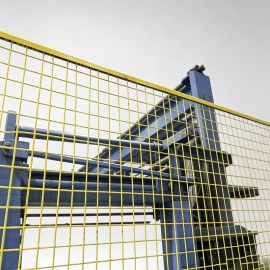
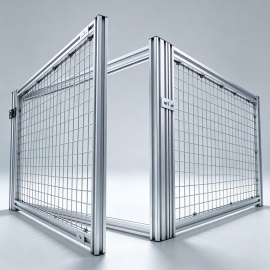
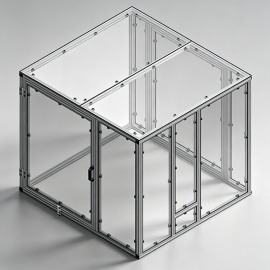
Machine guards and safety enclosures offer robust physical protection with several key features. They are constructed from durable materials including carbon steel, stainless steel (304 and 316), and aluminum profiles, providing high impact resistance and structural strength. Standard features include powder coating with any RAL color for corrosion resistance, mesh panels with 20×100mm openings for visibility and ventilation, and compliance with ISO 13857 safety distance standards. Options include interlocking guards with safety sensors, perforated steel sheets for enhanced visibility, modular bolt-together designs for quick installation, and pre-installed hinges, handles, and mounting hardware. Full material traceability with Mill Test Certificates (MTC) for every batch.
Applications of Machine Guard / Safety Enclosure
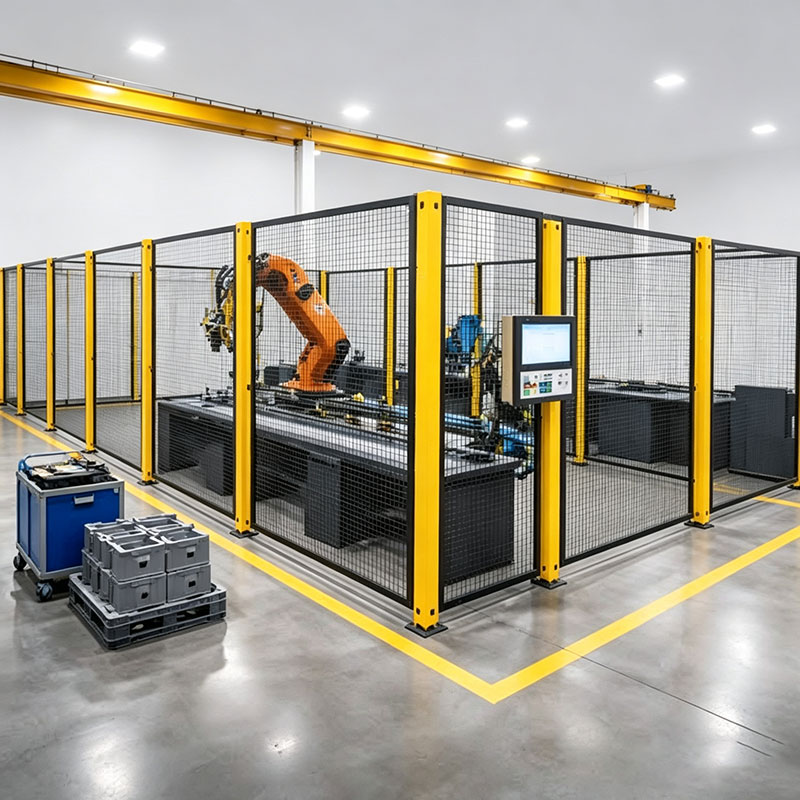
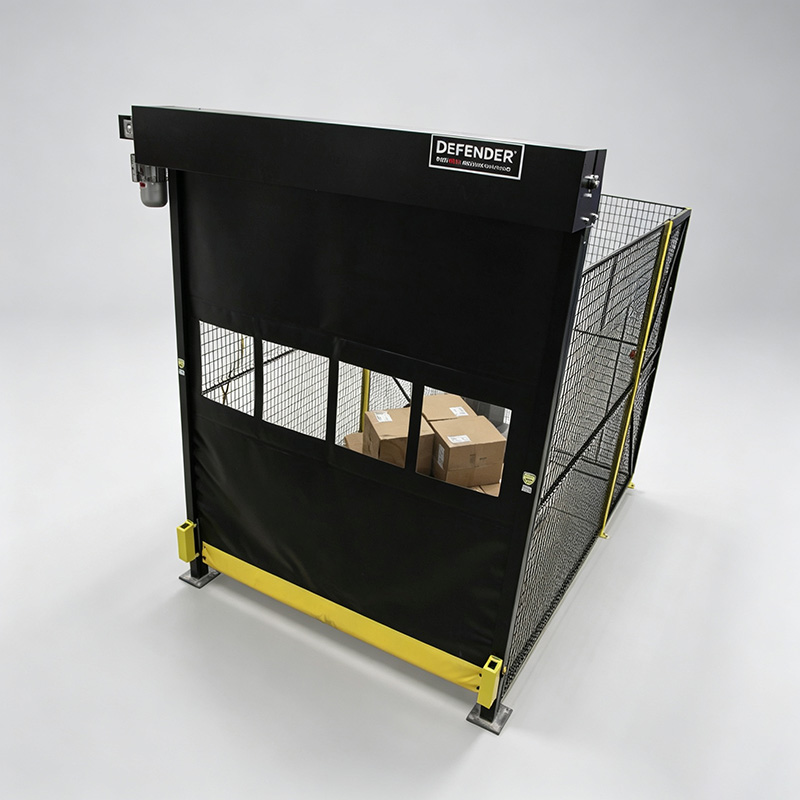
Our machine guards and safety enclosures are widely deployed in industrial automation for robotic cell protection, packaging machinery for conveyor guarding, material handling for pedestrian safety, and manufacturing for securing stamping presses and CNC machines. They provide essential operator protection, equipment safety, and regulatory compliance in demanding industrial environments. Lingyufab supports 1-piece prototyping, 100-piece pilot runs, and high-volume mass production with monthly delivery exceeding 5,000 units.
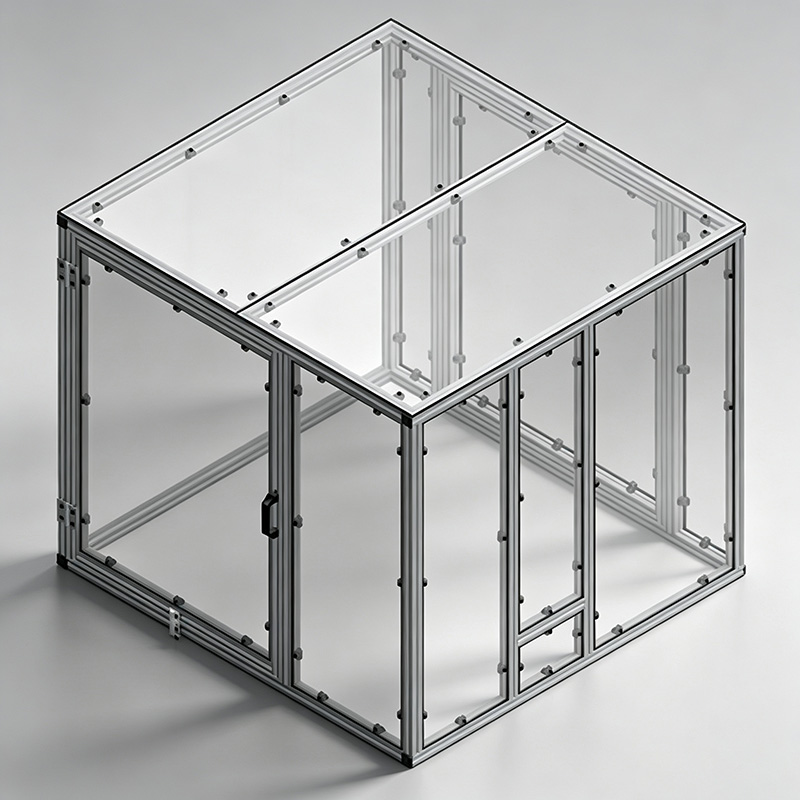
A machine guard is a physical barrier that protects operators from hazardous machinery, moving parts, flying debris, sparks, and other workplace dangers. A safety enclosure is a fully enclosed structure that completely surrounds a machine or robotic cell, creating a secure isolation zone between personnel and automated equipment.
These safety solutions are essential in industrial environments where operators work near heavy machinery, robots, conveyors, and stamping presses. They prevent injuries, reduce liability, ensure compliance with safety regulations, and maintain a safe, efficient production environment.
Machine guards can be fixed, adjustable, or interlocking. Safety enclosures are typically modular structures made from sheet metal, wire mesh, or aluminum profiles, and can be designed with access doors, safety sensors, and light curtains.
Industrial Automation: Protecting operators near robotic cells and automated assembly lines.
Packaging Machinery: Guarding conveyors, sealing equipment, and palletizing systems.
Material Handling: Creating pedestrian walkways and protecting personnel near conveyor transfer points.
Manufacturing: Securing stamping presses, CNC machining centers, and welding stations.
Logistics and Warehousing: Creating storage boundaries and protected work zones.
Lingyufab supports 1-piece prototyping, 100-piece pilot runs, and high-volume mass production with monthly delivery exceeding 5,000 units.
When integrating machine guards and safety enclosures into your sheet metal assembly, consider the following guidelines:
Sheet metal thickness typically ranges from 1.5mm to 4.0mm for panel components. Frame profiles vary based on structural requirements.
Precision is critical for machine guards and safety enclosures to ensure proper fit, alignment, and safety compliance. Lingyufab maintains the following accuracy standards:
These standards are maintained through advanced laser cutting, CNC bending, and welding equipment, combined with rigorous in-process inspection and final quality control checks.
Lingyufab implements a comprehensive quality control system for machine guards and safety enclosures:
Machine guards and safety enclosures can be fabricated into various configurations to suit different protection needs:
Lingyufab (Shanghai Lingyu Industrial Co., Ltd.), established in 2003, is a leading machine guard and safety enclosure manufacturer with over 20 years of precision sheet metal fabrication experience. As a Mitsubishi Electric certified core supplier adhering to Japanese quality standards, we combine advanced laser cutting, CNC bending, stamping, welding, powder coating, and assembly to produce high-quality safety solutions for industrial applications.
Our ISO 9001:2015 certified facility in Shanghai offers end-to-end services from design assistance to mass production. We support 1-piece prototyping for design validation, 100-piece pilot runs for testing, and high-volume mass production with monthly output exceeding 5,000 units. Backed by in-house fastener manufacturing, we can pre-install hinges, handles, latches, and mounting hardware directly onto your guards and enclosures, streamlining your supply chain and reducing installation time.
With competitive pricing, 15-20% cost savings through in-house production, and full material traceability with MTC for every batch, Lingyufab delivers reliable, cost-effective safety solutions that meet ISO 13857 and OSHA standards for industrial automation, robotics, packaging machinery, and material handling sectors worldwide.
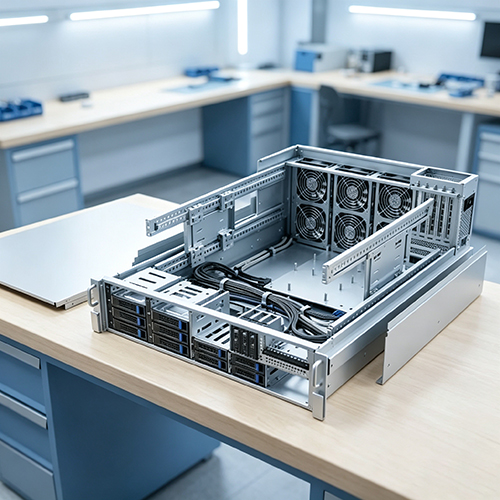
The Critical Role of Precision Sheet Metal in Server and Networking Chassis Manufacturing
Precision sheet metal for server and networking chassis manufacturing.
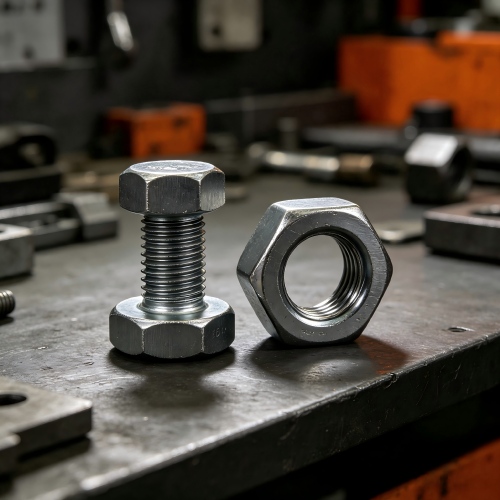
Hex Flange Bolts for Sheet Metal Enclosures
Hex flange bolts and nuts for sheet metal enclosures. Vibration-resistant, wide flange design for thin panels.
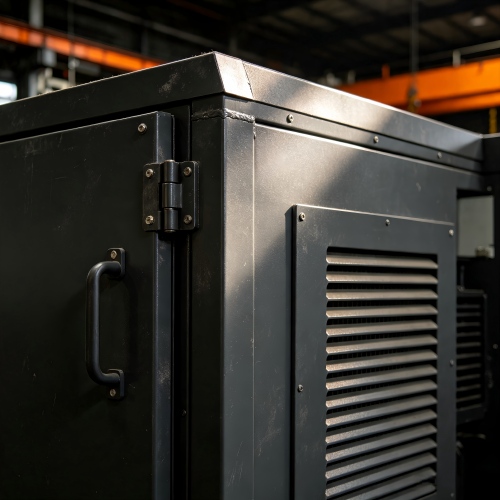
Industrial Machinery Enclosures: Custom Sheet Metal Solutions
Custom machinery enclosures for industrial equipment. Durable sheet metal solutions for harsh factory environments.
Sheet Metal Enclosure Design Guidelines for OEM Projects
A sheet metal enclosure looks simple from the outside, but small design decisions can affect cost, assembly fit, surface finish, and long-term reliability. For OEM projects, the enclosure is usually f