
 +8613003178786
 sales@lingyufab.com
Prevent Spin-Out With Integrated Sheet Metal Fasteners
Diagnosing Fastener Spin-Out in Sheet Metal Assemblies
When a self-clinching fastener spins in its mounting hole, it signifies a critical failure in the assembly process. This loss of torque resistance compromises the mechanical integrity of the entire product, whether it's an industrial enclosure, a server rack, or an automotive component. The problem isn't just a loose screw; it's a failure of the cold-flow process where the sheet metal should have been permanently displaced into the fastener's clinching ring. A successful fastener and sheet metal integrated design depends on this permanent, non-rotational bond.
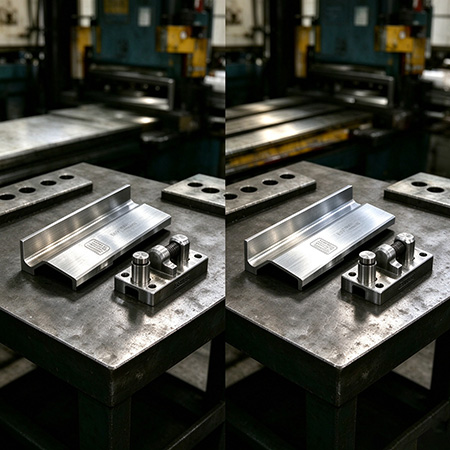
The immediate goal is to systematically identify the root cause. Failures like spin-out, pull-through, or incorrect seating rarely happen without a reason. The cause typically lies in one of four areas: material properties, hole preparation, installation equipment, or process parameters. By methodically investigating each, you can move from identifying a symptom to implementing a permanent solution. This diagnostic approach is essential for ensuring the reliability of high-volume Sheet Metal Assemblies and preventing costly rework or field failures.
Initial On-Site Checks: A 4-Point Verification Checklist
Before adjusting machinery or blaming tooling, start with the most accessible variables. A quick on-site inspection can often reveal the source of the problem. Use this checklist to conduct preliminary checks directly on your production floor.
Production Floor Diagnostic Checklist
1. Material and Fastener Verification:
Sheet Metal: Confirm the material grade and hardness (Rockwell scale) match the engineering drawing. A common error is using a sheet material that is too hard for the fastener, which prevents proper metal displacement. For example, a standard steel clinch nut will fail to install correctly in a hardened stainless steel sheet.
Fastener: Is it the correct part number? Visually inspect a sample for defects, inconsistent plating, or damage to the clinching ring or knurls. Ensure the fastener material is significantly harder than the host sheet metal.
2. Hole Inspection:
Diameter and Tolerance: Use calibrated pin gauges or calipers to measure the mounting hole's diameter. Is it within the fastener manufacturer's specified tolerance? An oversized hole is a primary cause of spin-out. At Lingyufab, we maintain hole tolerances down to ±0.05mm to prevent such issues.
Quality: Is the hole perfectly round and free of burrs? A punched hole with excessive breakout or a laser-cut hole with a large taper can interfere with the clinching process.
3. Press and Tooling Inspection:
Alignment: Check that the installation press punch and anvil are concentric and perpendicular to the sheet metal surface. Misalignment is a leading cause of tilted fasteners and uneven clinching.
Tooling Condition: Inspect the punch and anvil for wear or damage. A worn anvil may not provide adequate support, leading to sheet deformation. Ensure the correct anvil type (e.g., flat vs. recessed) is being used for the specific fastener.
4. Process Documentation Review:
Recent Changes: Have press settings, such as force or dwell time, been adjusted recently? Has a new operator been assigned to the process? Cross-reference the current settings with the established process control plan.
A Systematic Guide to Preventing Installation Failures
Understanding the relationship between installation parameters and common failure modes is key to prevention. Spin-out, pull-through, and tilted hardware are all symptoms of a mismatched process. The following table provides a diagnostic framework to connect observable symptoms with their likely causes and corrective actions.
| Failure Mode | Primary Cause & Observable Symptom | Corrective Action & Prevention |
|---|---|---|
| Fastener Spin-Out | Cause: Insufficient sheet material flow into the fastener's knurled clinching ring. Symptom: The fastener rotates in its hole when torque is applied. |
|
| Pull-Through | Cause: Excessive installation force, or the sheet material is too soft/thin. Symptom: The fastener is pushed completely through the mounting hole during installation. |
|
| Tilted or Canted Fastener | Cause: Misaligned tooling or off-center force application. Symptom: The fastener head is not parallel to the sheet surface after installation. |
|
| Sheet Buckling/Deformation | Cause: Excessive force, improper support, or fastener installed too close to an edge or bend. Symptom: The sheet material around the fastener is warped, bowed, or distorted. |
|
How Vertical Integration Improves Fastener Reliability
Sourcing sheet metal fabrication and fastener installation from different vendors introduces variables that can lead to quality issues. A fabricator might deliver a part with hole sizes at the high end of the tolerance, while a separate fastener supplier provides hardware at the low end. This tolerance stack-up is a classic recipe for spin-out. When a failure occurs, it can be difficult to determine accountability.
A vertically integrated manufacturing partner eliminates these risks. At Lingyufab, our in-house capabilities cover the entire production lifecycle, from raw material preparation to final assembly. By controlling every step, we ensure complete compatibility between the sheet metal part and the installed hardware.
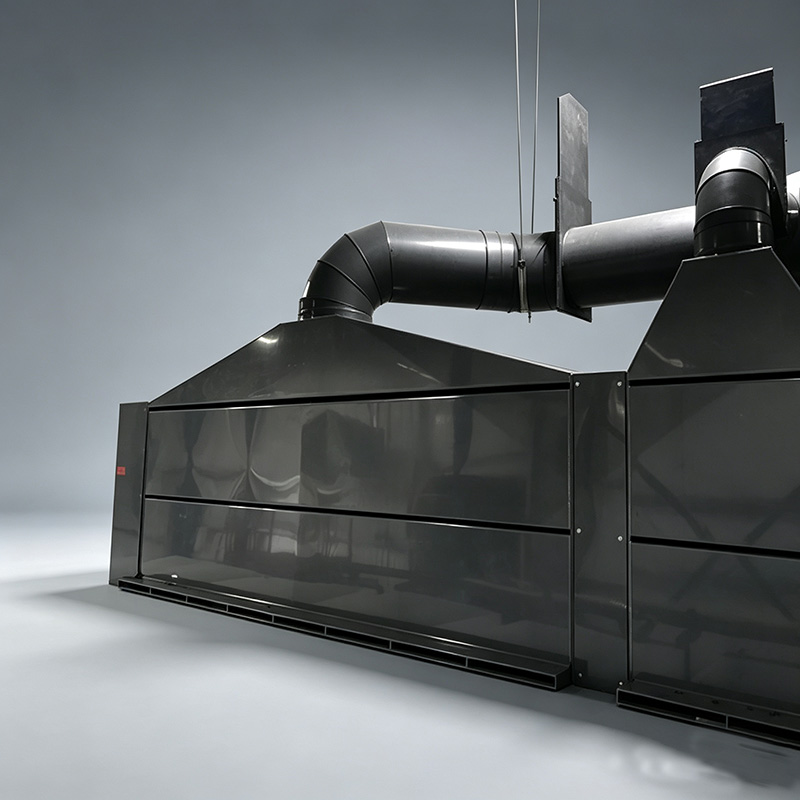
This single-source responsibility provides several advantages:
Process Control: We manage everything from Precision Sheet Metal Laser Cutting Services to the final press settings for fastener installation. This guarantees that hole dimensions, material hardness, and installation forces are perfectly matched.
Reduced Costs: Our integrated model eliminates the markups, communication delays, and logistical costs associated with managing multiple suppliers. This consolidation typically reduces overall project costs by 15-20%.
Guaranteed Quality: As an ISO 9001:2015 certified manufacturer and a core supplier for Mitsubishi Electric, we follow strict Japanese quality standards. Every batch comes with full material traceability (MTC), and we perform 100% dimensional and visual inspections before shipment.
Proactive Prevention: DFM and Prototyping
The most effective way to prevent installation failures is to design them out from the start. Design for Manufacturing (DFM) is a critical practice where potential fabrication and assembly issues are identified and resolved during the design phase. This is where deep technical expertise becomes invaluable.
Our engineering team, led by Chief Engineering Manager David Chen, specializes in DFM for complex assemblies. With over 15 years of experience in precision fabrication, we can review your drawings to ensure that fastener selections are appropriate for the material, hole locations respect minimum edge distances, and tolerances are optimized for both performance and manufacturability.
The prototyping stage is the ideal time to validate these design choices. We support this critical R&D phase with a zero MOQ for prototyping. Whether you need a single piece to test a concept or a 100-piece pilot run to validate your assembly line, we apply the same rigor and quality control as we do for mass production. Our typical 7-10 day turnaround for samples allows you to quickly iterate and confirm that your fastener integration strategy is sound before committing to high-volume manufacturing. Exploring options with a Leading Sheet Metal Prototyping Manufacturer is the surest way to de-risk your project.

About the Author
David Chen is the Chief Engineering Manager at Lingyufab. With over 15 years of experience in precision sheet metal fabrication and CNC machining, he specializes in DFM (Design for Manufacturing) and complex assembly solutions, holding over 20 patents in the field.
If you are facing challenges with fastener integration or want to optimize your design for reliable, cost-effective manufacturing, submit your technical drawings to our engineering team for a complimentary DFM review.