
 +8613003178786
  sales@lingyufab.com
Raw Material Preparation

Sheet Metal Raw Material Preparation
At Lingyufab, raw material preparation is the critical first step in ensuring structural integrity and dimensional accuracy. We inspect incoming metal coils, sheets, and plates for thickness consistency, surface defects, and chemical composition compliance before releasing them to the shop floor. Proper storage and staging prevent contamination and oxidation, laying a flawless foundation for subsequent laser cutting and forming operations.
Sheet Metal Fabrication in China
Leveraging advanced machinery and skilled engineering teams in China, Lingyufab offers cost-effective, high-precision sheet metal fabrication for international B2B clients across diverse industrial sectors. Our robust manufacturing ecosystem allows us to handle complex geometries, tight tolerances, and high-volume production runs with ease.
Techspecs of Sheet Metal Raw Materials
| Parameter | Specification Details |
|---|---|
| Thickness Range | 0.5 mm to 20 mm for standard sheet and plate materials. |
| Dimensional Tolerance | Precision cutting tolerances maintained within plus or minus 0.1 mm. |
| Surface Condition | Clean, scale-free surfaces ready for immediate forming or coating. |
| Mechanical Properties | Certified tensile strength and elongation matching international mill test reports. |
| Traceability | Full material lot tracking from raw stock receipt to final shipped components. |
Sheet Metal Material Techspecs
| Category | Technical Parameters / Grades |
|---|---|
| Carbon Steel Grades | Q235, SPCC, SGCC, and ASTM A1011. |
| Stainless Steel Grades | 304, 316, 316L, and 430 variants. |
| Aluminum Alloy Grades | 5052, 6061, and 1060 series. |
| Density Range | 2.7 g/cm3 for aluminum to 7.85 g/cm3 for steel. |
| Hardness Options | Ranging from fully annealed soft tempers for deep drawing to hardened tempers for structural rigidity. |
Material Standards for Sheet Metal
Lingyufab strictly adheres to globally recognized material standards to ensure international compatibility and reliability. We routinely source and process materials compliant with ASTM, AISI, DIN, JIS, and GB standards, ensuring full traceability and certified metallurgical properties for every component we manufacture.


Applications of Sheet Metal Materials
Sheet metal components are ubiquitous across modern engineering. Lingyufab's fabricated parts are deployed in server racks, telecommunication enclosures, medical device housings, automotive chassis brackets, industrial machinery panels, and architectural fixtures where durability, lightweight construction, and precision fit are mandatory.
Sheet Metal Raw Material Preparation
Lingyufab provides precise and professional sheet metal raw material preparation services, ensuring that every blanking, shearing, and nesting operation meets strict dimensional tolerances. Proper material preparation minimizes scrap rates and establishes a stable foundation for subsequent press brake forming and welding processes.
One Stop Sheet Metal Manufacturing Service
As your comprehensive manufacturing partner, Lingyufab delivers an end-to-end sheet metal solution covering custom cutting, CNC punching, laser cutting, stamping, bending, welding, and surface finishing under one roof. Streamlining your supply chain with our integrated service ensures strict quality control and faster lead times from prototype to mass production.
Sheet Metal Fabrication in China
Leveraging advanced machinery and skilled engineering teams in China, Lingyufab offers cost-effective, high-precision sheet metal fabrication for international B2B clients across diverse industrial sectors. Our robust manufacturing ecosystem allows us to handle complex geometries, tight tolerances, and high-volume production runs with ease.
Techspecs of Sheet Metal Raw Materials
| Parameter | Specification Details |
|---|---|
| Thickness Range | 0.5 mm to 20 mm for standard sheet and plate materials. |
| Dimensional Tolerance | Precision cutting tolerances maintained within plus or minus 0.1 mm. |
| Surface Condition | Clean, scale-free surfaces ready for immediate forming or coating. |
| Mechanical Properties | Certified tensile strength and elongation matching international mill test reports. |
| Traceability | Full material lot tracking from raw stock receipt to final shipped components. |
Material Standards for Sheet Metal
Our material selection strictly adheres to globally recognized benchmarks, including ASTM, AISI, DIN, JIS, and GB standards. This compliance guarantees uniform chemical composition, mechanical reliability, and seamless interchangeability for global engineering designs.
Applications of Sheet Metal Materials
Sheet metal components fabricated by Lingyufab are widely deployed in telecommunications enclosures, electronic chassis, medical equipment housings, automotive brackets, and industrial machinery panels. These materials offer an optimal balance of structural strength, weight reduction, and corrosion resistance.
Sheet Metal Material Guide
Navigating the vast array of available sheet metal options requires careful evaluation of mechanical demands and environmental constraints. This guide helps engineers compare material grades to optimize part performance and manufacturing cost.
Types of Sheet Metal Materials
Carbon Steel: Cost-effective and durable, ideal for structural brackets and general industrial enclosures.
Stainless Steel: Provides exceptional corrosion resistance and a clean aesthetic for medical and food-grade applications.
Aluminum Alloy: Lightweight with a high strength-to-weight ratio, commonly used in aerospace and electronics.
Galvanized Steel: Coated with a protective zinc layer to prevent rust in humid or outdoor environments.
Copper and Brass: Selected for specialized electrical conductivity and decorative architectural finishes.
Sheet Metal Material Techspecs
| Category | Technical Parameters / Grades |
|---|---|
| Carbon Steel Grades | Q235, SPCC, SGCC, and ASTM A1011. |
| Stainless Steel Grades | 304, 316, 316L, and 430 variants. |
| Aluminum Alloy Grades | 5052, 6061, and 1060 series. |
| Density Range | 2.7 g/cm3 for aluminum to 7.85 g/cm3 for steel. |
| Hardness Options | Ranging from fully annealed soft tempers for deep drawing to hardened tempers for structural rigidity. |
How to Select Sheet Metal Materials
Choosing the right material involves balancing functional requirements such as load-bearing capacity, corrosion exposure, and electrical conductivity with fabrication constraints like bend radius and weldability. Consulting with Lingyufab's engineering team early in the design phase ensures optimal material selection.
Global Standards of Sheet Metal Materials
Lingyufab cross-references international material equivalents to assist global clients in translating local blueprints into manufacturable specifications. We ensure that raw materials match your exact regional compliance requirements without compromising performance.
Sheet Metal Fabrication Manufacturer
Lingyufab stands as a trusted manufacturing partner equipped with state-of-the-art fiber lasers, CNC press brakes, and automated welding cells. Our commitment to rigorous quality inspection ensures that every custom sheet metal part meets your exact technical drawings.
Sheet Metal Material FAQ
What is the minimum order quantity for custom sheet metal materials?We support flexible production volumes ranging from rapid prototypes to large-scale industrial runs.
Can Lingyufab provide material test certificates?Yes, mill test certificates are supplied upon request to verify chemical and mechanical properties.
How do I choose between aluminum and stainless steel?Choose aluminum for weight-sensitive applications and stainless steel for environments requiring superior corrosion and chemical resistance.
What file formats are accepted for sheet metal manufacturing?We accept 2D and 3D CAD formats including STEP, IGES, DXF, and DWG to directly program our cutting and bending equipment.
How do you handle tolerances for bent sheet metal parts?Tolerances are managed tightly using advanced CNC press brakes and real-time angle correction systems to match your specified drawing requirements.
What surface finishes are available for fabricated sheet metal?We offer a variety of finishes including powder coating, anodizing, passivation, zinc plating, and wet painting to enhance durability and appearance.
How does raw material thickness affect the minimum bend radius?Thinner sheets allow for sharper inner bend radii, whereas thicker materials require a larger radius to prevent cracking during press brake forming.
Do you provide design for manufacturability feedback?Yes, our engineering team reviews your design files before production to suggest cost optimizations and ensure flawless manufacturability.
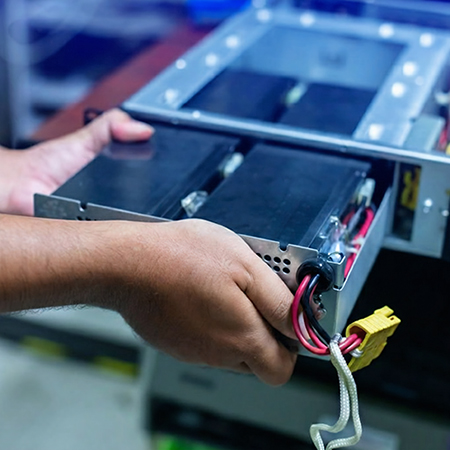
Custom Metal Components for Communication and Power Modules
Custom metal components for communication and power modules: design, materials, and manufacturing.
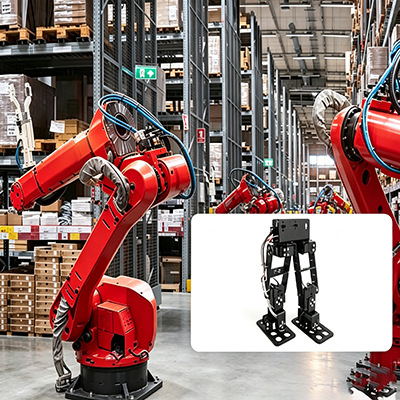
Industrial Applications of Precision Support and Mounting Brackets
Precision mounting brackets across industries: automation, medical, aerospace, and more.
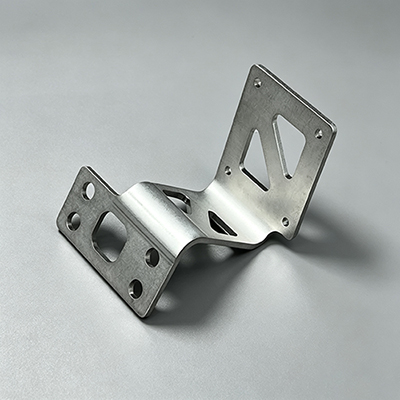
How to Choose the Right Material for Precision Mounting Brackets
Choose the right material for precision mounting brackets: steel, stainless, or aluminum.
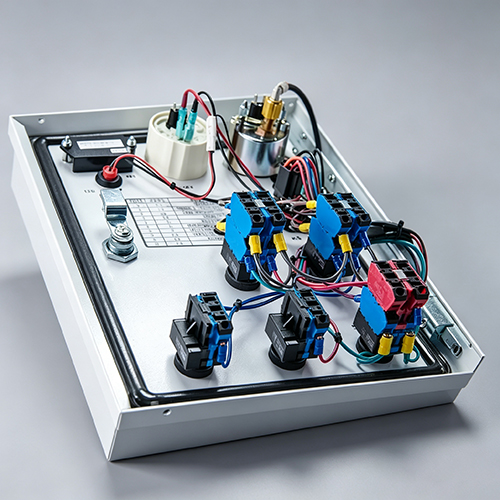
Electrical-Control-Box Assembly: Indoor vs. Outdoor Design Considerations
Indoor vs outdoor electrical-control-box: key design differences and selection tips.
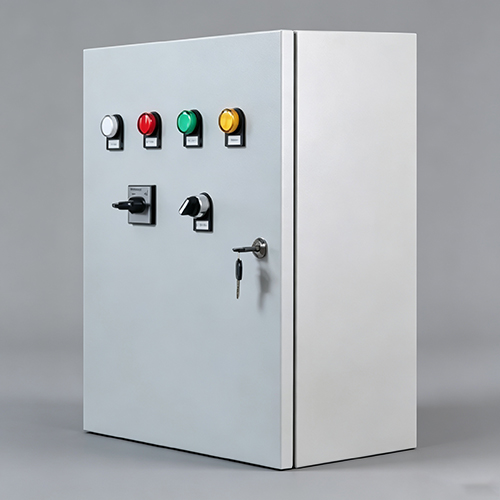
Key Design Considerations for Precision Electrical-Control-Box Assembly
Key design tips for precision electrical-control-box assembly: materials, sealing, thermal management.
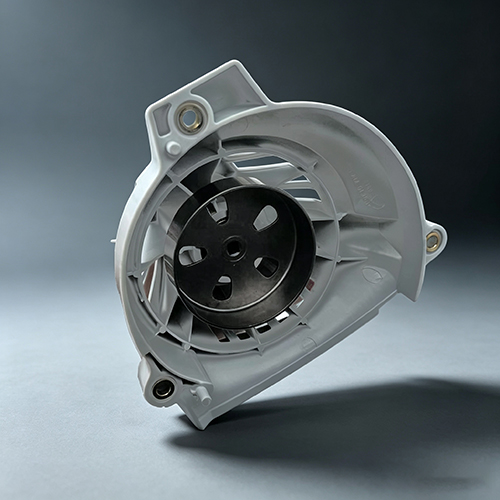
Design for Manufacturability: Optimizing Precision Fan Case Assemblies for Cost and Performance
Optimize precision fan case assembly design for cost, performance, and manufacturability.
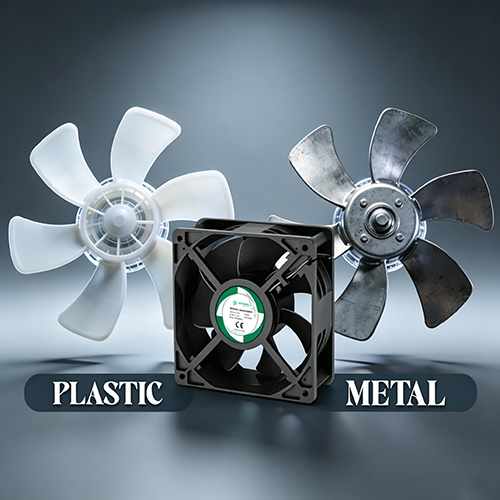
Sheet Metal Fan Housing vs. Plastic Fan Housing: Which Is Right for Your Application?
Sheet metal vs plastic fan housings: compare durability, cost, and thermal performance.
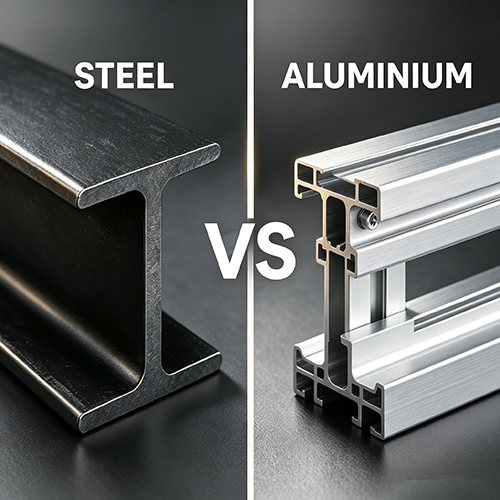
Steel vs. Aluminum for Server and Networking Chassis Components
Steel or aluminum for server chassis? Compare strength, cost, and thermal performance.
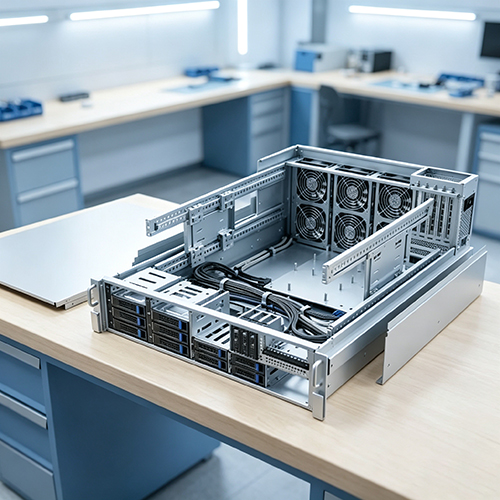
The Critical Role of Precision Sheet Metal in Server and Networking Chassis Manufacturing
Precision sheet metal for server and networking chassis manufacturing.
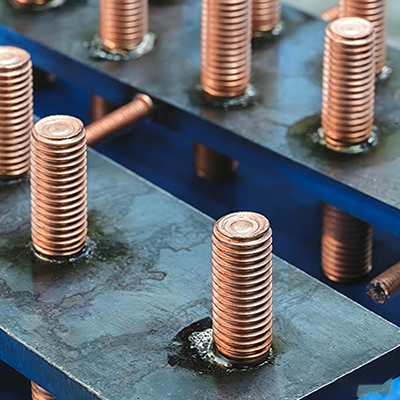
Why Custom Stud-Welded Sub-Assemblies Give You an Edge
Custom stud-welded assemblies simplify supply chains and cut costs.
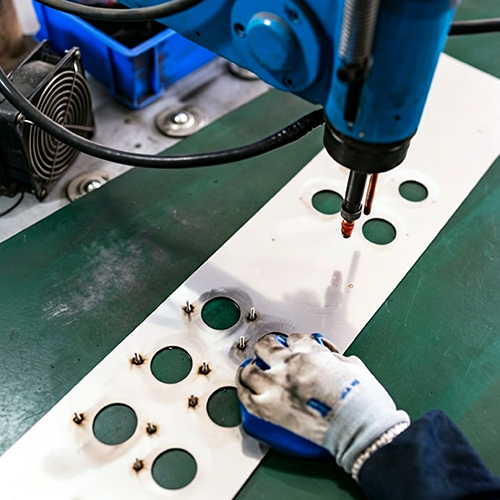
Stud Welding vs. Self-Clinching Fasteners: Which Is Right for Your Project?
Compare stud welding vs self-clinching fasteners for sheet metal projects
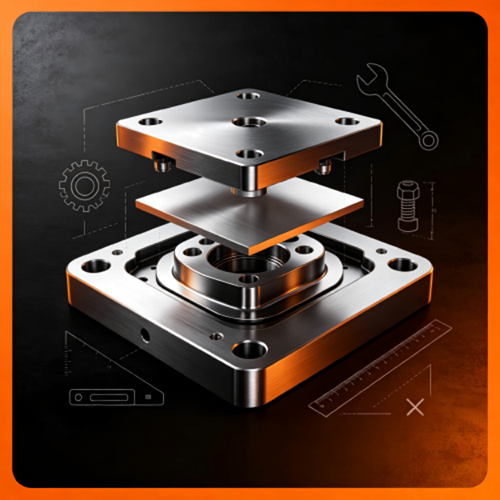
Sheet Metal Stamping Die Development: From Design to Mass Production
Complete guide to stamping die development. From design to mass production. Learn the 8-stage process.
DFM Checklist for Sheet Metal Parts – A Must-Read for Engineers
Sheet metal DFM checklist for engineers.
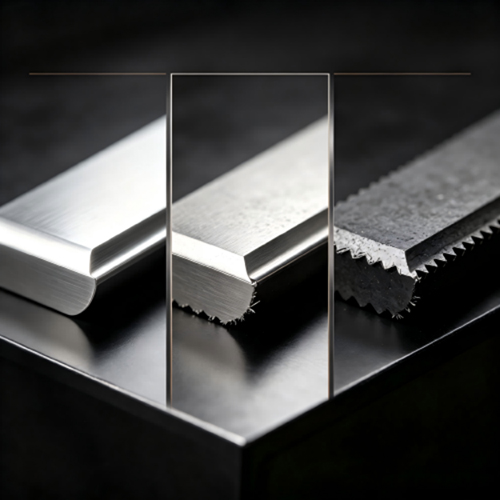
Cut Edge Quality in Sheet Metal: Comparing Laser Cutting, Stamping, and Shearing
Compare laser, stamping & shearing edge quality. Choose the right sheet metal cutting method.
How to Reduce Sheet Metal Fabrication Costs: A Practical Guide for Design Engineers and Buyers
How to reduce sheet metal fabrication costs. Practical strategies for design engineers and buyers.
Why Your Sheet Metal Prototype Works, But Production Fails: 5 Critical Gaps to Close
Why prototypes fail in production. 5 critical gaps and how to close them for successful scale-up.

Sheet Metal Parts Inspection Guide: A Practical Checklist for Buyers and Quality Engineers
Sheet metal parts inspection guide. Practical checklist for buyers and quality engineers. Dimensional, surface, weld, finish.
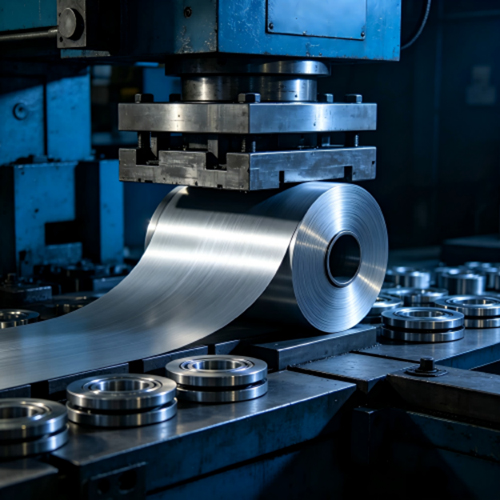
What Is Metal Stamping? A Complete Guide to High-Volume Sheet Metal Forming
Guide to metal stamping. Learn the process, types, and when to use high-volume sheet metal forming.
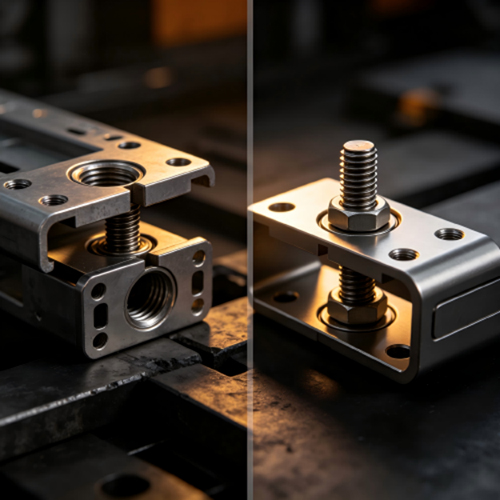
Sheet Metal Assembly Tolerances: A Practical Guide to Ensuring Parts Fit Perfectly
Guide to sheet metal assembly tolerances. Learn how to prevent fit issues and ensure parts align perfectly.
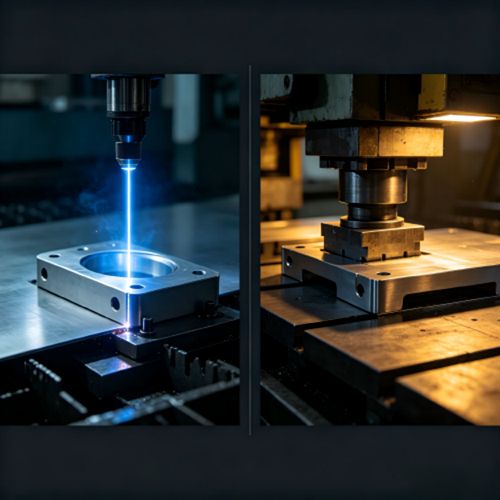
Laser Cutting vs. Stamping: How to Choose the Right Sheet Metal Process for Your Project
Laser cutting vs stamping. Compare cost, volume, and quality. Choose the right process.
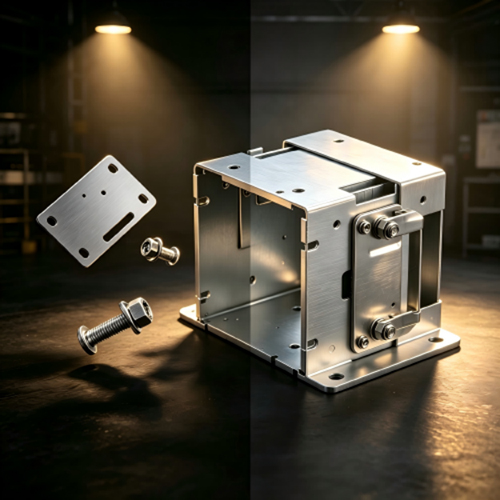
Sheet Metal and Fastener Integrated Manufacturing: Why Separate Sourcing Costs You More
Integrated sheet metal and fastener manufacturing. Reduce costs, simplify supply chain, one supplier.
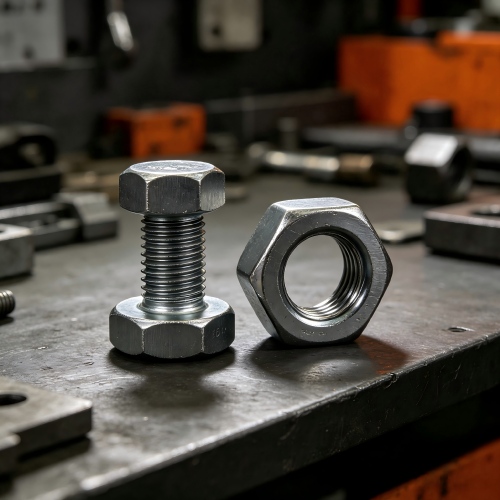
Hex Flange Bolts for Sheet Metal Enclosures
Hex flange bolts and nuts for sheet metal enclosures. Vibration-resistant, wide flange design for thin panels.
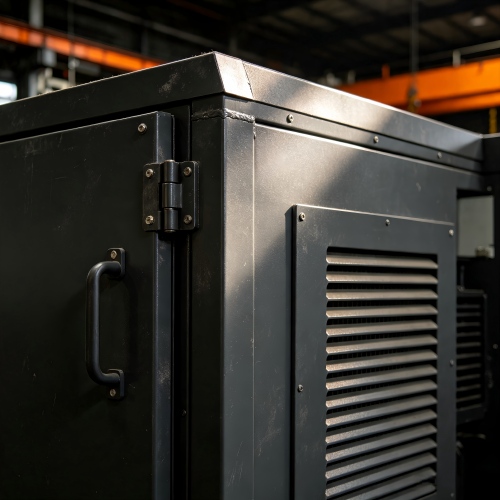
Industrial Machinery Enclosures: Custom Sheet Metal Solutions
Custom machinery enclosures for industrial equipment. Durable sheet metal solutions for harsh factory environments.
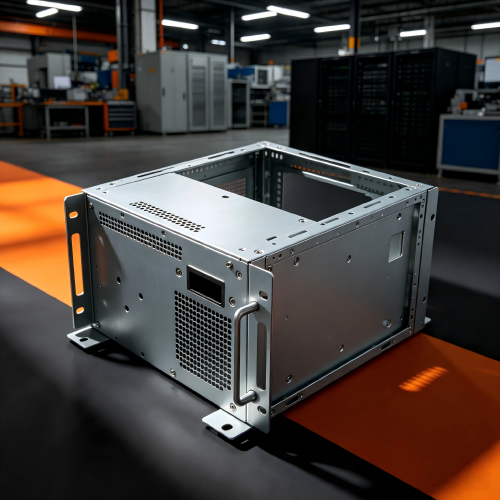
Custom Metal Components for Server and Networking Chassis
Server chassis fabrication guide. Custom sheet metal components for 19-inch rack mount networking equipment.
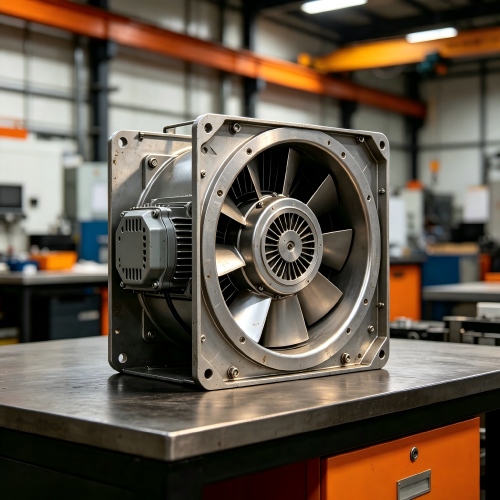
Precision Fan Case Assembly: From Sheet Metal to High-Performance Cooling Solutions
Precision fan case assembly guide. Manufacturing process, quality considerations, and applications for cooling solutions.
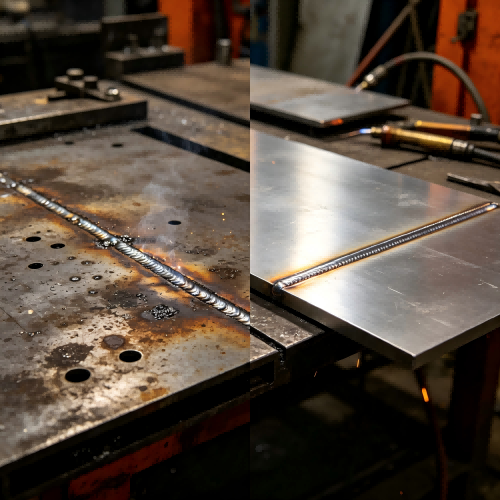
How Surface Treatment Affects Weld Quality: 5 Key Factors Buyers Must Know
How surface treatment affects weld quality. 5 key factors buyers must check before welding begins.
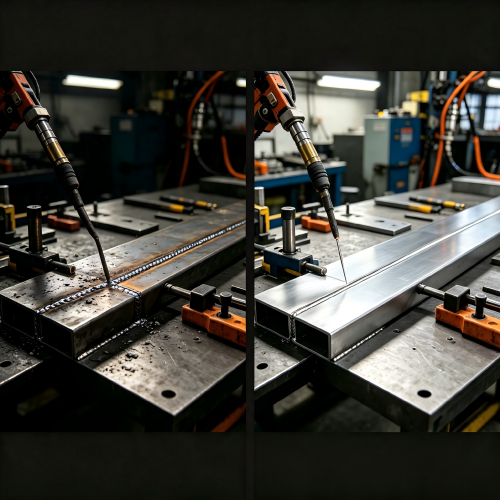
Laser Welding Cost Analysis: Is It Really More Expensive Than Traditional Welding?
Laser welding cost analysis. Compare laser vs TIG welding costs and learn how to reduce welding expenses.
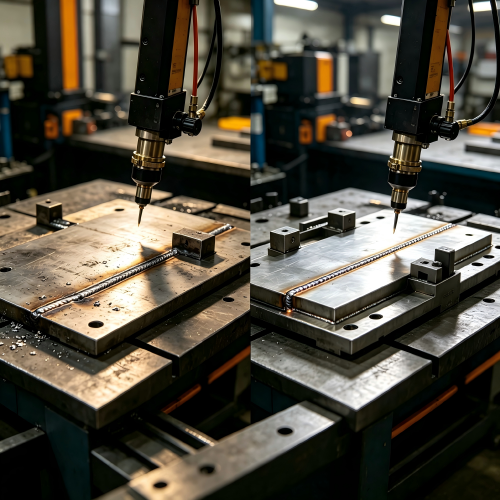
Laser Welding Fixture Design: A Critical Factor for Weld Quality
Guide to laser welding fixture design. Key requirements for precision positioning, clamping, and heat dissipation.
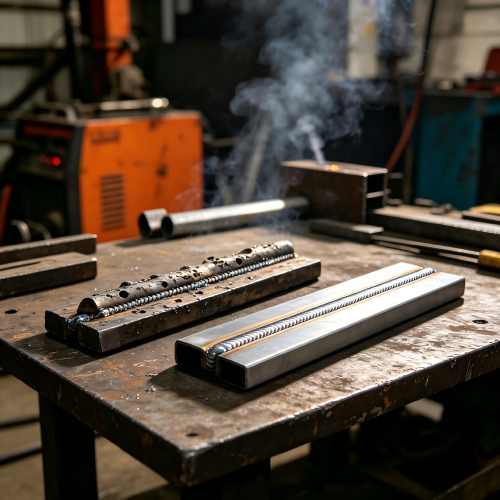
Weld Quality Inspection: A Practical Guide for Buyers and Quality Engineers
Guide to weld quality inspection. Common welding defects, visual inspection, and NDT methods for buyers.
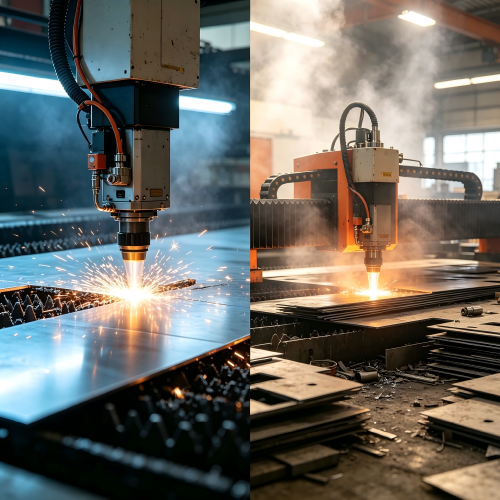
Fiber Laser vs. CO₂ Laser for Sheet Metal: Which Is Better for Your Sheet Metal Parts?
Fiber laser vs CO₂ laser cutting comparison. Learn which technology is right for your sheet metal parts.
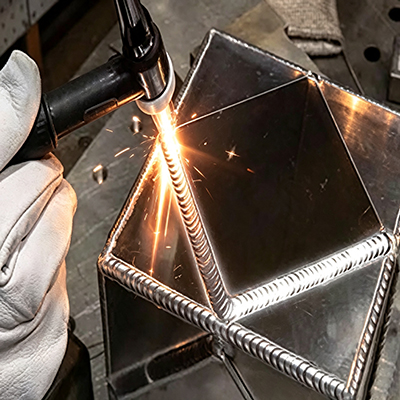
Common Sheet Metal Welding Defects and How to Prevent Them
Common welding defects in sheet metal and how to prevent them. Porosity, cracking, distortion, and spatter.
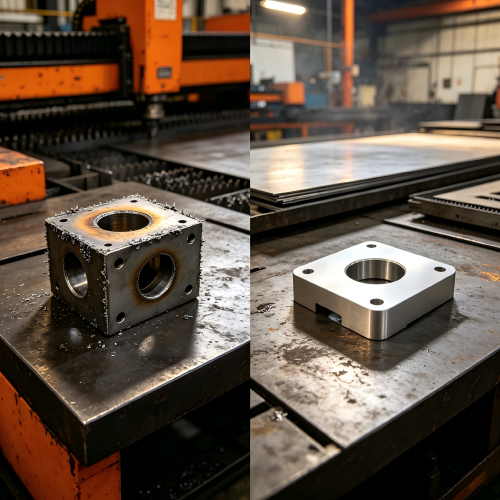
Common Laser Cutting Defects and How to Solve Them
Common laser cutting defects and how to solve them. Burrs, dross, HAZ, warping, and tapered holes explained.
Small Batch Sheet Metal Fabrication with No Minimum Order
Small batch sheet metal fabrication with no minimum order. Prototypes to production. One-stop service.
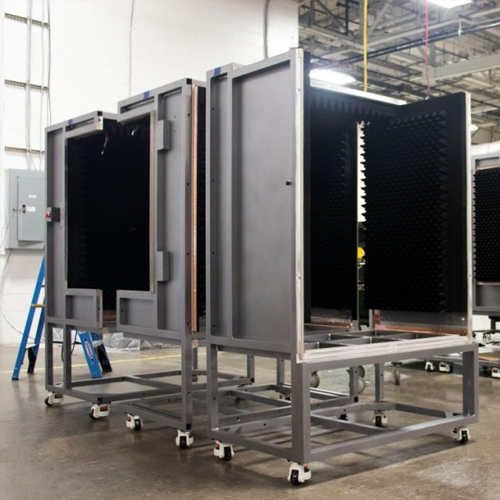
6 Key Steps in Sheet Metal Fabrication Process
Professional sheet metal fabrication involves systematic steps from design review to final delivery. This article introduces the 6 key processes in sheet metal manufacturing.
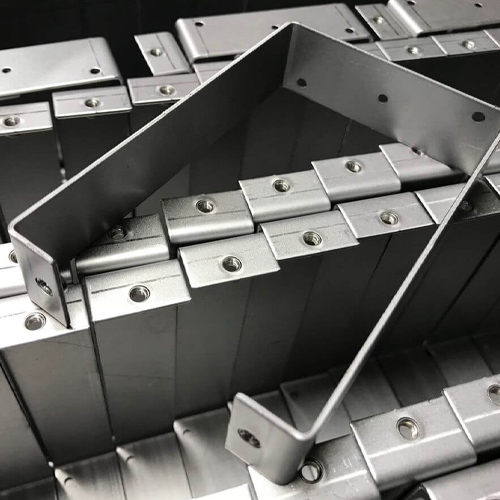
How to Choose the Right Fasteners?
Fasteners are the core of connection components. This guide introduces fastener types, standards, materials, and key selection parameters for OEM and manufacturing projects.
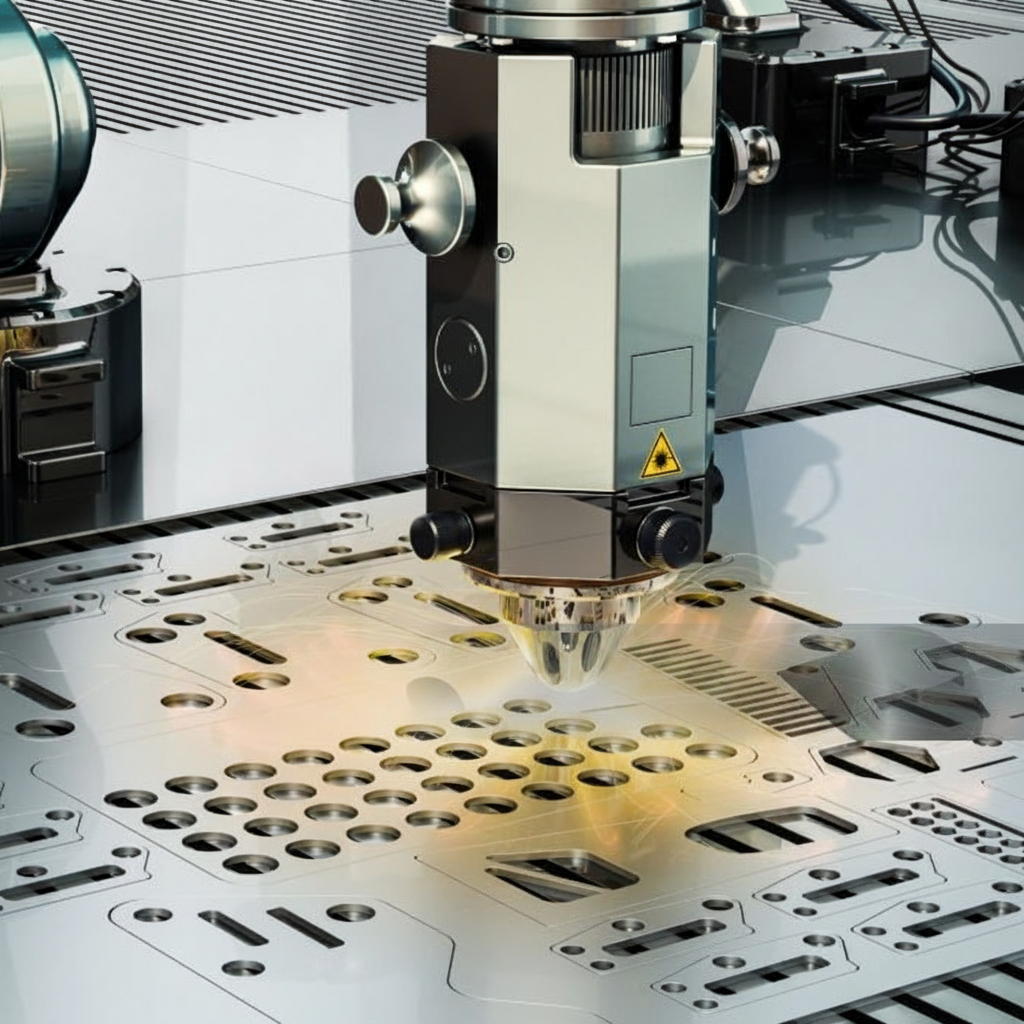
What Is Laser Cutting in Sheet Metal Fabrication?
Laser cutting is a precise sheet metal fabrication process used to cut metal sheets into custom shapes and parts. Learn how it works, its advantages, applications, pricing factors, and sourcing consid
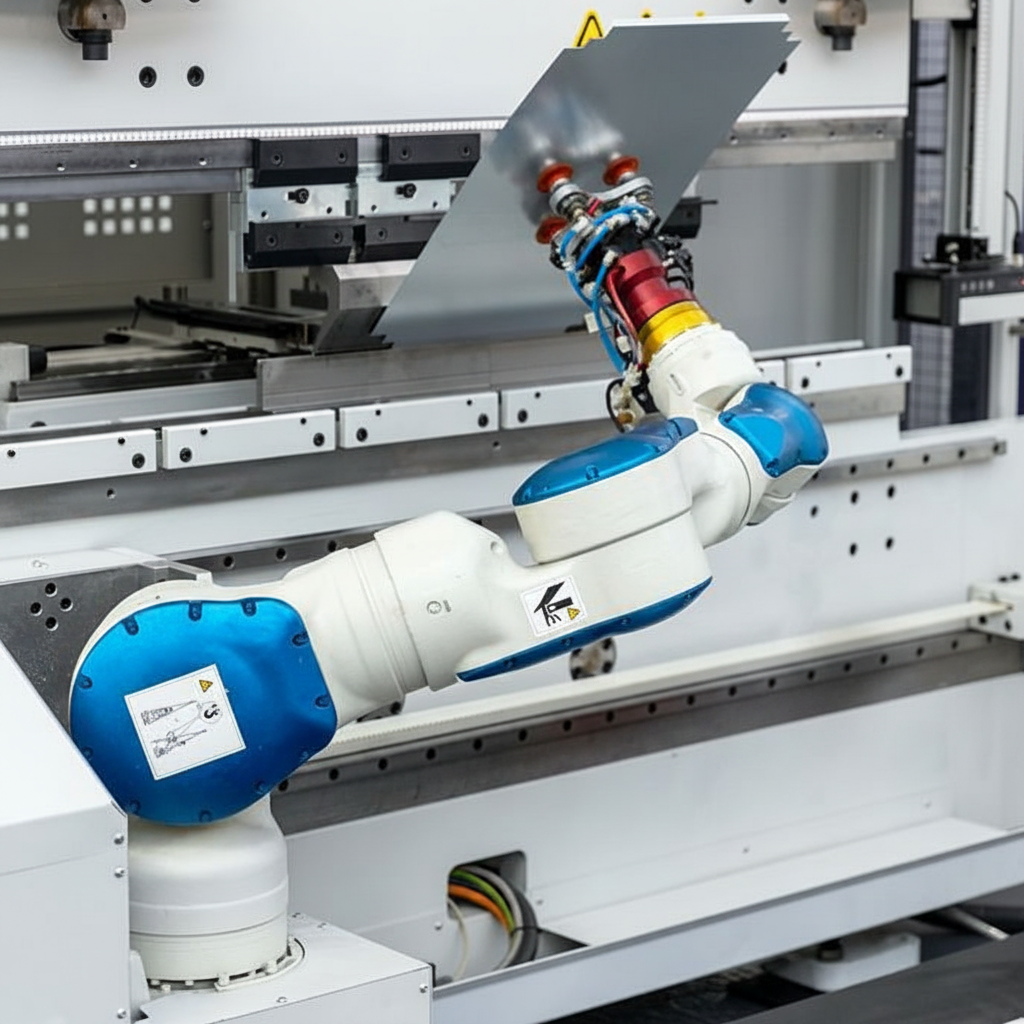
What Is Sheet Metal Fabrication?
Sheet metal fabrication is the process of cutting, bending, welding, and assembling metal sheets into finished parts and products. Learn the main processes, materials, applications, pricing factors, a
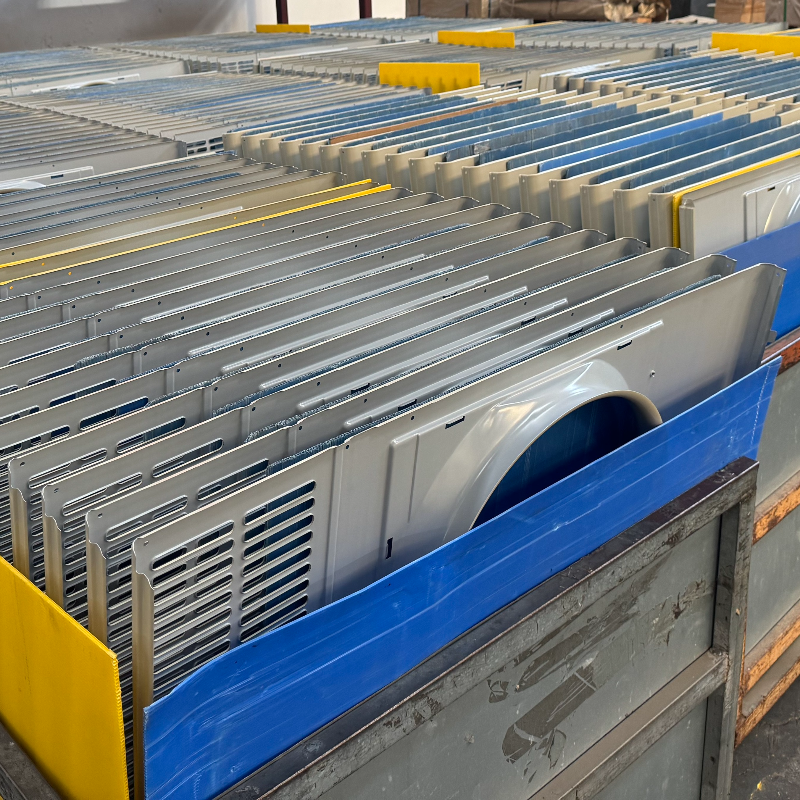
What Are Three Common Types of Sheet Metals?
Learn about three common types of sheet metals—aluminum, stainless steel, and galvanized steel. Explore their features, applications, pricing factors, and sourcing considerations for OEM projects.
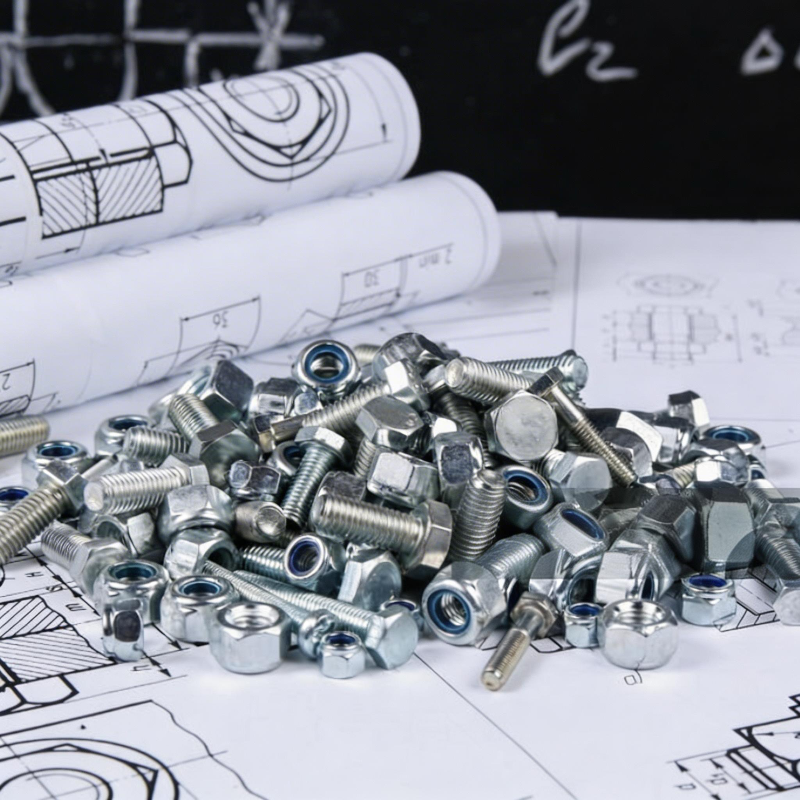
What Are Industrial Fasteners?
Industrial fasteners include bolts, screws, nuts, and washers for mechanical assembly. This article covers fastener types, materials, standards, pricing factors, and sourcing tips for OEM buyers.
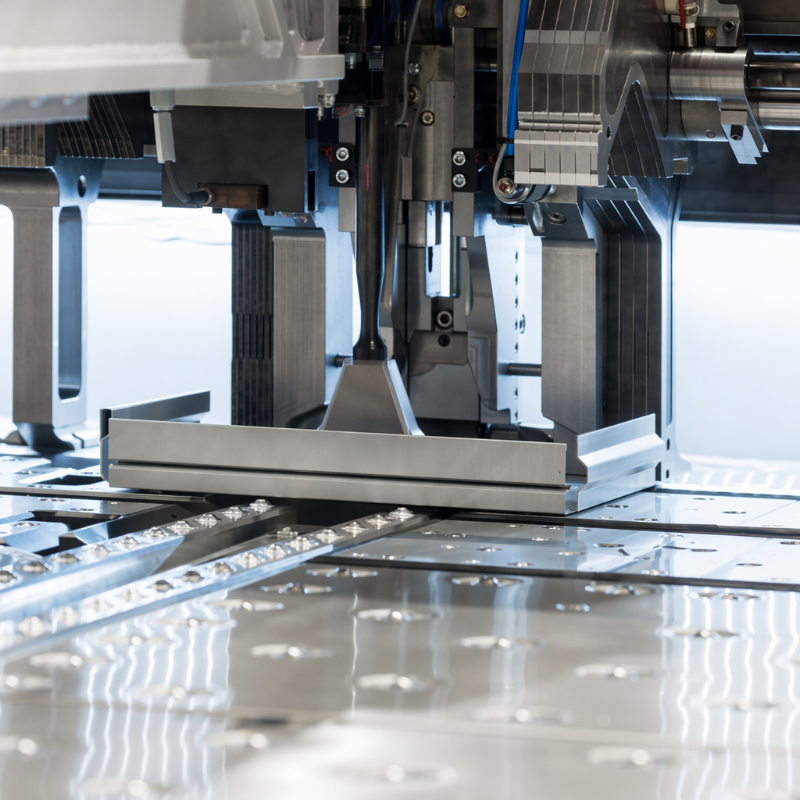
What Is CNC Bending in Sheet Metal Fabrication?
CNC bending is a key sheet metal fabrication process used to form flat metal parts into precise angles and shapes. Learn how it works, its advantages, applications, pricing factors, and sourcing consi
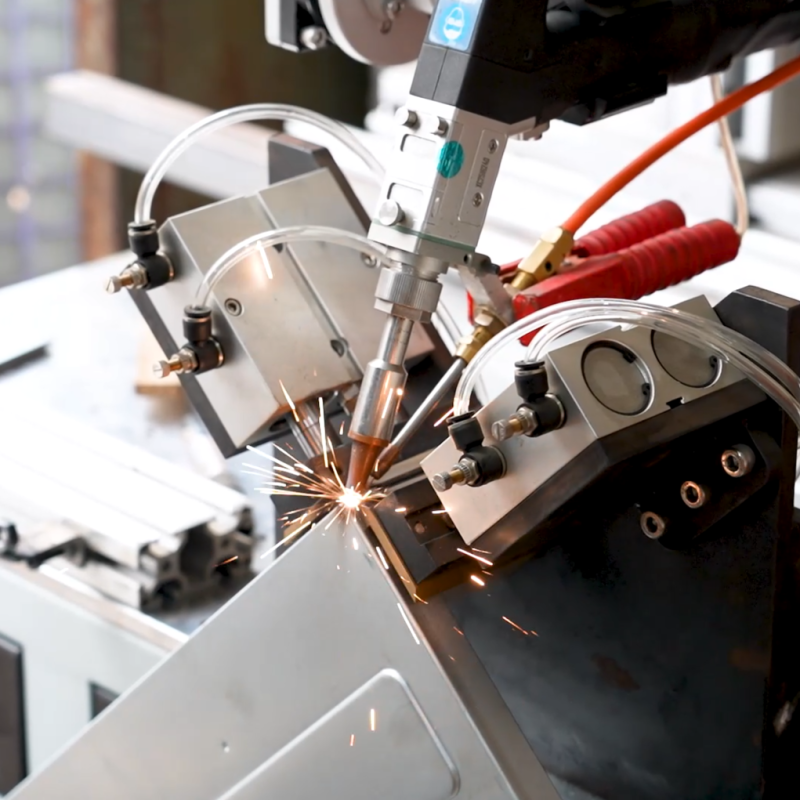
What Is Sheet Metal Welding?
Sheet metal welding is a key fabrication process used to join metal parts into strong structures and assemblies. Learn common welding methods, applications, quality factors, pricing factors, and sourc
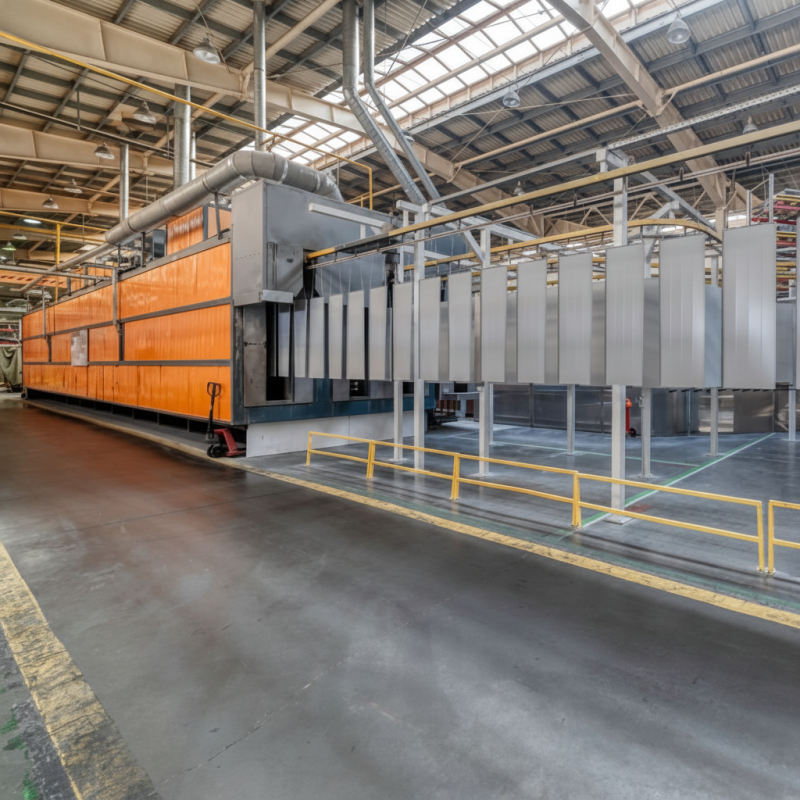
What Is Powder Coating for Sheet Metal Parts?
Powder coating is a common surface finishing process for sheet metal parts, used to improve corrosion resistance, appearance, and durability. Learn the process, applications, pricing factors, and sour
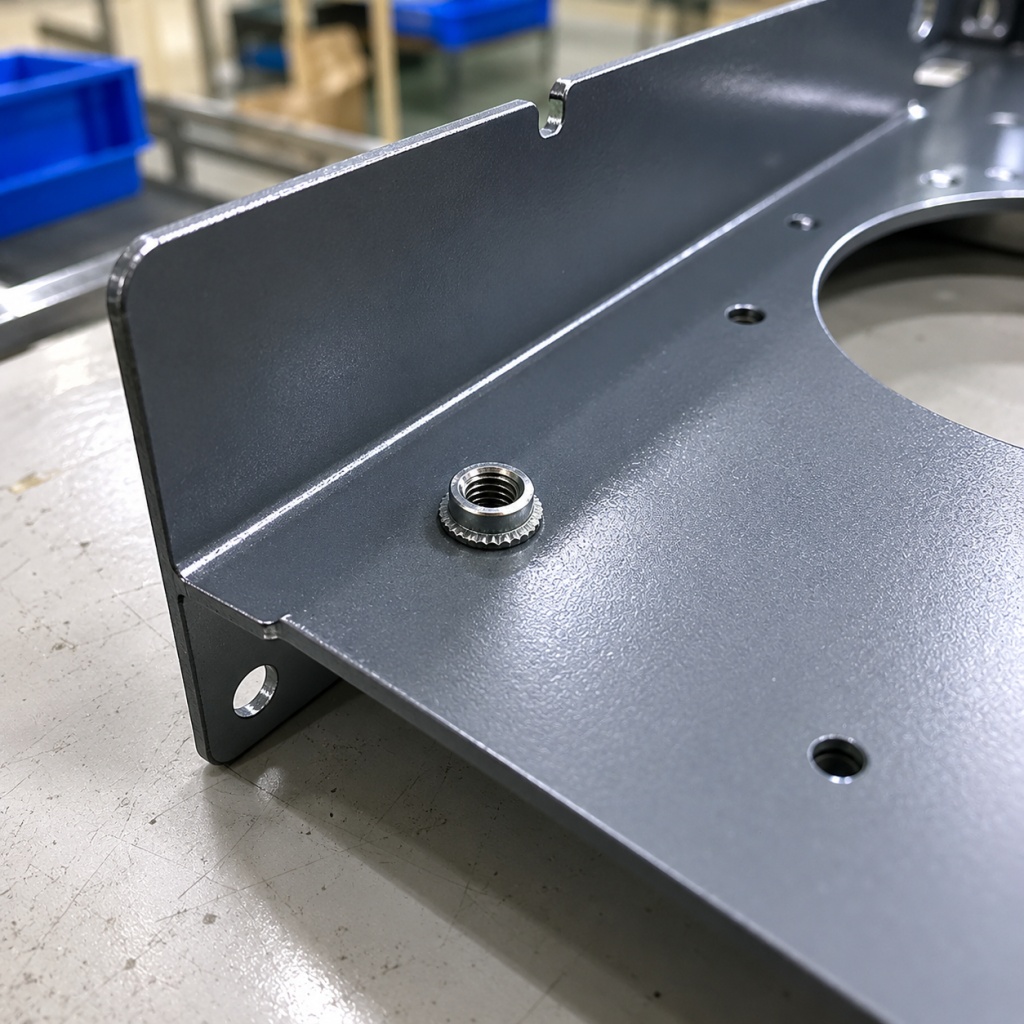
What Are Self-Clinching Fasteners for Sheet Metal Parts?
Self-clinching fasteners are specialized hardware components designed to be pressed into sheet metal to create reliable threaded or mounting points. They are widely used in enclosures, cabinets, brack
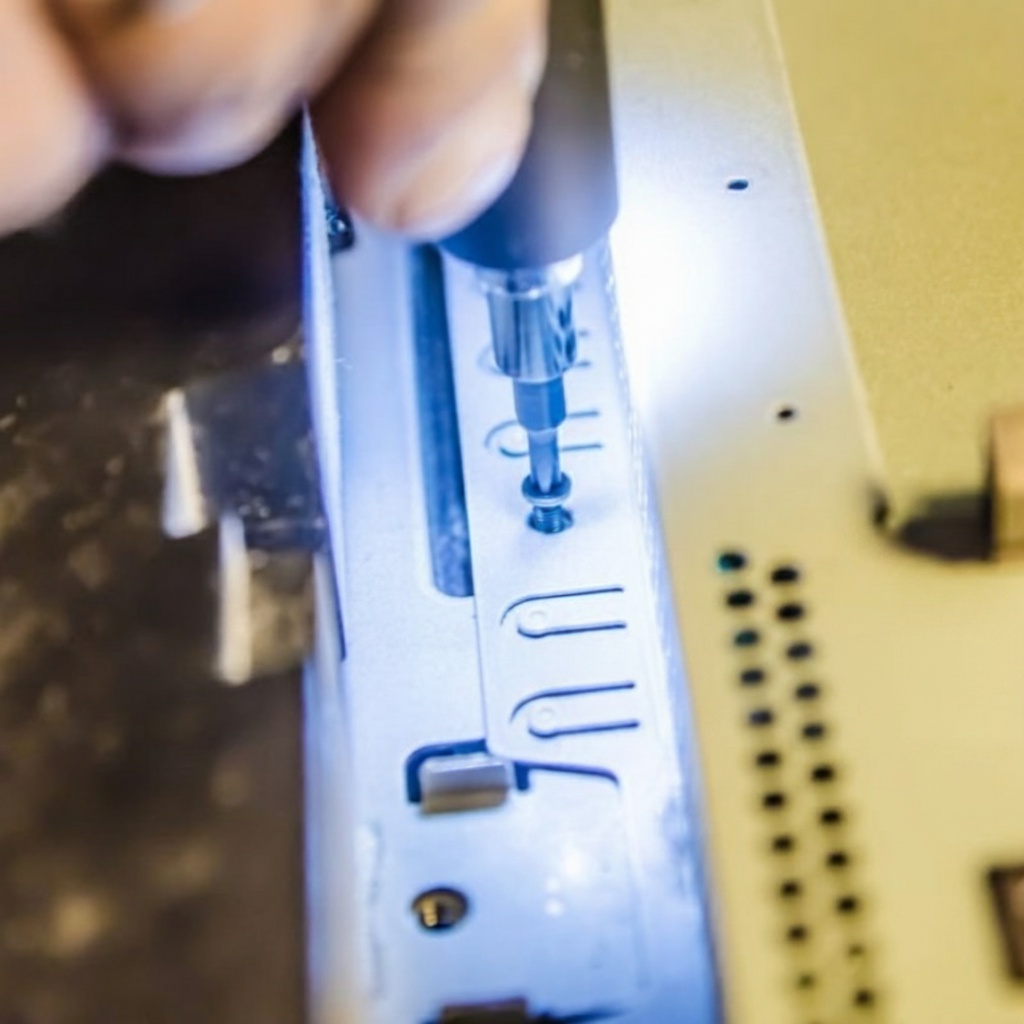
How to Choose Self-Tapping Screws for Sheet Metal Assemblies
Self-tapping screws are widely used in sheet metal assemblies because they can form or engage threads during installation without the need for a separate nut. In products such as electrical enclosures
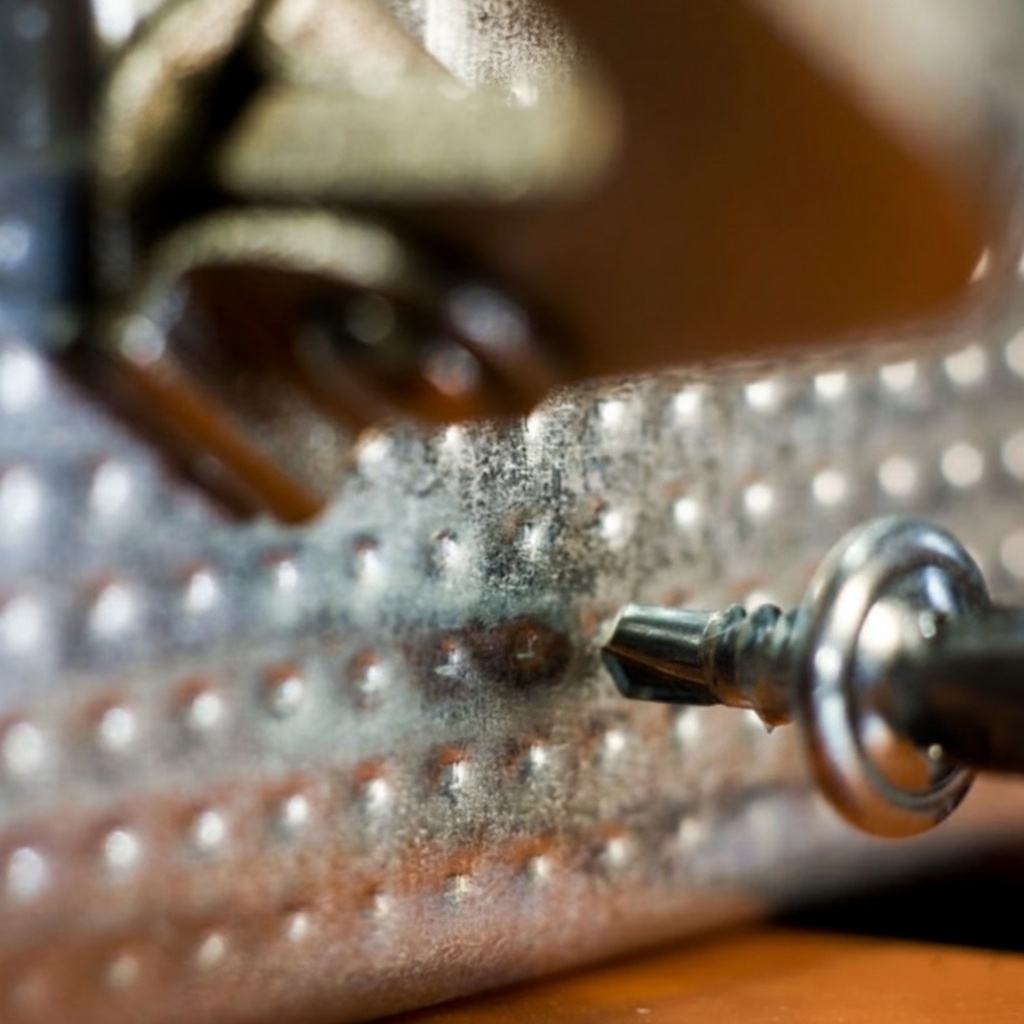
What Is the Difference Between Self-Tapping and Self-Drilling Screws?
Self-tapping and self-drilling screws are both widely used in metal assemblies, sheet metal parts, electrical enclosures, appliance panels, brackets, covers, and light structural products. Because the
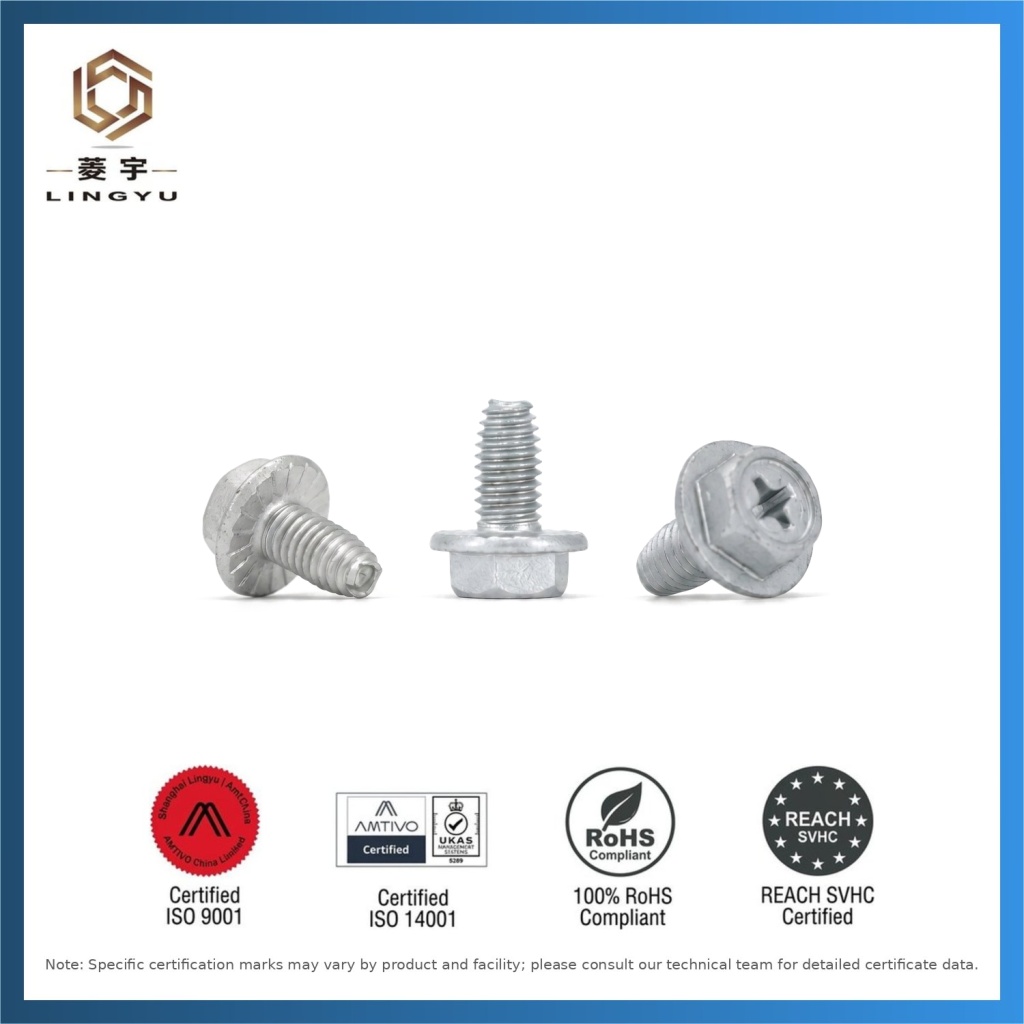
What Are Hex Flange Screws Used For?
Hex flange screws are fasteners with a hexagonal head and an integrated flange beneath the head. The flange acts like a built-in washer, spreading load over a wider bearing surface during assembly. In
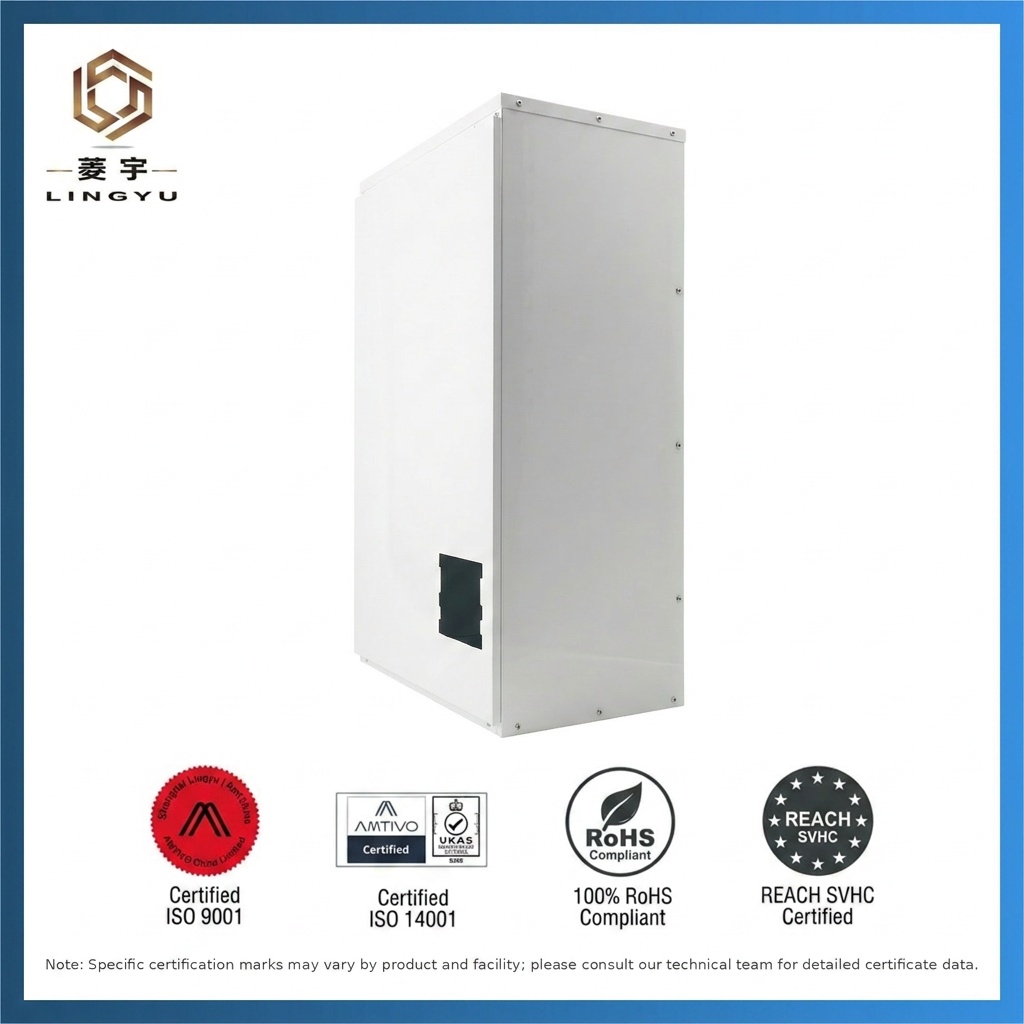
Sheet Metal Enclosure Design Guidelines for OEM Projects
A sheet metal enclosure looks simple from the outside, but small design decisions can affect cost, assembly fit, surface finish, and long-term reliability. For OEM projects, the enclosure is usually f
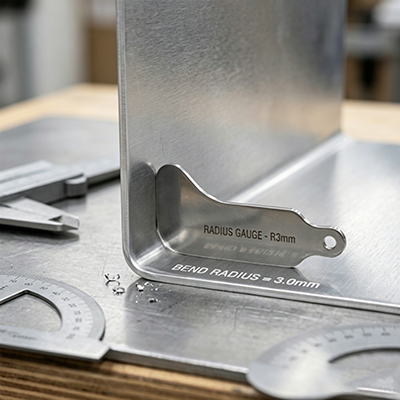
The Importance of Bend Radius in Sheet Metal Design
Optimize sheet metal designs with our expert bend radius guide.
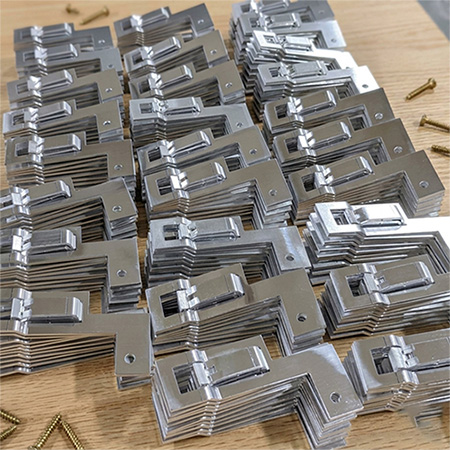
How to Design Cost-Effective Sheet Metal Parts?
Design cost-effective sheet metal parts. Tips on material, structure, assembly & finishing.
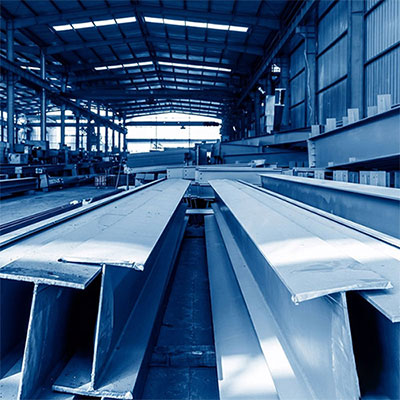
How Material Selection Impacts Sheet Metal Production Costs?
Smart metal choice cuts OEM sheet metal costs.
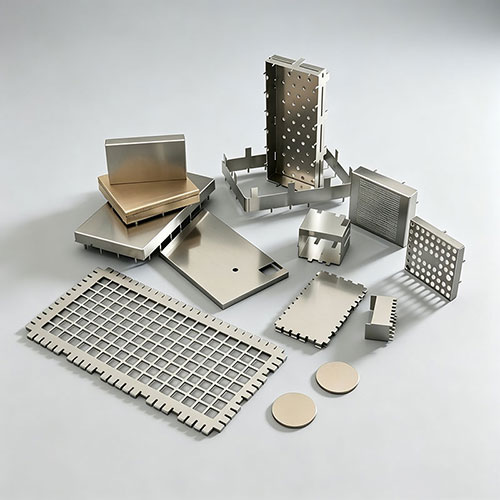
The Impact of Material Choice on Enclosure Shielding Performance
Sheet metal fabrication supplier for EMI shielding enclosures. Custom OEM parts from prototype to production.
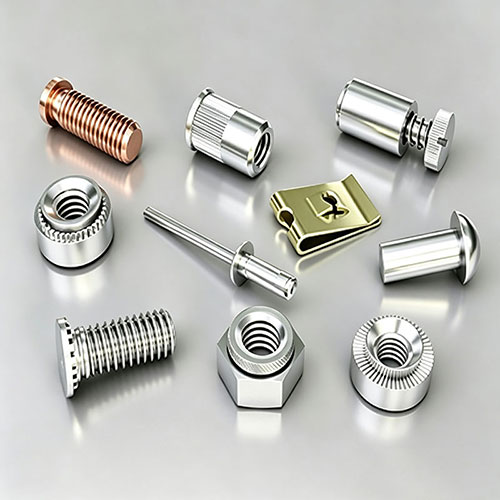
The Complete Guide to Selecting Sheet Metal Fasteners
Master sheet metal fastening with our expert guide on selection, material compatibility, and quality control.
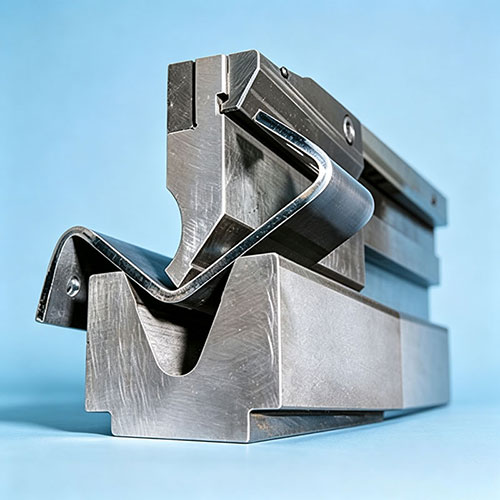
How to Design Rigid and Lightweight Sheet Metal Parts?
Design rigid, lightweight sheet metal parts. Tips on materials, structure & manufacturability.
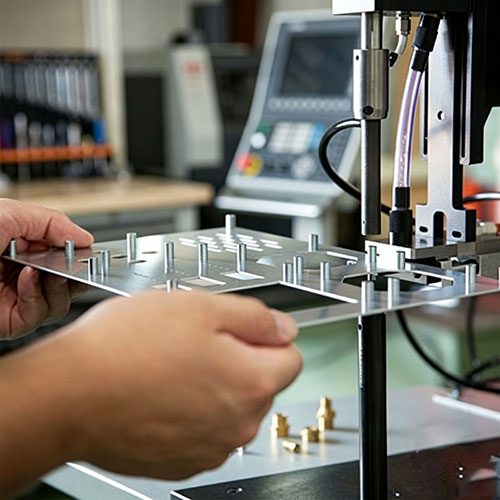
The Advantages of Self-Clinching Fasteners in Sheet Metal Fabrication
Optimize fabrication and cut costs with Lingyufab’s precision self-clinching hardware.
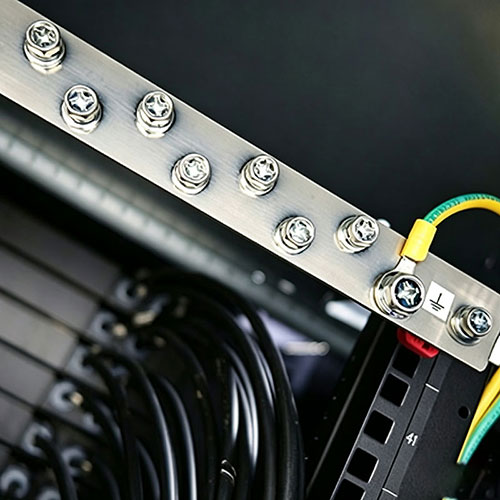
Why SEMS Bolts Are Critical for Sheet Metal?
Prevent loosening, ensure grounding, and boost efficiency with SEMS bolts for sheet metal.
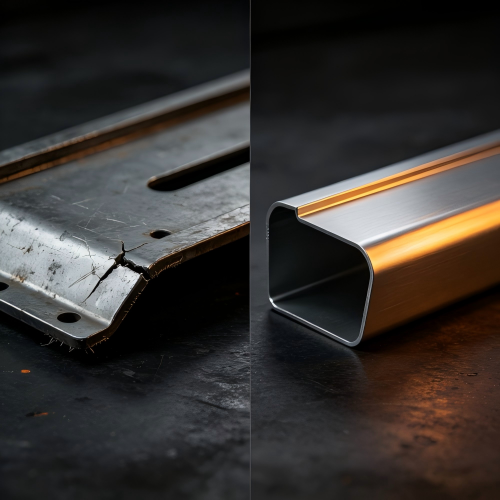
Sheet Metal Defects and Prevention: A Practical Guide for Engineers and Buyers
Guide to sheet metal defects. Learn how to prevent cracking, springback, scratches, and welding defects.
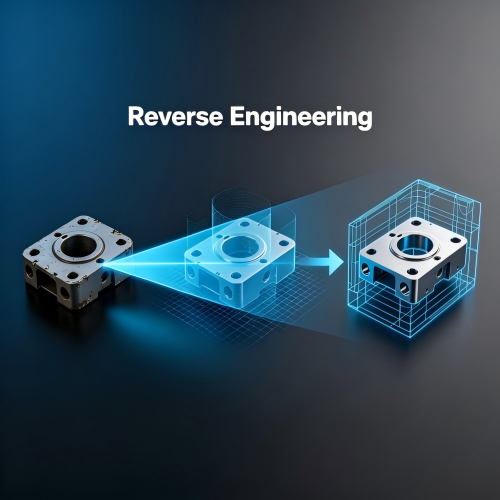
Reverse Engineering Sheet Metal Parts Without Drawings
Reverse engineering sheet metal parts without drawings. 3D scanning and in-house manufacturing.
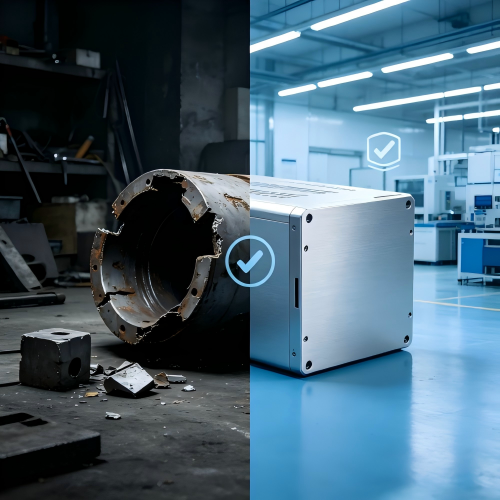
Sheet Metal Fabrication Procurement: How to Choose the Right Supplier and Avoid Costly Mistakes
How to choose a reliable sheet metal fabrication supplier and avoid costly procurement mistakes.
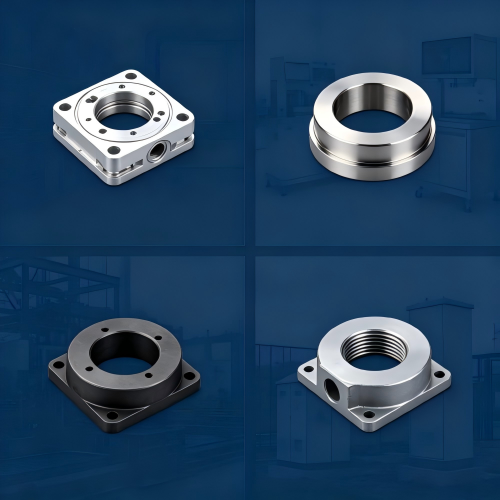
Aluminum vs. Stainless Steel vs. Carbon Steel: How to Choose the Right Material for Your Sheet Metal Project
Compare aluminum, stainless steel, and carbon steel for sheet metal projects. Choose the right material for your application.

Which Surface Finish Should You Choose for Sheet Metal?
Compare powder coating, anodizing, and electroplating. Choose the right surface finish for sheet metal parts.
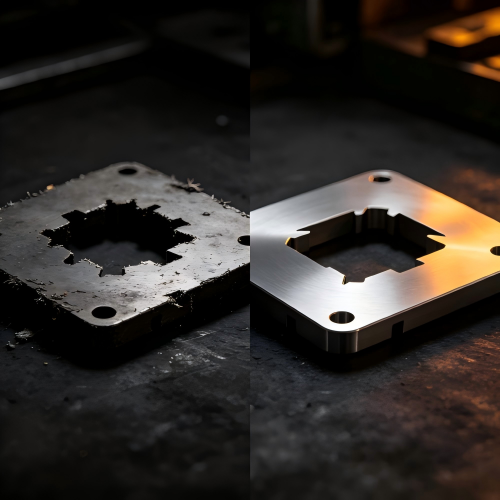
How to Judge Laser Cutting Quality: 5 Key Indicators for Buyers
Learn how to judge laser cutting quality with 5 key indicators. Edge quality, precision, holes, and more.
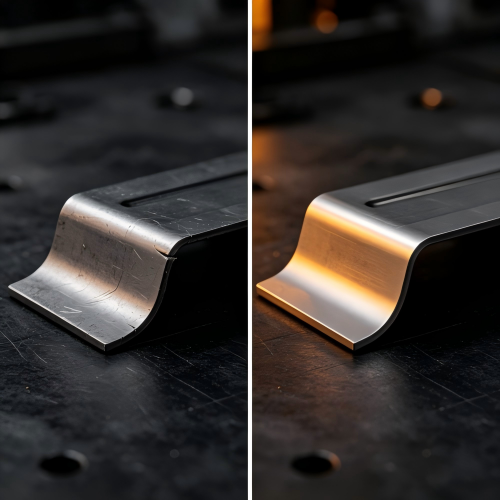
How to Evaluate CNC Bending Quality: A Buyer’s Guide to Accurate, Consistent Parts
How to evaluate CNC bending quality. 5 key indicators for buyers. Angle accuracy, flange length, consistency.
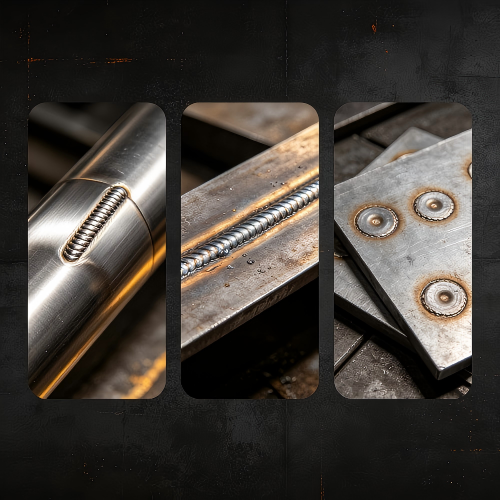
TIG vs. MIG vs. Spot Welding: Which Sheet Metal Welding Process Is Right for Your Project?
Compare TIG, MIG, and spot welding for sheet metal. Choose the right process for your project.
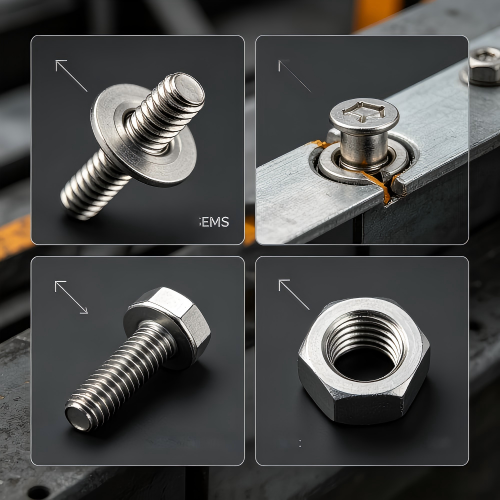
Sheet Metal Fastener Selection Guide: How to Choose the Right Fasteners for Your Assembly
Guide to sheet metal fasteners. Compare SEMS, self-clinching, bolts, and nuts. Choose the right one.
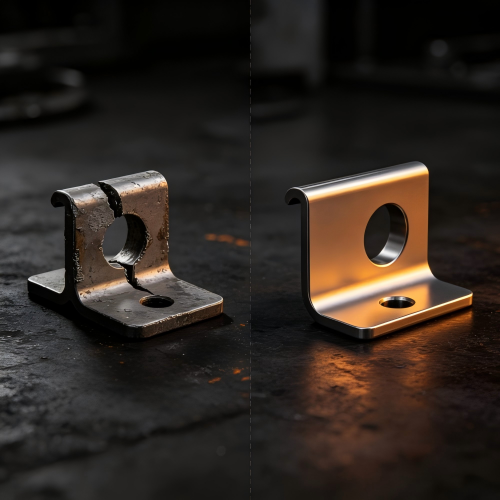
Sheet Metal Design for Manufacturing (DFM): 10 Common Mistakes and How to Avoid Them
Sheet metal DFM guide: 10 common design mistakes and how to avoid them for better manufacturability.
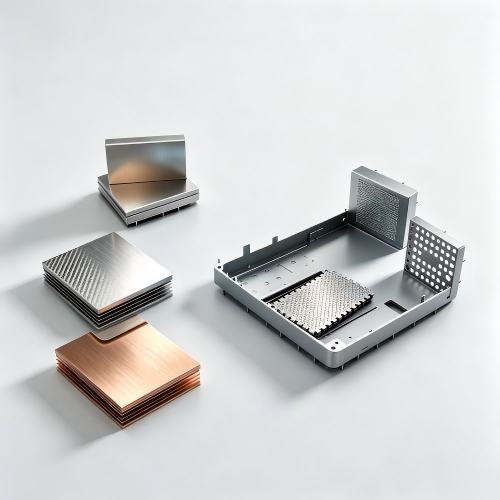
The Role of Material Selection in Enclosure EMI Performance
EMI shielding material guide. Compare steel, aluminum, stainless. Choose the right metal for EMC compliance.
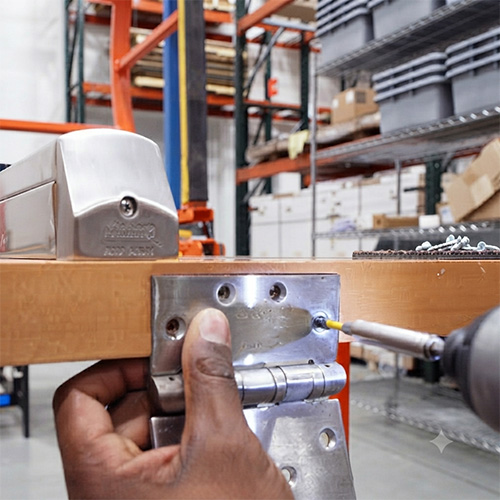
How Pre-Installed Hardware Enhances Sheet Metal Efficiency?
Pre-installed hardware boosts efficiency, cuts costs. Lingyufab delivers integrated solutions.
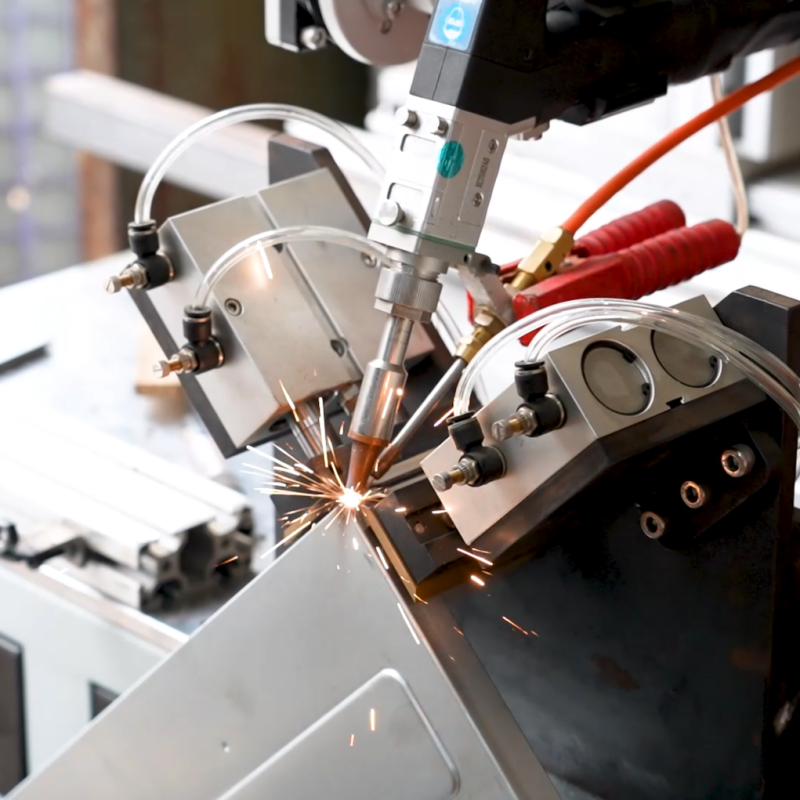
How Laser Cutting Improves Accuracy in Custom Sheet Metal Fabrication
Laser cutting is a non-contact, thermal-based digital fabrication process that utilizes a focused, high-powered laser beam to slice, score, or pierce sheet metal with extreme fidelity.
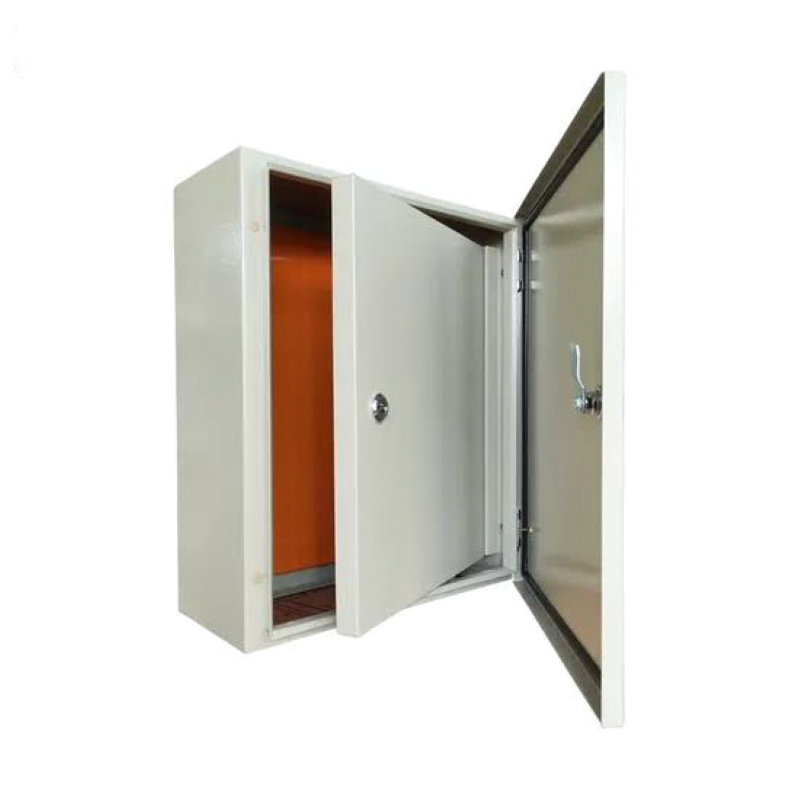
Precision Sheet Metal Electrical Control Boxes: Types, Materials & Key Applications
Sheet metal refers to metal that has been industrially processed into thin, flat pieces. It serves as the primary structural material used to form the protective outer chassis, housing, or casing.
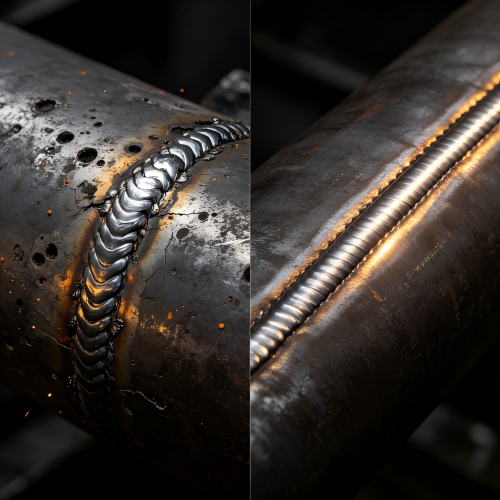
How to Avoid Sheet Metal Welding Defects
Common welding defects in sheet metal and how to prevent them. Porosity, cracking, distortion, and spatter.
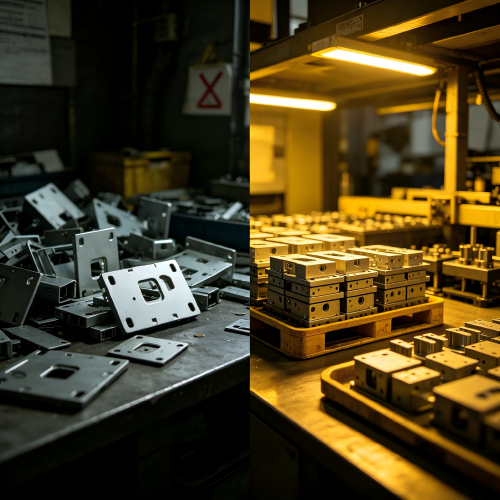
How to Evaluate and Choose a Sheet Metal Fabrication Supplier: A Practical Guide for Buyers
Sheet metal supplier evaluation guide. 6 criteria to choose the right partner for your project.
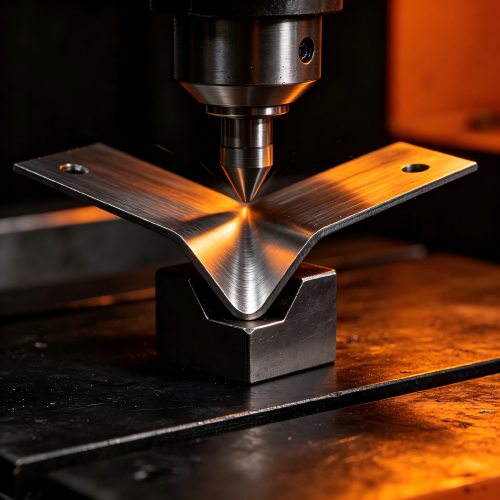
The Complete Guide to Sheet Metal Bending: Tooling, Springback, and Precision Control
Complete guide to sheet metal bending. Tooling, springback compensation, and precision control for quality bends.
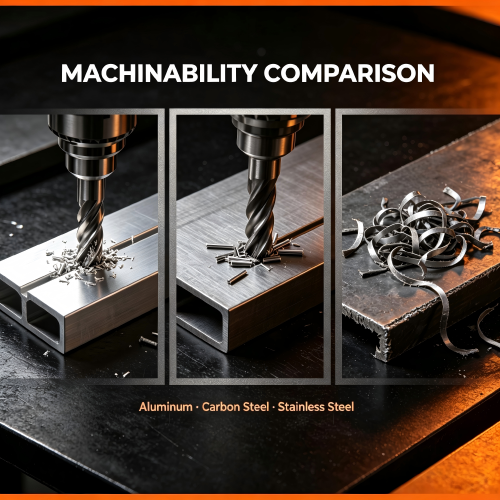
Sheet Metal Material Machinability Comparison – Which Materials Are Easier to Fabricate?
Compare machinability of aluminum, stainless steel, and carbon steel. Choose the right material for fabrication.
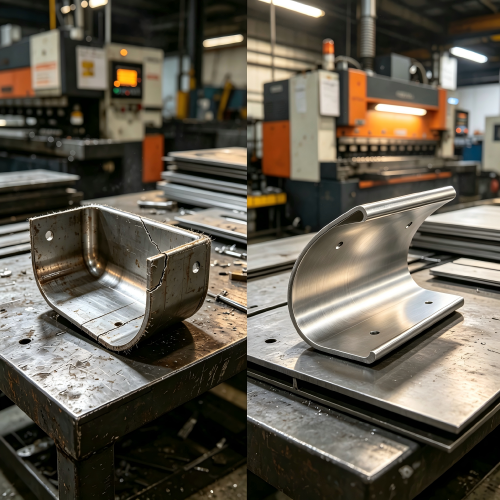
Common Defects in CNC Bending and How to Solve Them
Common CNC bending defects and how to solve them. Springback, cracking, wrinkling, and tooling marks explained.
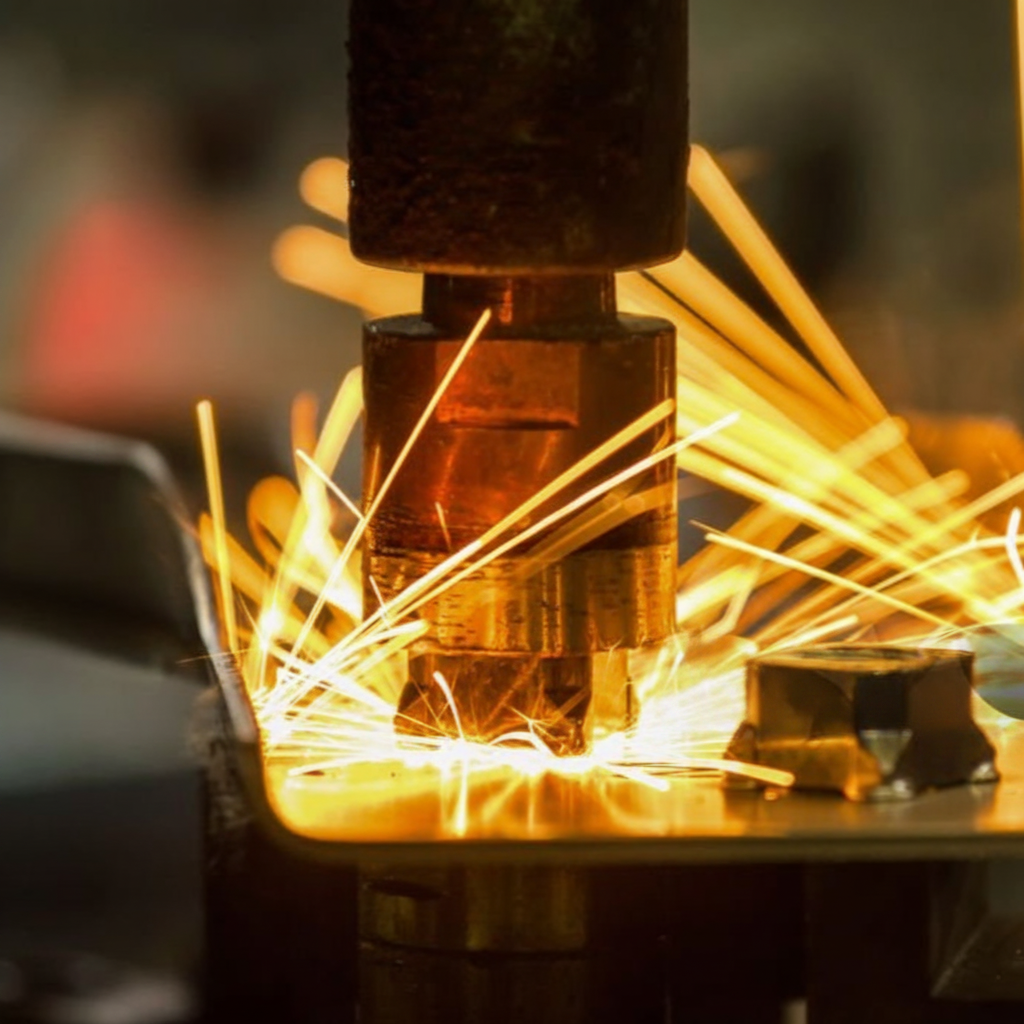
What Is Sheet Metal Assembly?
Sheet metal assembly combines fabricated metal parts with fasteners, welding, and other joining processes to create finished products. Learn the process, applications, pricing factors, and sourcing co
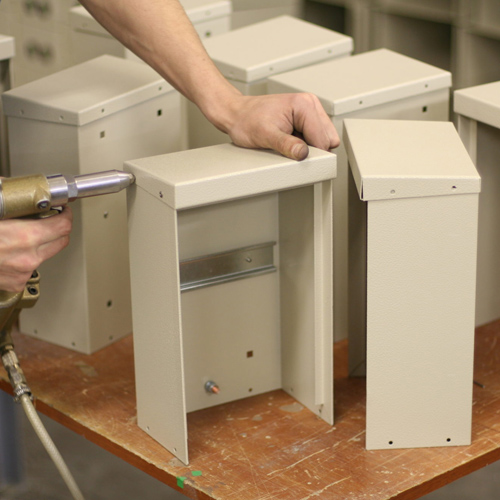
What is Sheet Metal?
Sheet metal is thin metal formed through stamping, cutting, bending, and other processes. This article introduces sheet metal materials, fabrication processes, and applications.
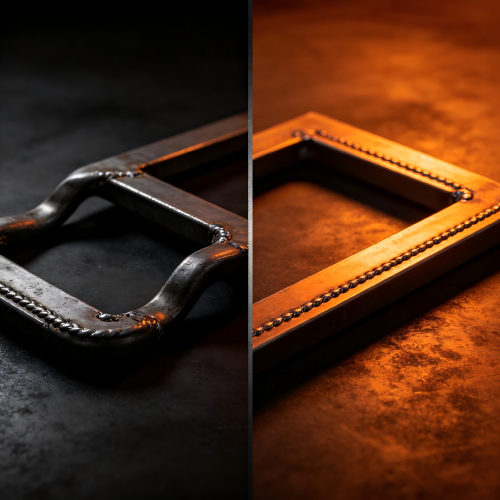
Causes and Prevention of Welding Distortion in Sheet Metal
Guide to welding distortion control in sheet metal. Causes, prevention strategies, and best practices.