
 +8613003178786
  sales@lingyufab.com
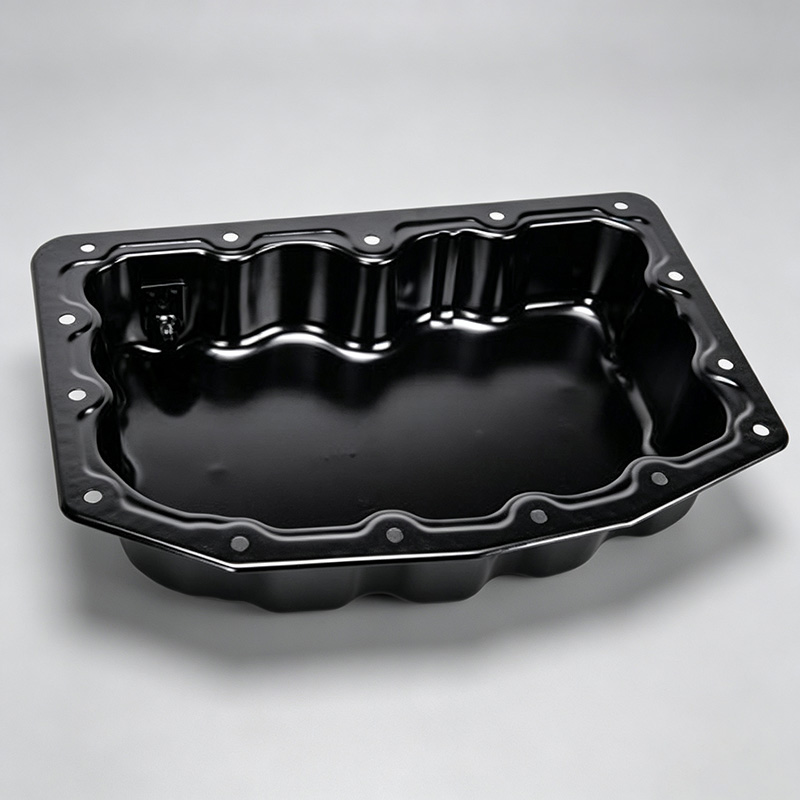
Engine Oil Pan
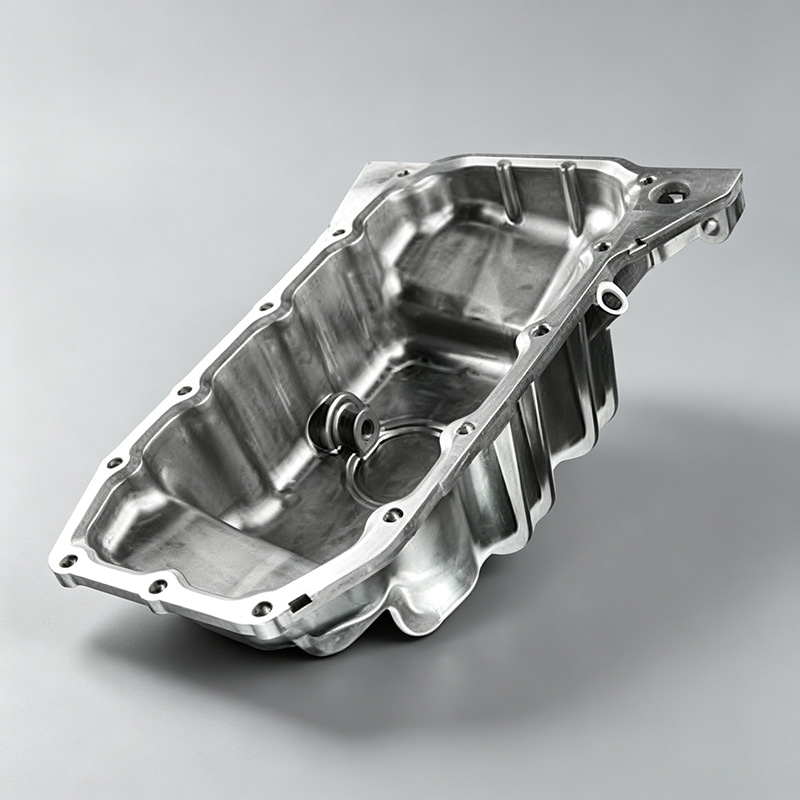
Leading Engine Oil Pan Manufacturer
Lingyufab (Shanghai Lingyu Industrial Co., Ltd.) is a sheet metal fabrication and assembly manufacturer, established in 2003. Engine oil pans are among the many product categories we produce as part of our broader manufacturing business. These sumps collect and store returning engine oil while helping with heat dissipation and sealing. With over 20 years of experience, we handle the full production process in-house—laser cutting, CNC bending, stamping, welding, and surface treatment—which keeps quality consistent and lead times under control. As a Mitsubishi Electric certified core supplier, we serve automotive, commercial vehicle, and industrial equipment customers with reliable, cost-effective engine oil pan solutions.
Lingyufab is based in Shanghai, where a mature industrial supply chain and an experienced workforce allow us to produce engine oil pans at competitive prices. We follow the ISO 9001:2015 quality management system, and because production stays in-house, customers avoid the markup that comes with outsourcing—typically saving 15 to 20 percent. We handle order sizes from a single sample to 100-piece pilot runs to ongoing mass production, with current monthly output exceeding 5,000 units.
Engine oil pans are functional parts, so specifications are driven by capacity, sealing, and durability.
Every engine has its own sump geometry, so Lingyufab treats each oil pan as a custom part rather than a catalog item. We produce:
We also handle drain plug bosses, mounting flanges, baffle plates, and sensor ports based on your drawings or samples. Our engineering team can assist with design optimization and cost reduction, and reverse engineering is available if only a physical sample exists. Prototyping starts at zero MOQ.
An engine oil pan may look like a simple stamped container, but producing one consistently involves several sheet metal processes working in sequence. Laser cutting or blanking shapes the flat outline, stamping forms the sump profile and drain plug boss, CNC bending handles any secondary forming, welding joins multi-piece assemblies and baffle plates, and surface treatment prepares the part for its working environment. At Lingyufab, all of these steps happen under one roof rather than being handed off between vendors, which keeps tolerances tight and lead times predictable. Because fasteners are also made in-house, drain plugs and mounting hardware can be pre-installed before the oil pans ship, reducing assembly work at the customer's end.
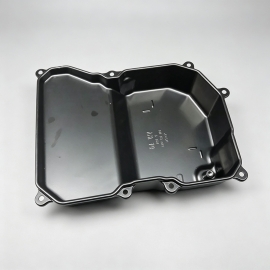
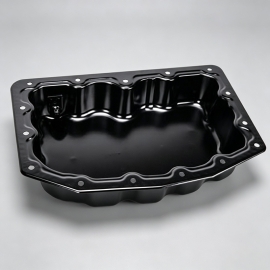
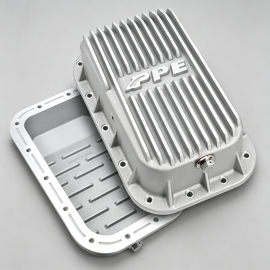
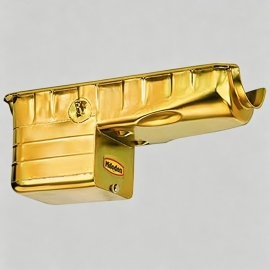
Features of Engine Oil Pan
Engine oil pans are designed to collect and store returning engine oil while contributing to heat dissipation and sealing. They are typically stamped from carbon steel or formed from stainless steel and aluminum, with thickness ranging from 1.0mm to 3.0mm depending on the application. Standard features include a precision-formed sump profile with adequate oil capacity, a reinforced drain plug boss, pre-punched mounting holes for a proper gasket seal, and an integrated baffle to keep the oil pickup submerged during cornering and braking. Surface finishing options include powder coating, galvanizing, and e-coating available upon request. Full material traceability with Mill Test Certificates (MTC) for every batch.
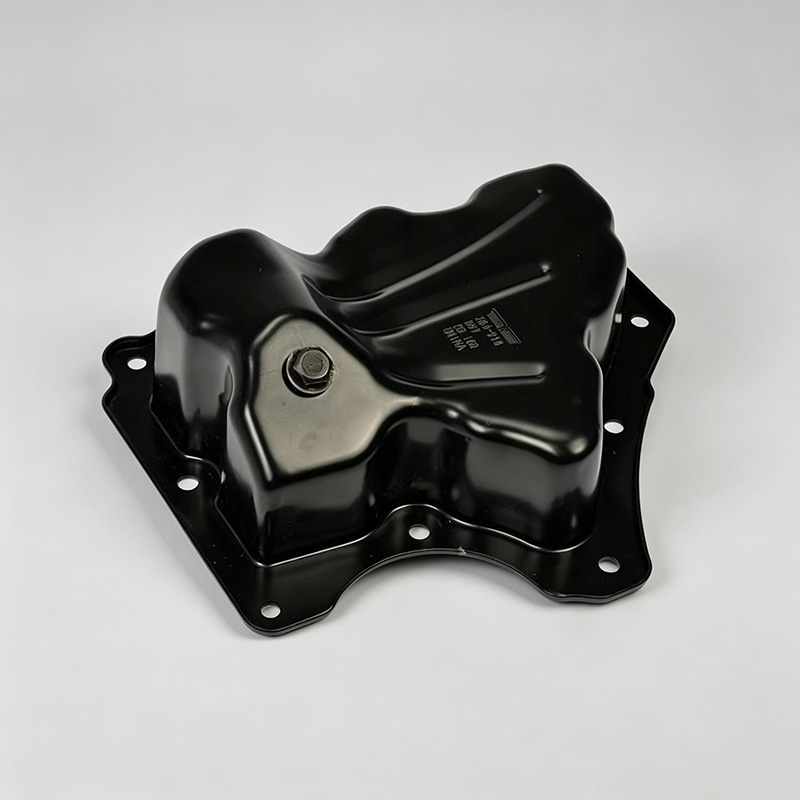
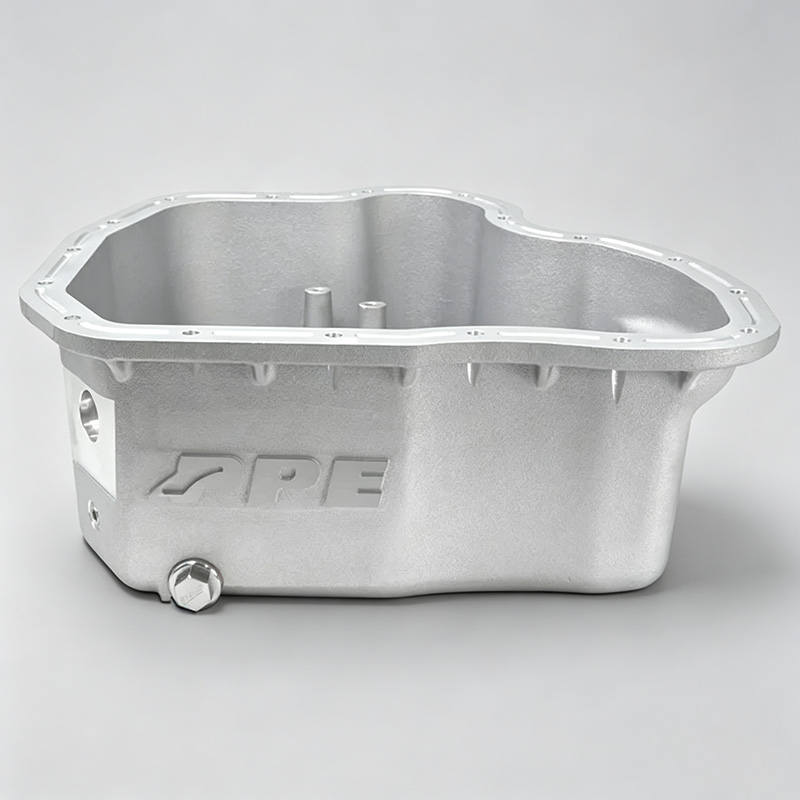
Applications of Engine Oil Pan
Engine oil pans are used wherever an internal combustion engine needs a reliable oil reservoir and sealing surface. In passenger cars and light trucks, they store and return engine oil while helping dissipate heat from the oil. Commercial vehicles and heavy-duty equipment rely on deeper, reinforced oil pans that maintain oil supply under vibration, tilt, and rough operating conditions. Industrial engines and generator sets use oil pans designed for continuous operation and easy maintenance. Agricultural machinery and construction equipment benefit from heavy-gauge pans that resist impact from debris and uneven terrain. Lingyufab supports 1-piece prototyping, 100-piece pilot runs, and high-volume mass production with monthly delivery exceeding 5,000 units.
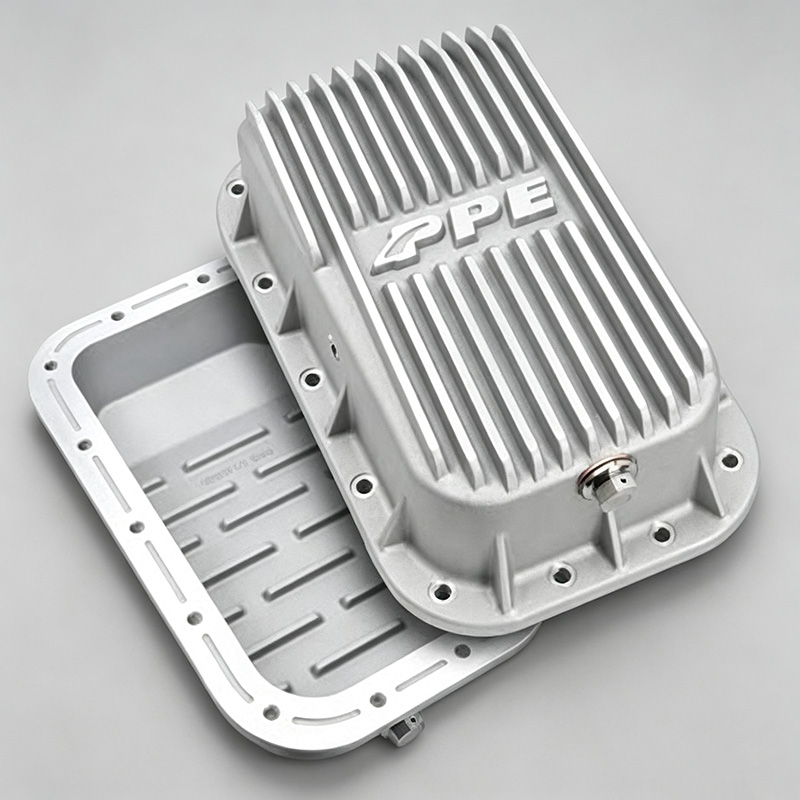
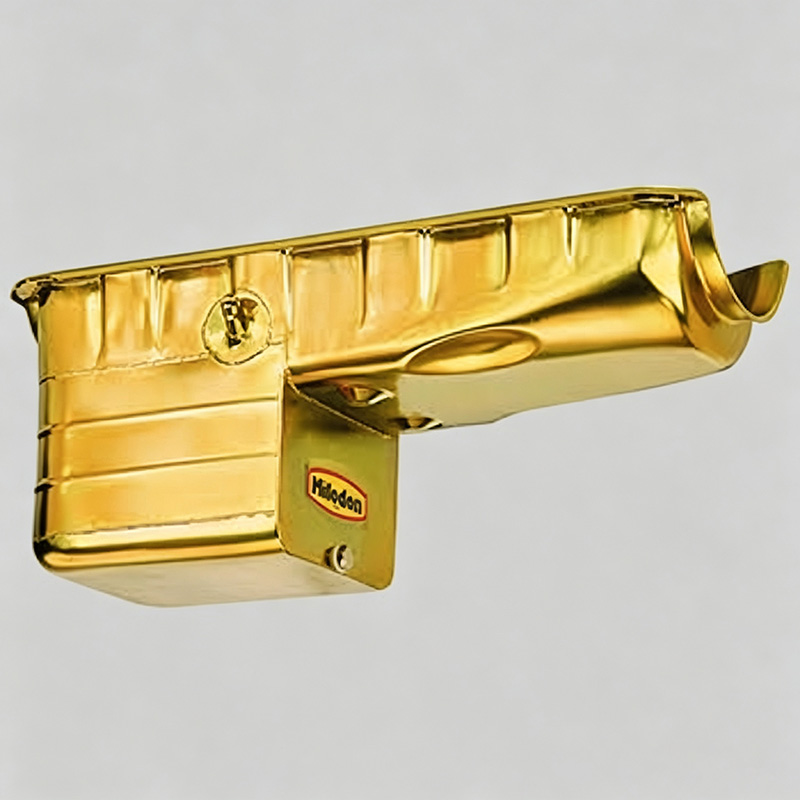
An engine oil pan is the reservoir that sits at the bottom of an engine, holding the oil supply that lubricates moving parts. It also serves as a sealing surface for the crankcase, a mounting point for the oil drain plug, and in many designs, a heat dissipation surface that helps regulate oil temperature. Engine oil pans are typically stamped from carbon steel, though stainless steel and aluminum versions exist for specific applications. They are found on passenger cars, trucks, industrial engines, and generator sets, and must hold up under vibration, heat cycling, and exposure to oil and road debris.
Lingyufab supports 1-piece prototyping, 100-piece pilot runs, and high-volume mass production with monthly delivery exceeding 5,000 units.
Producing an oil pan that seals properly and holds up in service comes down to a few practical points:
Thickness typically ranges from 1.0mm to 3.0mm depending on the application and required rigidity.
An oil pan that does not fit properly can leak or interfere with rotating components, so dimensional accuracy matters.
These standards are maintained through laser cutting, stamping, CNC bending, and welding equipment, along with in-process inspection and final quality checks.
Quality control covers the full production sequence:
Lingyufab produces a range of engine oil pan and related components:
Lingyufab (Shanghai Lingyu Industrial Co., Ltd.) is a professional sheet metal fabrication and assembly manufacturer, established in 2003. Engine oil pans are one of the many product categories we produce as part of our broader manufacturing business.
Our Shanghai facility handles laser cutting, CNC bending, stamping, welding, and surface treatment in-house, giving us full control over dimensional accuracy and finish quality. We are ISO 9001:2015 certified and support projects ranging from a single prototype to 100-piece pilot runs to high-volume production exceeding 5,000 units per month. In-house fastener manufacturing allows us to pre-install drain plugs and mounting hardware before shipment, reducing assembly work for our customers.
As a Mitsubishi Electric certified core supplier, we serve automotive, commercial vehicle, and industrial equipment customers with reliable, cost-effective engine oil pan solutions. With competitive pricing, 15-20% cost savings through in-house production, and full material traceability with MTC for every batch, Lingyufab delivers dependable engine oil pan solutions for customers worldwide.
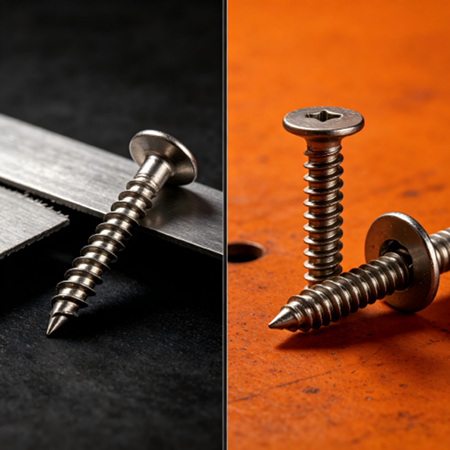
Self-Tapping Screws vs. Machine Screws: How to Choose the Right Threaded Fastener for Sheet Metal
Self-tapping vs machine screws for sheet metal. Compare features, applications, and choose the right fastener.
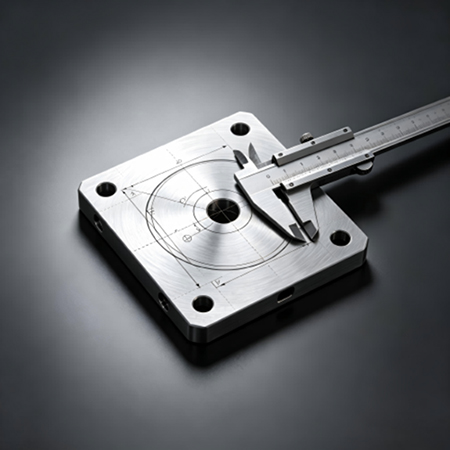
Sheet Metal Tolerances That Cost Too Much? How to Set Them Right and Save
Guide to sheet metal tolerances. How to set realistic tolerances that balance precision and cost.
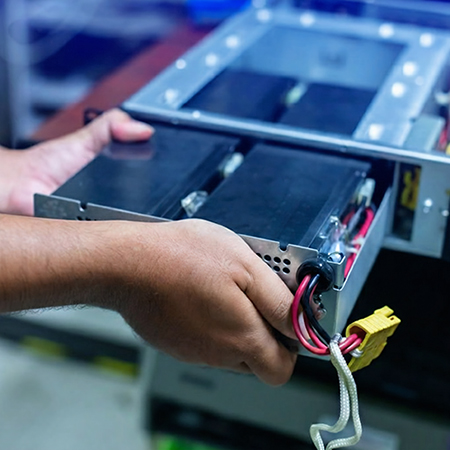
Custom Metal Components for Communication and Power Modules
Custom metal components for communication and power modules: design, materials, and manufacturing.
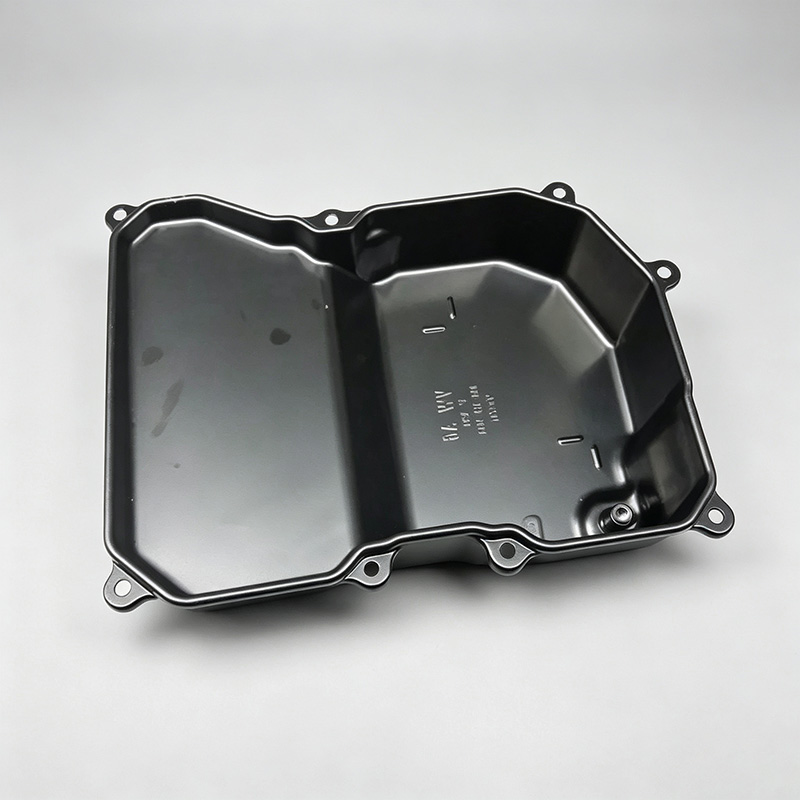
Industrial Applications of Precision Support and Mounting Brackets
Precision mounting brackets across industries: automation, medical, aerospace, and more.