+8613003178786
  sales@lingyufab.com



Industrial Applications of Precision Support and Mounting Brackets
08
Sep’2026Industrial Applications of Precision Support and Mounting Brackets
What Are Precision Support and Mounting Brackets?
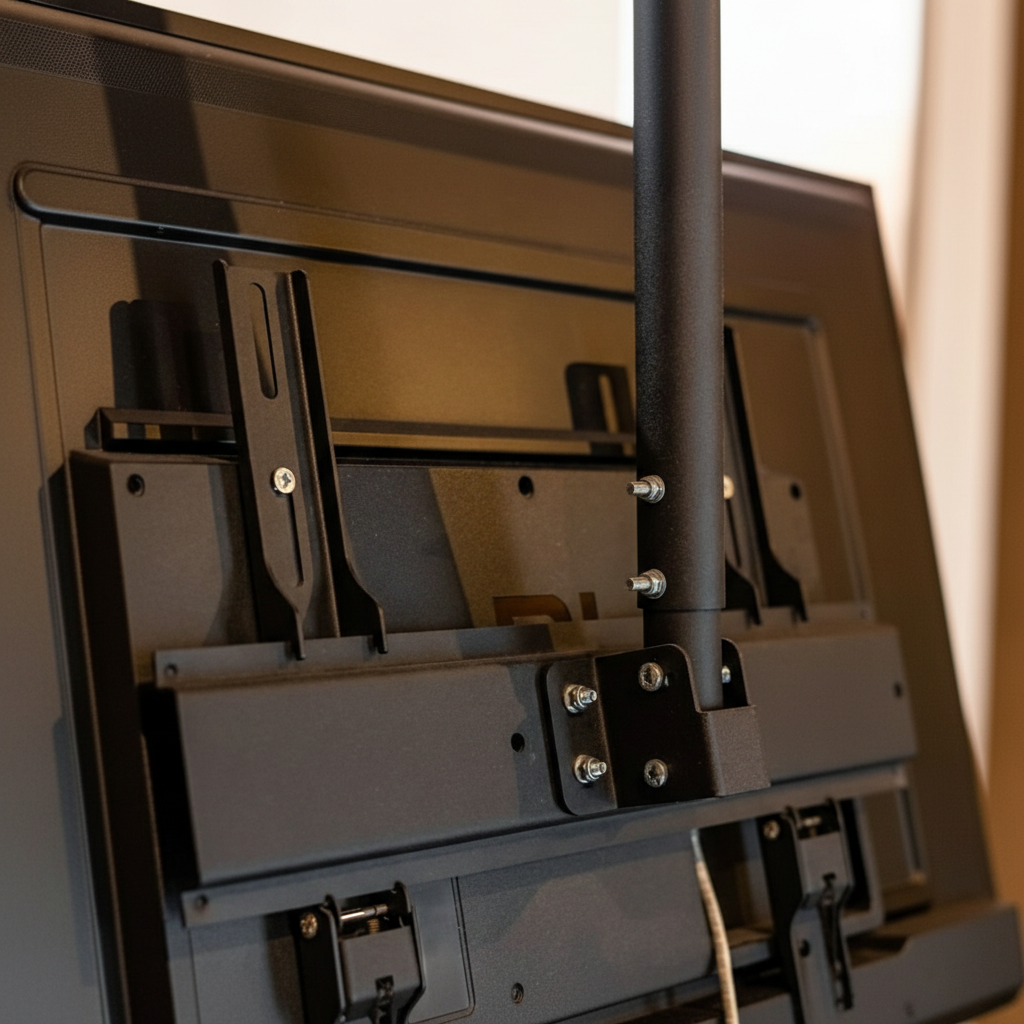
A precision support and mounting bracket is a custom-engineered metal component that creates secure, accurately positioned mechanical interfaces between equipment and its surrounding structure. These brackets do more than simply hold components in place—they establish and maintain precise spatial relationships that are essential for proper equipment function, whether that means aligning a robotic arm end-effector, positioning a sensor in a medical imaging system, or supporting a PCB within a telecommunications enclosure.
What distinguishes a precision bracket from a common hardware-store angle bracket is the combination of tight dimensional control, application-specific design, and engineering-grade materials. While a standard bracket might have tolerances of ±1mm or more, precision brackets consistently achieve hole-position accuracy of ±0.1mm and bend-angle precision of ±0.5 degrees. This level of accuracy ensures that every bracket arrives ready for "drop-in" installation, eliminating the costly field modifications, shimming, and rework that plague projects using lower-quality components.
In many cases, a well-designed precision bracket also consolidates multiple functions into a single part. Beyond basic support, brackets can incorporate cable management features, provide EMI shielding through conductive materials and grounding paths, enable adjustment for fine-tuning during installation, and include integrated hardware such as PEM nuts and standoffs that simplify final assembly.
The manufacturing journey from flat sheet metal to a finished precision bracket involves several critical steps: laser cutting produces accurate blanks and intricate hole patterns; CNC bending and sheet metal bending form the flat material into complex 3D geometries; and hardware insertion—whether self-clinching or welded—adds the threaded mounting points needed for final assembly.
Lingyufab is a professional China-based OEM specializing in high-quality custom build-to-print fabrication of precision brackets and structural components. With over 20 years of precision sheet metal experience, we transform technical drawings into precision customized supports, mounting plates, and internal structural components for industrial and electronic systems. As a direct manufacturer serving over 50 global clients, we strictly follow Japanese quality management systems and provide complete services from rapid prototyping to mass production.
Why Precision Brackets Are Critical Across Industries
Precision mounting brackets are often overlooked as simple components, but their role in system reliability and performance is fundamental. A bracket that fails to hold alignment or distorts under load can cause misalignment of connected components, leading to premature wear, equipment failure, or safety hazards.
Structural Integrity – Brackets must support the weight of mounted components while resisting vibration, shock, and thermal cycling. Industries such as aerospace, automotive, and industrial automation require brackets that maintain structural integrity under demanding conditions. Steel and stainless steel brackets provide the strength needed for heavy-duty applications, while aluminum brackets offer excellent strength-to-weight ratios for weight-sensitive designs.
Dimensional Accuracy – In precision equipment, even small deviations in bracket dimensions can cause assembly problems. For example, a PCB mounting bracket with hole positions out of tolerance by 0.2mm can prevent the board from seating correctly, leading to solder joint stress or electrical connection issues. For this reason, high-quality brackets are manufactured to tolerances that ensure "drop-in" fit with no rework required.
Environmental Resistance – Brackets installed in outdoor, corrosive, or high-temperature environments must resist degradation. Material selection—choosing between steel, stainless steel, or aluminum with appropriate surface finishing—directly affects the bracket's service life and the reliability of the equipment it supports.
Cost Efficiency – Well-designed precision brackets simplify assembly, reduce labor costs, and minimize the need for field modifications. Custom brackets can also consolidate multiple functions—such as mounting, cable routing, and EMI shielding—into a single component, reducing part count and simplifying supply chains.
Key Industries and Applications for Precision Mounting Brackets
Industrial Automation and Robotics
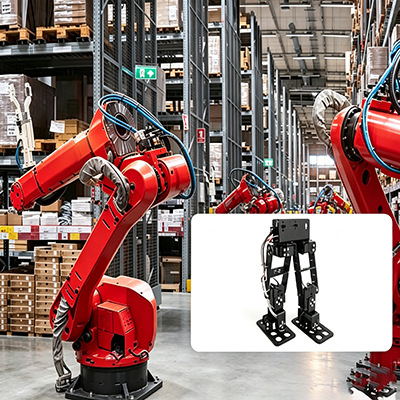
Industrial automation and robotics represent one of the largest and most demanding application areas for precision mounting brackets. In automated production lines, robots, actuators, sensors, and control systems must be positioned with high accuracy and maintained in precise alignment throughout thousands of operating hours.
Robot Arm and End-Effector Mounts – Robotic arms require brackets that position actuators, grippers, and sensors with repeatable accuracy. These brackets must withstand dynamic loads from rapid acceleration and deceleration while maintaining alignment for tasks such as welding, assembly, or material handling.
Sensor and Vision System Brackets – Machine vision systems and proximity sensors must be positioned precisely relative to the workpiece. Precision brackets hold sensors at exact angles and distances, ensuring consistent inspection and measurement results. Many brackets for vision systems require adjustment features to allow fine-tuning during setup.
Control Cabinet and Panel Mounts – PLCs, servo drives, and power supplies are mounted inside control cabinets using brackets and mounting plates. These brackets must provide secure attachment while allowing access for maintenance and cable routing. The integration of sheet metal assemblies with pre-installed hardware such as PEM nuts and standoffs simplifies final assembly.
Conveyor and Material Handling Systems – Conveyor systems use mounting brackets to position motors, drive rollers, and guide rails. These brackets often need to accommodate high static loads and resist deformation over years of continuous operation.
Electronics and Telecommunications
The electronics and telecommunications industry relies heavily on precision brackets to support and organize internal components within enclosures. As equipment becomes more compact and densely packed, the demand for precisely manufactured brackets continues to grow.
PCB and Component Mounting Brackets – Printed circuit boards require secure mounting with precise alignment to connectors and chassis features. PCB brackets, also known as card guides or board retainers, ensure that boards seat correctly and remain stable under vibration. These brackets often incorporate self-clinching fasteners for easy board attachment and removal.
Server and Networking Chassis Components – Server racks and network switches use brackets extensively for mounting power supplies, hard drives, I/O cards, and cooling fans. The bracket design must support high-density configurations while managing airflow and cable routing. Stainless steel brackets are often specified for their EMI shielding properties and corrosion resistance.
EMI Shielding Brackets – In telecommunications equipment, brackets frequently serve dual purposes: mechanical support and electromagnetic interference (EMI) shielding. Conductive brackets, often manufactured from galvanized steel or stainless steel, create grounding paths that contain electromagnetic emissions and protect sensitive circuits.
Antenna and Wireless Module Mounts – Outdoor telecommunications equipment requires brackets that position antennas and wireless modules while resisting wind loading and environmental corrosion. 304 or 316 stainless steel is often specified for these applications.
Medical Devices and Healthcare Equipment
Medical device manufacturing demands the highest standards of precision, cleanliness, and reliability. Brackets used in medical equipment must meet stringent regulatory requirements while functioning flawlessly in critical applications.
Surgical Instrument and Robot Brackets – Surgical robotics and powered instruments require brackets with extreme accuracy to position tools and end-effectors during procedures. These brackets are often manufactured from stainless steel for corrosion resistance and compatibility with sterilization processes.
Diagnostic Equipment Supports – Medical imaging systems such as MRI, CT, and ultrasound machines use precision brackets to position detectors, emitters, and patient positioning systems. These brackets must maintain alignment within tight tolerances to ensure image quality, while using non-magnetic materials where required.
Patient Monitoring and Treatment Equipment – Brackets in patient monitors, infusion pumps, and ventilators must be reliable and easy to clean. Stainless steel and aluminum brackets with smooth finishes and no crevices are typical for these applications.
Medical Device Enclosures and Carts – The enclosures and carts that house medical equipment use brackets to secure internal components and provide mounting points for user interfaces and accessories. These brackets must balance strength with weight, as portability is often important.
Automotive and Aerospace Applications
Automotive and aerospace industries demand brackets that combine high strength with lightweight construction. In these applications, every gram of weight directly affects fuel efficiency and payload capacity, while reliability is non-negotiable.
Vehicle Structural Brackets – Automotive brackets support and secure various components such as batteries, electronic control units, sensors, and wiring harnesses. Aluminum brackets are increasingly used to reduce weight, while steel brackets are specified for high-load applications such as engine mounts and suspension components.
Aerospace Interior Components – Aircraft interiors require brackets for seating, overhead bins, lighting, and entertainment systems. These brackets must meet rigorous fire safety and weight standards, with aluminum and titanium specified for their strength-to-weight ratios.
Precision Positioning Systems – Aerospace and automotive testing systems use precision brackets to position sensors, actuators, and measurement devices during validation and quality control procedures. These brackets must maintain accuracy over thousands of test cycles.
Battery and Power System Mounts – Electric vehicles and hybrid systems require brackets that secure battery packs and power electronics while managing thermal loads. The bracket design must account for significant weight and provide robust vibration resistance.
Renewable Energy and Outdoor Infrastructure
Renewable energy systems and outdoor infrastructure present unique challenges: exposure to weather, UV radiation, and temperature extremes over extended service lives.
Solar Panel Mounting Brackets – Solar panel installations require brackets that secure panels to tracking systems or fixed structures while resisting wind loads and corrosion. Aluminum brackets are common due to their corrosion resistance and lightweight properties, while stainless steel hardware prevents galvanic corrosion with dissimilar metals.
Wind Turbine Component Supports – Wind turbines use brackets to position sensors, control modules, and power conditioning equipment within the nacelle and tower. These brackets must withstand continuous vibration and extreme temperature fluctuations.
Traffic Control and Lighting Infrastructure – Traffic signals, roadway lighting, and message signs rely on brackets for mounting and positioning. Galvanized steel and aluminum brackets are specified for their corrosion resistance in outdoor environments.
Telecommunications Tower Equipment – Brackets on cell towers must secure antennas, radios, and cables while resisting wind loading and environmental degradation. Stainless steel and heavy-duty galvanized brackets are standard for these demanding applications.
Key Design Requirements Across Different Industries
While applications vary, several common design requirements apply across most precision bracket projects:
| Design Factor | Key Considerations |
|---|---|
| Load Capacity | Static and dynamic loads; safety factors; vibration resistance |
| Dimensional Accuracy | Hole position ±0.1mm; bend angle ±0.5°; flatness requirements |
| Material Selection | Steel for strength; stainless steel for corrosion resistance; aluminum for lightweight and thermal performance |
| Surface Finish | Powder coating for steel; anodizing for aluminum; passivation for stainless steel |
| Hardware Integration | PEM nuts, studs, standoffs; self-clinching vs. welded hardware |
| Environmental Resistance | IP/NEMA ratings; corrosion protection; UV resistance; temperature range |
| Manufacturing Process | Laser cutting and CNC bending for accurate blanks; sheet metal bending for complex geometries; hardware insertion for ready-to-assemble components |
| Cost and Production Volume | Prototyping vs. mass production; tooling investment; lead time requirements |
Lingyufab: Precision Sheet Metal Fabrication Supplier in China
Lingyufab combines over 20 years of precision sheet metal experience with a comprehensive approach to custom bracket manufacturing. As a professional China-based OEM specializing in high-quality custom build-to-print fabrication, we transform technical drawings into precision customized structural supports, PCB brackets, and internal mounting plates for industrial and electronic systems.
Our integrated manufacturing capabilities cover the entire production cycle—from design review and DFM optimization to fabrication, assembly, and finishing. We utilize high-precision fiber laser cutting systems for intricate patterns and rapid prototyping, CNC bending centers for precise angle control, high-tonnage stamping presses, and expert welding stations to fabricate complex custom brackets.
We specialize in integrating precision hardware such as PEM nuts, studs, and standoffs through automated insertion processes to simplify final assembly. Our complete sheet metal assemblies service ensures that every bracket is delivered ready to install, with all hardware pre-installed and quality verified.
We operate under the ISO 9001:2015 quality management system and strictly follow Japanese quality management standards, with rigorous full-process inspection at every stage from raw material to final delivery. Our engineering team provides DFM reviews to optimize designs for lower costs and improved manufacturability.
Not sure which application or design fits your mounting bracket project? Contact Lingyufab today with your design files and application requirements. Our engineering team will review your specifications and provide a competitive quote within 24 hours.
FAQs About Precision Support and Mounting Brackets
What is the difference between a standard bracket and a precision bracket?
Standard brackets typically have generous tolerances and are designed for general applications. Precision brackets are manufactured to tighter tolerances (typically ±0.1mm for hole positions and ±0.5° for bend angles), ensuring exact fit and eliminating the need for field modifications.
What materials are commonly used for precision mounting brackets?
Steel (SPCC/CRS) is the most common due to its strength and cost-effectiveness. Stainless steel (304/316) is specified for corrosion resistance, and aluminum (5052/6061) is chosen for lightweight and thermal performance. Galvanized steel (SGCC/SECC) is also used for EMI shielding and corrosion protection.
Which industries use precision mounting brackets most extensively?
Precision brackets are found across virtually all manufacturing industries. Major users include industrial automation, robotics, electronics and telecommunications, medical devices, automotive, aerospace, and renewable energy systems.
How do I choose the right bracket material for my application?
Consider load requirements, environmental conditions, weight constraints, and thermal requirements. Steel is best for heavy loads and general use; stainless steel is required for corrosive or outdoor environments; and aluminum is preferred when weight reduction is critical.
Can Lingyufab manufacture custom brackets from different materials?
Yes. Lingyufab fabricates precision brackets from SPCC steel, stainless steel (304/316), and aluminum (5052/6061). We can help you select the optimal material based on your specific application, environment, and budget.