
 +8613003178786
  sales@lingyufab.com
Metal Cable Tray
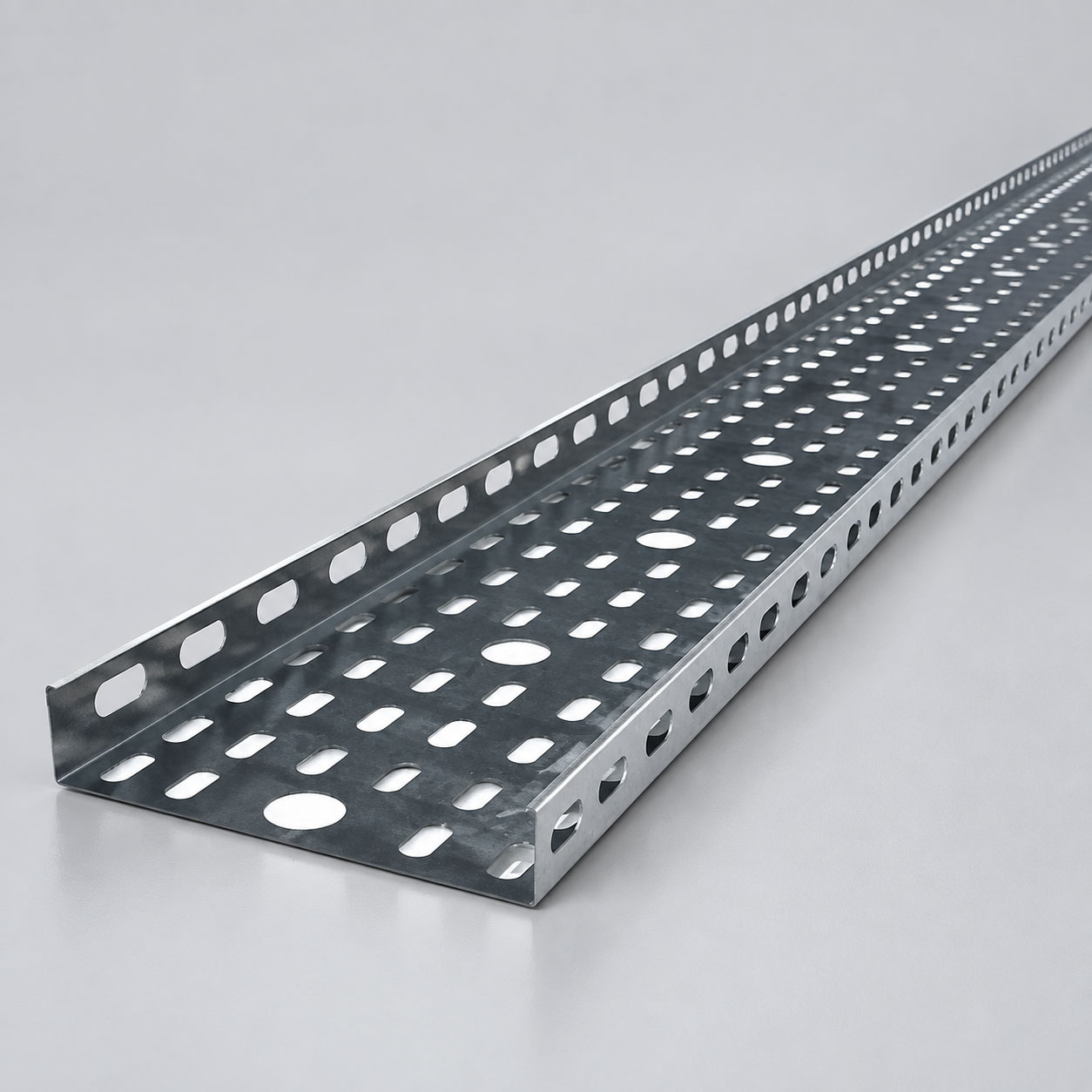
Leading Metal Cable Tray Manufacturer
Lingyufab (Shanghai Lingyu Industrial Co., Ltd.) is a sheet metal fabrication and assembly manufacturer, established in 2003. Metal cable trays are one of the main product categories within our broader sheet metal manufacturing business. With over 20 years of experience, we handle the full production process in-house—laser cutting, CNC bending, stamping, welding, and surface treatment—which keeps quality consistent and lead times under control. As a Mitsubishi Electric certified core supplier, we serve industrial, commercial, data center, and infrastructure customers with reliable, cost-effective cable tray solutions. From 1-piece prototypes to high-volume production, we deliver precision and dependability.
Lingyufab (Shanghai Lingyu Industrial Co., Ltd.) is a sheet metal fabrication and assembly manufacturer, established in 2003. Metal cable trays are one of the main product categories within our broader sheet metal manufacturing business. With over 20 years of experience, we handle the full production process in-house—laser cutting, CNC bending, stamping, welding, and surface treatment—which keeps quality consistent and lead times under control. We support order sizes from a single sample to 100-piece pilot runs to ongoing mass production, with current monthly output exceeding 5,000 units.
Metal cable trays are structural support systems, so specifications are driven by load capacity, cable volume, and installation environment.
Every cable routing project has its own layout and load requirements, so Lingyufab treats each cable tray as a custom project rather than a catalog item. We produce:
We also handle custom widths, heights, hole patterns, and coupling designs based on your drawings or samples. Our engineering team can assist with design optimization and cost reduction, and reverse engineering is available if only a physical sample exists. Prototyping starts at zero MOQ.
A metal cable tray may look like a simple formed channel, but producing one consistently involves several sheet metal processes working in sequence. Laser cutting or blanking shapes the flat outline, stamping creates the perforations and mounting features, CNC bending forms the side rails and bottom profile, welding joins multi-piece assemblies and reinforcement ribs, and surface treatment prepares the part for its working environment. At Lingyufab, all of these steps happen under one roof rather than being handed off between vendors, which keeps tolerances tight and lead times predictable. Because fasteners and coupling hardware are also made in-house, splice plates and mounting accessories can be pre-installed before the cable trays ship, reducing assembly work at the customer's end.
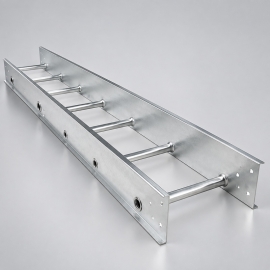
Features of Metal Cable Tray
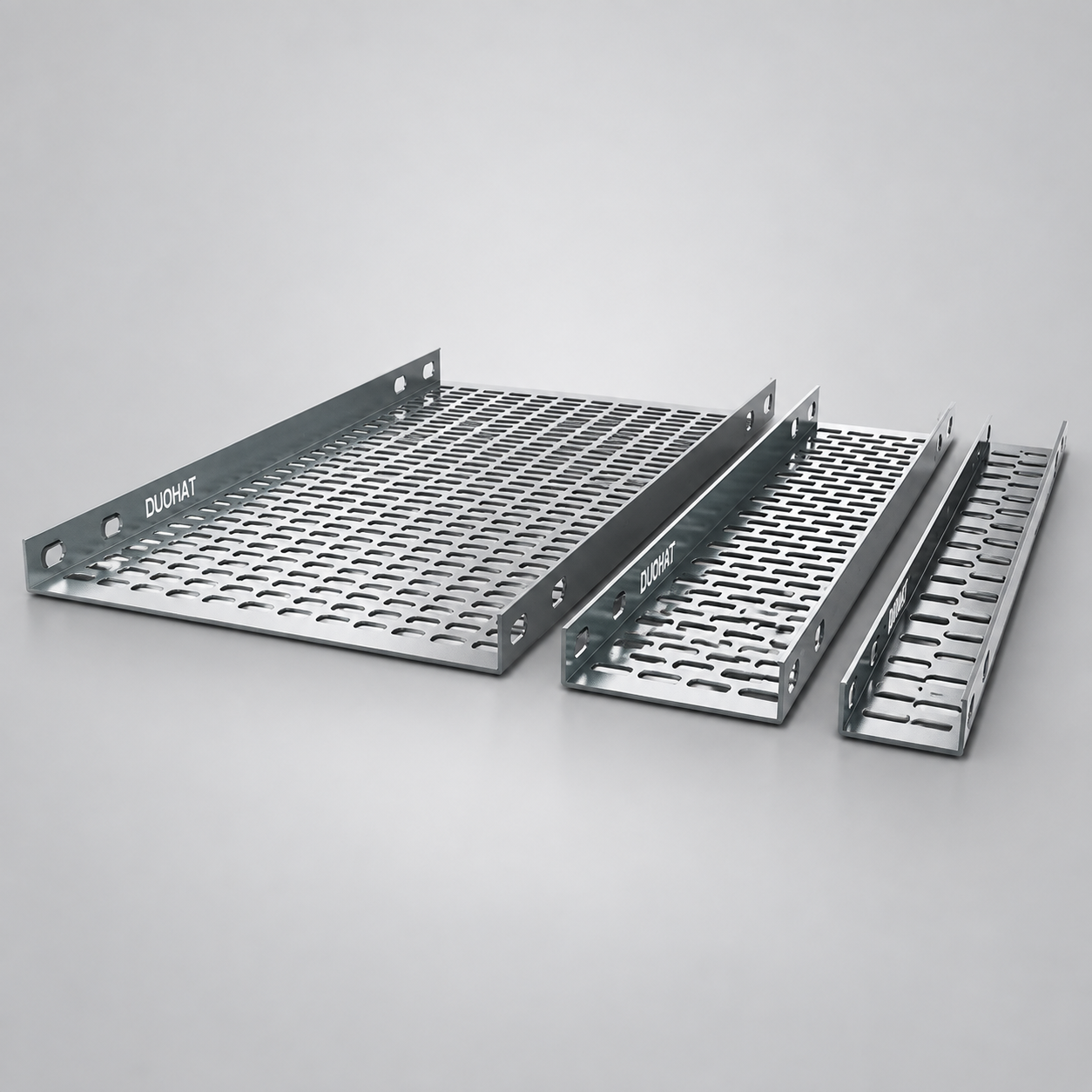
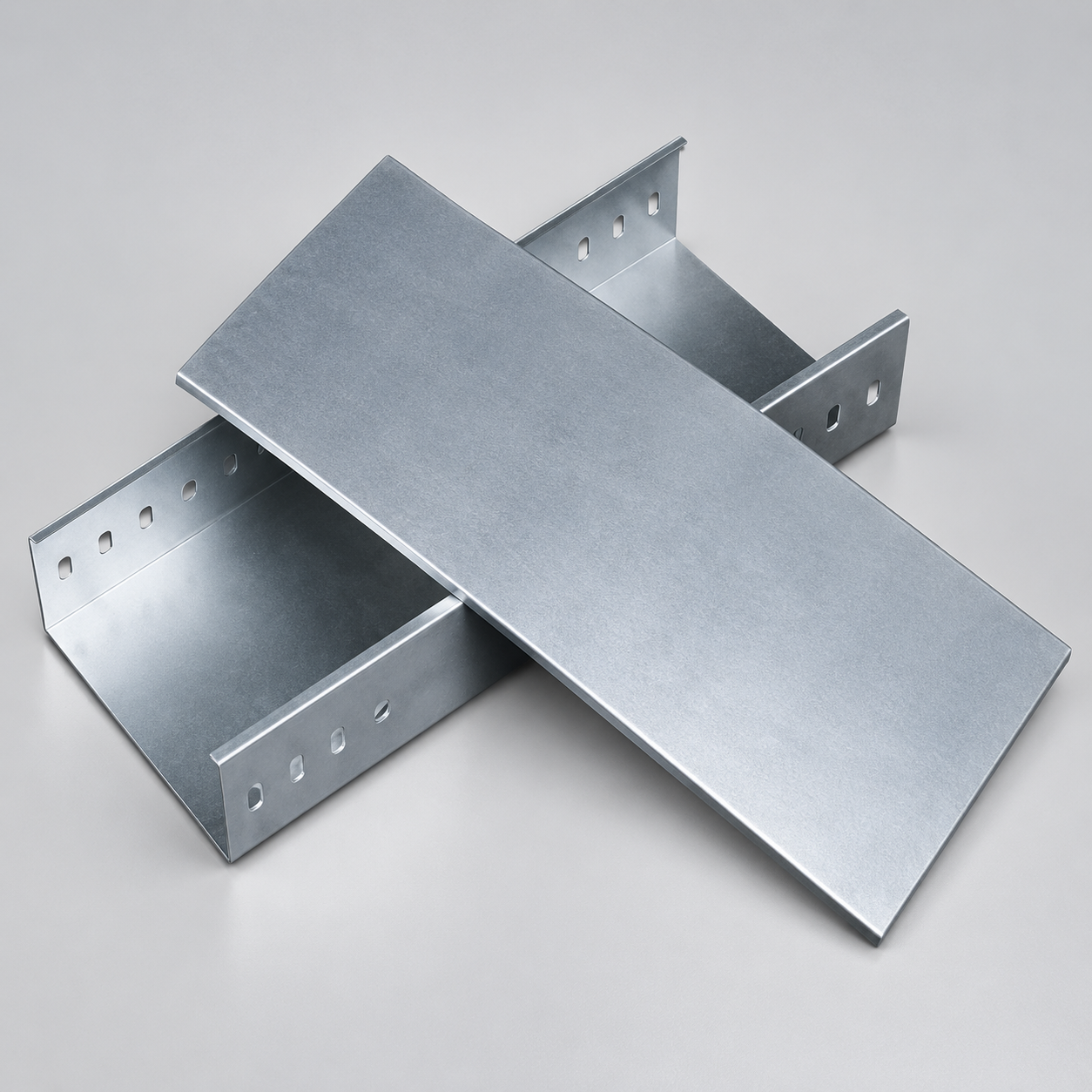
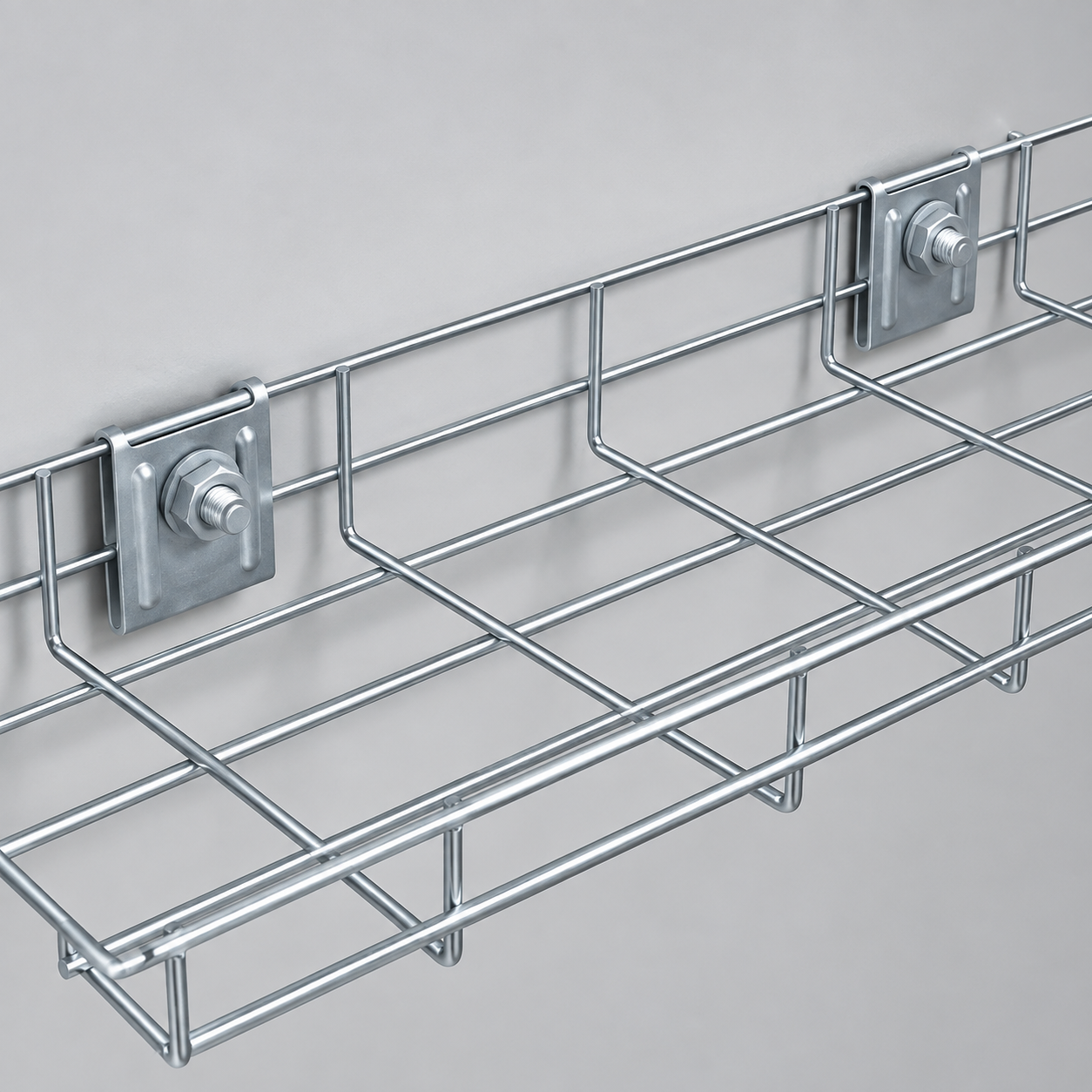
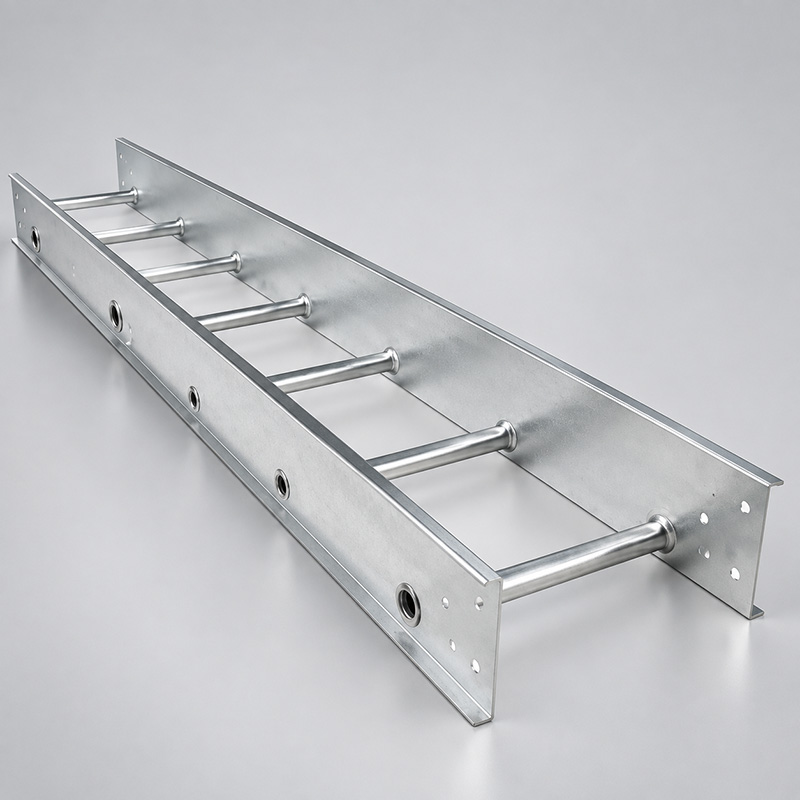
Metal cable trays are structural support systems designed to manage, protect, and route electrical and communication cables. They are typically formed from pre-galvanized steel, stainless steel, or aluminum, with thickness ranging from 0.8mm to 2.5mm depending on load requirements. Standard features include precision-punched or slotted bottoms for ventilation and cable tie-down, formed side rails with reinforced edges for structural rigidity, and pre-punched coupling holes for quick splice connections. Available in ladder, perforated trough, solid trough, and wire mesh configurations. Surface finishing options include pre-galvanized, hot-dip galvanized, powder coating, and stainless steel. Full material traceability with Mill Test Certificates (MTC) for every batch.
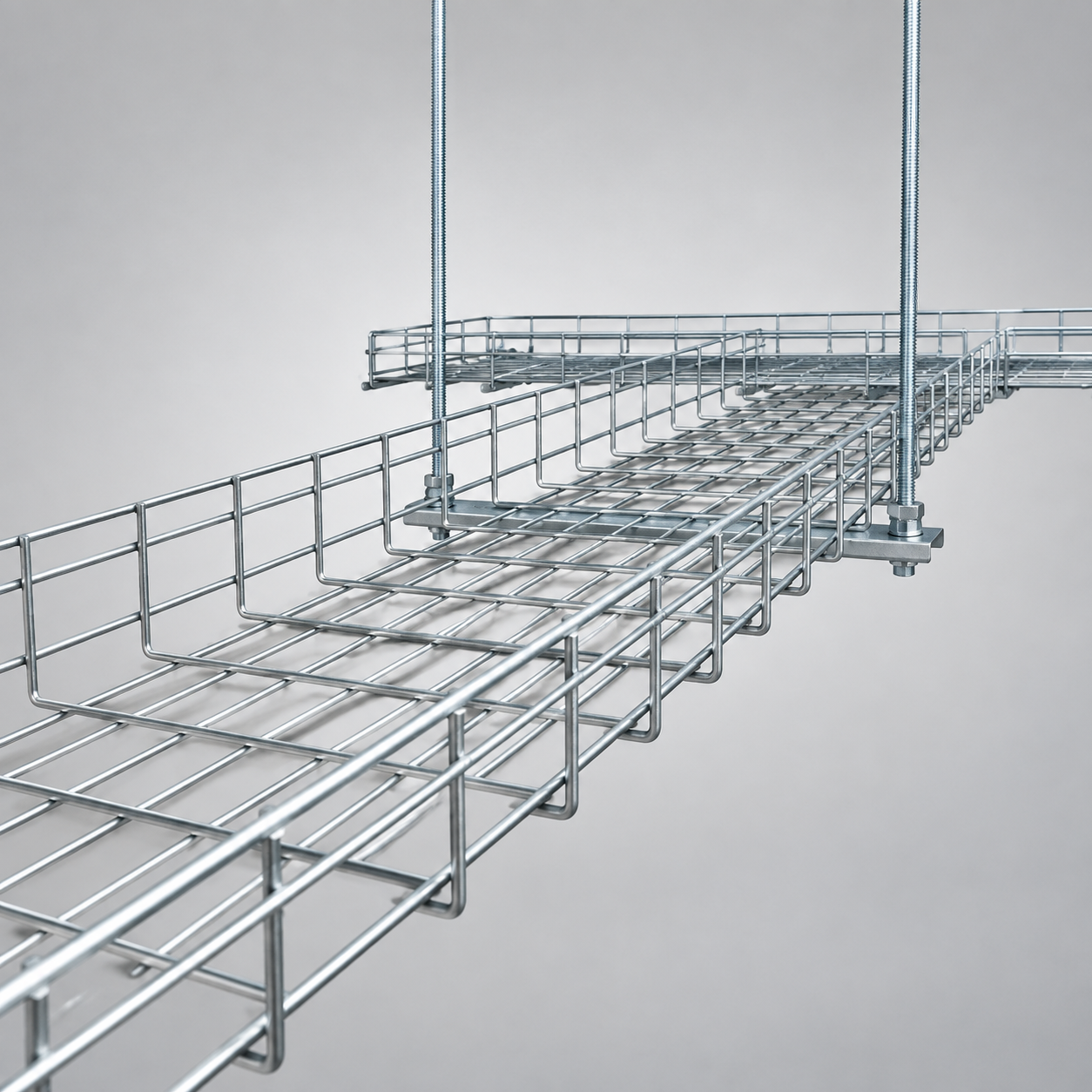
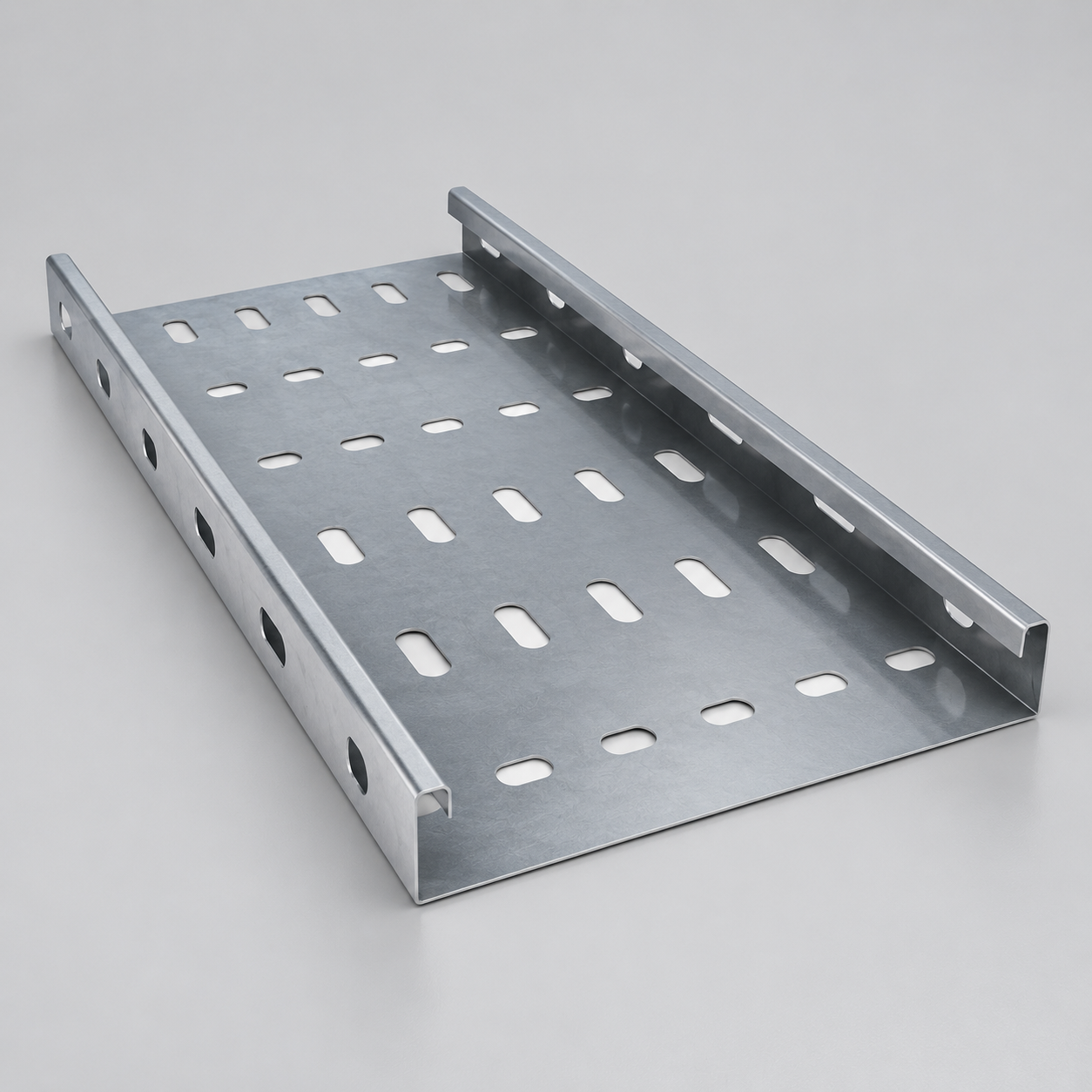
Applications of Metal Cable Tray
Metal cable trays are used wherever electrical or communication cables need organized, protected routing. In industrial facilities, they carry power and control cables between machinery, panels, and substations. Commercial buildings and data centers rely on perforated and wire mesh trays for structured cabling and network infrastructure. Infrastructure projects use heavy-duty ladder trays for power distribution in tunnels, bridges, and utility corridors. Manufacturing plants and warehouses use cable trays to protect wiring from dust, moisture, and mechanical damage. Renewable energy installations, including solar farms and wind turbines, use cable trays for outdoor cable management. Lingyufab supports 1-piece prototyping, 100-piece pilot runs, and high-volume mass production with monthly delivery exceeding 5,000 units.
A metal cable tray is a rigid structural system used to support, route, and protect electrical and communication cables. It is not just a simple channel—it carries the weight of cables, maintains proper separation between power and data lines, and provides a defined path for cable management throughout a facility. Metal cable trays are typically formed from pre-galvanized steel, stainless steel, or aluminum, with thickness ranging from 0.8mm to 2.5mm. They are used in industrial plants, commercial buildings, data centers, infrastructure projects, and renewable energy installations.
Lingyufab supports 1-piece prototyping, 100-piece pilot runs, and high-volume mass production with monthly delivery exceeding 5,000 units.
Producing a cable tray that supports cables properly and installs efficiently comes down to a few practical points:
Thickness typically ranges from 0.8mm to 2.5mm depending on load requirements.
A cable tray that does not fit properly can cause installation delays and cable damage, so dimensional accuracy matters.
These standards are maintained through laser cutting, stamping, CNC bending, and welding equipment, along with in-process inspection and final quality checks.
Quality control covers the full production sequence:
Lingyufab produces a range of metal cable tray and related components:
Lingyufab (Shanghai Lingyu Industrial Co., Ltd.) is a professional sheet metal fabrication and assembly manufacturer, established in 2003. Metal cable trays are one of the main product categories within our broader sheet metal manufacturing business.
Our Shanghai facility handles laser cutting, CNC bending, stamping, welding, and surface treatment in-house, giving us full control over dimensional accuracy and finish quality. We are ISO 9001:2015 certified and support projects ranging from a single prototype to 100-piece pilot runs to high-volume production exceeding 5,000 units per month. In-house fastener manufacturing allows us to pre-install coupling hardware and mounting accessories before shipment, reducing assembly work for our customers.
As a Mitsubishi Electric certified core supplier, we serve industrial, commercial, data center, and infrastructure customers with reliable, cost-effective cable tray solutions. With competitive pricing, 15-20% cost savings through in-house production, and full material traceability with MTC for every batch, Lingyufab delivers dependable metal cable tray solutions for customers worldwide.
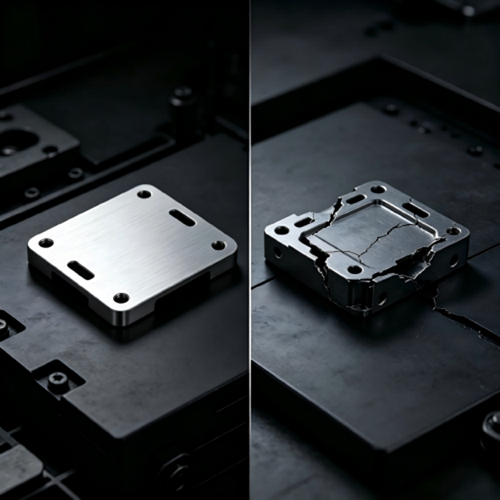
Why Your Sheet Metal Prototype Works, But Production Fails: 5 Critical Gaps to Close
Why prototypes fail in production. 5 critical gaps and how to close them for successful scale-up.

Sheet Metal Parts Inspection Guide: A Practical Checklist for Buyers and Quality Engineers
Sheet metal parts inspection guide. Practical checklist for buyers and quality engineers. Dimensional, surface, weld, finish.
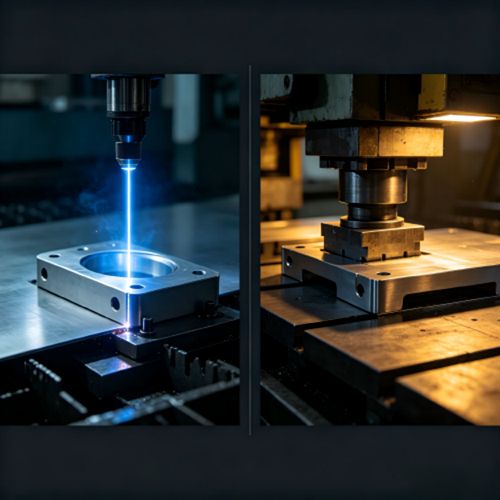
Laser Cutting vs. Stamping: How to Choose the Right Sheet Metal Process for Your Project
Laser cutting vs stamping. Compare cost, volume, and quality. Choose the right process.