
 +8613003178786
 sales@lingyufab.com
How to Choose a Sheet Metal & Fastener Partner
Qualify the Partner Before You Release an RFQ
A buyer can regret one omission before an RFQ is even issued: failing to establish who controls the sheet metal part, the installed fasteners, the inspection record, and the final assembly. When these activities are split across separate suppliers, responsibility for fit-up, missing hardware, thread damage, finish protection, and dimensional variation can become unclear.
For procurement and engineering teams, the practical choice is usually between a fabricator that supplies formed sheet metal only and a sheet metal and fastener manufacturer that can manufacture, install, inspect, and assemble the required parts under one production scope. The second option fits projects such as control boxes, brackets, chassis, server racks, equipment enclosures, front panels, and machine frames where the metal part and its hardware must function together.
Lingyufab, also known as Shanghai Lingyu Industry, has specialized in sheet metal and fastener manufacturing since 2003. Our scope includes laser cutting, CNC bending, stamping, TIG/MIG welding, surface finishing, installed hardware, and assembly. Buyers sourcing Enclosure Chassis Assemblies can therefore assess one manufacturing source for the formed structure and the associated hardware requirements.
The conclusion is simple: shortlist a partner based on control of the full supplied condition, rather than based on a machining or fastener catalog alone. This approach is especially suitable when your drawing calls for welded nuts, studs, screws, mounting points, or multi-part assemblies. A sheet-only supplier can still be suitable for flat blanks or simple formed parts that receive hardware later at your own facility.
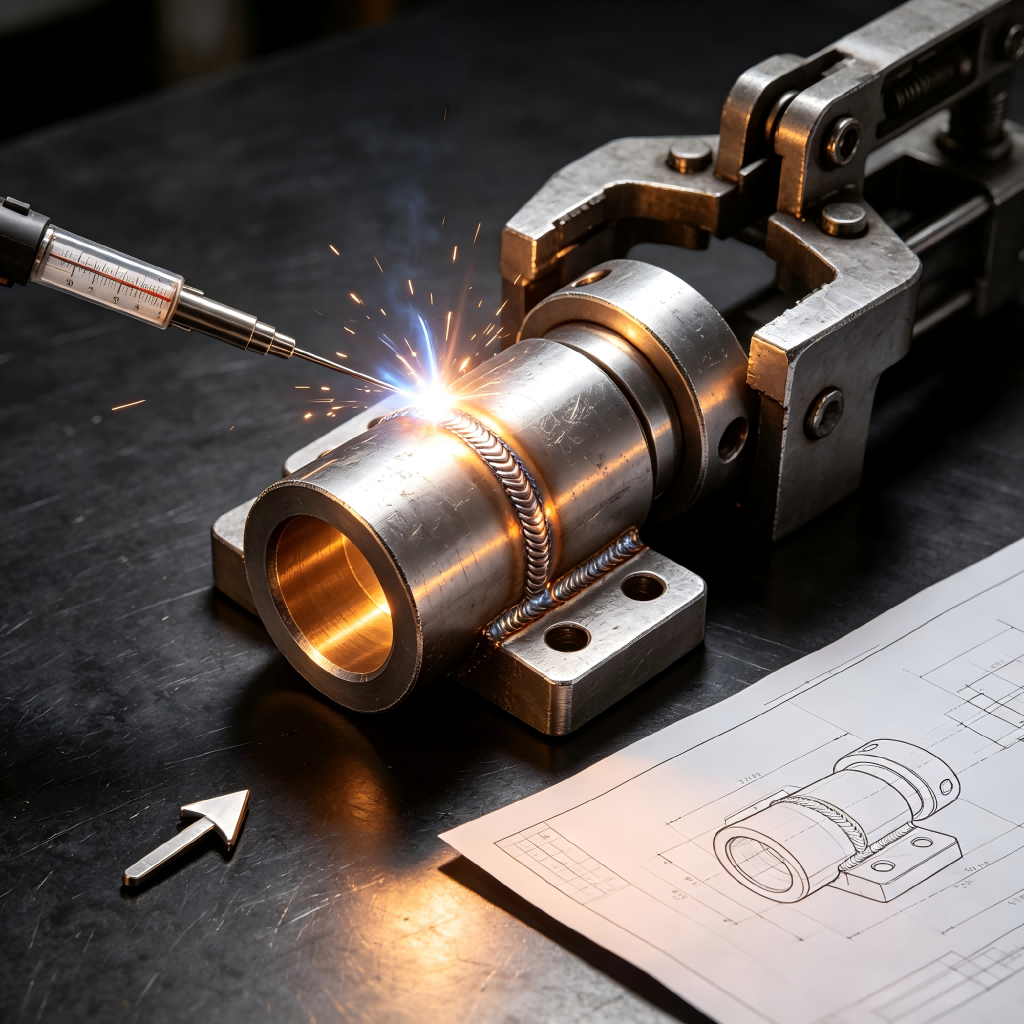
Start with the actual product scope
Define what you expect to receive at delivery. “Fabricated bracket” and “bracket with installed nut, fasteners, finish, and final inspection” are different sourcing packages. Place the required supplied condition directly in the RFQ line item and drawing notes.
Sheet metal parts: laser-cut, punched, bent, welded, or finished components supplied individually.
Installed-hardware parts: sheet metal components supplied with specified nuts, studs, screws, or other hardware already integrated.
Sub-assemblies: multiple fabricated parts joined and supplied as a ready-to-integrate unit.
Fastener products: standard screws, self-tapping screws, machine screws, hex bolts and nuts, washers, or custom fasteners sourced to the stated requirement.
For hardware-integrated designs, review the supplier’s Pre Installed Hardware And Sub Assemblies capability early. This avoids a late change where a sheet metal supplier delivers formed parts but your team must arrange separate hardware installation and additional receiving inspection.
Match Manufacturing Capability to the Functional Requirement
Choose processes based on the part’s functional features, material, tolerance needs, and assembly condition. A supplier’s equipment list only matters when it supports the features shown on your drawing. The right question is not merely whether a supplier offers laser cutting or bending; it is whether those processes are controlled together for your specific part.
| Requirement on the Drawing | Capability to Verify | Why It Matters | Best-Fit Scenario | Limit to Clarify |
|---|---|---|---|---|
| Profiles, holes, cutouts, and panel openings | Laser cutting and sheet metal punching | Feature positions affect bend alignment, mounting, and later hardware installation. | Enclosures, front panels, mounting plates, and chassis components. | Confirm drawing revision, datum references, and any feature-specific tolerances. |
| Flanges, return bends, formed channels, and brackets | CNC bending and press brake forming | Bend geometry influences clearances, assembly access, and hardware position. | Brackets, frames, cabinets, and electrical control boxes. | Confirm bend direction, inside bend requirements, and accessible tooling space. |
| Joined panels or structural sections | TIG welding or MIG welding | Joining method influences structural layout and final assembly sequence. | Welded frames, chassis, and enclosure bodies. | Define weld locations, appearance expectations, and inspection acceptance criteria. |
| Installed nuts, studs, bolts, or threaded hardware | Integrated fastener installation | Hardware location and retention affect fit-up with mating parts. | Control boxes, electronics chassis, machine guards, and serviceable panels. | State the hardware type, quantity, position, material, and installation condition. |
| Close-fit assemblies | Dimensional inspection and assembly control | Tolerance stack-up can appear only after forming and hardware installation. | Server chassis, precision brackets, and multi-part modules. | Identify which dimensions require measured records or first-piece approval. |
Lingyufab processes carbon steel, aluminum, and stainless steel including 304 and 316 grades. Our manufacturing capability covers laser cutting, CNC bending, stamping, TIG/MIG welding, and finishing for parts made to technical drawings. We can support tight tolerances down to ±0.05mm where the drawing, feature geometry, material, and process allow it. That level is relevant for controlled mating features and precision brackets; it should not be assumed as a blanket tolerance for every dimension on every fabricated assembly.
For a chassis or equipment mounting project, use a drawing package that identifies critical datums and mating interfaces. For a general cover panel with broad fit allowance, applying the same close tolerance to every feature may add unnecessary process control. The suitable requirement depends on function, not on a desire to make every dimension equally tight.
Buyers needing formed structural parts can review our Custom Mounting Brackets offering alongside the specific drawings and assembly requirements.
A Supplier-Selection Checklist That Verifies Who Owns Fabrication, Fastener Installation, Inspection, and Final Assembly
Use the following checklist during supplier shortlisting. The goal is to identify the accountable party for each production stage before comparing quoted prices. A lower part price may be less useful when it excludes hardware installation, inspection evidence, or final assembly work that your team must later coordinate.
| Production Responsibility | Question to Ask the Supplier | Evidence to Request | What a Clear Answer Should Establish |
|---|---|---|---|
| Fabrication | Do you perform laser cutting, bending, stamping, welding, and finishing within your manufacturing scope? | Defined process scope for the quoted part and any outsourced activity disclosure. | Who controls part geometry from raw material through formed or welded condition. |
| Fastener installation | Who installs the specified nuts, studs, bolts, screws, or other hardware? | Quoted hardware list, installation scope, and drawing callout review. | Whether the delivered part includes installed hardware or requires a separate operation. |
| Material control | Can you provide traceability for the quoted material? | Mill Test Certificates for each material batch where required. | How the material grade is linked to the delivered production batch. |
| Inspection | What inspection takes place before shipment, and who approves the final condition? | Inspection scope, acceptance requirements, and agreed documentation needs. | Whether dimensional and visual checks cover the supplied condition, including installed hardware. |
| Final assembly | Can you supply the drawing-defined assembly rather than loose fabricated parts? | Assembly bill of materials, packing requirements, and final configuration definition. | Who verifies component completeness and assembly orientation before packing. |
| Quality response | What remedy applies to manufacturing defects? | Written commercial terms covering replacement or repair responsibility. | How a verified manufacturing issue is handled after delivery. |
At Lingyufab, fabrication and assembly are handled in-house, including integrated fastener installation. We conduct 100% dimensional and visual inspection before shipment and provide Mill Test Certificates for every material batch. If a quality issue results from a manufacturing defect, we offer free replacement or repair. These points matter most for OEM buyers receiving ready-to-use assemblies. They may be less relevant for a buyer intentionally purchasing unfinished blanks for in-house processing.
Also confirm the exact definition of “final assembly.” It can mean a welded cabinet body, a sheet metal frame with installed fasteners, or a multi-part unit packed in a specific orientation. The supplier and buyer should agree on that definition in the quotation and drawing package rather than relying on a broad product label.
Use Quality Evidence That Applies to Export Manufacturing
A qualification decision should be supported by documents and controls that relate directly to your purchase. Certifications show that a supplier operates to identified management standards, while inspection and traceability show how that discipline connects to the actual shipment.
Lingyufab is certified to ISO 9001:2015, ISO 14001, and TÜV CE. We are also a Mitsubishi Electric certified core supplier and follow strict Japanese quality standards in our manufacturing work. For buyers in North America, Europe, Australia, and Asia, these credentials can support supplier evaluation, particularly when your internal process requires documented quality management and material traceability.
However, certification alone does not replace part-specific qualification. A certification does not define your bend angle, thread requirement, assembly orientation, cosmetic expectation, or packaging condition. Those requirements still need to be written into the RFQ, drawing, quality agreement, or purchase order.
Documents to request before purchase-order release
Current drawing revision and a clear list of controlled dimensions.
Material designation, such as carbon steel, aluminum, stainless steel 304, or stainless steel 316.
Required Mill Test Certificate scope for each material batch.
Installed-hardware schedule identifying item type, quantity, and installation location.
Inspection expectations for dimensions, visual condition, and assembled configuration.
Surface finishing requirement and protected areas, if applicable.
Packaging instructions for individual parts, sets, or completed assemblies.
Acceptance responsibility for samples, pilot runs, and production deliveries.
This documentation set is most useful for products where a missing fastener, wrong material grade, or reversed assembly can stop downstream production. For straightforward standard hardware orders, the required documentation may be narrower. Buyers sourcing standard items can also evaluate relevant Fasteners and confirm the exact product specification before ordering.
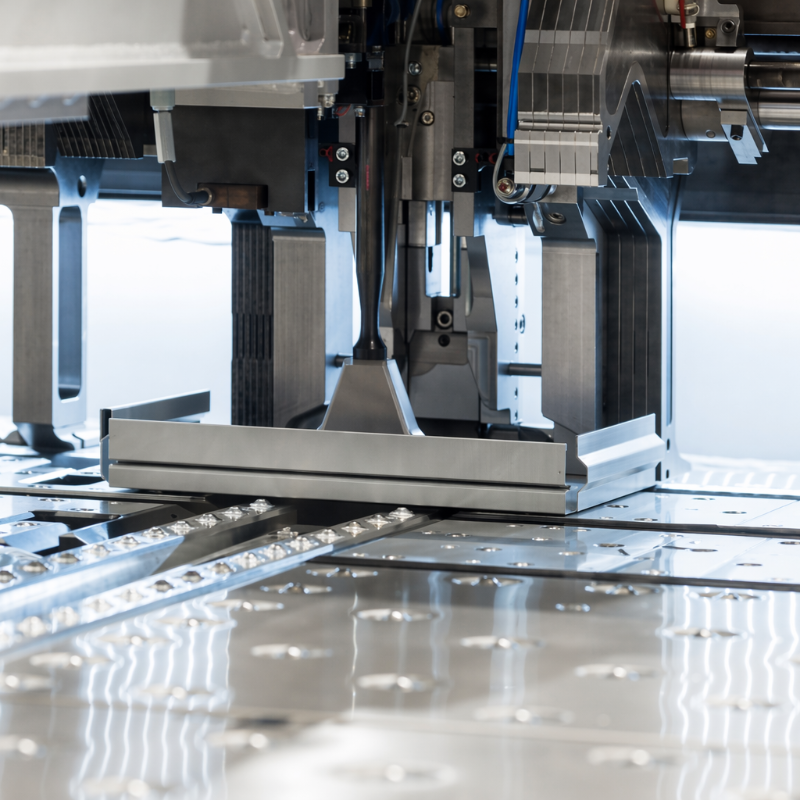
Compare Total Sourcing Cost Instead of Piece Price Alone
The right commercial comparison includes the operations needed to receive a usable part. A quote for a formed shell can appear favorable beside a quote for a completed enclosure assembly, yet the two offers may cover different scopes. Compare like for like before making a price decision.
| Cost Element | Split-Supplier Model | Integrated Manufacturing Model | Buyer Action |
|---|---|---|---|
| Sheet metal fabrication | Quoted by the fabrication supplier. | Included within the fabricated-part scope. | Confirm material, process, finish, and tolerance assumptions. |
| Fastener supply and installation | May require a separate supplier and installation step. | Can be defined as part of the manufactured assembly. | Specify each installed item and the required final condition. |
| Freight and handling between operations | Additional transfers can be required. | Fewer handoffs may be required. | Include internal transport, receiving, and handling in the comparison. |
| Incoming inspection workload | Buyer may inspect fabrication and hardware integration separately. | Buyer receives a defined assembled condition. | Set the inspection evidence required with each delivery. |
| Schedule coordination | Buyer coordinates multiple production dates. | One supplier can coordinate the stated manufacturing scope. | Ask for sample and bulk lead-time assumptions in writing. |
Lingyufab’s in-house vertical integration can reduce overall costs by 15–20% by reducing intermediaries and additional logistics. This is a sourcing advantage where the product genuinely requires multiple linked operations. It is not a universal price outcome for every part, particularly when a buyer only needs a simple standard fastener or a single unfinished sheet metal blank.
Our capacity exceeds 8,000 fasteners and metal sheet assemblies delivered monthly, with full MTC traceability. Standard samples typically require 7–10 days, while bulk production typically requires 20–30 days. For urgent orders, rapid delivery within 48 hours is available in applicable situations. Treat these as planning inputs, then confirm the timing against the drawing, material, finish, order quantity, and shipping requirement for your specific RFQ.
Set Cooperation Terms That Fit Prototype, Pilot, and Production Needs
Early-stage OEM projects benefit from a supplier that can support design validation without forcing an unnecessary production commitment. Lingyufab has zero MOQ for prototyping phases, supporting a one-piece prototype, a 100-piece pilot run, or mass production with the same stated manufacturing rigor.
This model is a good fit when an engineering team needs to verify enclosure clearances, bracket positions, fastener access, or assembly sequence before releasing a larger order. It is less relevant when the product is already fully validated and the buyer only needs recurring supply of a standard catalog item.
Use this RFQ sequence to reduce ambiguity
Define the delivered condition. State whether the requirement is a loose sheet metal part, a part with installed hardware, or a completed assembly.
Submit controlled technical information. Include the current drawing revision, material requirement, finish, critical dimensions, and hardware schedule.
Identify qualification needs. Specify whether you need a prototype, pilot quantity, inspection documentation, or material traceability.
Review process fit. Confirm the proposed laser cutting, CNC bending, welding, hardware installation, and assembly scope against the part function.
Agree commercial boundaries. Confirm lead time, packaging, shipment terms, acceptance criteria, and the defect remedy before releasing a purchase order.
Approve the production condition. Ensure the released drawing and quoted configuration match the exact item your receiving team expects.
This sequence gives the buyer a practical basis for comparing suppliers. It also keeps engineering and purchasing aligned: engineering can protect functional requirements, while procurement can compare scope, timing, documentation, and total sourcing cost.
Common Shortlisting Errors and Better Alternatives
Error: Comparing quotes with different supplied conditions. A formed panel and a finished panel with installed hardware are different deliverables. Better approach: use one RFQ scope statement for every supplier.
Error: Listing “fasteners included” without part details. This leaves material, quantity, location, and installation responsibility open to interpretation. Better approach: attach a hardware schedule to the drawing package.
Error: Applying one tolerance note to the entire assembly. This can create unnecessary control requirements on non-functional dimensions. Better approach: identify the dimensions that control mating, mounting, and fit.
Error: Treating certificates as a substitute for product acceptance criteria. ISO and other certifications support supplier qualification, while the drawing still controls the purchased part. Better approach: pair certification review with part-specific inspection and traceability requirements.
Error: Waiting until production to discuss packaging and assembly orientation. This can affect receiving efficiency and downstream installation. Better approach: define packing condition and labeling expectations before order release.
A suitable partner for an enclosure, chassis, control box, or installed-hardware assembly should be able to explain the exact manufacturing scope and the points that still require agreement. That clarity is more useful than a generic capability claim. For projects requiring integrated metalwork and hardware, evaluate whether the supplier can deliver the specific final condition shown on your drawings.
Submit your drawings and hardware schedule to request a quote for your sheet metal and fastener manufacturer requirements.

