+8613003178786
  sales@lingyufab.com


Key Design Considerations for Precision Electrical-Control-Box Assembly
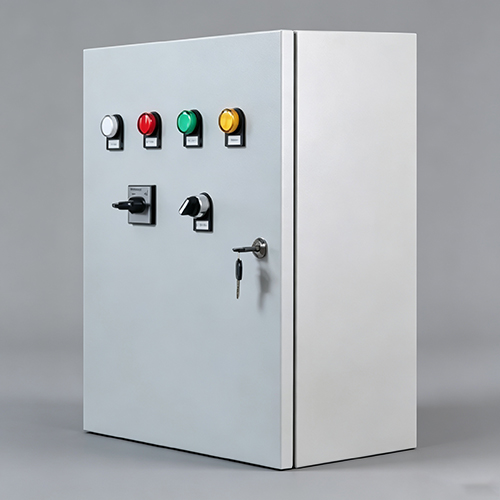
07
Sep’2026Key Design Considerations for Precision Electrical-Control-Box Assembly
What Is Precision Electrical-Control-Box Assembly?
A precision electrical-control-box assembly is a fabricated enclosure designed to house sensitive electronic components, control systems, power distribution units, and communication equipment. These assemblies integrate sheet metal enclosures with installed hardware—including fasteners, mounting brackets, cable management features, and environmental seals—to create a complete, ready-to-install protective housing for electrical and electronic equipment.
Unlike simple enclosures, a precision electrical-control-box assembly involves multiple manufacturing processes: laser cutting, CNC bending, welding, hardware insertion, surface finishing, and final assembly. The result is a functional unit that provides mechanical protection, environmental sealing, EMI shielding, and thermal management for the components it houses.
These assemblies are critical across numerous industries, including industrial automation, telecommunications, renewable energy, medical devices, smart transportation, and building management systems. Depending on the application, they may be installed indoors, outdoors, in coastal environments, or in controlled factory settings—each requiring specific design considerations.
Lingyufab is a professional sheet metal assembly and fastener manufacturer in China, specializing in custom precision electrical-control-box assemblies for diverse industrial applications. With over 20 years of precision sheet metal experience, we design and fabricate enclosures that meet stringent IP and NEMA ratings, ensuring long-term reliability in demanding environments. Our integrated manufacturing capabilities cover laser cutting, CNC bending, welding, and surface finishing, with in-house fastener production for complete sub-assemblies.
Key Factors Affecting Precision Electrical-Control-Box Assembly Design
The design of a precision electrical-control-box assembly requires careful consideration of multiple factors that affect performance, reliability, and cost. Understanding these factors is essential for creating an enclosure that meets both functional requirements and manufacturing constraints.
Environmental Conditions – The installation environment determines the required protection level. Indoor installations may only need basic dust protection, while outdoor installations require weatherproofing. Coastal or chemical environments demand corrosion-resistant materials.
Heat Dissipation Requirements – Installed equipment generates heat that must be managed effectively. For small power conversion equipment, passive convection may be sufficient. For high-power equipment, active cooling or enhanced thermal design is required.
Equipment Mounting and Accessibility – The assembly must provide secure mounting points for internal components while allowing access for installation, maintenance, and servicing. Door design, hinge placement, and fastener selection all affect serviceability.
Regulatory Compliance – Enclosures must meet applicable industry standards, including NEMA or IP ratings, UL listings, and CE marking requirements depending on the target market and application.
Manufacturing Efficiency – The design must be optimized for manufacturability, considering material utilization, fabrication complexity, and assembly time. DFM (Design for Manufacturability) principles help reduce costs without compromising quality.
Key Design Guidelines for Precision Electrical-Control-Box Assembly
Protection Ratings: IP and NEMA
The most fundamental requirement for any precision electrical-control-box assembly is a defined level of ingress protection. The choice of rating directly affects material selection, sealing design, and manufacturing methods.
| Rating | Protection Level | Typical Use Case |
|---|---|---|
| IP54 / NEMA 12 | Dust-protected, splashing water | Indoor industrial environments |
| IP65 / NEMA 4 | Dust-tight, low-pressure water jets | Outdoor general, light rain |
| IP66 / NEMA 4X | Dust-tight, powerful water jets, corrosion-resistant | Outdoor demanding, wash-down, coastal |
| IP67 / NEMA 6 | Dust-tight, temporary immersion | Flood-prone areas, marine |
For most industrial applications, IP65 or NEMA 4 is recommended. For outdoor or corrosive environments, IP66 or NEMA 4X is preferred. The "X" in NEMA 4X specifically denotes additional corrosion protection.
Material Selection for Performance and Durability
Material choice is one of the most critical design decisions for precision electrical-control-box assemblies. The selected material directly affects corrosion resistance, structural strength, weight, thermal performance, and overall service life.
| Material | Key Properties | Best Application |
|---|---|---|
| SPCC (Cold-Rolled Steel) | High strength, cost-effective, good formability | Indoor industrial enclosures, general-purpose assemblies |
| SGCC (Galvanized Steel) | Cost-effective, good corrosion protection | Indoor or protected outdoor, where economy is important |
| 304 Stainless Steel | Good corrosion resistance, high strength, excellent durability | Outdoor general, light salt exposure, food processing |
| 316/316L Stainless Steel | Superior corrosion resistance, marine-grade | Coastal, chemical, harsh environments |
| Aluminum (5052-H32) | Lightweight, excellent thermal conductivity | Heat-sensitive applications, telecommunications |
For indoor applications, powder-coated SPCC or SGCC steel provides cost-effective protection. For outdoor or corrosive environments, stainless steel (304 or 316) is recommended. Aluminum offers the best thermal performance for heat-generating components, with thermal conductivity approximately four times higher than steel.
Sealing and Gasket Design
Achieving and maintaining a reliable environmental seal is the cornerstone of precision electrical-control-box assembly design. Water or dust ingress through gaps between the door and frame, around conduit entry points, or at seams is the most common cause of premature equipment failure.
Gasket Selection – High-quality gaskets are essential for maintaining IP and NEMA ratings. Common gasket materials include:
EPDM (ethylene propylene diene monomer): Excellent weather resistance, UV resistance, and flexibility. Widely used for outdoor assemblies.
Silicone: Superior temperature resistance and flexibility, but more expensive than EPDM.
Neoprene: Good oil and chemical resistance, suitable for industrial environments.
Gasket Channels – The enclosure design should include precise gasket channels or grooves to maintain compression and prevent displacement during door closure. CNC bending ensures consistent channel dimensions for reliable sealing.
Door and Frame Design – The door-frame interface must be designed with overlapping flanges and continuous sealing surfaces to prevent water penetration. The use of continuous seam welding and proper sealing techniques eliminates potential ingress paths.
Thermal Management in Enclosed Assemblies
A fundamental challenge in precision electrical-control-box assembly design is balancing sealing requirements with heat dissipation. Highly sealed enclosures (IP65 and above) prevent airflow, which can cause internal temperatures to rise significantly.
Passive Cooling Strategies – For many applications, passive cooling is sufficient:
Louvered panels: Symmetrically placed ventilation openings create natural convection pathways. Maze or louver designs prevent direct water entry while allowing airflow.
Heat sink integration: Aluminum enclosures conduct heat away from internal components more effectively than steel.
External heat sinks: For high-power components, heat sinks can be mounted externally to dissipate heat without compromising the enclosure seal.
Active Cooling Options – For high-power equipment with significant heat dissipation:
Air-to-air heat exchangers: Reject heat while maintaining a clean, dry operating environment
Air conditioning units: Provide active cooling but come with higher costs
Forced ventilation with filters: Fans increase airflow, but require regular filter maintenance
Hybrid Approaches – For large-scale applications, hybrid climate systems combine sealed enclosure protection with ventilation where appropriate. This approach is particularly effective for assemblies installed in variable outdoor environments.
Hardware Integration and Fastener Placement
A key differentiator between a simple enclosure and a precision electrical-control-box assembly is the integration of hardware. Fasteners, standoffs, mounting brackets, and cable management features are installed during fabrication, reducing assembly time for the end user.
Fastener Types – Common hardware used in precision electrical-control-box assemblies includes:
Self-clinching studs and standoffs: Provide threaded mounting points for PCBs and components
PEM nuts and captive screws: Enable secure, reliable fastening of doors and panels
Welded studs: Offer strong, permanent attachment points for heavy components
Placement Guidelines – Fastener placement should consider:
Load requirements: Mounting points must support the weight of installed components
Service access: Fasteners should be accessible for maintenance without special tools
Clearance: Adequate clearance around fasteners for assembly tools
Lingyufab specializes in custom stud-welded sub-assemblies and custom self-clinching integrated components, delivering ready-to-install assemblies with hardware pre-installed—eliminating secondary sourcing and simplifying final assembly.
Structural Integrity and Impact Resistance
Precision electrical-control-box assemblies must withstand physical impacts during installation, operation, and maintenance. Impact resistance is measured using the IK rating system, with IK08 or higher recommended for exposed or high-traffic installations.
Bend Design – For sheet metal enclosures, the recommended inside bend radius should be at least material thickness (1t). For aluminum, a larger radius (1.5t) is recommended to prevent cracking. Adding bent edges or flanges forms a closed-frame structure that significantly improves rigidity.
Reinforcement – Adding reinforcing ribs, embosses, or grooves can significantly improve stiffness without increasing sheet thickness. This is particularly important for larger assemblies where panel deflection is a concern.
Surface Finishing and Corrosion Protection
Surface finishing provides corrosion protection, UV resistance, and aesthetic appeal for precision electrical-control-box assemblies.
Powder Coating – Polyester urethane powder coatings offer excellent UV resistance, corrosion protection, and durability. Powder coating is standard for steel enclosures and provides a durable, attractive finish available in RAL colors.
Anodizing – For aluminum enclosures, anodizing transforms the natural oxide layer into a thicker, UV-resistant protective coating that will not chip or peel. Type II or Type III anodizing is specified depending on wear and corrosion requirements.
Stainless Steel Finish – Stainless steel enclosures require no additional coating, as the material's chromium content provides inherent corrosion resistance. Grade 304 is suitable for general use, while 316/316L is required for coastal or chemical environments.
Galvanized Finishes – SGCC material provides zinc corrosion protection without additional coating for lower-cost applications.
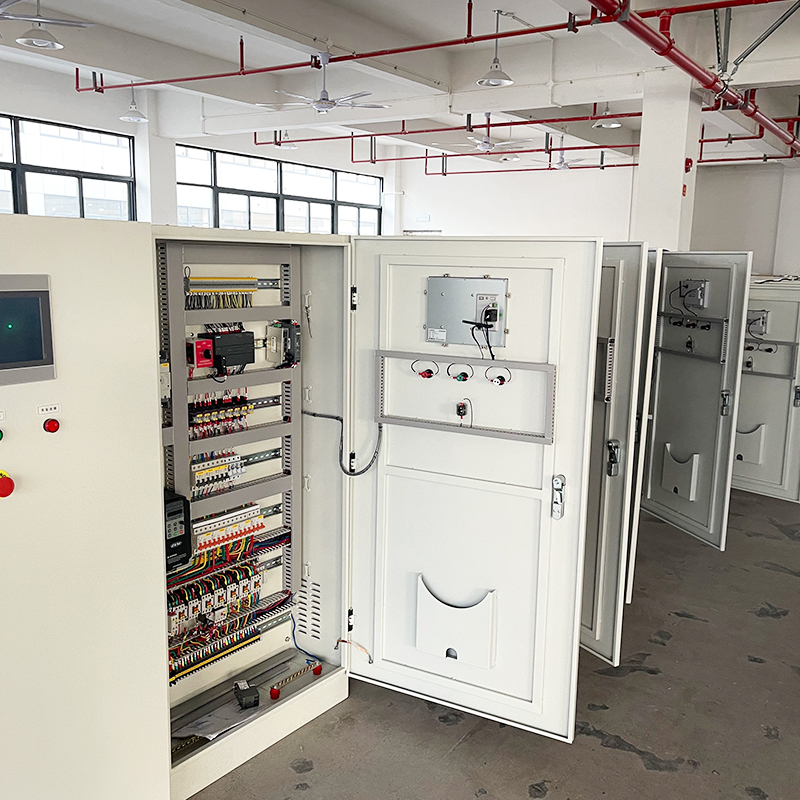
Common Design Mistakes to Avoid in Precision Electrical-Control-Box Assembly
Engineers designing precision electrical-control-box assemblies often make several common mistakes that can lead to premature failure or costly redesigns:
Under-Specifying the Protection Rating – Using an inadequate IP or NEMA rating for the intended environment can lead to moisture or dust ingress, causing short circuits and equipment failure. Always verify the enclosure rating matches the installation environment.
Ignoring Thermal Management – Sealing an enclosure for protection without considering heat dissipation can cause internal temperatures to exceed component operating limits. For power equipment, passive radiation alone is often insufficient.
Poor Gasket Design – Using insufficient gasket material or failing to provide adequate compression channels can lead to ingress at the door-frame interface. EPDM gaskets with proper channel design are essential for maintaining IP ratings.
Incorrect Material Selection – Choosing carbon steel without adequate corrosion protection for outdoor use leads to premature rusting. For demanding environments, specify stainless steel or aluminum.
Hole Placement Errors – Placing holes or cutouts too close to bend lines can cause deformation during manufacturing. The minimum distance from a hole edge to a bend line should be at least the inside bend radius plus material thickness.
Ignoring Assembly Access – Failing to provide adequate clearance for assembly tools during production adds cost and delays. Design should consider how components will be fastened together during final assembly.
Why Choose Lingyufab for Precision Electrical-Control-Box Assembly?
Lingyufab combines over 20 years of precision sheet metal experience with a comprehensive approach to custom precision electrical-control-box assembly manufacturing. As a certified core supplier for Mitsubishi Electric, we meet the stringent quality and delivery standards required by demanding industrial applications.
Our integrated manufacturing capabilities cover the entire production cycle—from design review and DFM optimization to fabrication, assembly, and finishing. We operate high-precision laser cutting systems, CNC bending centers, welding equipment, and powder coating lines, all under one roof. Our workshop features high-precision Laser Cutting Systems, CNC Bending Centers, Stamping Presses, and Cold Heading Machines for bolts and nuts, enabling us to handle everything from single prototypes to mass production with short lead times and consistent quality control.
We operate under the ISO 9001:2015 quality management system and strictly follow Japanese quality management standards, with rigorous inspection at every stage from raw material to final delivery. Our engineering team provides DFM reviews to optimize designs for lower costs and improved manufacturability, helping customers avoid common design mistakes before production begins.
Not sure which design or material fits your precision electrical-control-box assembly project? Contact Lingyufab today with your technical requirements. Our engineering team will review your specifications and provide design recommendations along with a competitive quote within 24 hours.
Conclusion
Designing precision electrical-control-box assemblies requires a careful balance between environmental protection, thermal management, structural integrity, and manufacturability. The key considerations—protection ratings, material selection, sealing design, hardware integration, thermal management, and surface finishing—must be addressed holistically to ensure reliable, cost-effective assemblies.
| Key Design Aspect | Best Practice |
|---|---|
| Protection Rating | IP65/NEMA 4 for industrial; IP66/NEMA 4X for demanding outdoor |
| Material | Powder-coated steel for indoor; stainless steel or aluminum for outdoor/corrosive |
| Sealing | EPDM gaskets with proper compression channels |
| Hardware Integration | Self-clinching or welded fasteners installed during fabrication |
| Thermal Management | Passive convection or active cooling based on power density |
| Surface Finish | Powder coating or anodizing for corrosion and UV protection |
By applying these design principles and avoiding common mistakes, engineers can create precision electrical-control-box assemblies that provide reliable protection for critical equipment across a wide range of applications.
Lingyufab's expertise in precision sheet metal fabrication and our commitment to Japanese quality standards make us a trusted partner for custom precision electrical-control-box assembly projects. Whether you need rapid prototyping or large-scale production, our team is ready to help you achieve the optimal balance of performance, durability, and cost.
Frequently Asked Questions
What is the difference between an electrical box and a control box?
An electrical box typically houses basic electrical connections like junction points or switches. A control box is more complex and houses the actual controllers, PLCs, relays, and other intelligent components that manage equipment operation.
What is the recommended IP rating for industrial electrical-control-box assemblies?
IP65 is the minimum recommended rating for most industrial applications. IP66 or IP67 is recommended for areas exposed to powerful water jets, heavy rain, or temporary flooding.
What material is best for a control box in a corrosive environment?
316L stainless steel is the preferred choice for coastal and chemical environments due to its superior resistance to salt spray and chemical corrosion.
How do I prevent overheating in a sealed control box assembly?
Use passive ventilation design with louvered panels for natural convection, choose aluminum enclosures for better heat dissipation, or specify an enclosure with an integrated cooling system for high-power applications.
Can Lingyufab make custom precision electrical-control-box assemblies?
Yes. Lingyufab specializes in custom sheet metal assemblies tailored to your specific dimensions, IP/NEMA ratings, material, and hardware requirements. We handle everything from prototyping to mass production.