
 +8613003178786
  sales@lingyufab.com
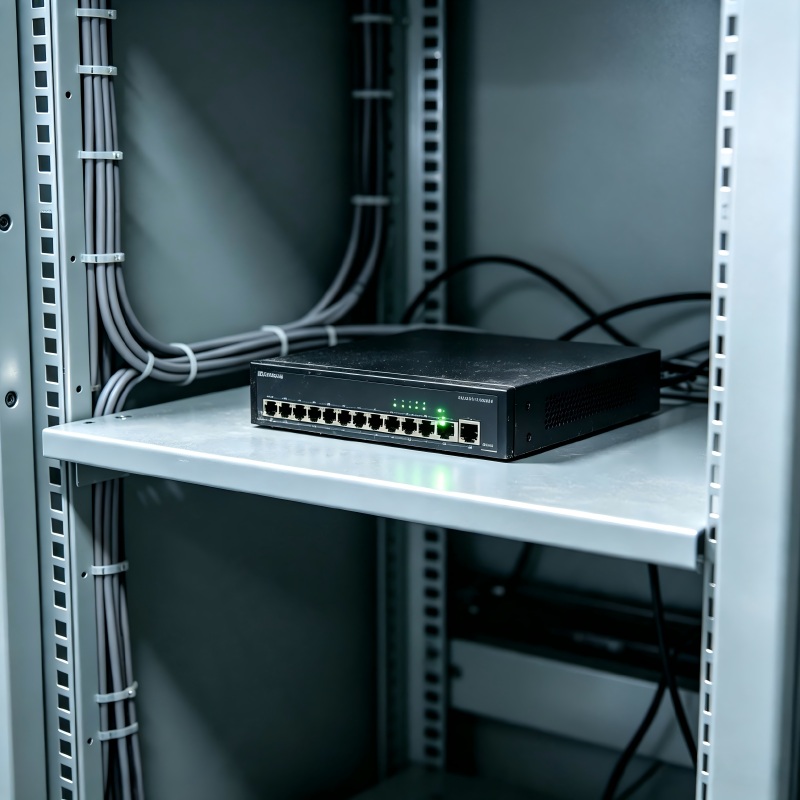
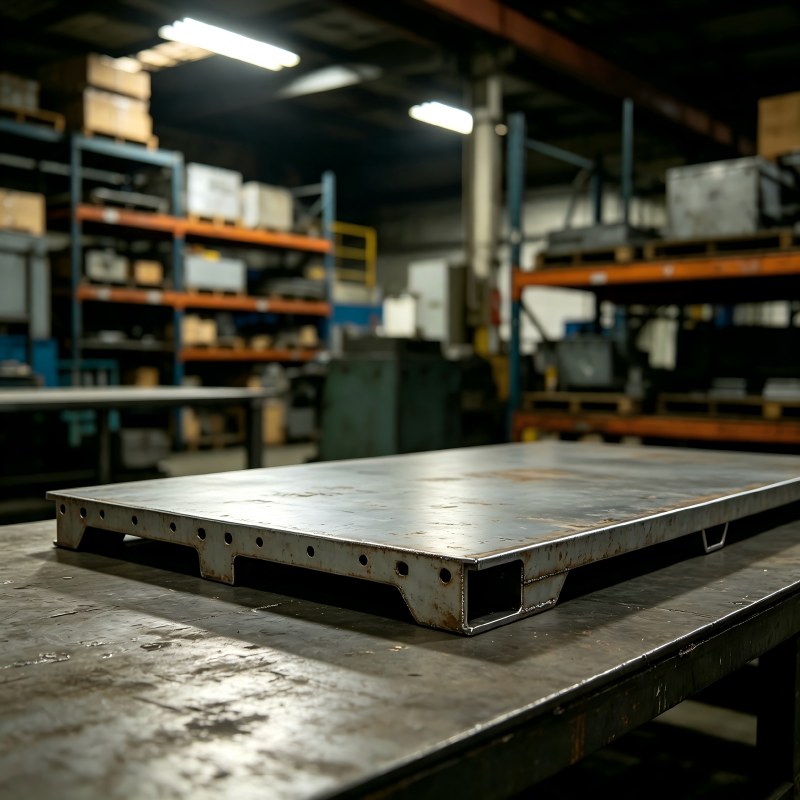
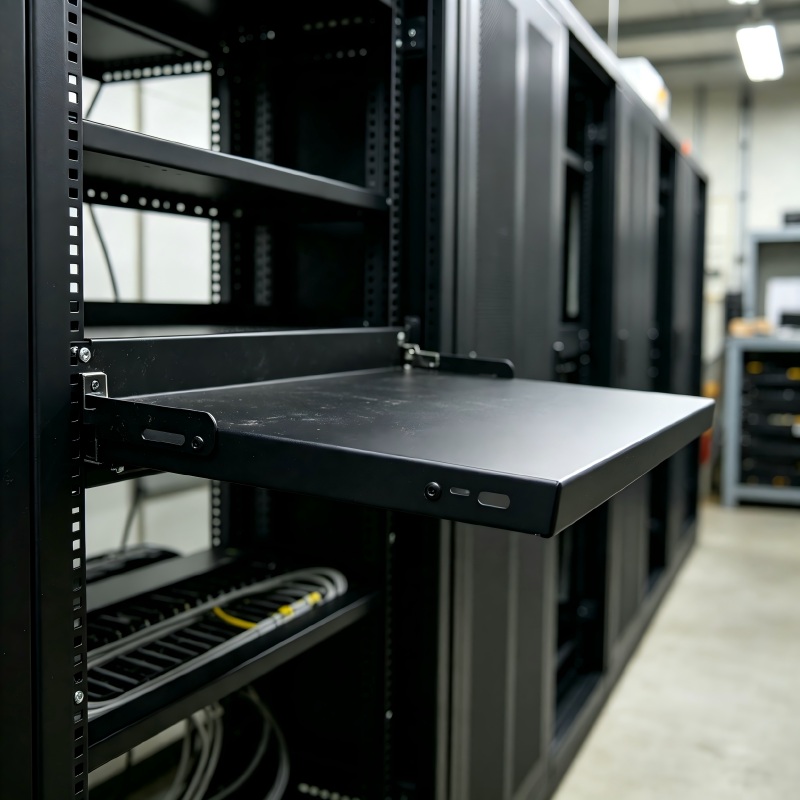
Mount Shelf
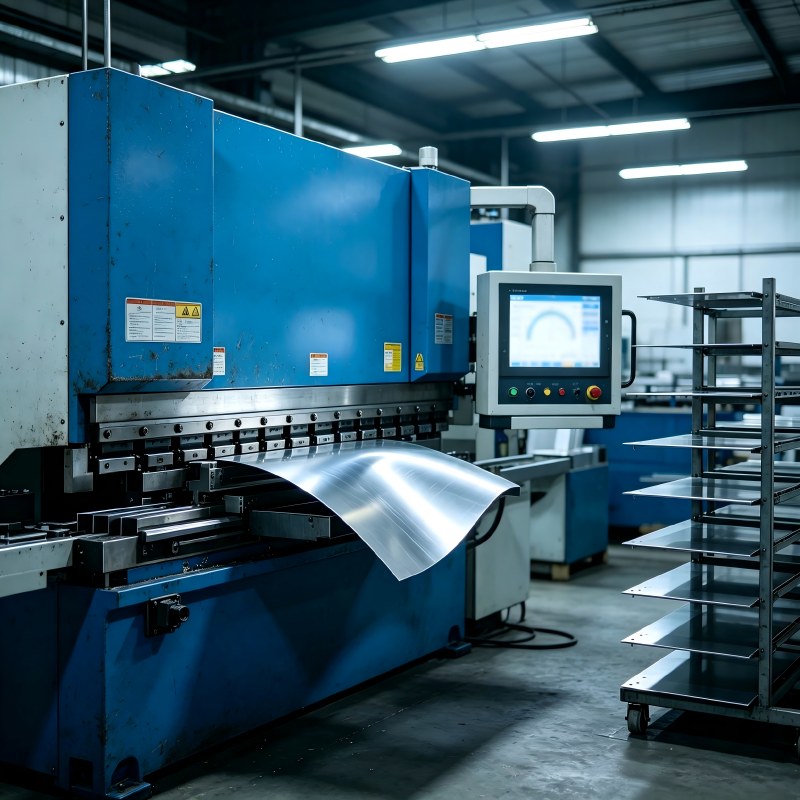
Leading Mount Shelf Manufacturer
Lingyufab (Shanghai Lingyu Industrial Co., Ltd.), established in 2003, is a leading manufacturer of mount shelves with over 20 years of precision fabrication experience. As a Mitsubishi Electric certified core supplier, we combine advanced laser cutting, CNC bending, and powder coating to produce robust equipment shelves for data center, telecom, and industrial applications. Our ISO 9001:2015 certified facility offers end-to-end services from design assistance to mass production, ensuring precision, durability, and cost-effectiveness.
Leading Metal Chassis Service Manufacturer
Lingyufab (Shanghai Lingyu Industrial Co., Ltd.), established in 2003, stands out as a premier service manufacturer of metal chassis. With over 20 years of experience in precision sheet metal fabrication, we offer comprehensive solutions from 1-piece prototyping to large-scale production. Our facility is equipped with advanced laser cutting systems, CNC bending centers, stamping presses, and cold heading machines. As a Mitsubishi Electric certified core supplier adhering to Japanese quality standards, we serve clients across electronics, telecommunications, industrial automation, medical devices, and transportation sectors.
China Metal Chassis Manufacturer
As a China-based manufacturer located in Shanghai, Lingyufab leverages the region's robust supply chain and skilled workforce to produce high-quality metal chassis at competitive prices. We adhere to ISO 9001:2015, ISO 14001, and hold TÜV CE certification. Our in-house production eliminates outsourcing costs, delivering 15 to 20 percent cost savings to customers. We support 1-piece samples, 100-piece pilot runs, and high-volume mass production with monthly output exceeding 8000 units.
Metal Chassis Techspecs
Our metal chassis are engineered to precise specifications. Materials include stainless steel SUS304 and SUS316, aluminum 5052 and 6061, carbon steel, galvanized steel, copper, and brass. Thickness ranges from 0.5mm to 6.0mm for electronics applications and up to 20mm for heavy-duty industrial chassis. Dimensional tolerances are held to plus or minus 0.05mm for critical features, with stamping and bending accuracy ensured by real-time laser angle compensation. Surface finishing options include powder coating with any RAL color, anodizing, electroplating, polishing, and painting. Custom features include mounting holes, connector cutouts, ventilation louvers, and internal partitions. Every batch is backed by Mill Test Certificates ensuring full material traceability.
Custom Metal Chassis Parts
Lingyufab specializes in producing custom metal chassis parts including electronic chassis with PCB mounting provisions, server chassis with rack-mount rails, industrial chassis for PLC enclosures, medical chassis with cleanroom-compatible finishes, automotive chassis for sensor modules and ECUs, and sub-panels and internal brackets. Each part is tailored to your assembly requirements, with provisions for EMI shielding, thermal management, and cable routing. Our engineering team provides upfront technical support, including design optimization, K-factor verification, and cost-reduction recommendations. We support reverse engineering services. If you have a physical sample without drawings, we can 3D scan, model, and generate production-ready engineering prints. Whether you need a single prototype or thousands of units, we deliver consistent quality with zero MOQ for prototyping stages.
Metal Chassis Applied in Sheet Metal Fabrication
What truly sets Lingyufab apart is our ability to integrate the full spectrum of sheet metal processes, including laser cutting, CNC bending, stamping, welding, assembly, and surface treatment, into a seamless manufacturing workflow for metal chassis. Rather than outsourcing individual steps to multiple vendors, we manage everything in-house, ensuring tighter quality control, faster lead times, and consistent communication throughout the entire production cycle. With our in-house fastener manufacturing, we can pre-install self-clinching studs, PEM nuts, SEMS fasteners, bolts, and nuts directly into your chassis, eliminating external fastener sourcing and reducing assembly time on your end. The result is a streamlined, cost-effective solution that performs reliably in the field.
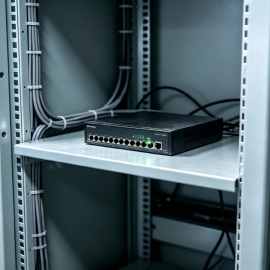
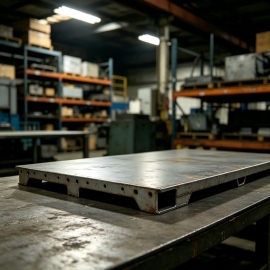
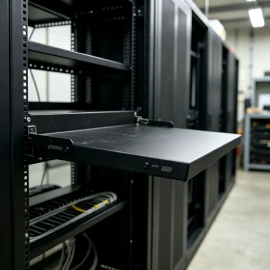
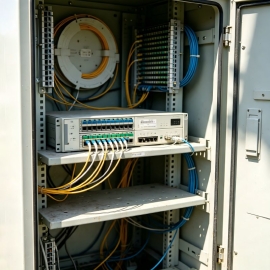
Features of Mount Shelves
Mount Shelves offer high structural strength with optimized geometry and load-bearing reinforcements. Materials include stainless steel SUS304 and SUS316, aluminum 5052 and 6061, carbon steel, and galvanized steel. Surface finishes include powder coating with RAL color options, anodizing, and electroplating. Customizable options include ventilation slots, cable management cutouts, various mounting hole patterns, and reinforced edges. Available in standard 19-inch rack widths as well as custom sizes for OEM equipment. Full material traceability with Mill Test Certificates MTC for every batch.
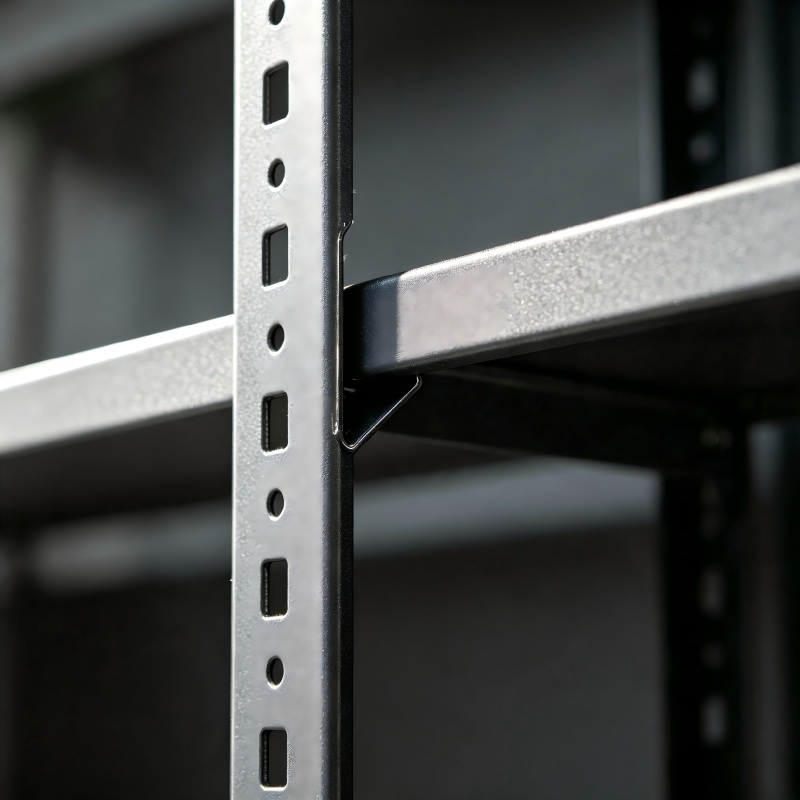

Applications of Mount Shelves
Our mount shelves are widely deployed in data centers for server and network switch support, telecommunications for base station equipment mounting, industrial automation for control panel device installation, broadcast and AV for studio equipment racks, and military/aerospace for ruggedized equipment enclosures. They provide stable, secure mounting platforms for sensitive equipment in demanding conditions. Lingyufab supports 1-piece prototyping, 100-piece pilot runs, and high-volume mass production with monthly delivery exceeding 8000 units.
What is Metal Chassis?
A metal chassis is a structural framework fabricated from metal sheets through processes including laser cutting, stamping, CNC bending, and welding. It provides the foundational support and protection for electronic components, PCBs, and mechanical systems in various applications ranging from desktop electronics to heavy industrial equipment. At Lingyufab, we manufacture chassis strictly to customer 2D prints in PDF, DWG, and DXF formats and 3D CAD models in STEP, IGES, and SolidWorks formats, ensuring 100 percent build-to-print execution.
Features of Metal Chassis
1. High structural strength with optimized geometry and stamped reinforcements
2. Excellent EMI shielding for sensitive electronic components
3. Customizable sizes, shapes, and mounting provisions including PCB standoffs and PEM nuts
4. Compatible with multiple surface treatments for corrosion resistance including powder coating, anodizing, electroplating, and painting
5. Can incorporate ventilation louvers, connector cutouts, cable ports, and internal partitions
6. Integrated fastener solutions with self-clinching studs, PEM nuts, and SEMS fasteners pre-installed in-house
7. Full material traceability with Mill Test Certificates for every batch
Applications of Metal Chassis
These chassis are deployed in electronics for server enclosures and computer cases, telecommunications for base station chassis and rack-mount frames, industrial automation for PLC housings and control panels, medical devices for diagnostic equipment chassis and surgical trays, and transportation for vehicle electronic housings and sensor mounts. They provide structural support and protection for sensitive components in demanding conditions. Lingyufab serves OEM clients across electronics, telecommunications, industrial equipment, medical, and automotive sectors.
Metal Chassis Guide for Sheet Metal Assembly
When integrating a metal chassis into an assembly, consider PCB mounting orientation, connector alignment, thermal dissipation, and cable routing. Ensure proper grounding and EMI shielding to meet regulatory compliance. Recommended design practices include maintaining minimum flange length of at least 4 times material thickness, using consistent bend radii to reduce tooling changes, and adding bend relief notches at corners to prevent tearing. Our engineering team provides assembly drawings, PCB mounting guidelines, and installation recommendations to streamline your final integration.
Metal Chassis Material
1. Stainless Steel (SUS304, SUS316): Excellent corrosion resistance and high structural strength, ideal for medical devices, food processing, and outdoor equipment
2. Aluminum (5052, 6061): Lightweight with high formability and natural corrosion resistance, ideal for electronics, aerospace, and portable equipment
3. Carbon Steel: High strength-to-cost ratio with superior structural rigidity, ideal for industrial machinery and heavy equipment frames
4. Galvanized Steel: Rust-proof with excellent weather resistance, ideal for outdoor electrical enclosures and telecom chassis
5. Copper and Brass: Superior electrical and thermal conductivity, ideal for grounding components and heat dissipation parts
Metal Chassis Accuracy
1. Standard linear tolerance: plus or minus 0.13mm; Precision tolerance: plus or minus 0.05mm
2. Stamping and bending angle tolerance: plus or minus 0.5 degree with real-time laser compensation
3. Repeat positioning accuracy: plus or minus 0.03mm
4. Minimum inside bend radius: 1 times material thickness (R = 1t)
5. Verification equipment includes CMM coordinate measuring machines, 3D optical laser scanners, and in-bend automatic angle sensors
How to Control Quality for Metal Chassis?
01. Incoming Material Control: Verify material thickness, grain direction, and mechanical properties with MTC certificates from approved suppliers
02. In-Process Control: Real-time online inspection following SOPs with automatic angle tracking to eliminate tool wear and material deviation
03. Final Inspection: Comprehensive dimensional verification, surface finish inspection, weld quality assessment, and hole position accuracy testing
04. Pre-Shipment Control: Final quality review, packaging integrity check, and complete quality documentation, supporting third-party testing upon request
What parts can be manufactured by Metal Chassis?
1. Complete chassis enclosures with side panels and covers
2. PCB mounting plates with standoffs and PEM nuts
3. Internal partitions and sub-panels for component separation
4. EMI shielding covers and compartments
5. Ventilation louvers and cable management provisions
6. Pre-installed hardware assemblies with self-clinching fasteners, studs, and SEMS fasteners
7. Custom weldments and structural reinforcements
8. Reverse engineering of physical samples without existing drawings
Metal Chassis Manufacturer
Lingyufab (Shanghai Lingyu Industrial Co., Ltd.) is a certified manufacturer established in 2003 with over 20 years of precision fabrication experience. As a family-owned business, we hold ISO 9001:2015 for Quality Management, ISO 14001 for Environmental Management, and TÜV CE for Product Safety certifications. We are a Mitsubishi Electric certified core supplier, demonstrating our capability to meet world-class quality and delivery standards. Our monthly production exceeds 8000 units, covering 1-piece prototypes, 100-piece pilot runs, and high-volume mass production. We support OEM and ODM manufacturing with zero MOQ for prototyping, fast response times, and global shipping from our Shanghai facility.
Metal Chassis FAQ
A: Yes, we customize any size within our equipment capacity. Simply provide your 2D prints or 3D CAD files in STEP, IGES, or SolidWorks formats for a precise quote.
A: Stainless steel (304/316), aluminum (5052/6061), carbon steel, galvanized steel, copper, and brass.
A: Yes, we offer powder coating with any RAL color, anodizing, electroplating, polishing, and painting, all completed in-house.
A: Zero MOQ for prototyping. We support 1-piece samples, 100-piece pilot runs, and high-volume mass production.
A: Yes, we can pre-install self-clinching fasteners, PEM nuts, studs, and SEMS fasteners directly into your chassis during production.
A: 15 to 20 working days for prototypes and 25 to 35 days for bulk orders. Expedited options are available upon request.
A: Yes, every batch includes Mill Test Certificates with full material traceability. Third-party testing is also supported.
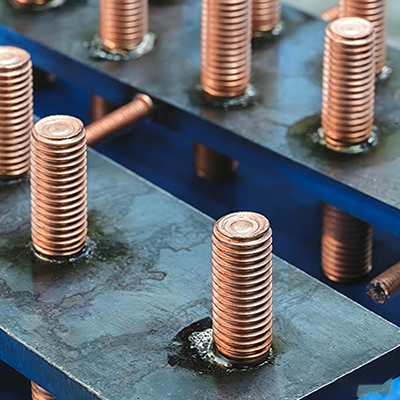
Why Custom Stud-Welded Sub-Assemblies Give You an Edge
Custom stud-welded assemblies simplify supply chains and cut costs.
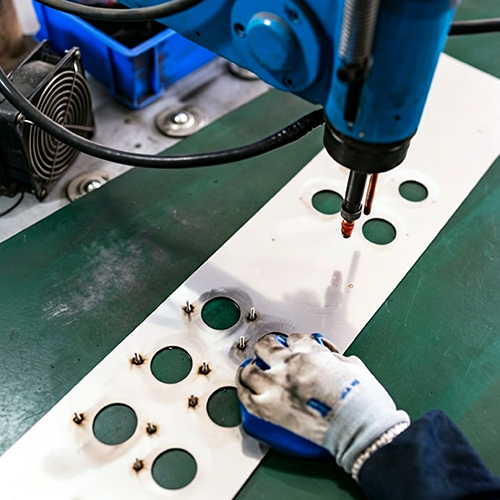
Stud Welding vs. Self-Clinching Fasteners: Which Is Right for Your Project?
Compare stud welding vs self-clinching fasteners for sheet metal projects
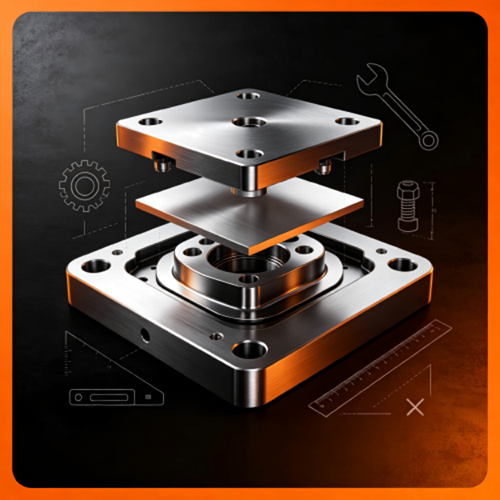
Sheet Metal Stamping Die Development: From Design to Mass Production
Complete guide to stamping die development. From design to mass production. Learn the 8-stage process.
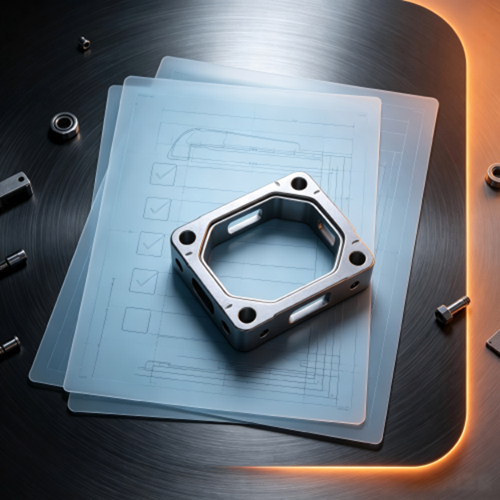
DFM Checklist for Sheet Metal Parts – A Must-Read for Engineers
Sheet metal DFM checklist for engineers.
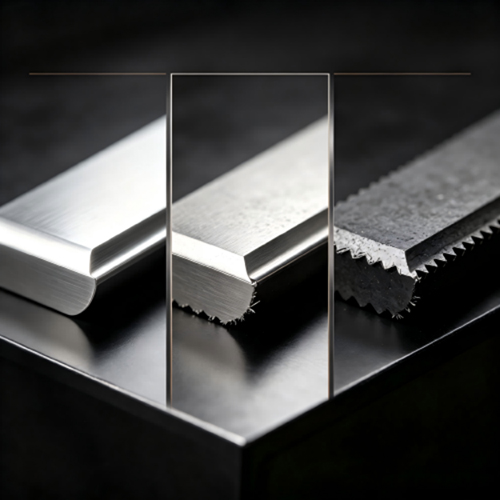
Cut Edge Quality in Sheet Metal: Comparing Laser Cutting, Stamping, and Shearing
Compare laser, stamping & shearing edge quality. Choose the right sheet metal cutting method.
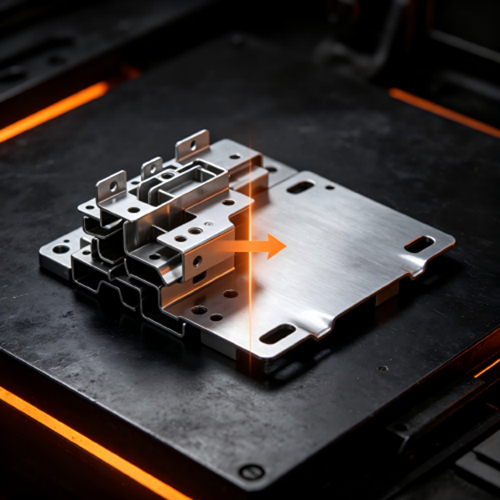
How to Reduce Sheet Metal Fabrication Costs: A Practical Guide for Design Engineers and Buyers
How to reduce sheet metal fabrication costs. Practical strategies for design engineers and buyers.
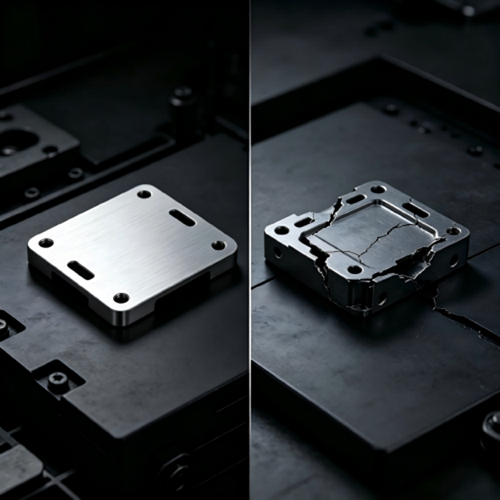
Why Your Sheet Metal Prototype Works, But Production Fails: 5 Critical Gaps to Close
Why prototypes fail in production. 5 critical gaps and how to close them for successful scale-up.
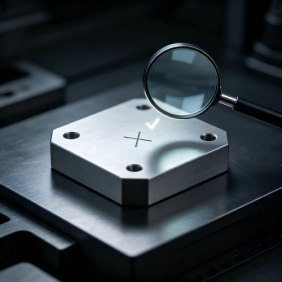
Sheet Metal Parts Inspection Guide: A Practical Checklist for Buyers and Quality Engineers
Sheet metal parts inspection guide. Practical checklist for buyers and quality engineers. Dimensional, surface, weld, finish.
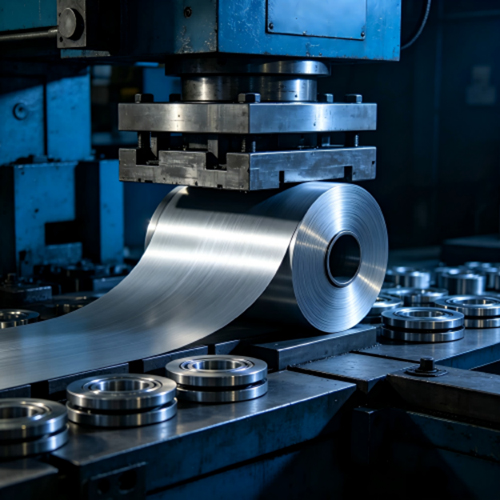
What Is Metal Stamping? A Complete Guide to High-Volume Sheet Metal Forming
Guide to metal stamping. Learn the process, types, and when to use high-volume sheet metal forming.
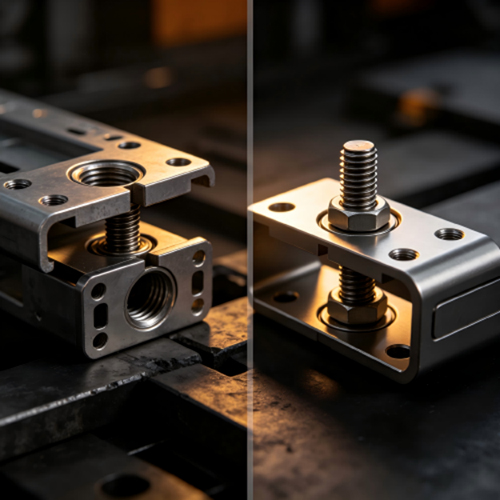
Sheet Metal Assembly Tolerances: A Practical Guide to Ensuring Parts Fit Perfectly
Guide to sheet metal assembly tolerances. Learn how to prevent fit issues and ensure parts align perfectly.
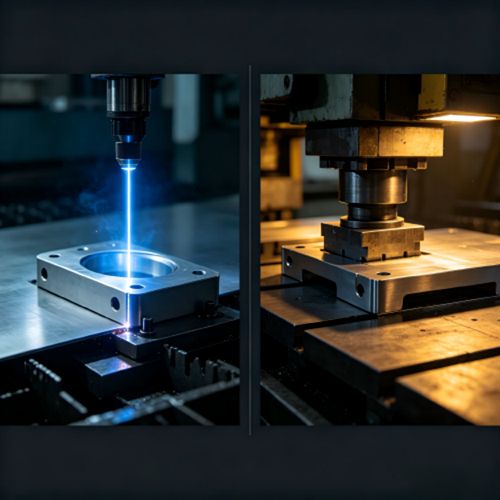
Laser Cutting vs. Stamping: How to Choose the Right Sheet Metal Process for Your Project
Laser cutting vs stamping. Compare cost, volume, and quality. Choose the right process.
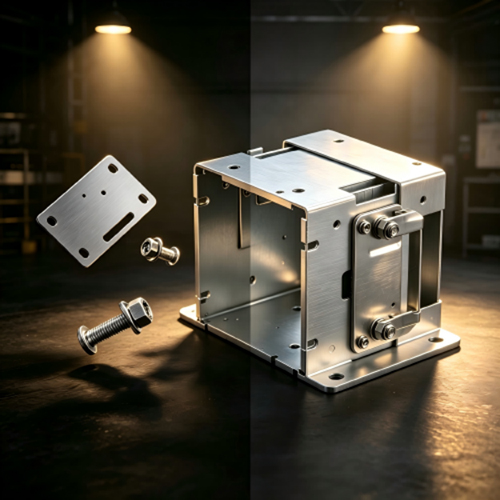
Sheet Metal and Fastener Integrated Manufacturing: Why Separate Sourcing Costs You More
Integrated sheet metal and fastener manufacturing. Reduce costs, simplify supply chain, one supplier.
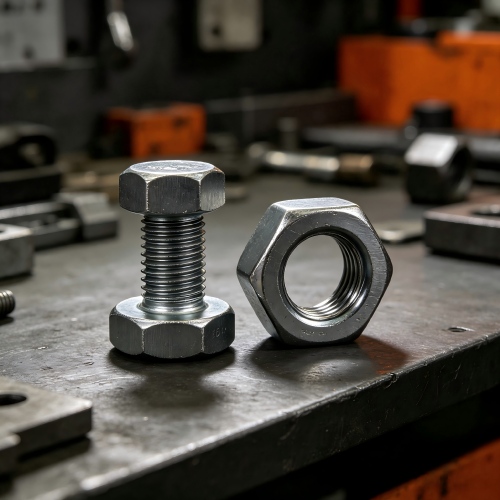
Hex Flange Bolts for Sheet Metal Enclosures
Hex flange bolts and nuts for sheet metal enclosures. Vibration-resistant, wide flange design for thin panels.
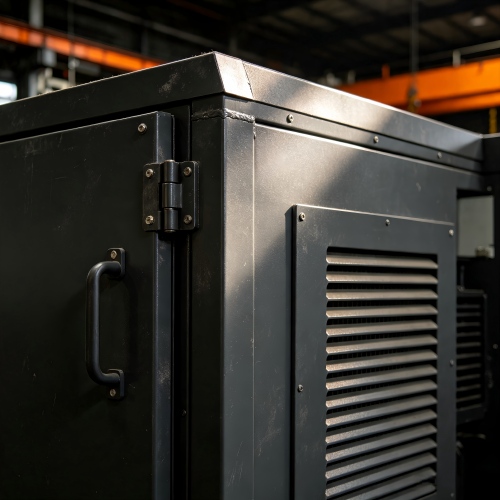
Industrial Machinery Enclosures: Custom Sheet Metal Solutions
Custom machinery enclosures for industrial equipment. Durable sheet metal solutions for harsh factory environments.
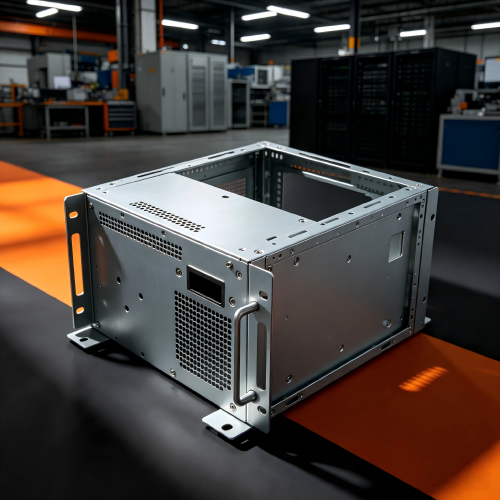
Custom Metal Components for Server and Networking Chassis
Server chassis fabrication guide. Custom sheet metal components for 19-inch rack mount networking equipment.
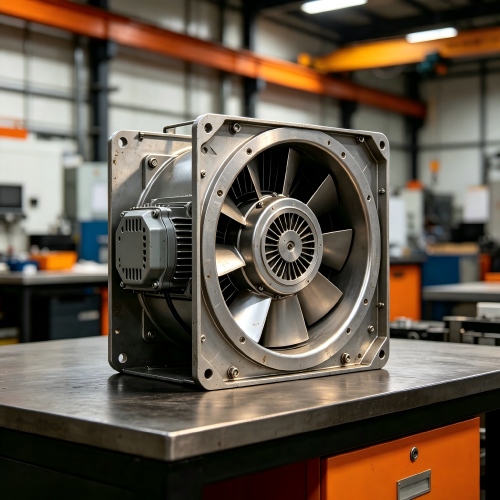
Precision Fan Case Assembly: From Sheet Metal to High-Performance Cooling Solutions
Precision fan case assembly guide. Manufacturing process, quality considerations, and applications for cooling solutions.
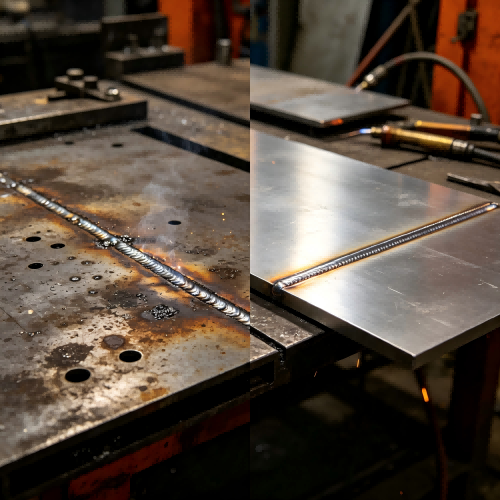
How Surface Treatment Affects Weld Quality: 5 Key Factors Buyers Must Know
How surface treatment affects weld quality. 5 key factors buyers must check before welding begins.
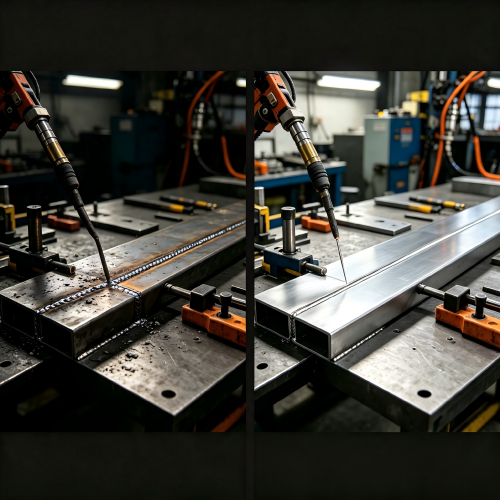
Laser Welding Cost Analysis: Is It Really More Expensive Than Traditional Welding?
Laser welding cost analysis. Compare laser vs TIG welding costs and learn how to reduce welding expenses.
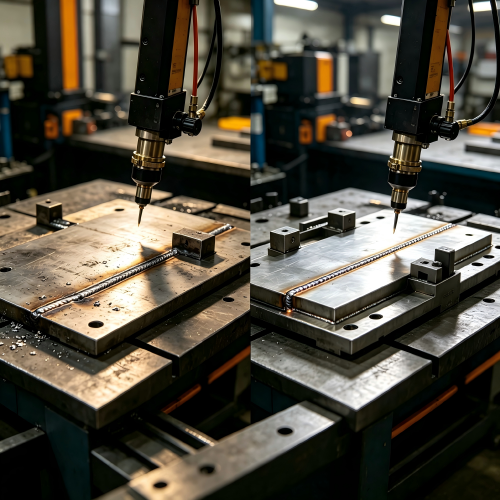
Laser Welding Fixture Design: A Critical Factor for Weld Quality
Guide to laser welding fixture design. Key requirements for precision positioning, clamping, and heat dissipation.
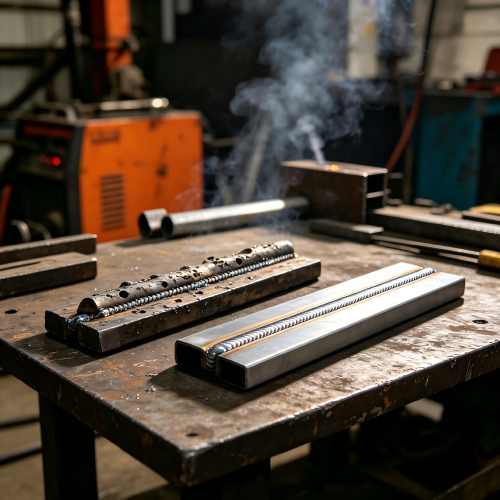
Weld Quality Inspection: A Practical Guide for Buyers and Quality Engineers
Guide to weld quality inspection. Common welding defects, visual inspection, and NDT methods for buyers.
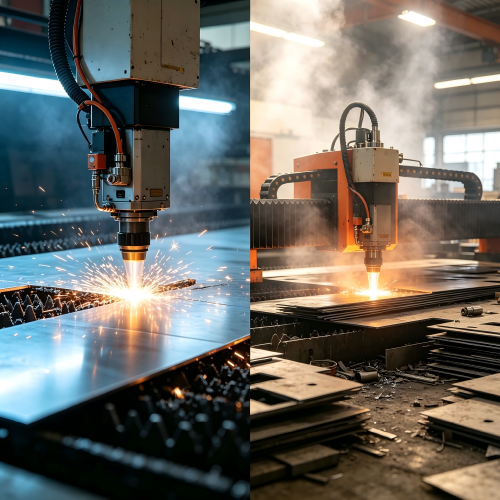
Fiber Laser vs. CO₂ Laser for Sheet Metal: Which Is Better for Your Sheet Metal Parts?
Fiber laser vs CO₂ laser cutting comparison. Learn which technology is right for your sheet metal parts.
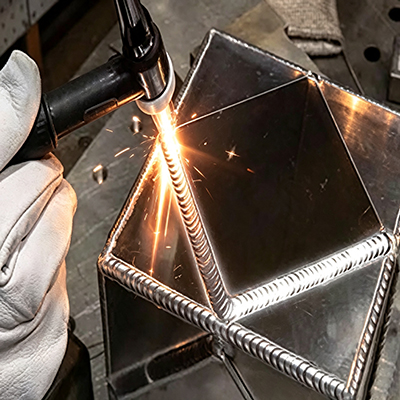
Common Sheet Metal Welding Defects and How to Prevent Them
Common welding defects in sheet metal and how to prevent them. Porosity, cracking, distortion, and spatter.
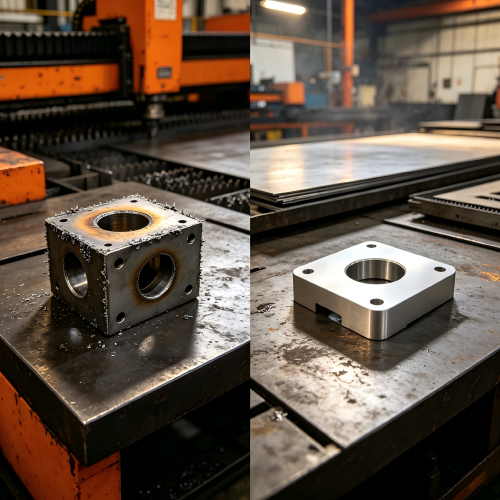
Common Laser Cutting Defects and How to Solve Them
Common laser cutting defects and how to solve them. Burrs, dross, HAZ, warping, and tapered holes explained.
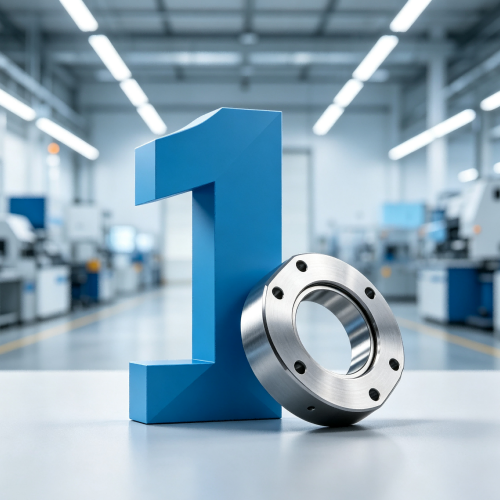
Small Batch Sheet Metal Fabrication with No Minimum Order
Small batch sheet metal fabrication with no minimum order. Prototypes to production. One-stop service.
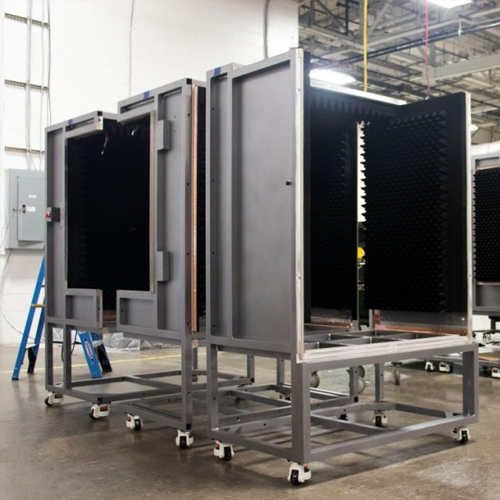
6 Key Steps in Sheet Metal Fabrication Process
Professional sheet metal fabrication involves systematic steps from design review to final delivery. This article introduces the 6 key processes in sheet metal manufacturing.
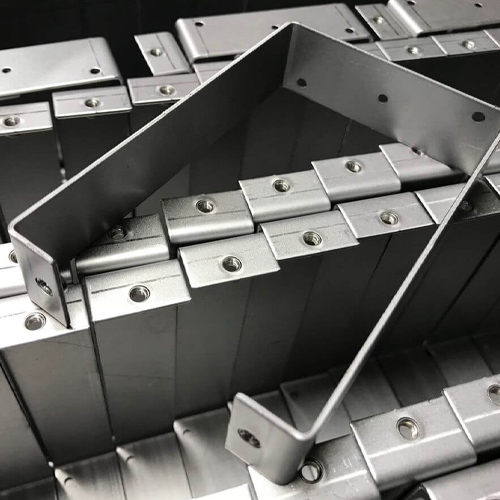
How to Choose the Right Fasteners?
Fasteners are the core of connection components. This guide introduces fastener types, standards, materials, and key selection parameters for OEM and manufacturing projects.
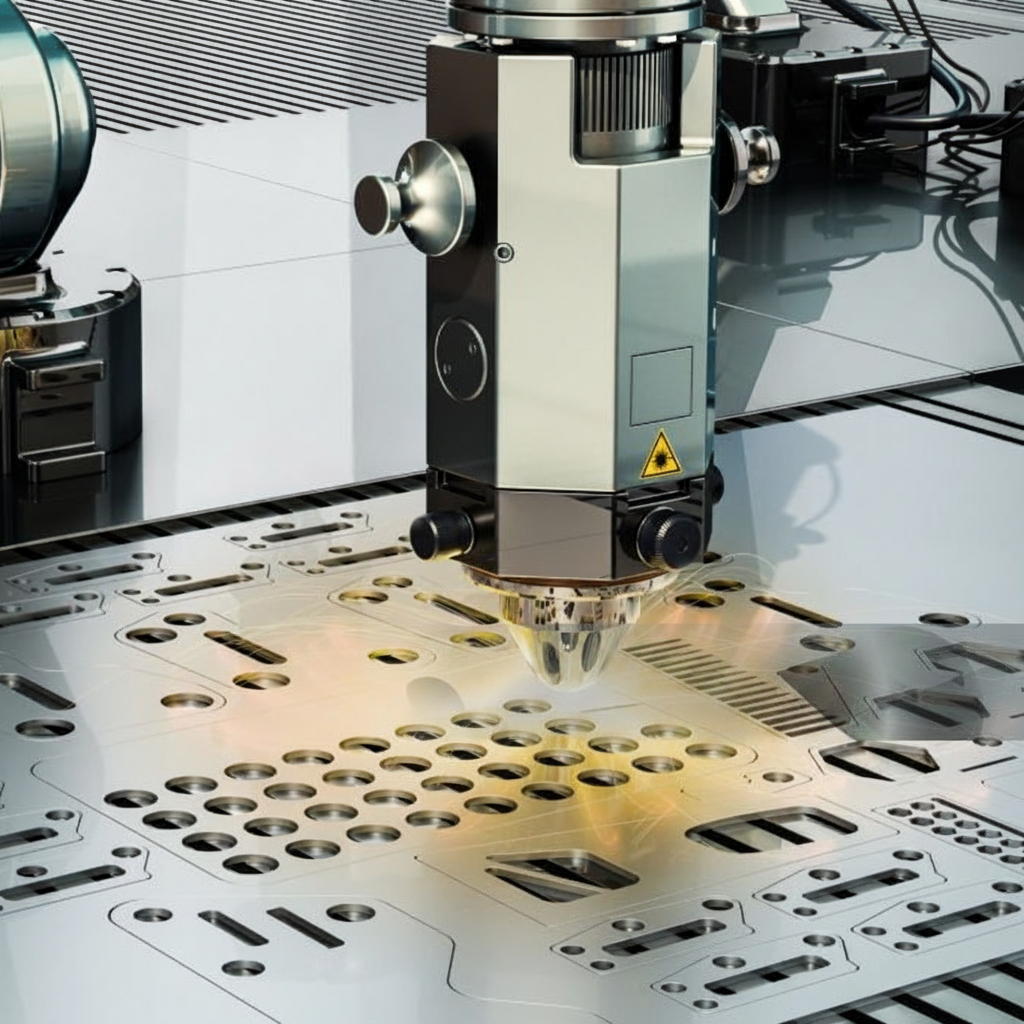
What Is Laser Cutting in Sheet Metal Fabrication?
Laser cutting is a precise sheet metal fabrication process used to cut metal sheets into custom shapes and parts. Learn how it works, its advantages, applications, pricing factors, and sourcing consid
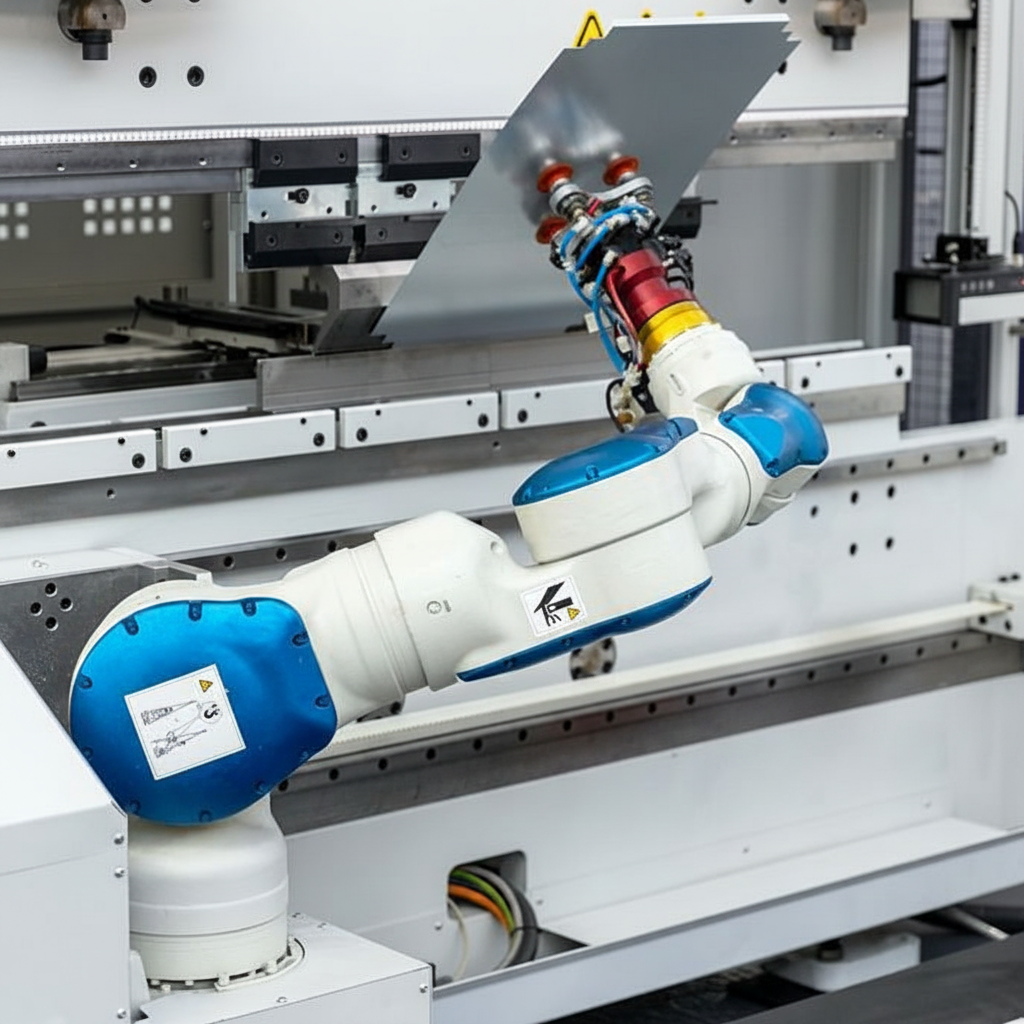
What Is Sheet Metal Fabrication?
Sheet metal fabrication is the process of cutting, bending, welding, and assembling metal sheets into finished parts and products. Learn the main processes, materials, applications, pricing factors, a
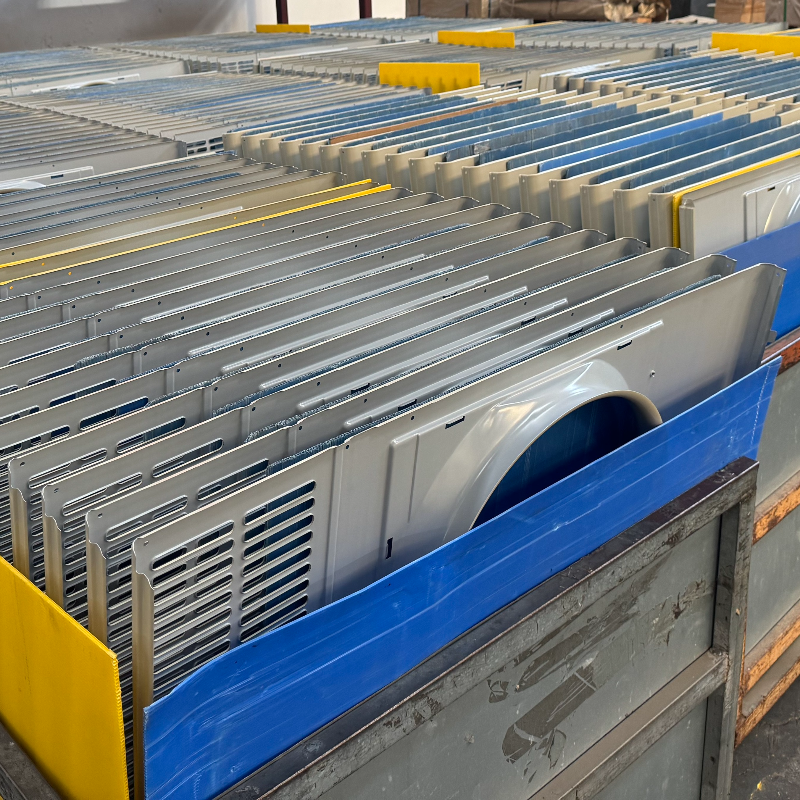
What Are Three Common Types of Sheet Metals?
Learn about three common types of sheet metals—aluminum, stainless steel, and galvanized steel. Explore their features, applications, pricing factors, and sourcing considerations for OEM projects.
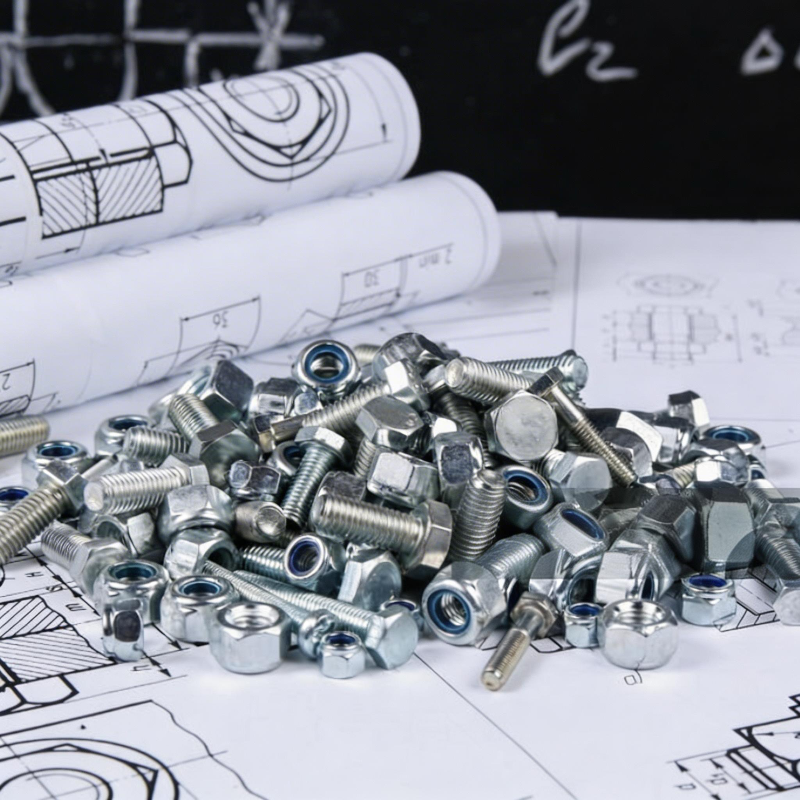
What Are Industrial Fasteners?
Industrial fasteners include bolts, screws, nuts, and washers for mechanical assembly. This article covers fastener types, materials, standards, pricing factors, and sourcing tips for OEM buyers.
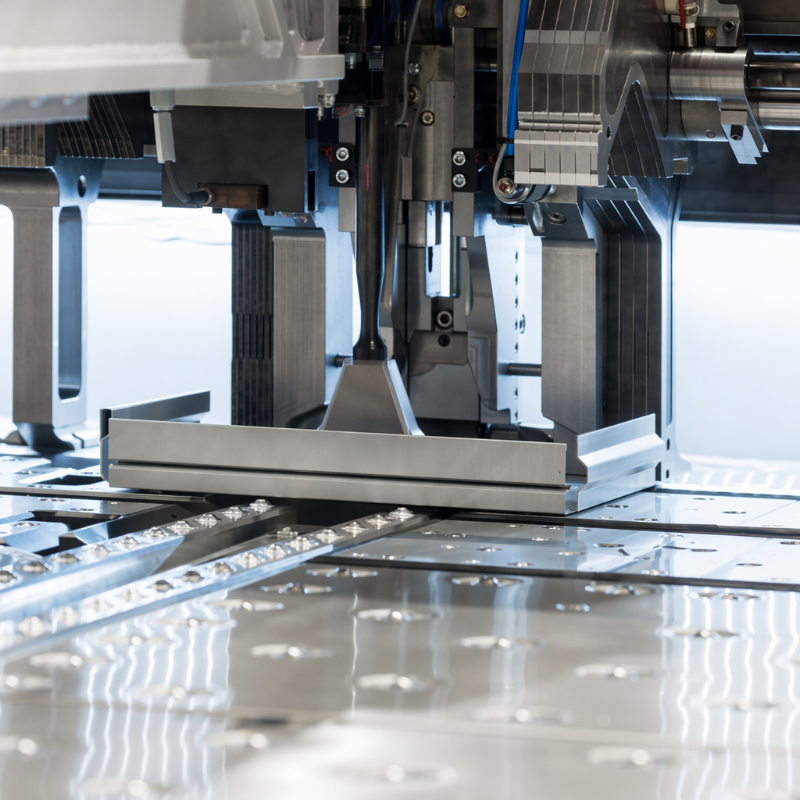
What Is CNC Bending in Sheet Metal Fabrication?
CNC bending is a key sheet metal fabrication process used to form flat metal parts into precise angles and shapes. Learn how it works, its advantages, applications, pricing factors, and sourcing consi
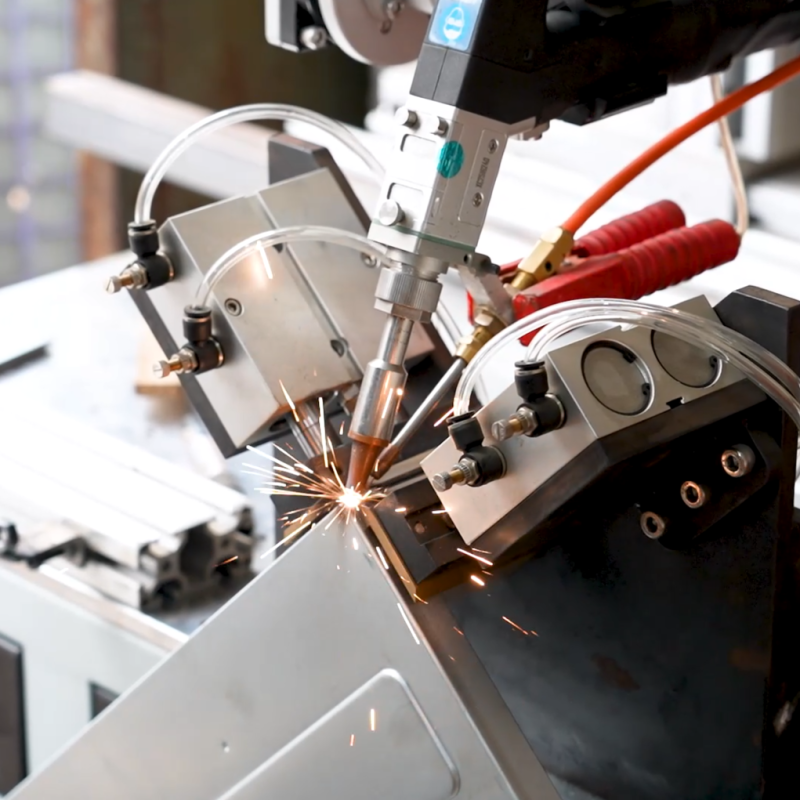
What Is Sheet Metal Welding?
Sheet metal welding is a key fabrication process used to join metal parts into strong structures and assemblies. Learn common welding methods, applications, quality factors, pricing factors, and sourc
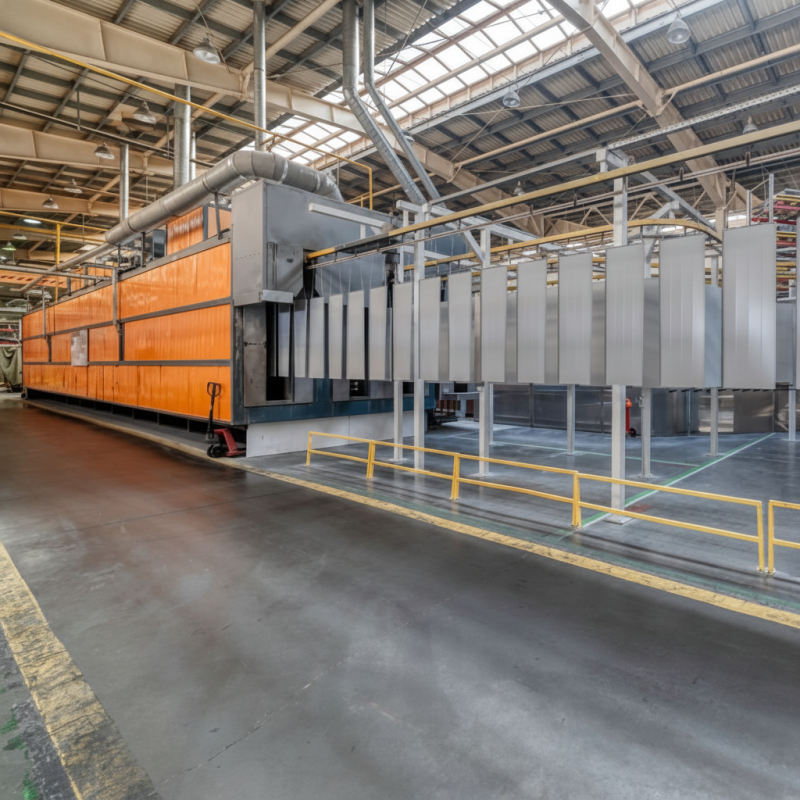
What Is Powder Coating for Sheet Metal Parts?
Powder coating is a common surface finishing process for sheet metal parts, used to improve corrosion resistance, appearance, and durability. Learn the process, applications, pricing factors, and sour
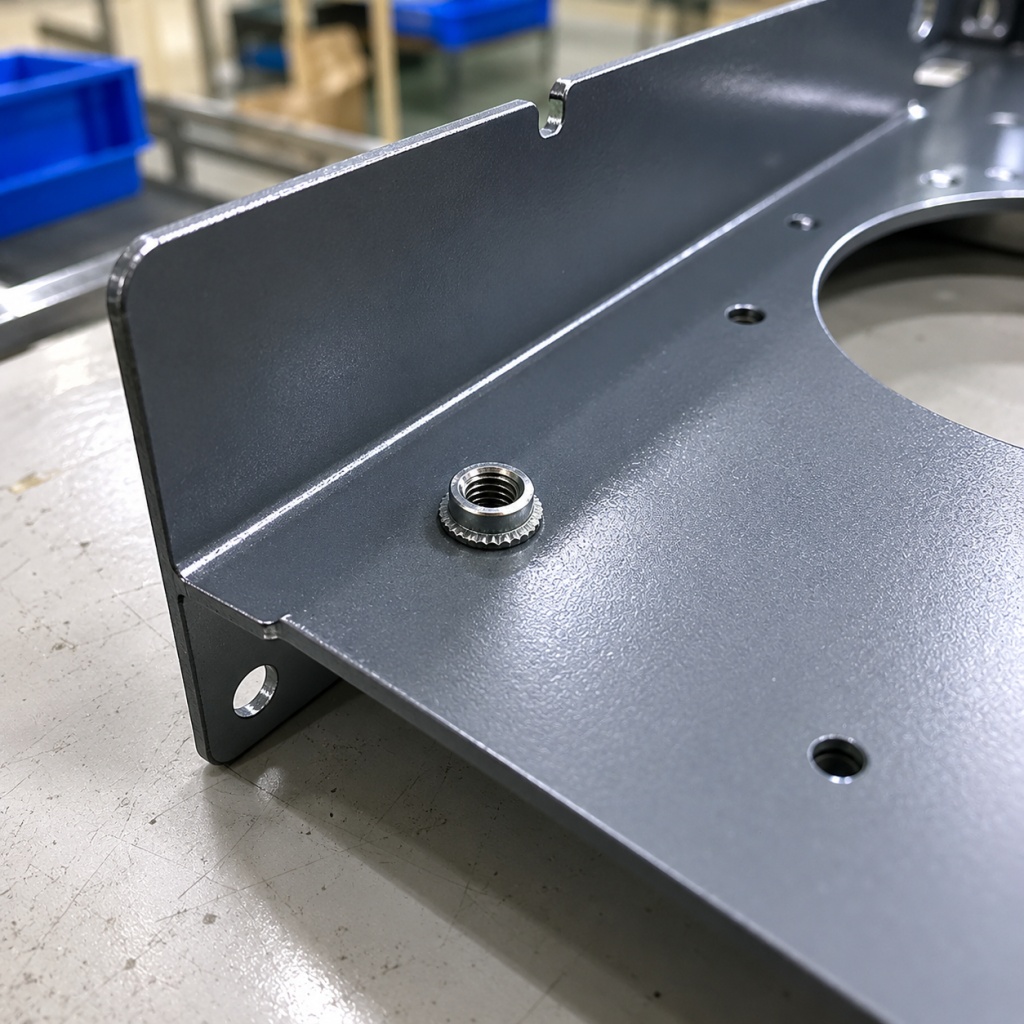
What Are Self-Clinching Fasteners for Sheet Metal Parts?
Self-clinching fasteners are specialized hardware components designed to be pressed into sheet metal to create reliable threaded or mounting points. They are widely used in enclosures, cabinets, brack
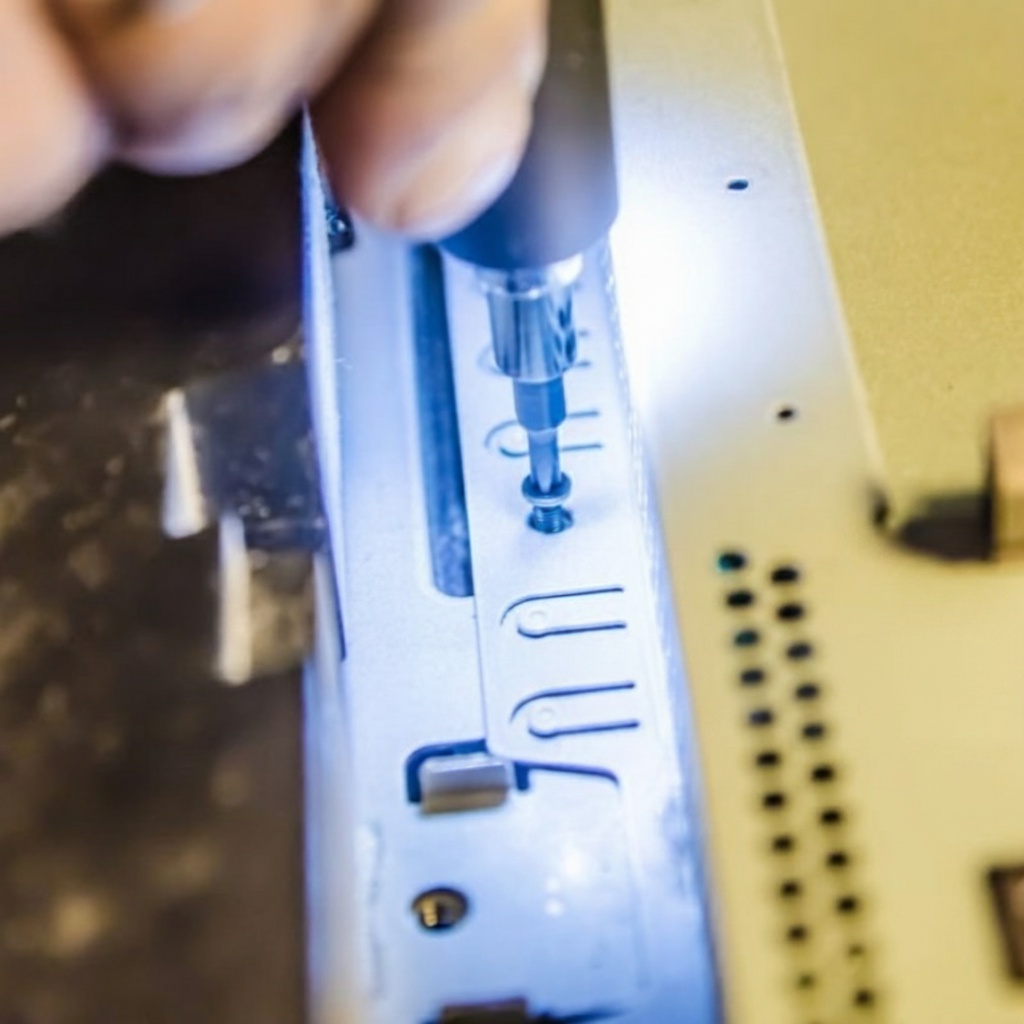
How to Choose Self-Tapping Screws for Sheet Metal Assemblies
Self-tapping screws are widely used in sheet metal assemblies because they can form or engage threads during installation without the need for a separate nut. In products such as electrical enclosures
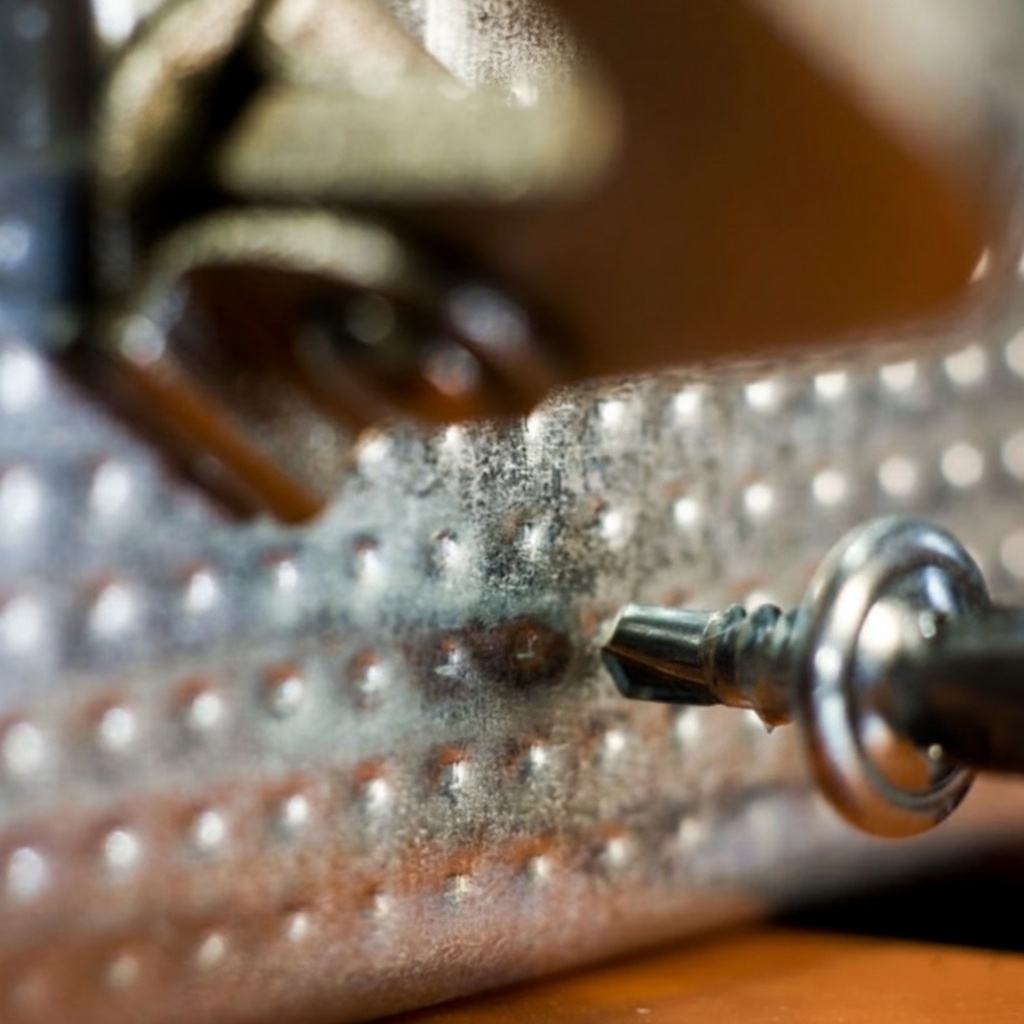
What Is the Difference Between Self-Tapping and Self-Drilling Screws?
Self-tapping and self-drilling screws are both widely used in metal assemblies, sheet metal parts, electrical enclosures, appliance panels, brackets, covers, and light structural products. Because the
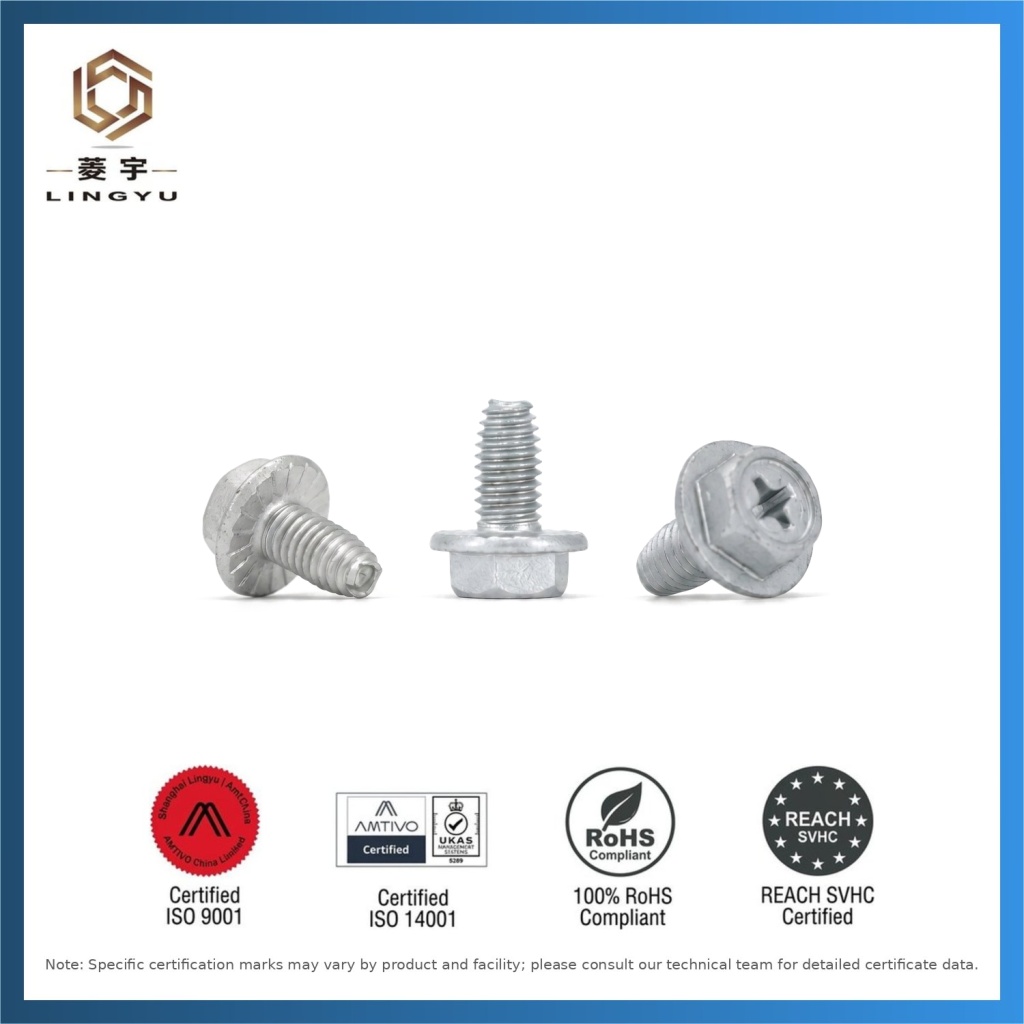
What Are Hex Flange Screws Used For?
Hex flange screws are fasteners with a hexagonal head and an integrated flange beneath the head. The flange acts like a built-in washer, spreading load over a wider bearing surface during assembly. In
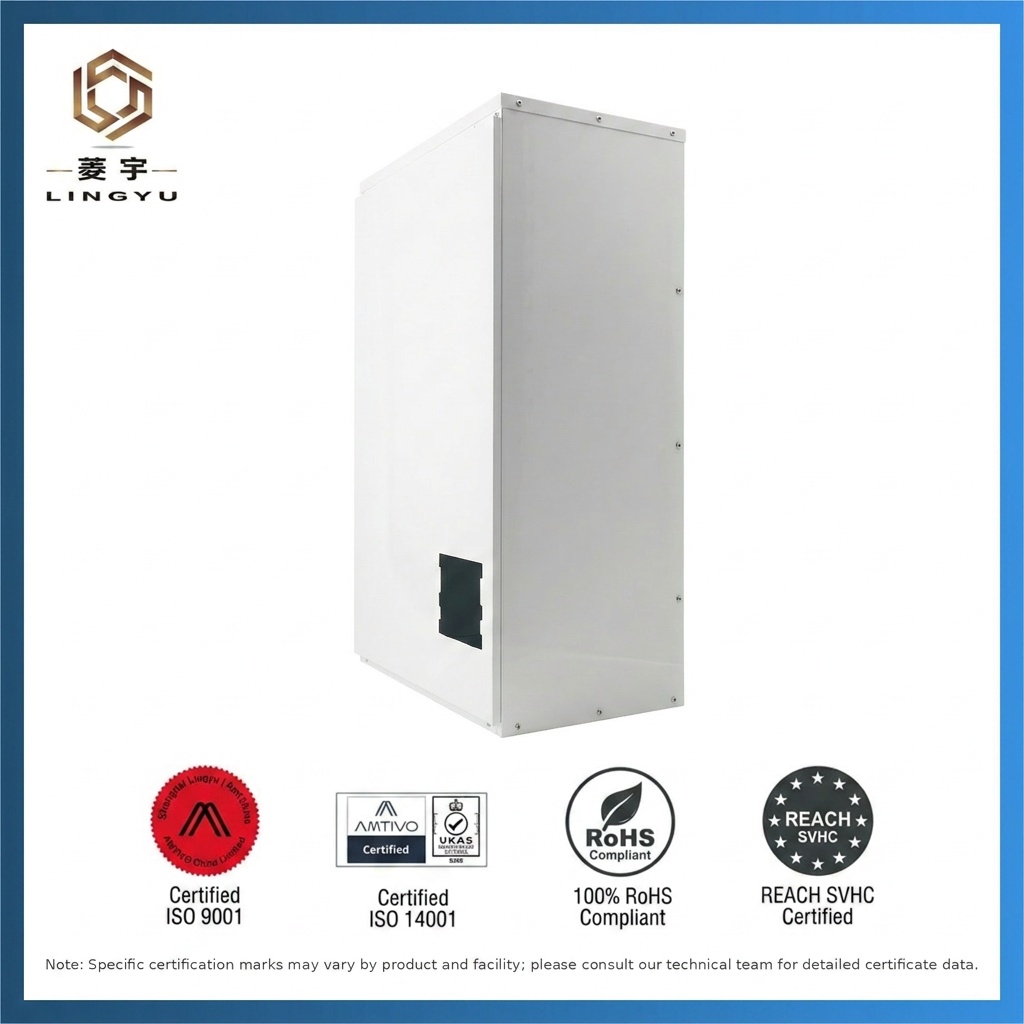
Sheet Metal Enclosure Design Guidelines for OEM Projects
A sheet metal enclosure looks simple from the outside, but small design decisions can affect cost, assembly fit, surface finish, and long-term reliability. For OEM projects, the enclosure is usually f
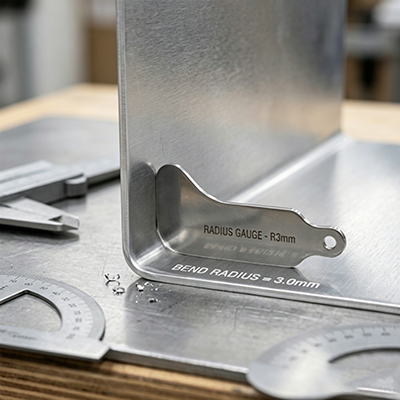
The Importance of Bend Radius in Sheet Metal Design
Optimize sheet metal designs with our expert bend radius guide.
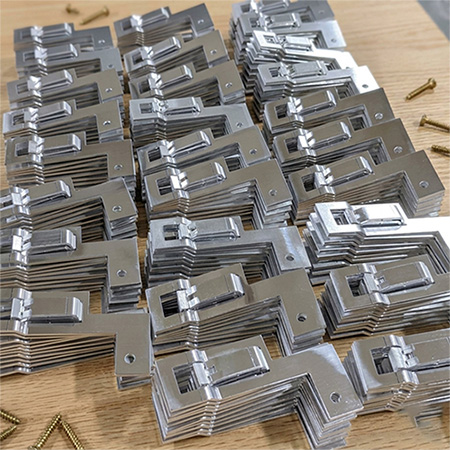
How to Design Cost-Effective Sheet Metal Parts?
Design cost-effective sheet metal parts. Tips on material, structure, assembly & finishing.
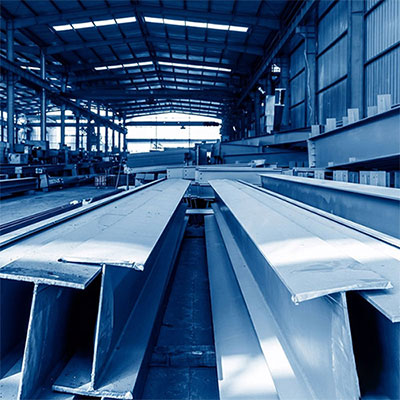
How Material Selection Impacts Sheet Metal Production Costs?
Smart metal choice cuts OEM sheet metal costs.
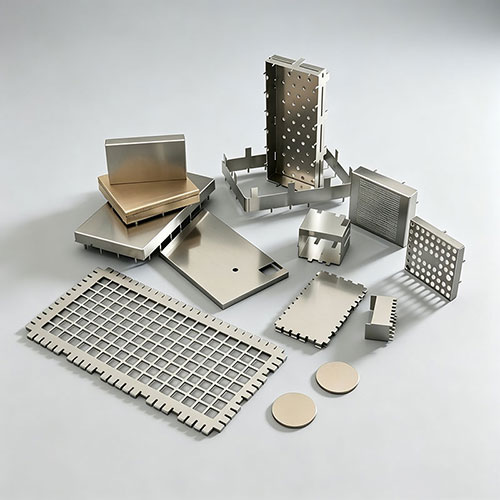
The Impact of Material Choice on Enclosure Shielding Performance
Sheet metal fabrication supplier for EMI shielding enclosures. Custom OEM parts from prototype to production.
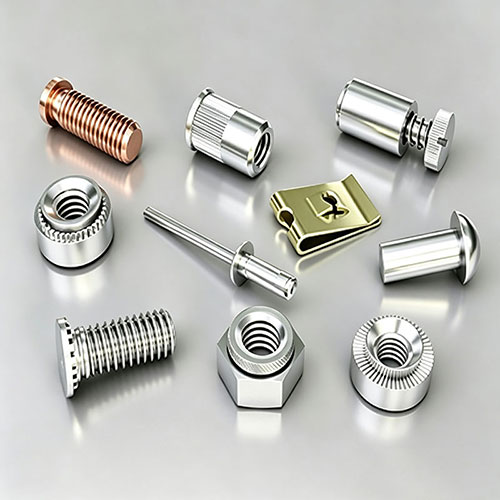
The Complete Guide to Selecting Sheet Metal Fasteners
Master sheet metal fastening with our expert guide on selection, material compatibility, and quality control.
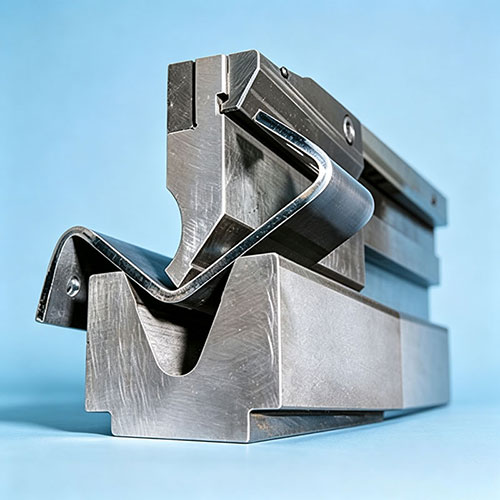
How to Design Rigid and Lightweight Sheet Metal Parts?
Design rigid, lightweight sheet metal parts. Tips on materials, structure & manufacturability.
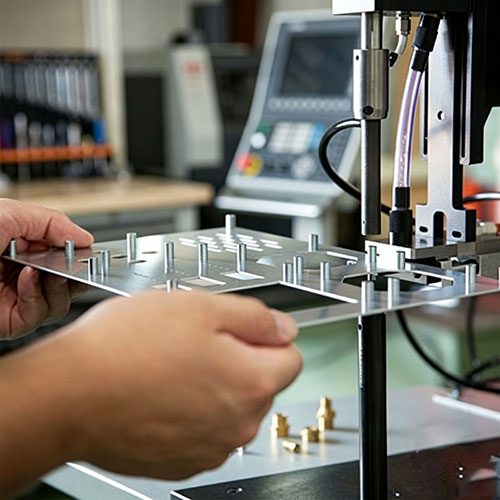
The Advantages of Self-Clinching Fasteners in Sheet Metal Fabrication
Optimize fabrication and cut costs with Lingyufab’s precision self-clinching hardware.
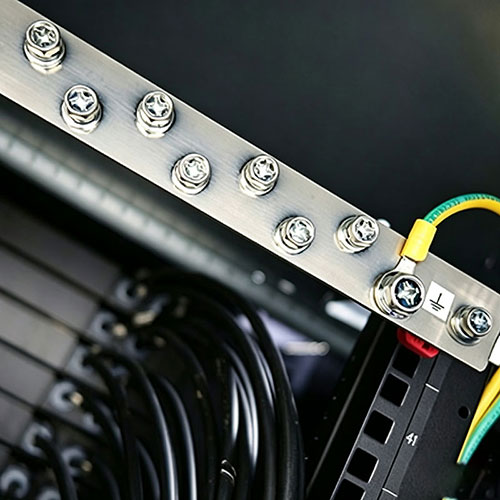
Why SEMS Bolts Are Critical for Sheet Metal?
Prevent loosening, ensure grounding, and boost efficiency with SEMS bolts for sheet metal.
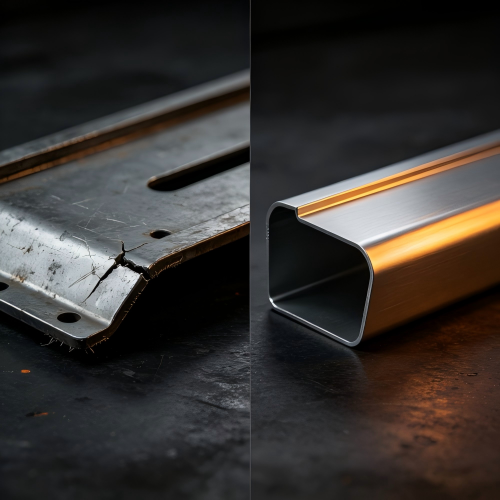
Sheet Metal Defects and Prevention: A Practical Guide for Engineers and Buyers
Guide to sheet metal defects. Learn how to prevent cracking, springback, scratches, and welding defects.
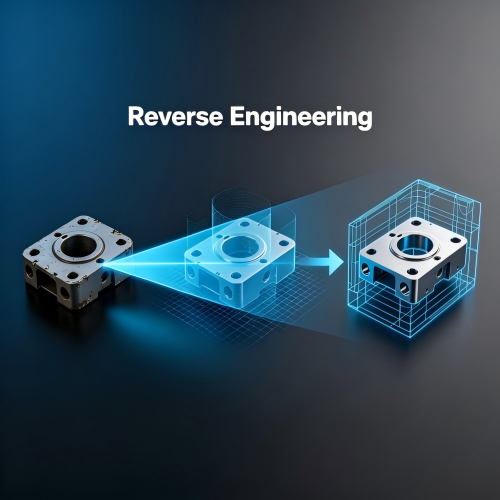
Reverse Engineering Sheet Metal Parts Without Drawings
Reverse engineering sheet metal parts without drawings. 3D scanning and in-house manufacturing.
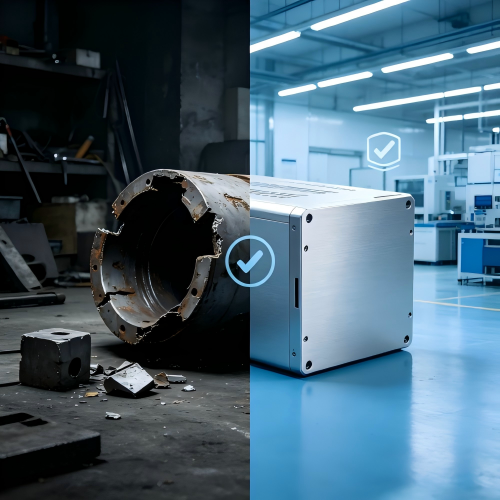
Sheet Metal Fabrication Procurement: How to Choose the Right Supplier and Avoid Costly Mistakes
How to choose a reliable sheet metal fabrication supplier and avoid costly procurement mistakes.
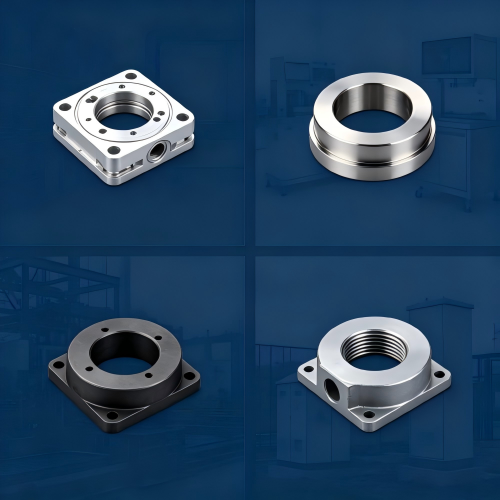
Aluminum vs. Stainless Steel vs. Carbon Steel: How to Choose the Right Material for Your Sheet Metal Project
Compare aluminum, stainless steel, and carbon steel for sheet metal projects. Choose the right material for your application.
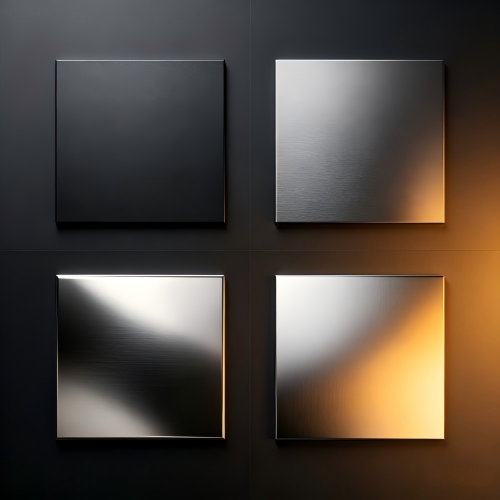
Which Surface Finish Should You Choose for Sheet Metal?
Compare powder coating, anodizing, and electroplating. Choose the right surface finish for sheet metal parts.
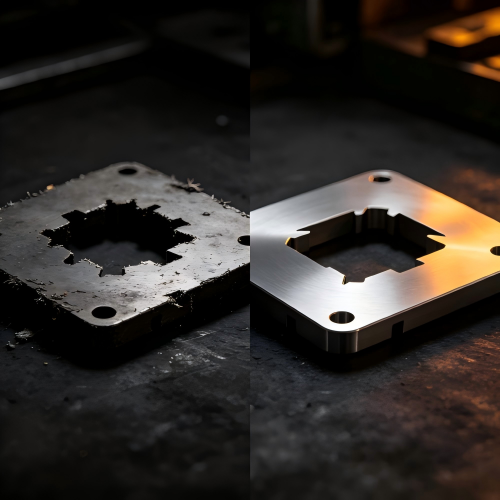
How to Judge Laser Cutting Quality: 5 Key Indicators for Buyers
Learn how to judge laser cutting quality with 5 key indicators. Edge quality, precision, holes, and more.
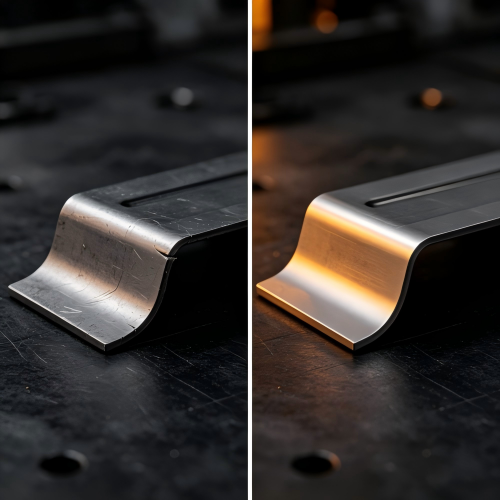
How to Evaluate CNC Bending Quality: A Buyer’s Guide to Accurate, Consistent Parts
How to evaluate CNC bending quality. 5 key indicators for buyers. Angle accuracy, flange length, consistency.
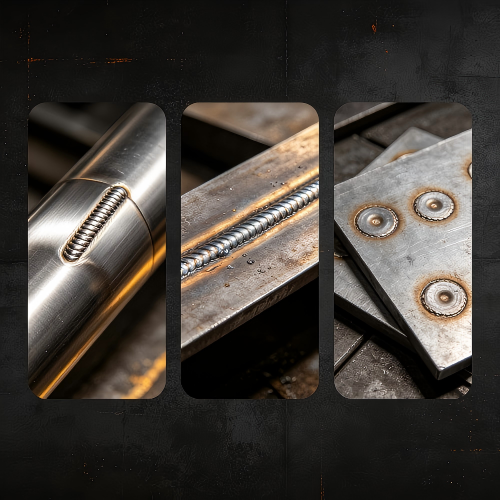
TIG vs. MIG vs. Spot Welding: Which Sheet Metal Welding Process Is Right for Your Project?
Compare TIG, MIG, and spot welding for sheet metal. Choose the right process for your project.
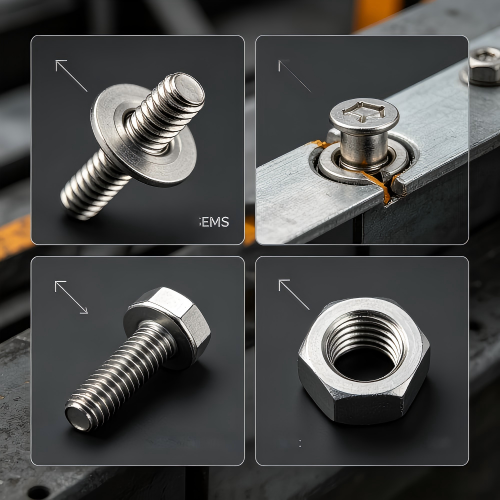
Sheet Metal Fastener Selection Guide: How to Choose the Right Fasteners for Your Assembly
Guide to sheet metal fasteners. Compare SEMS, self-clinching, bolts, and nuts. Choose the right one.
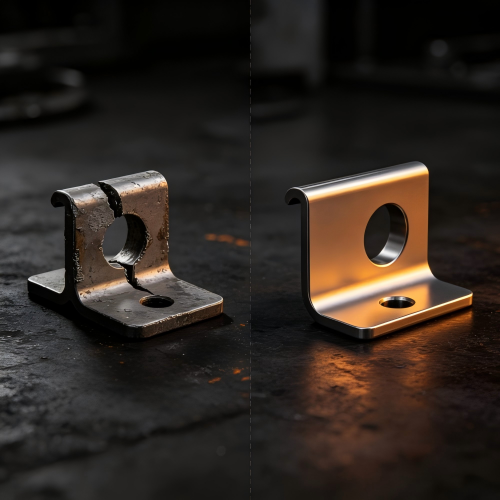
Sheet Metal Design for Manufacturing (DFM): 10 Common Mistakes and How to Avoid Them
Sheet metal DFM guide: 10 common design mistakes and how to avoid them for better manufacturability.
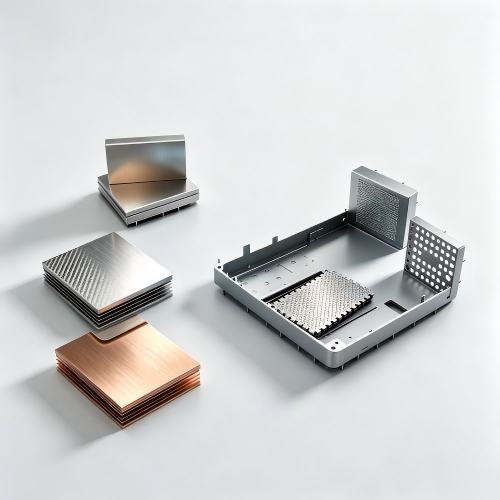
The Role of Material Selection in Enclosure EMI Performance
EMI shielding material guide. Compare steel, aluminum, stainless. Choose the right metal for EMC compliance.
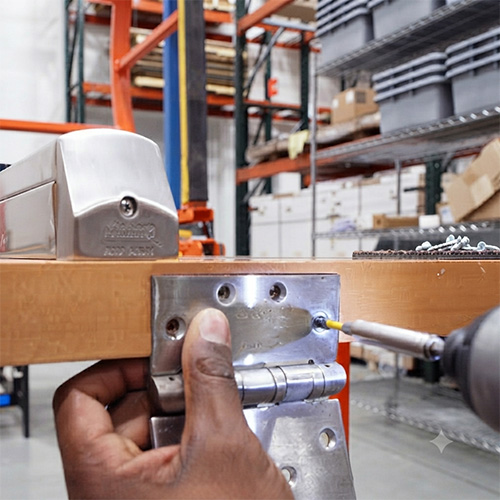
How Pre-Installed Hardware Enhances Sheet Metal Efficiency?
Pre-installed hardware boosts efficiency, cuts costs. Lingyufab delivers integrated solutions.
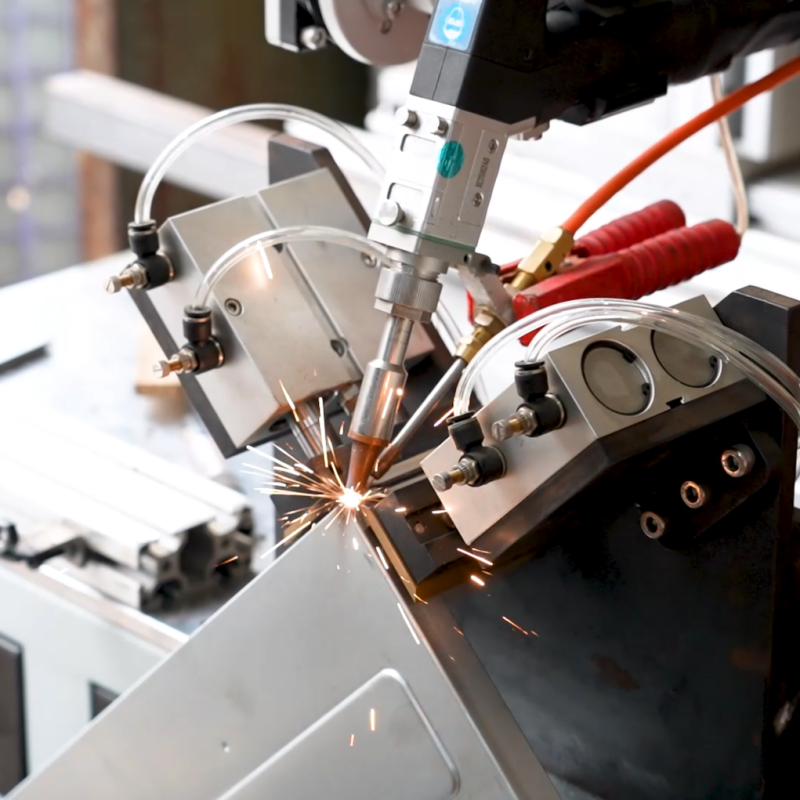
How Laser Cutting Improves Accuracy in Custom Sheet Metal Fabrication
Laser cutting is a non-contact, thermal-based digital fabrication process that utilizes a focused, high-powered laser beam to slice, score, or pierce sheet metal with extreme fidelity.
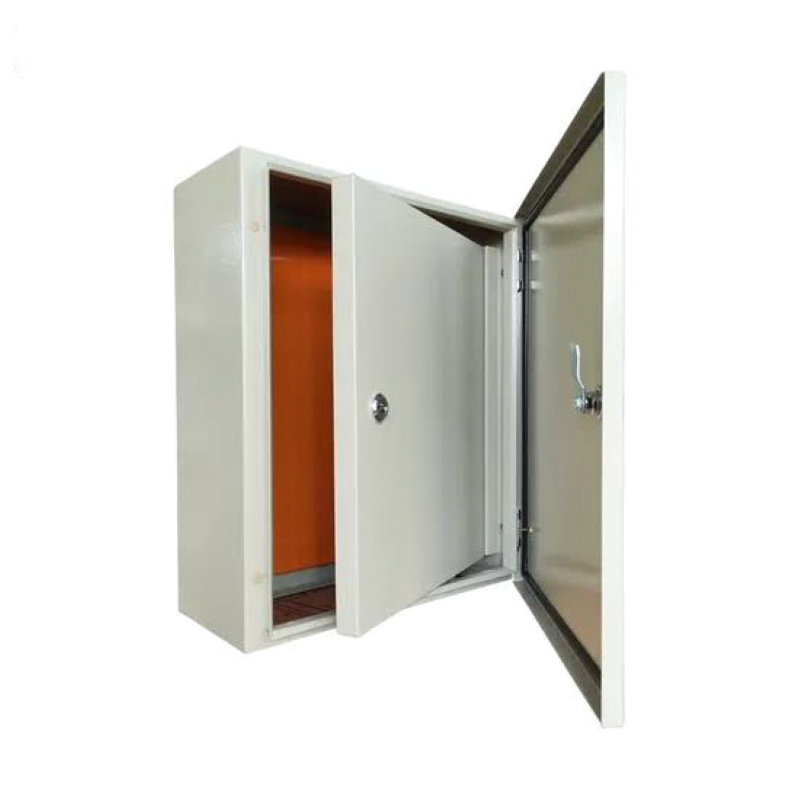
Precision Sheet Metal Electrical Control Boxes: Types, Materials & Key Applications
Sheet metal refers to metal that has been industrially processed into thin, flat pieces. It serves as the primary structural material used to form the protective outer chassis, housing, or casing.
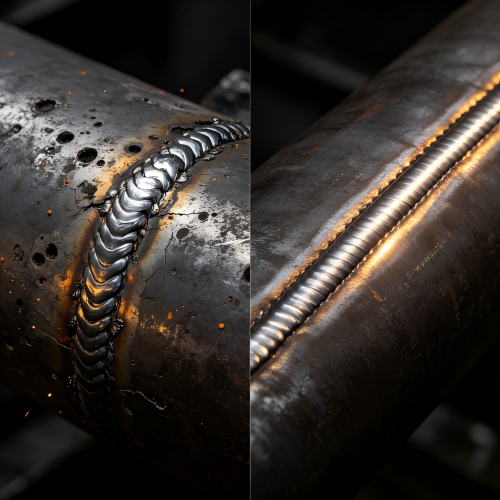
How to Avoid Sheet Metal Welding Defects
Common welding defects in sheet metal and how to prevent them. Porosity, cracking, distortion, and spatter.
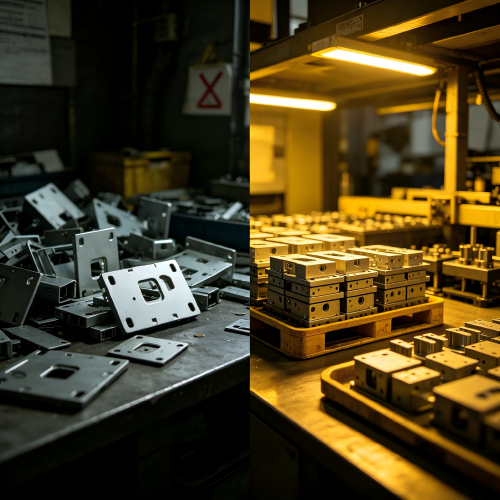
How to Evaluate and Choose a Sheet Metal Fabrication Supplier: A Practical Guide for Buyers
Sheet metal supplier evaluation guide. 6 criteria to choose the right partner for your project.
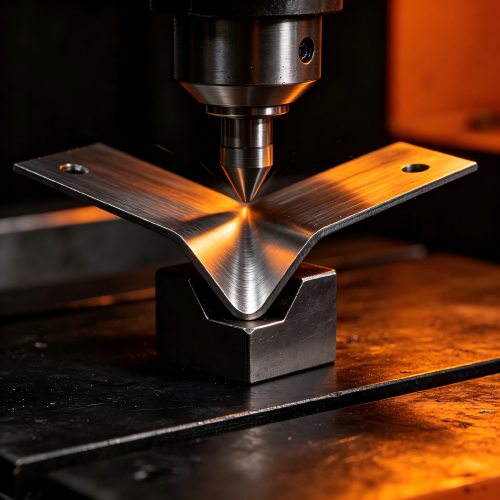
The Complete Guide to Sheet Metal Bending: Tooling, Springback, and Precision Control
Complete guide to sheet metal bending. Tooling, springback compensation, and precision control for quality bends.
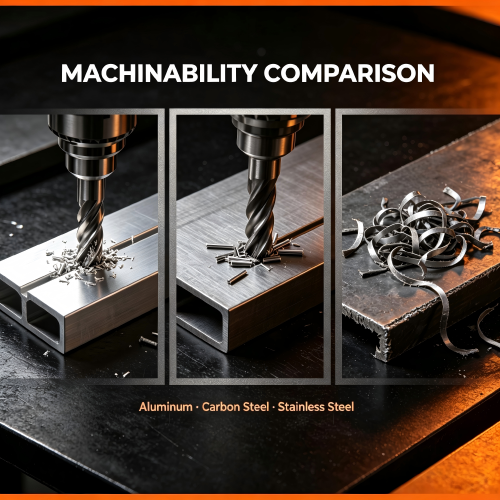
Sheet Metal Material Machinability Comparison – Which Materials Are Easier to Fabricate?
Compare machinability of aluminum, stainless steel, and carbon steel. Choose the right material for fabrication.
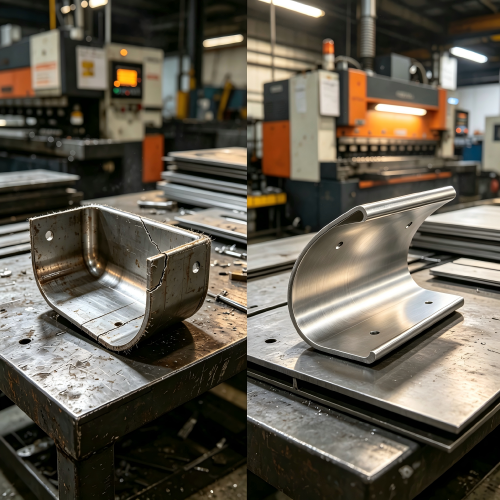
Common Defects in CNC Bending and How to Solve Them
Common CNC bending defects and how to solve them. Springback, cracking, wrinkling, and tooling marks explained.
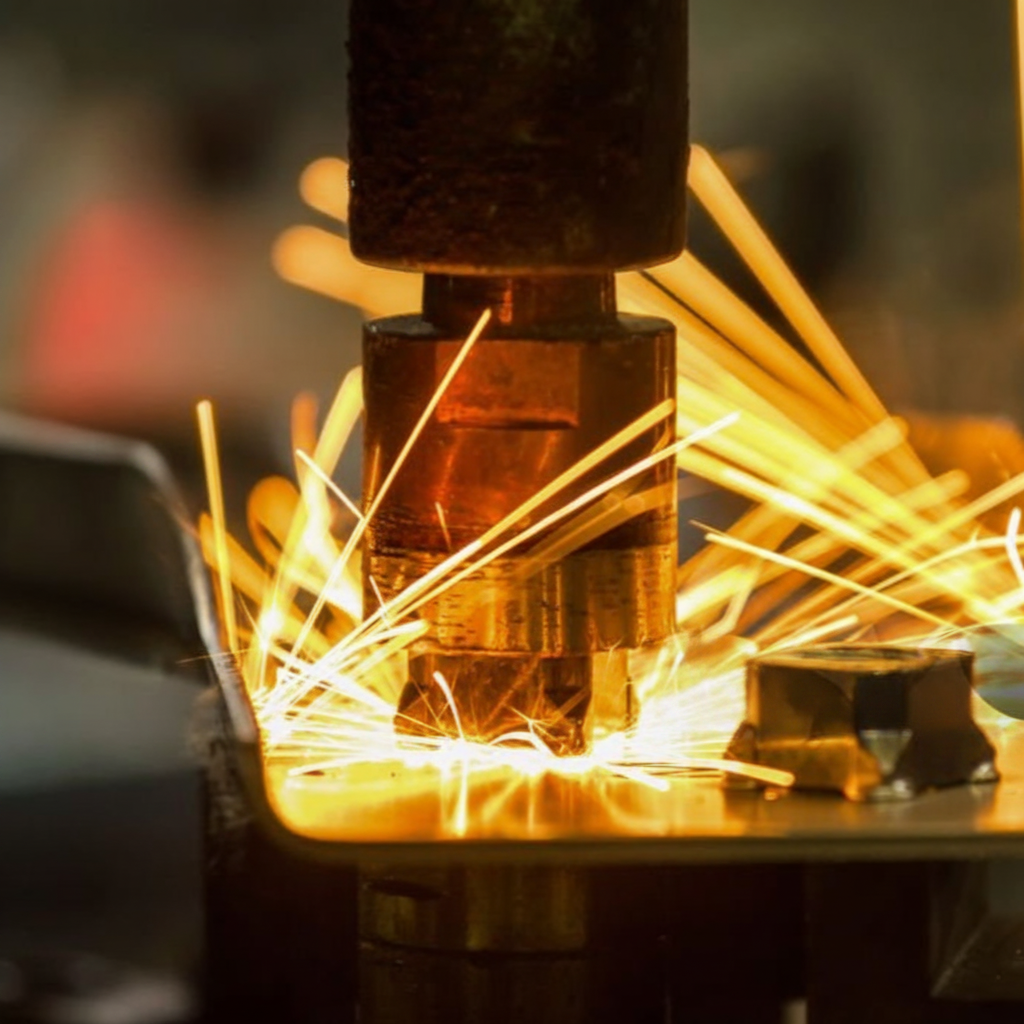
What Is Sheet Metal Assembly?
Sheet metal assembly combines fabricated metal parts with fasteners, welding, and other joining processes to create finished products. Learn the process, applications, pricing factors, and sourcing co
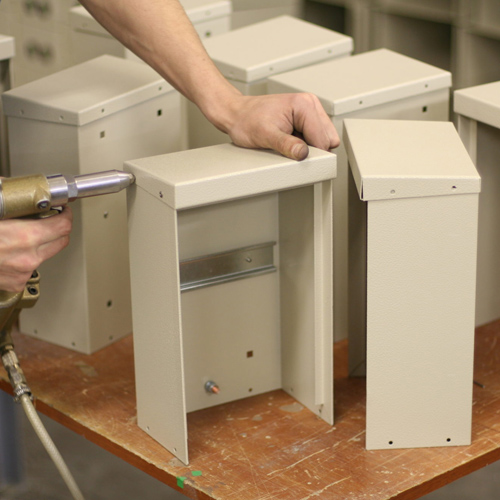
What is Sheet Metal?
Sheet metal is thin metal formed through stamping, cutting, bending, and other processes. This article introduces sheet metal materials, fabrication processes, and applications.
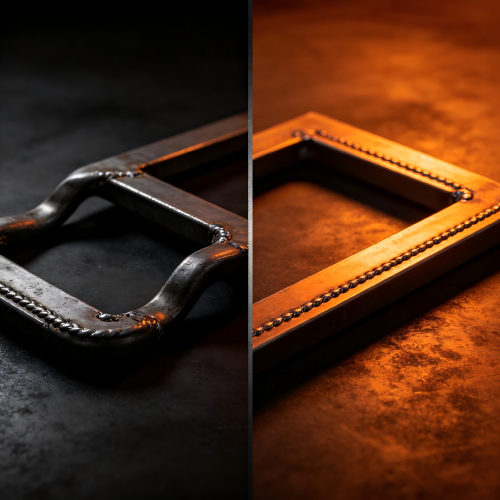
Causes and Prevention of Welding Distortion in Sheet Metal
Guide to welding distortion control in sheet metal. Causes, prevention strategies, and best practices.