
 +8613003178786
  sales@lingyufab.com
Structural Channel
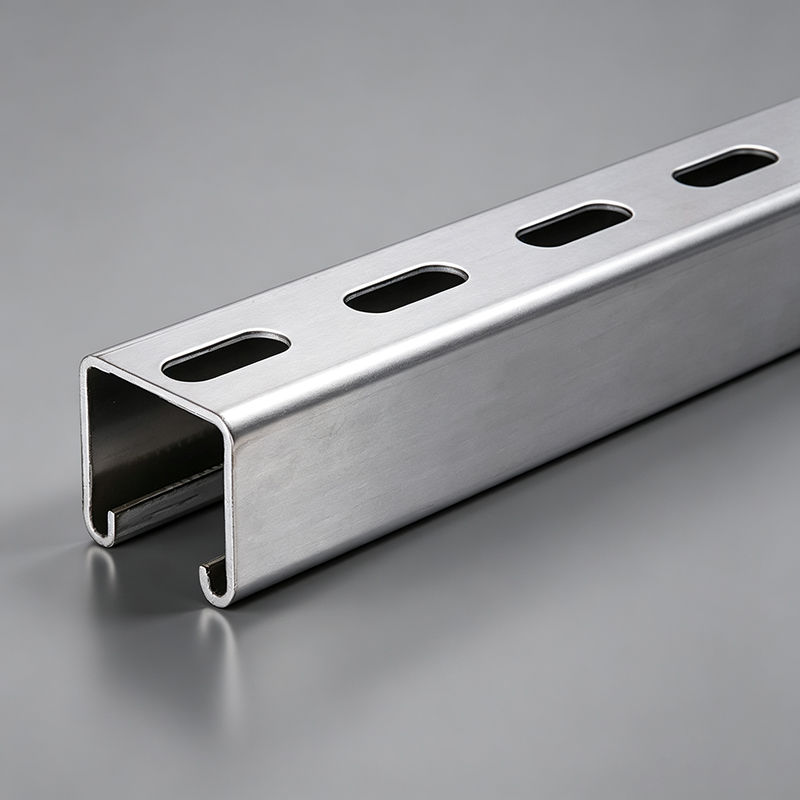
Leading Structural Channels Manufacturer
Lingyufab (Shanghai Lingyu Industrial Co., Ltd.), established in 2003, is a premier manufacturer of structural channels with over 20 years of precision sheet metal fabrication experience. We produce custom C-channels, U-channels, and lipped channels from carbon steel, stainless steel, and aluminum. As a Mitsubishi Electric certified core supplier adhering to Japanese quality standards, we serve clients across construction, industrial machinery, material handling, and renewable energy sectors. From 1-piece prototypes to high-volume production, we deliver reliable, cost-effective structural channel solutions.
As a China-based manufacturer located in Shanghai, Lingyufab leverages the region's robust supply chain and skilled workforce to produce high-quality structural channels at competitive prices. We adhere to ISO 9001:2015 quality management system. Our in-house production eliminates outsourcing costs, delivering 15 to 20 percent cost savings to customers. We support 1-piece samples, 100-piece pilot runs, and high-volume mass production with monthly output exceeding 5,000 units.
Our structural channels are engineered to precise specifications.
Lingyufab specializes in producing custom structural channel parts including:
Each part is tailored to your load requirements, structural configuration, and installation environment. Our engineering team provides upfront technical support, including structural analysis, design optimization, and cost-reduction recommendations. We support reverse engineering services. If you have a physical sample without drawings, we can 3D scan, model, and generate production-ready engineering prints. Whether you need a single prototype or thousands of units, we deliver consistent quality with zero MOQ for prototyping stages.
What truly sets Lingyufab apart is our ability to integrate the full spectrum of sheet metal processes, including laser cutting, CNC bending, stamping, welding, and surface treatment, into a seamless manufacturing workflow for structural channels. Rather than outsourcing individual steps to multiple vendors, we manage everything in-house, ensuring tighter quality control, faster lead times, and consistent communication throughout the entire production cycle. With our in-house fastener manufacturing, we can pre-install mounting brackets, connection plates, and assembly hardware directly onto your channels, eliminating external sourcing and reducing assembly time on your end. The result is a streamlined, cost-effective solution that provides reliable load-bearing capacity and long-term performance in demanding industrial and construction environments.
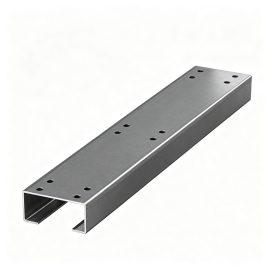
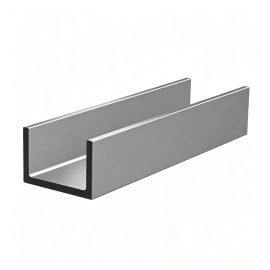
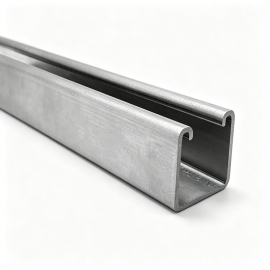
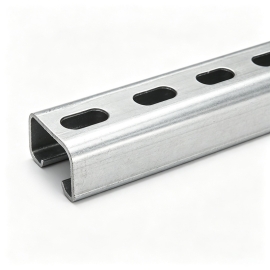
Features of Structural Channels
Structural channels offer high load-bearing capacity and dimensional stability for demanding structural applications. They are available in C-channel, U-channel, and lipped channel profiles, constructed from carbon steel, stainless steel, or aluminum. Standard features include precision-formed edges, consistent wall thickness, and accurate hole positioning for bolted connections. Surface finishing options include powder coating, galvanizing, and anodizing for corrosion protection. Custom lengths, hole patterns, and connection details are available upon request. Full material traceability with Mill Test Certificates (MTC) for every batch.
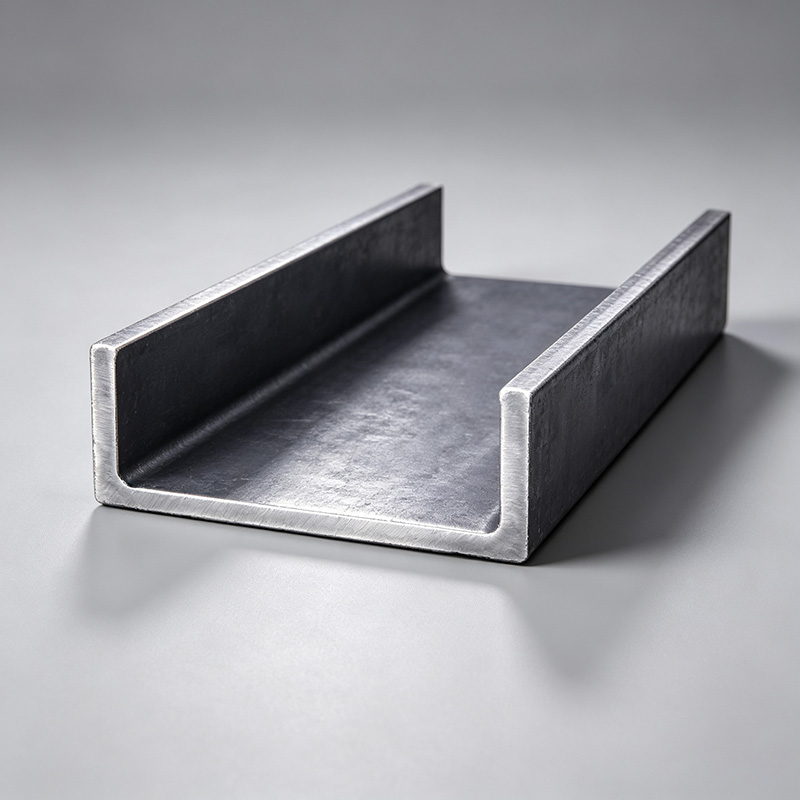
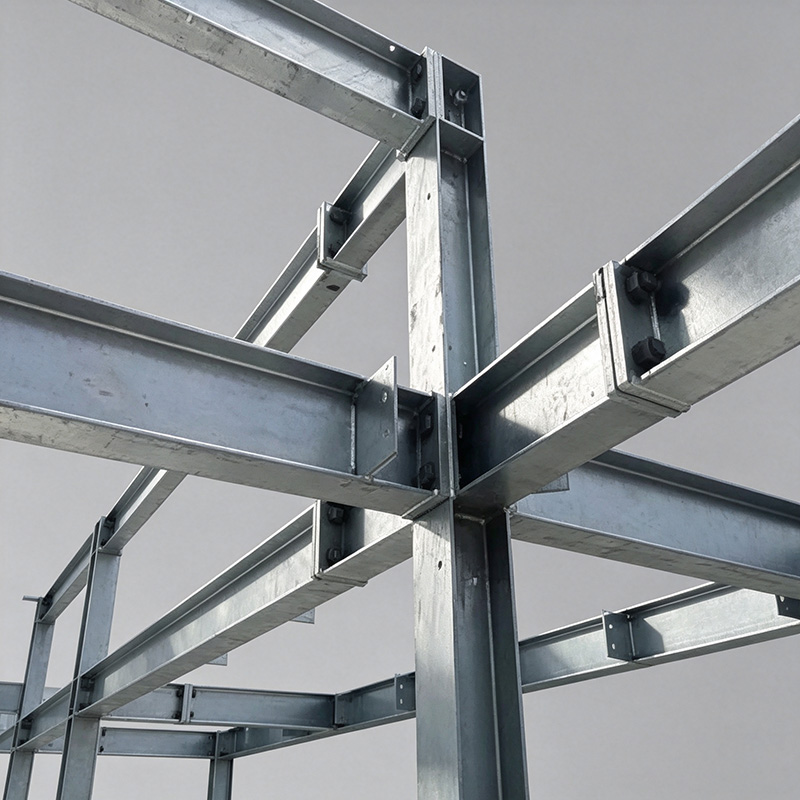
Applications of Structural Channels
Our structural channels are widely deployed in building construction for roof purlins, wall girts, and floor joists, industrial machinery for equipment frames and support structures, material handling for conveyor supports and storage racking, automotive for chassis components and trailer frames, and renewable energy for solar mounting systems and wind turbine supports. They provide essential load-bearing capacity, structural integrity, and long-term durability in demanding environments. Lingyufab supports 1-piece prototyping, 100-piece pilot runs, and high-volume mass production with monthly delivery exceeding 5,000 units.
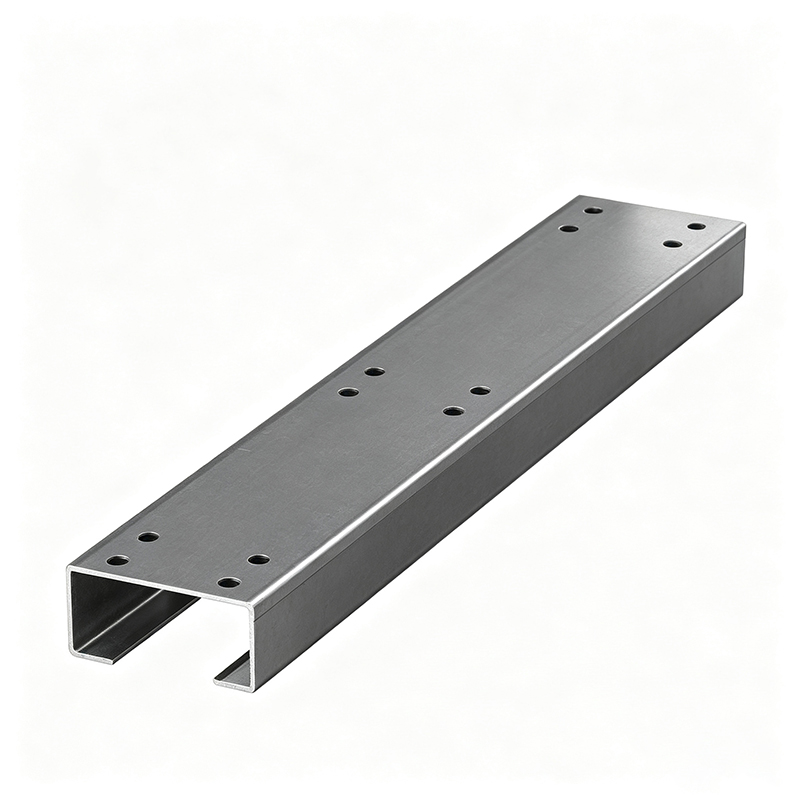
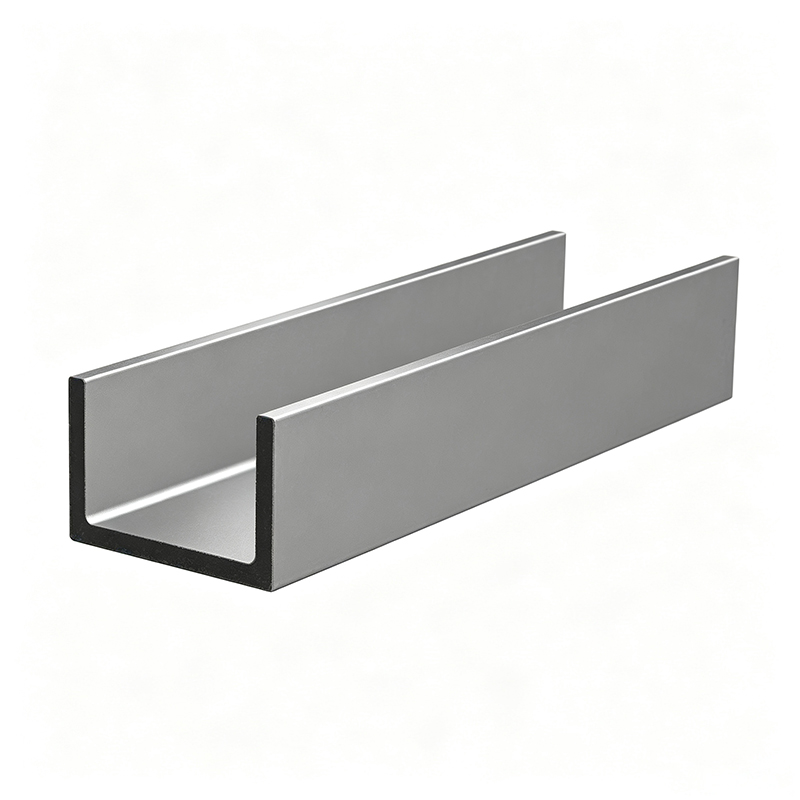
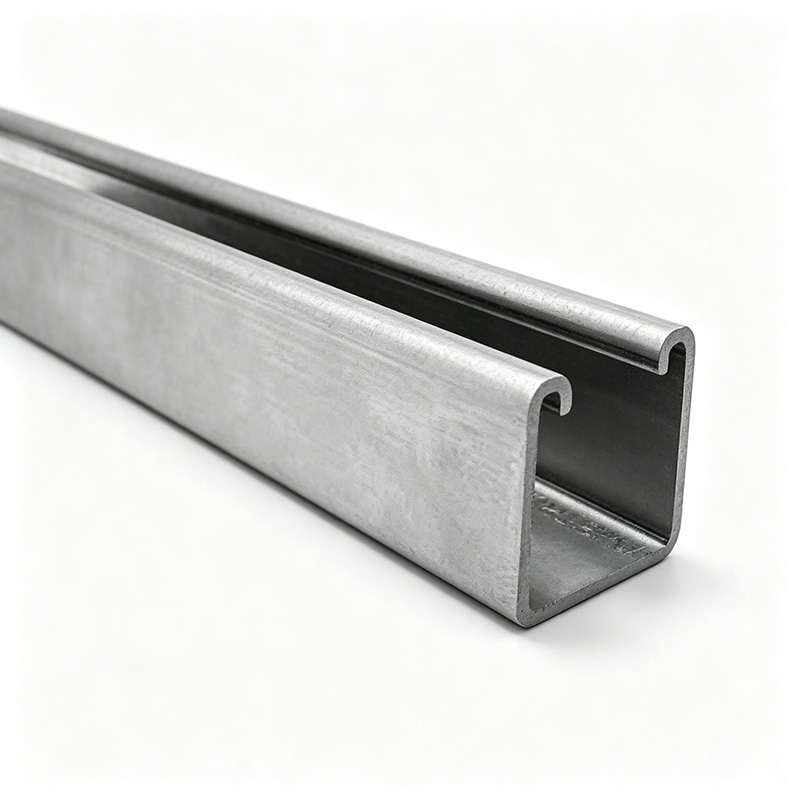
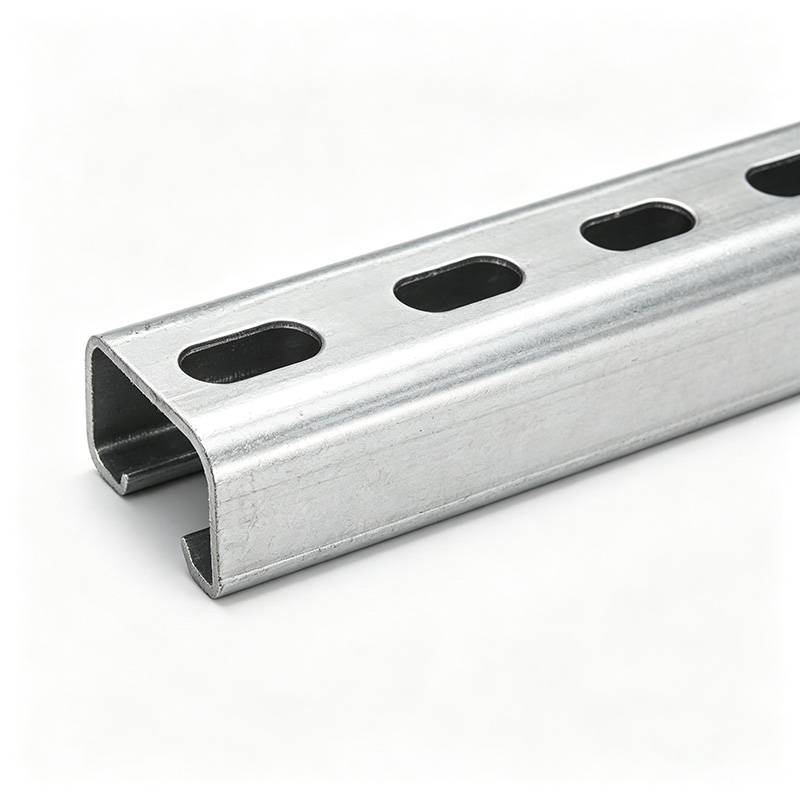
A structural channel is a steel section with a C-shaped or U-shaped cross-section, widely used in construction and industrial applications for load-bearing frames, supports, and structural frameworks. It is typically formed from carbon steel, stainless steel, or aluminum through hot rolling or cold bending processes. Structural channels provide excellent load-bearing capacity, dimensional stability, and ease of assembly through bolting or welding. They are essential in building construction, industrial machinery, material handling, and renewable energy systems.
Lingyufab supports 1-piece prototyping, 100-piece pilot runs, and high-volume mass production with monthly delivery exceeding 5,000 units.
When designing and fabricating structural channels, consider the following guidelines:
Wall thickness typically ranges from 1.5mm to 12.0mm depending on load requirements. Profile sizes vary based on structural needs.
Precision is critical for structural channels to ensure proper fit, alignment, and load distribution. Lingyufab maintains the following accuracy standards:
These standards are maintained through advanced laser cutting, CNC bending, and welding equipment, combined with rigorous in-process inspection and final quality control checks.
Lingyufab implements a comprehensive quality control system for structural channels:
Structural channels can be fabricated into various configurations to suit different applications:
Lingyufab (Shanghai Lingyu Industrial Co., Ltd.), established in 2003, is a leading structural channel manufacturer with over 20 years of precision sheet metal fabrication experience. As a Mitsubishi Electric certified core supplier adhering to Japanese quality standards, we combine advanced laser cutting, CNC bending, stamping, welding, and powder coating to produce high-quality structural solutions for industrial and construction applications.
Our ISO 9001:2015 certified facility in Shanghai offers end-to-end services from design assistance to mass production. We support 1-piece prototyping for design validation, 100-piece pilot runs for testing, and high-volume mass production with monthly output exceeding 5,000 units. Backed by in-house fastener manufacturing, we can pre-install mounting brackets, connection plates, and assembly hardware directly onto your channels, streamlining your supply chain and reducing assembly time.
With competitive pricing, 15-20% cost savings through in-house production, and full material traceability with MTC for every batch, Lingyufab delivers reliable, cost-effective structural channel solutions for construction, industrial machinery, material handling, and renewable energy sectors worldwide.

How to Read a Sheet Metal Fabrication Quote: A Buyer‘s Guide to Understanding Costs and Avoiding Surprises
Guide to reading sheet metal fabrication quotes. Understand costs, avoid hidden fees, and compare suppliers.
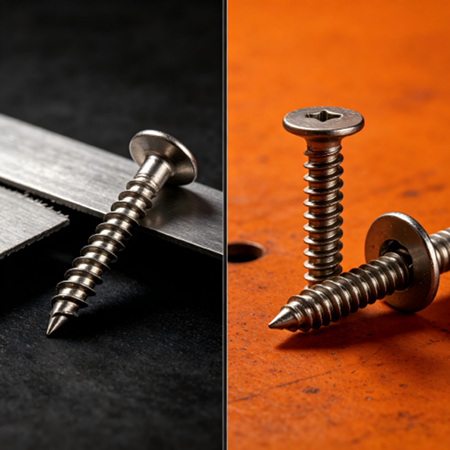
Self-Tapping Screws vs. Machine Screws: How to Choose the Right Threaded Fastener for Sheet Metal
Self-tapping vs machine screws for sheet metal. Compare features, applications, and choose the right fastener.
Sheet Metal Tolerances That Cost Too Much? How to Set Them Right and Save
Guide to sheet metal tolerances. How to set realistic tolerances that balance precision and cost.
Custom Metal Components for Communication and Power Modules
Custom metal components for communication and power modules: design, materials, and manufacturing.
Industrial Applications of Precision Support and Mounting Brackets
Precision mounting brackets across industries: automation, medical, aerospace, and more.
How to Choose the Right Material for Precision Mounting Brackets
Choose the right material for precision mounting brackets: steel, stainless, or aluminum.
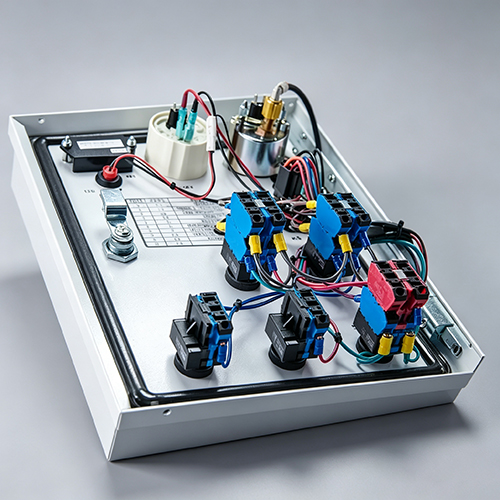
Electrical-Control-Box Assembly: Indoor vs. Outdoor Design Considerations
Indoor vs outdoor electrical-control-box: key design differences and selection tips.
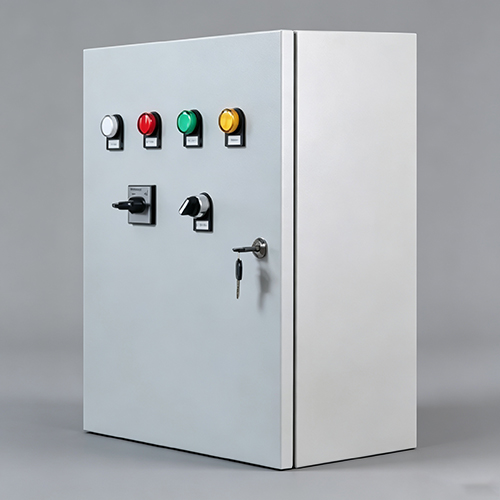
Key Design Considerations for Precision Electrical-Control-Box Assembly
Key design tips for precision electrical-control-box assembly: materials, sealing, thermal management.
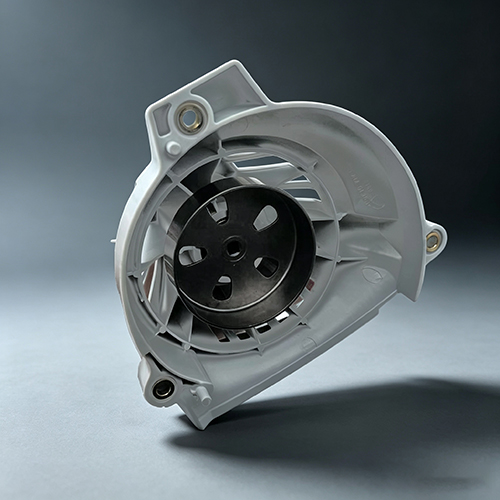
Design for Manufacturability: Optimizing Precision Fan Case Assemblies for Cost and Performance
Optimize precision fan case assembly design for cost, performance, and manufacturability.
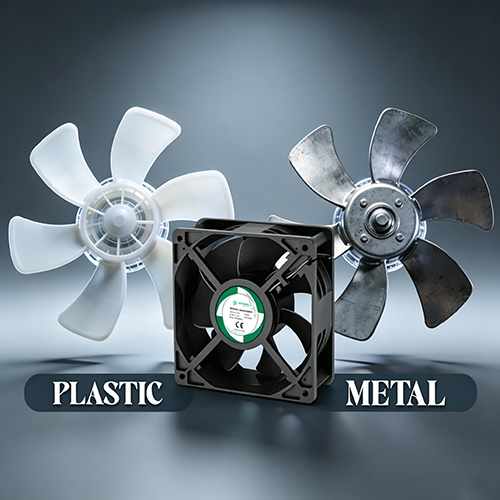
Sheet Metal Fan Housing vs. Plastic Fan Housing: Which Is Right for Your Application?
Sheet metal vs plastic fan housings: compare durability, cost, and thermal performance.
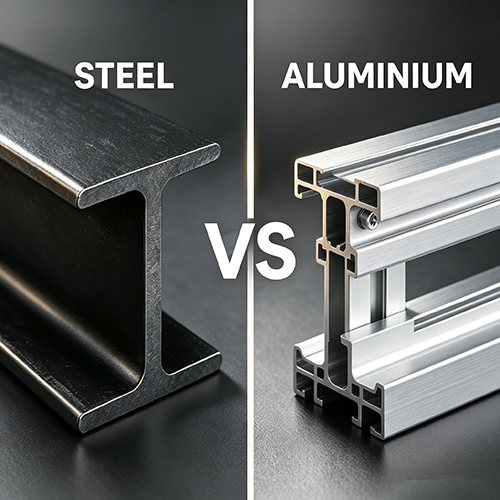
Steel vs. Aluminum for Server and Networking Chassis Components
Steel or aluminum for server chassis? Compare strength, cost, and thermal performance.
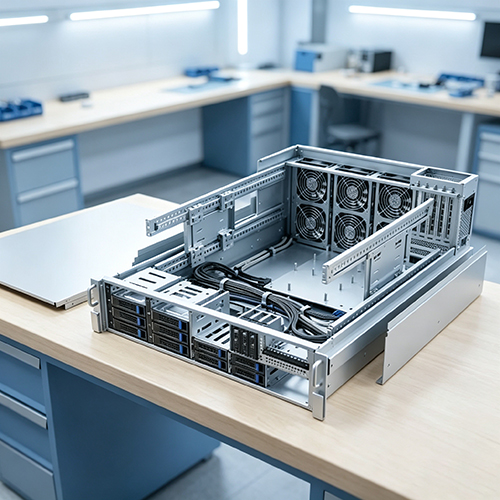
The Critical Role of Precision Sheet Metal in Server and Networking Chassis Manufacturing
Precision sheet metal for server and networking chassis manufacturing.
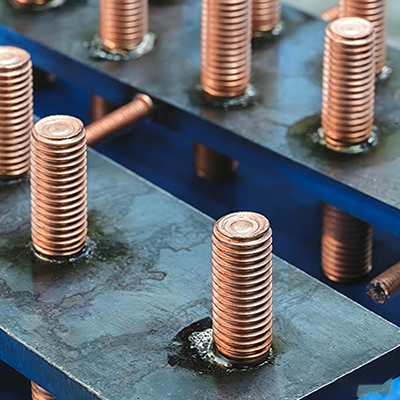
Why Custom Stud-Welded Sub-Assemblies Give You an Edge
Custom stud-welded assemblies simplify supply chains and cut costs.
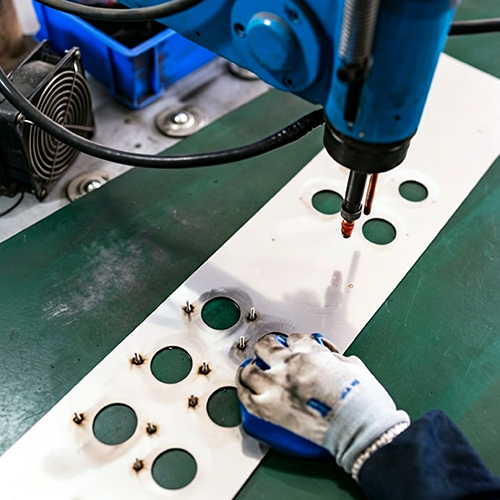
Stud Welding vs. Self-Clinching Fasteners: Which Is Right for Your Project?
Compare stud welding vs self-clinching fasteners for sheet metal projects
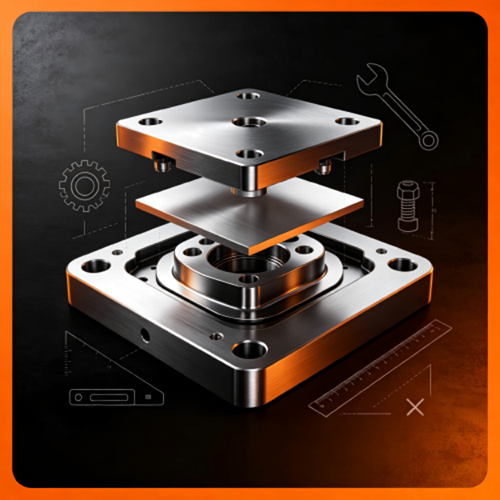
Sheet Metal Stamping Die Development: From Design to Mass Production
Complete guide to stamping die development. From design to mass production. Learn the 8-stage process.
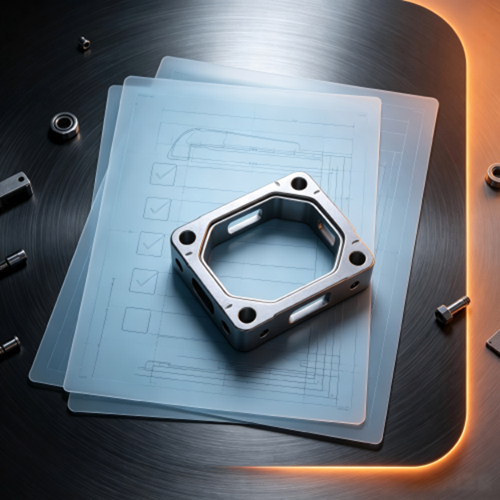
DFM Checklist for Sheet Metal Parts – A Must-Read for Engineers
Sheet metal DFM checklist for engineers.
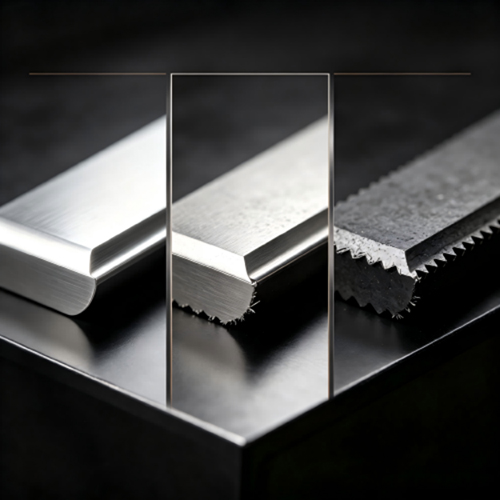
Cut Edge Quality in Sheet Metal: Comparing Laser Cutting, Stamping, and Shearing
Compare laser, stamping & shearing edge quality. Choose the right sheet metal cutting method.
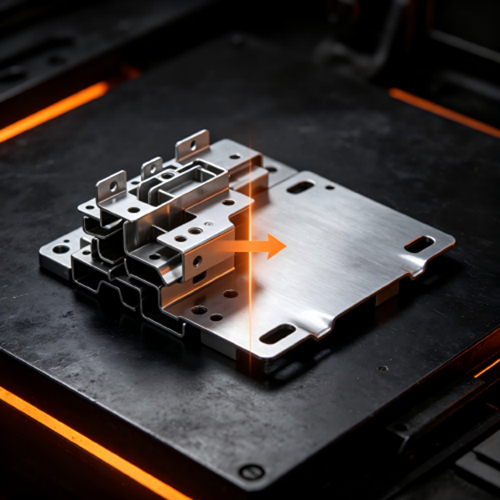
How to Reduce Sheet Metal Fabrication Costs: A Practical Guide for Design Engineers and Buyers
How to reduce sheet metal fabrication costs. Practical strategies for design engineers and buyers.
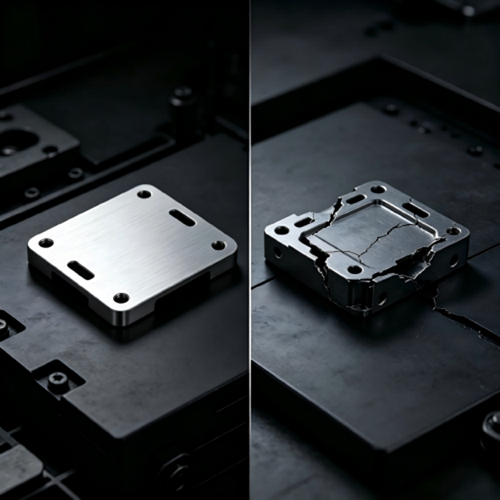
Why Your Sheet Metal Prototype Works, But Production Fails: 5 Critical Gaps to Close
Why prototypes fail in production. 5 critical gaps and how to close them for successful scale-up.

Sheet Metal Parts Inspection Guide: A Practical Checklist for Buyers and Quality Engineers
Sheet metal parts inspection guide. Practical checklist for buyers and quality engineers. Dimensional, surface, weld, finish.
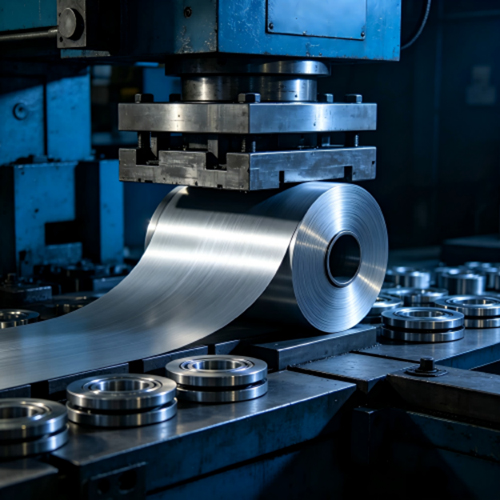
What Is Metal Stamping? A Complete Guide to High-Volume Sheet Metal Forming
Guide to metal stamping. Learn the process, types, and when to use high-volume sheet metal forming.
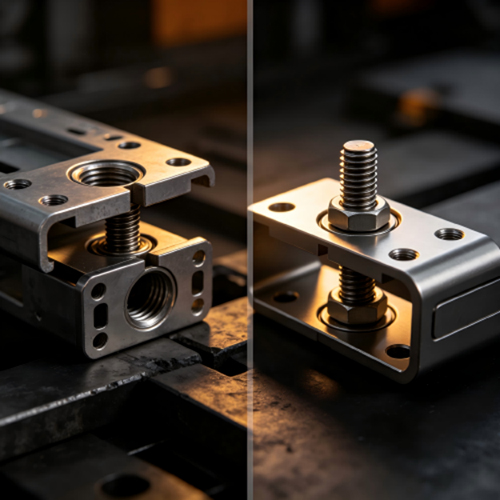
Sheet Metal Assembly Tolerances: A Practical Guide to Ensuring Parts Fit Perfectly
Guide to sheet metal assembly tolerances. Learn how to prevent fit issues and ensure parts align perfectly.
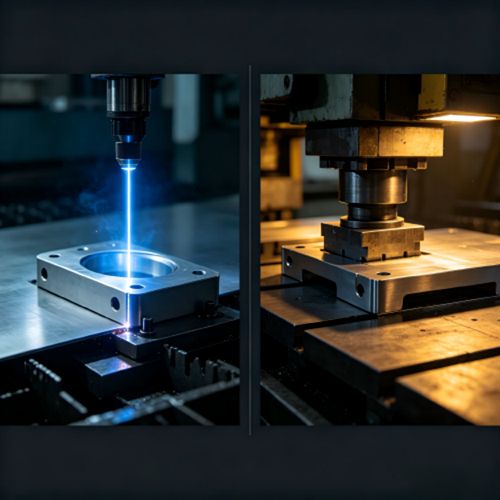
Laser Cutting vs. Stamping: How to Choose the Right Sheet Metal Process for Your Project
Laser cutting vs stamping. Compare cost, volume, and quality. Choose the right process.
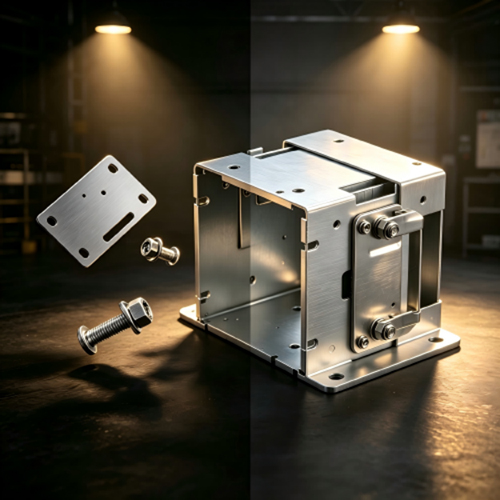
Sheet Metal and Fastener Integrated Manufacturing: Why Separate Sourcing Costs You More
Integrated sheet metal and fastener manufacturing. Reduce costs, simplify supply chain, one supplier.
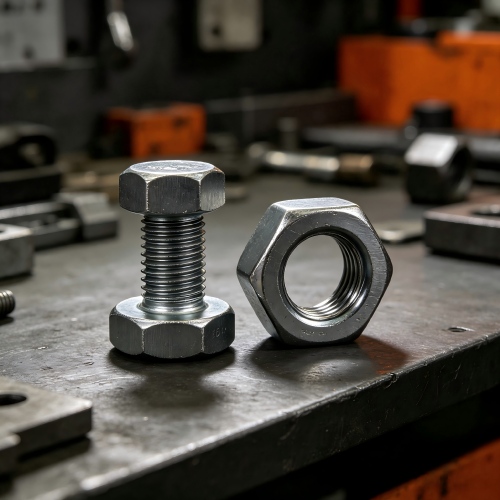
Hex Flange Bolts for Sheet Metal Enclosures
Hex flange bolts and nuts for sheet metal enclosures. Vibration-resistant, wide flange design for thin panels.
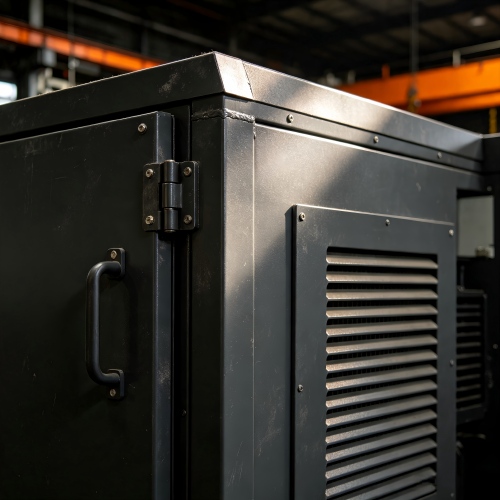
Industrial Machinery Enclosures: Custom Sheet Metal Solutions
Custom machinery enclosures for industrial equipment. Durable sheet metal solutions for harsh factory environments.
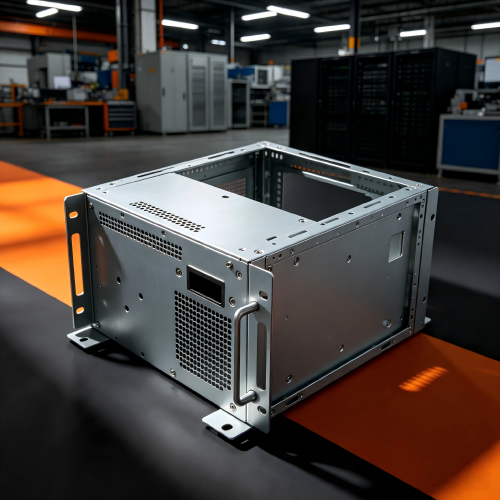
Custom Metal Components for Server and Networking Chassis
Server chassis fabrication guide. Custom sheet metal components for 19-inch rack mount networking equipment.
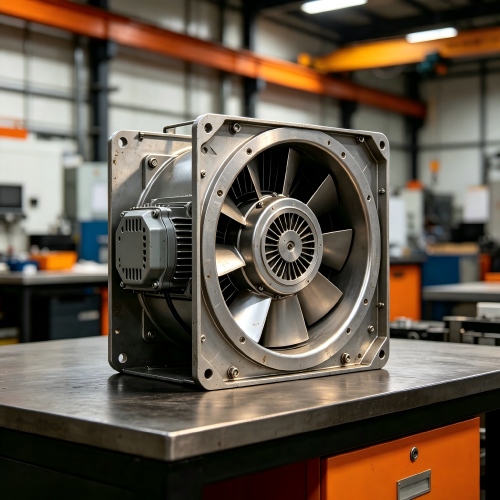
Precision Fan Case Assembly: From Sheet Metal to High-Performance Cooling Solutions
Precision fan case assembly guide. Manufacturing process, quality considerations, and applications for cooling solutions.
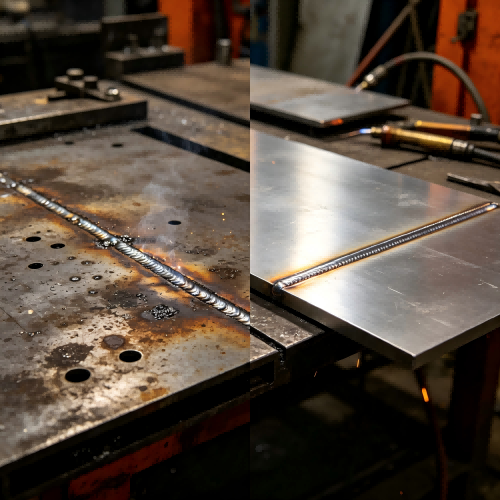
How Surface Treatment Affects Weld Quality: 5 Key Factors Buyers Must Know
How surface treatment affects weld quality. 5 key factors buyers must check before welding begins.
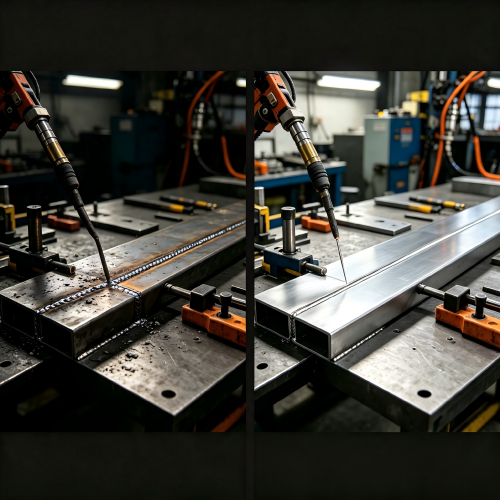
Laser Welding Cost Analysis: Is It Really More Expensive Than Traditional Welding?
Laser welding cost analysis. Compare laser vs TIG welding costs and learn how to reduce welding expenses.
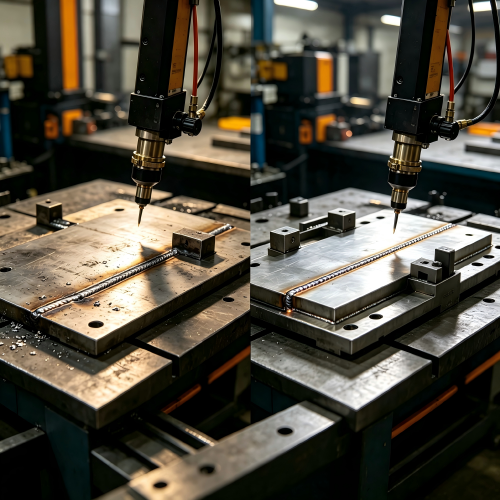
Laser Welding Fixture Design: A Critical Factor for Weld Quality
Guide to laser welding fixture design. Key requirements for precision positioning, clamping, and heat dissipation.
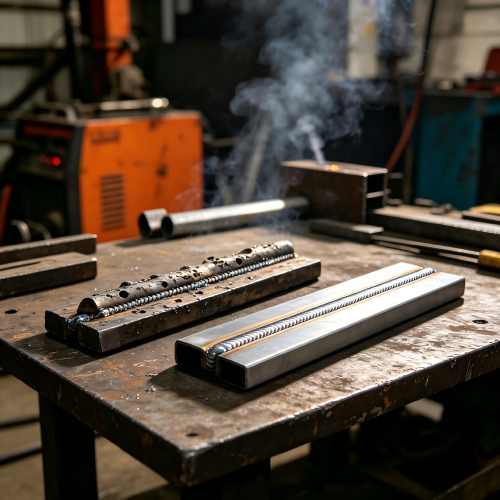
Weld Quality Inspection: A Practical Guide for Buyers and Quality Engineers
Guide to weld quality inspection. Common welding defects, visual inspection, and NDT methods for buyers.
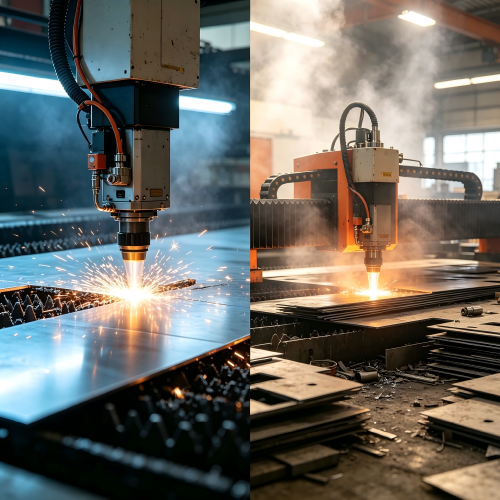
Fiber Laser vs. CO₂ Laser for Sheet Metal: Which Is Better for Your Sheet Metal Parts?
Fiber laser vs CO₂ laser cutting comparison. Learn which technology is right for your sheet metal parts.
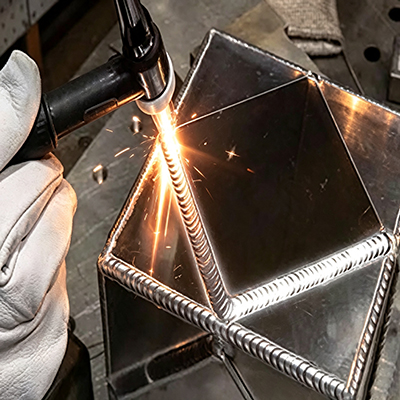
Common Sheet Metal Welding Defects and How to Prevent Them
Common welding defects in sheet metal and how to prevent them. Porosity, cracking, distortion, and spatter.
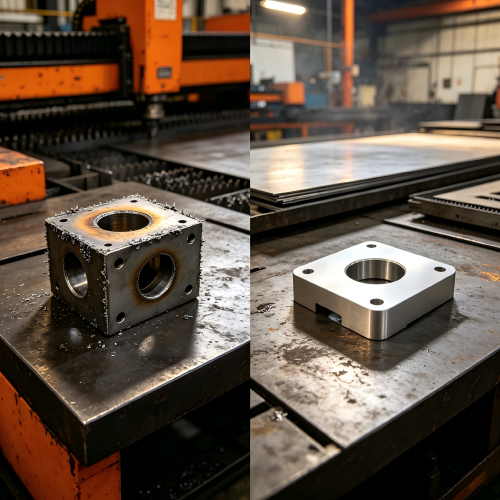
Common Laser Cutting Defects and How to Solve Them
Common laser cutting defects and how to solve them. Burrs, dross, HAZ, warping, and tapered holes explained.
Small Batch Sheet Metal Fabrication with No Minimum Order
Small batch sheet metal fabrication with no minimum order. Prototypes to production. One-stop service.
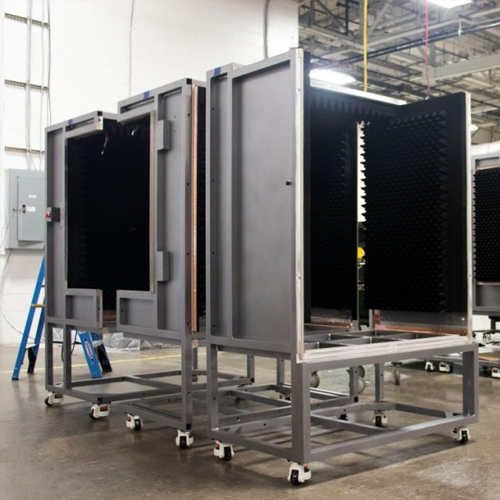
6 Key Steps in Sheet Metal Fabrication Process
Professional sheet metal fabrication involves systematic steps from design review to final delivery. This article introduces the 6 key processes in sheet metal manufacturing.
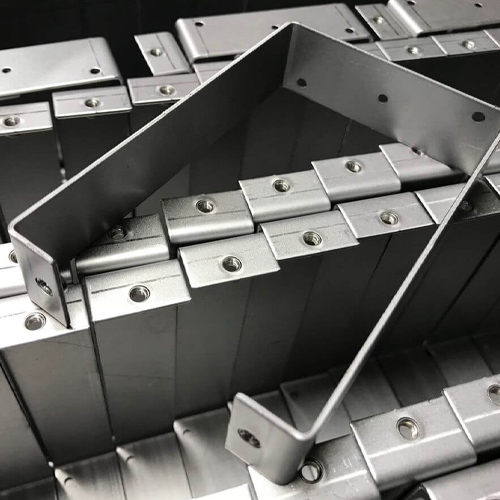
How to Choose the Right Fasteners?
Fasteners are the core of connection components. This guide introduces fastener types, standards, materials, and key selection parameters for OEM and manufacturing projects.
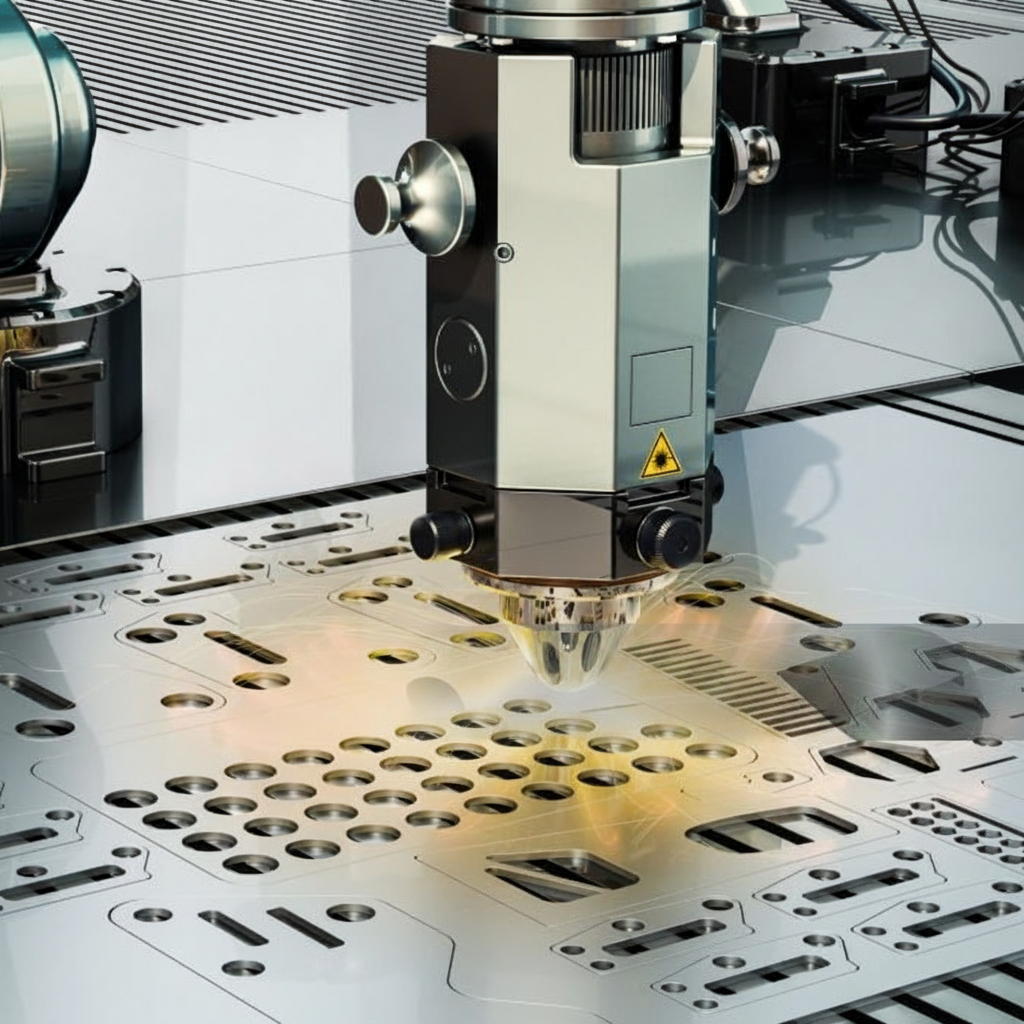
What Is Laser Cutting in Sheet Metal Fabrication?
Laser cutting is a precise sheet metal fabrication process used to cut metal sheets into custom shapes and parts. Learn how it works, its advantages, applications, pricing factors, and sourcing consid
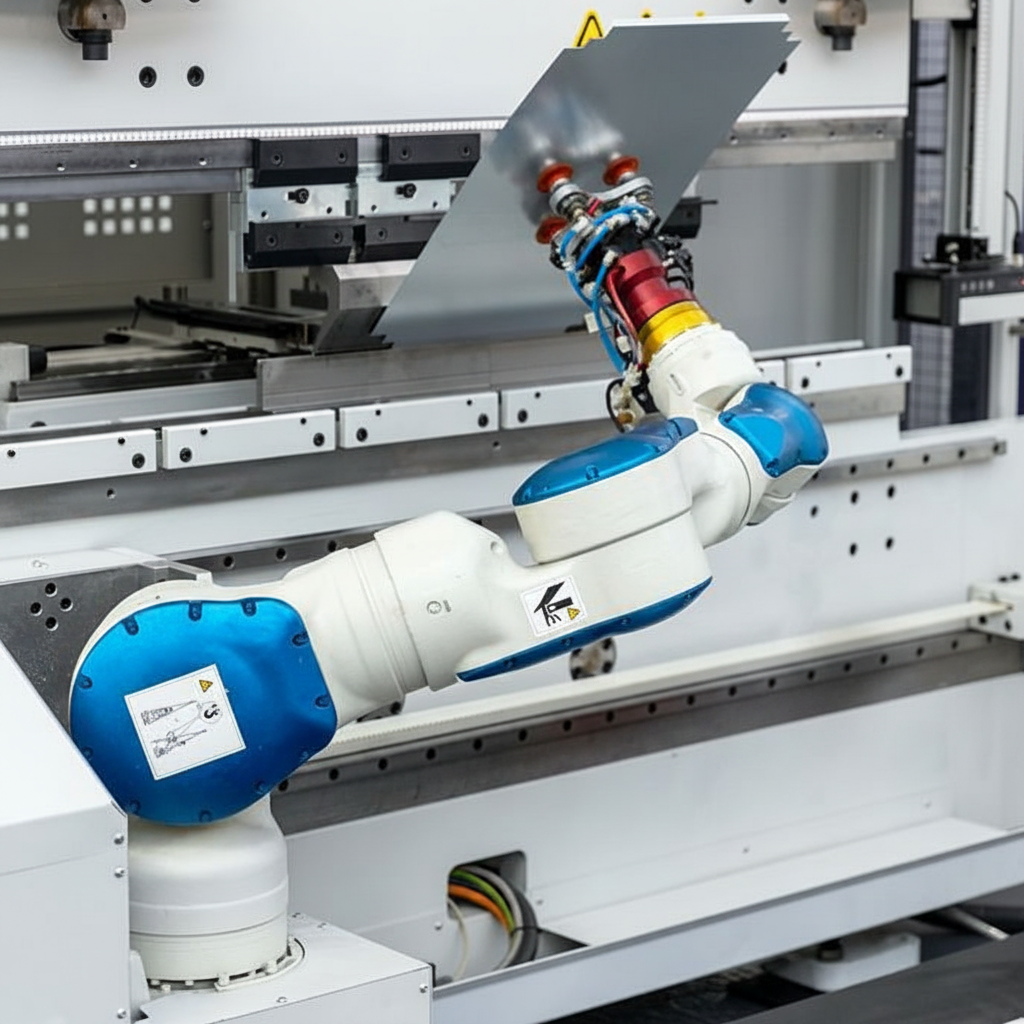
What Is Sheet Metal Fabrication?
Sheet metal fabrication is the process of cutting, bending, welding, and assembling metal sheets into finished parts and products. Learn the main processes, materials, applications, pricing factors, a
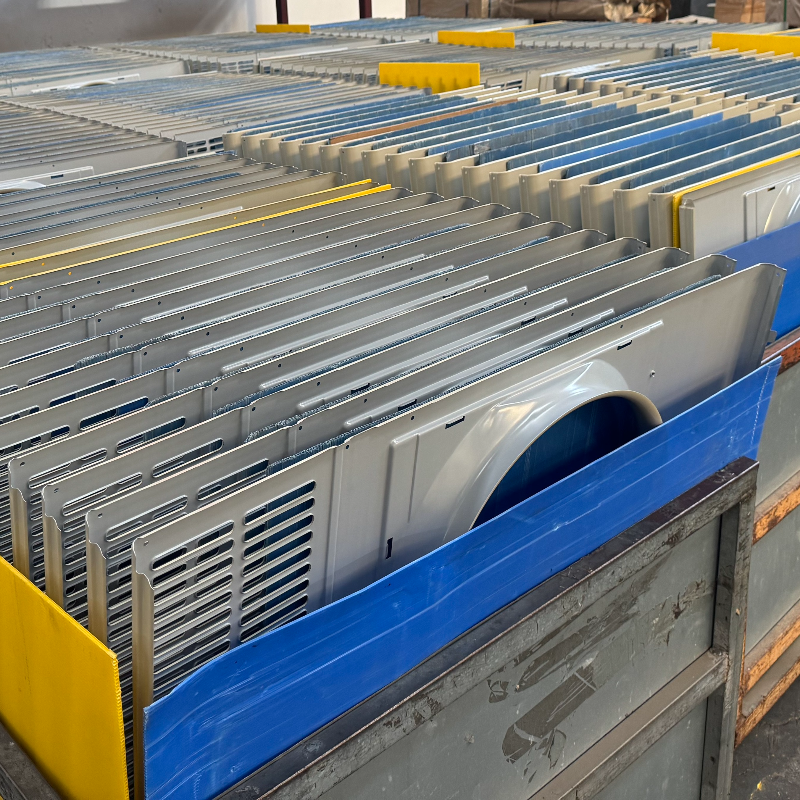
What Are Three Common Types of Sheet Metals?
Learn about three common types of sheet metals—aluminum, stainless steel, and galvanized steel. Explore their features, applications, pricing factors, and sourcing considerations for OEM projects.
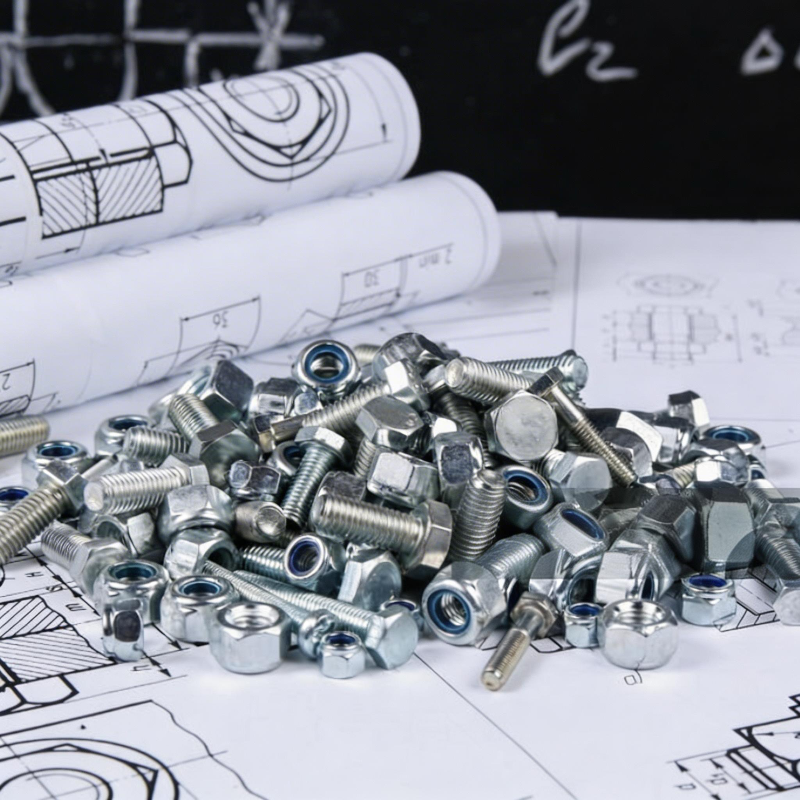
What Are Industrial Fasteners?
Industrial fasteners include bolts, screws, nuts, and washers for mechanical assembly. This article covers fastener types, materials, standards, pricing factors, and sourcing tips for OEM buyers.
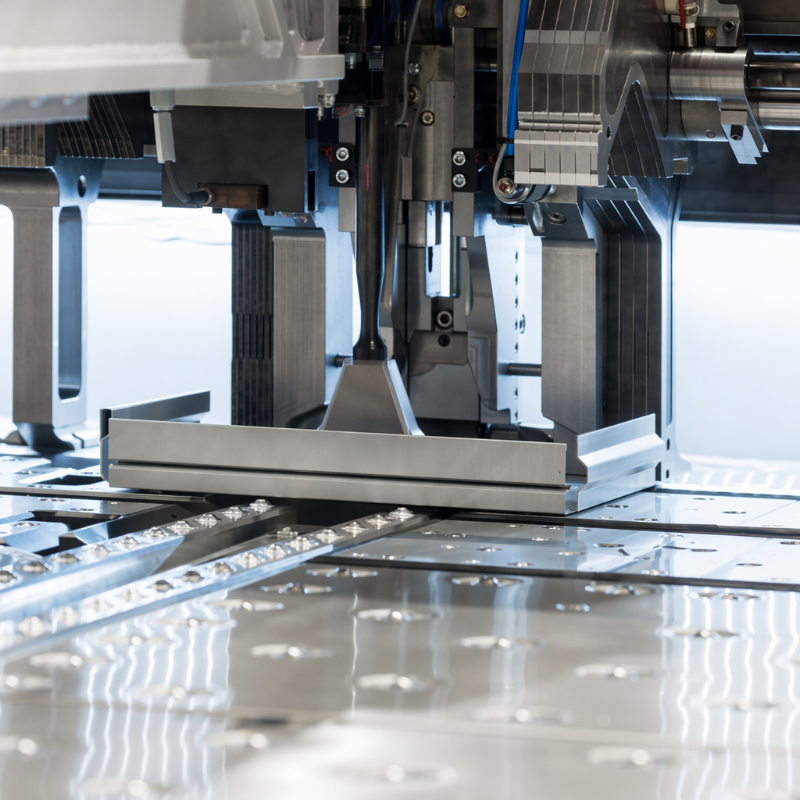
What Is CNC Bending in Sheet Metal Fabrication?
CNC bending is a key sheet metal fabrication process used to form flat metal parts into precise angles and shapes. Learn how it works, its advantages, applications, pricing factors, and sourcing consi
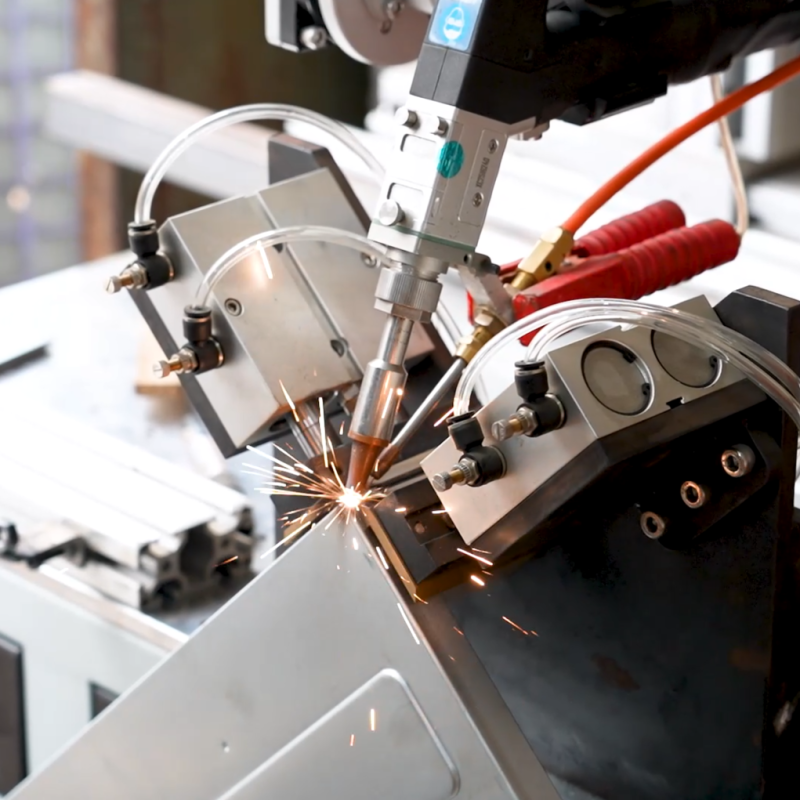
What Is Sheet Metal Welding?
Sheet metal welding is a key fabrication process used to join metal parts into strong structures and assemblies. Learn common welding methods, applications, quality factors, pricing factors, and sourc
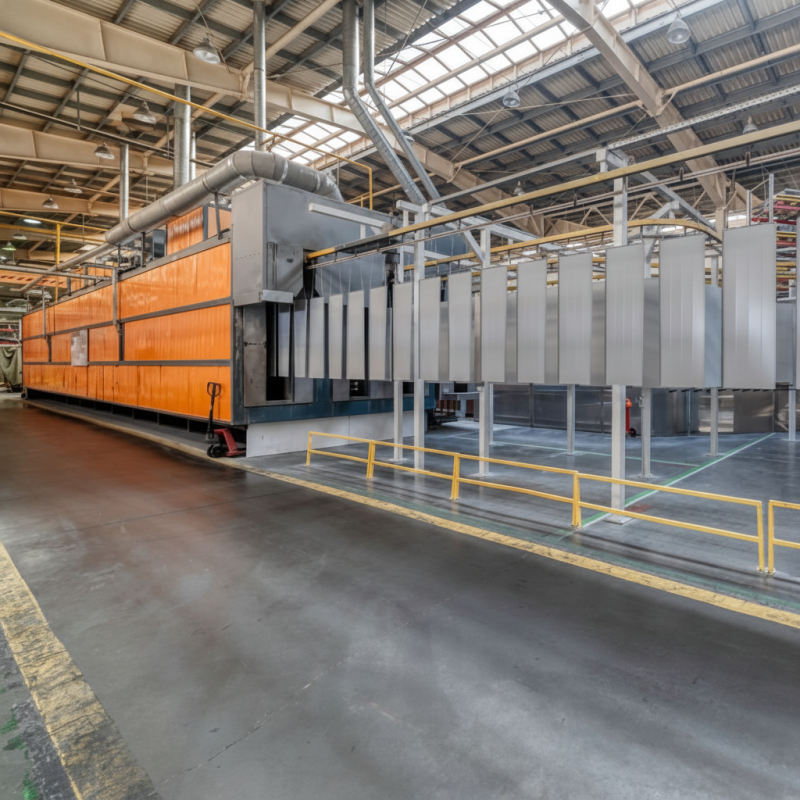
What Is Powder Coating for Sheet Metal Parts?
Powder coating is a common surface finishing process for sheet metal parts, used to improve corrosion resistance, appearance, and durability. Learn the process, applications, pricing factors, and sour
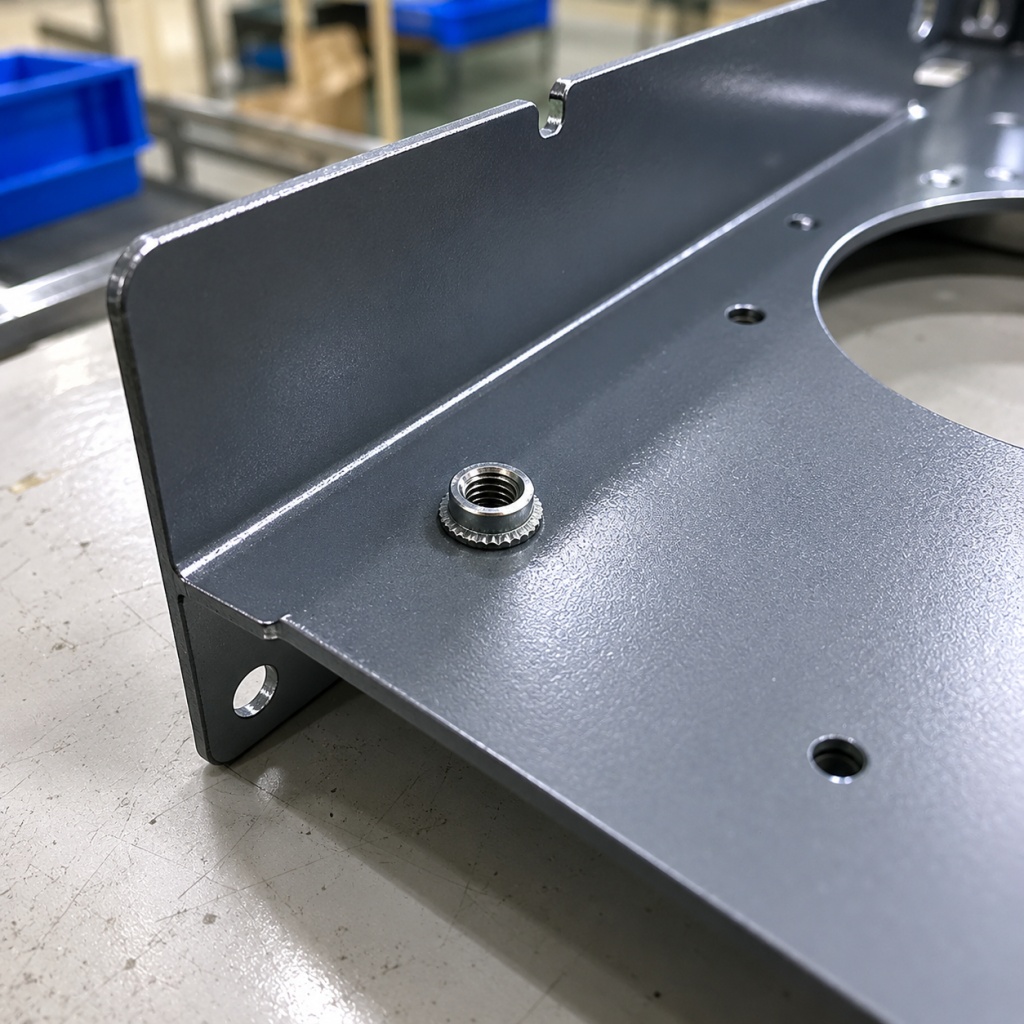
What Are Self-Clinching Fasteners for Sheet Metal Parts?
Self-clinching fasteners are specialized hardware components designed to be pressed into sheet metal to create reliable threaded or mounting points. They are widely used in enclosures, cabinets, brack
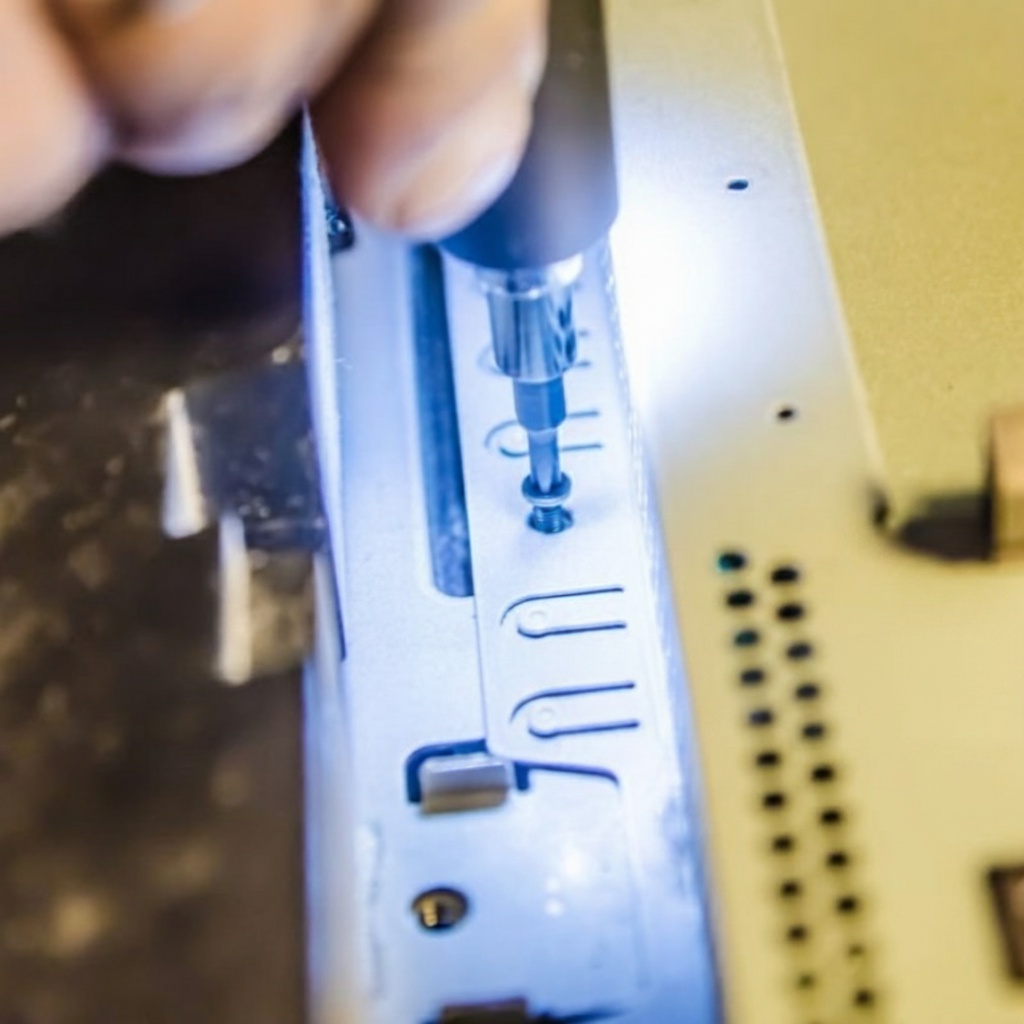
How to Choose Self-Tapping Screws for Sheet Metal Assemblies
Self-tapping screws are widely used in sheet metal assemblies because they can form or engage threads during installation without the need for a separate nut. In products such as electrical enclosures
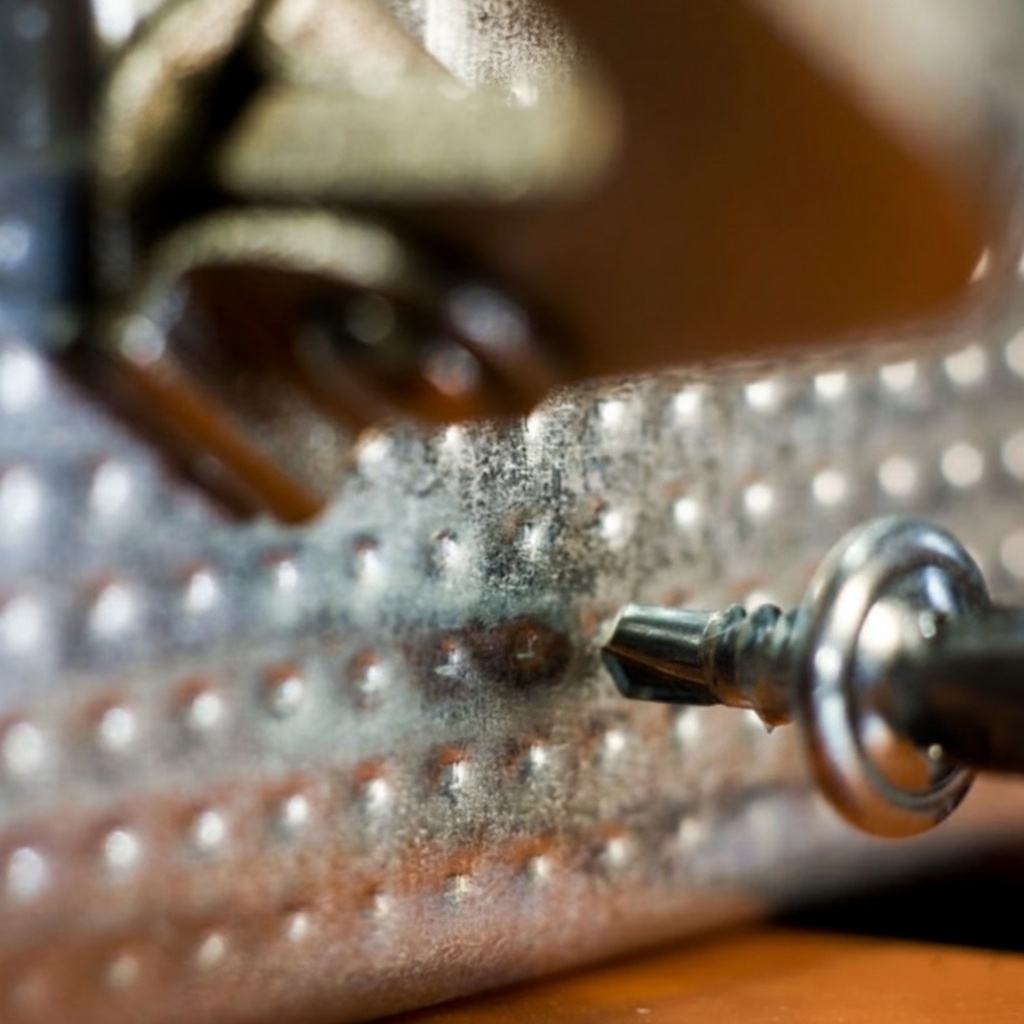
What Is the Difference Between Self-Tapping and Self-Drilling Screws?
Self-tapping and self-drilling screws are both widely used in metal assemblies, sheet metal parts, electrical enclosures, appliance panels, brackets, covers, and light structural products. Because the
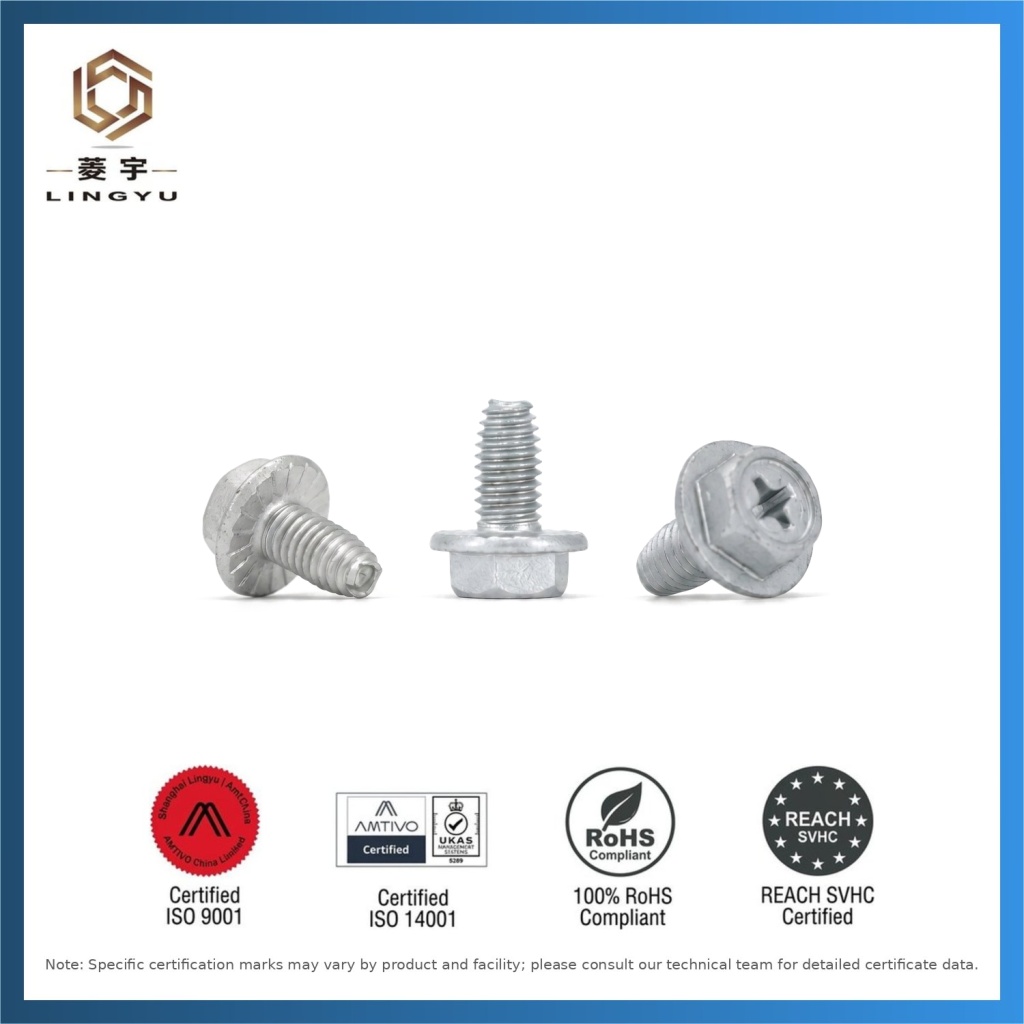
What Are Hex Flange Screws Used For?
Hex flange screws are fasteners with a hexagonal head and an integrated flange beneath the head. The flange acts like a built-in washer, spreading load over a wider bearing surface during assembly. In
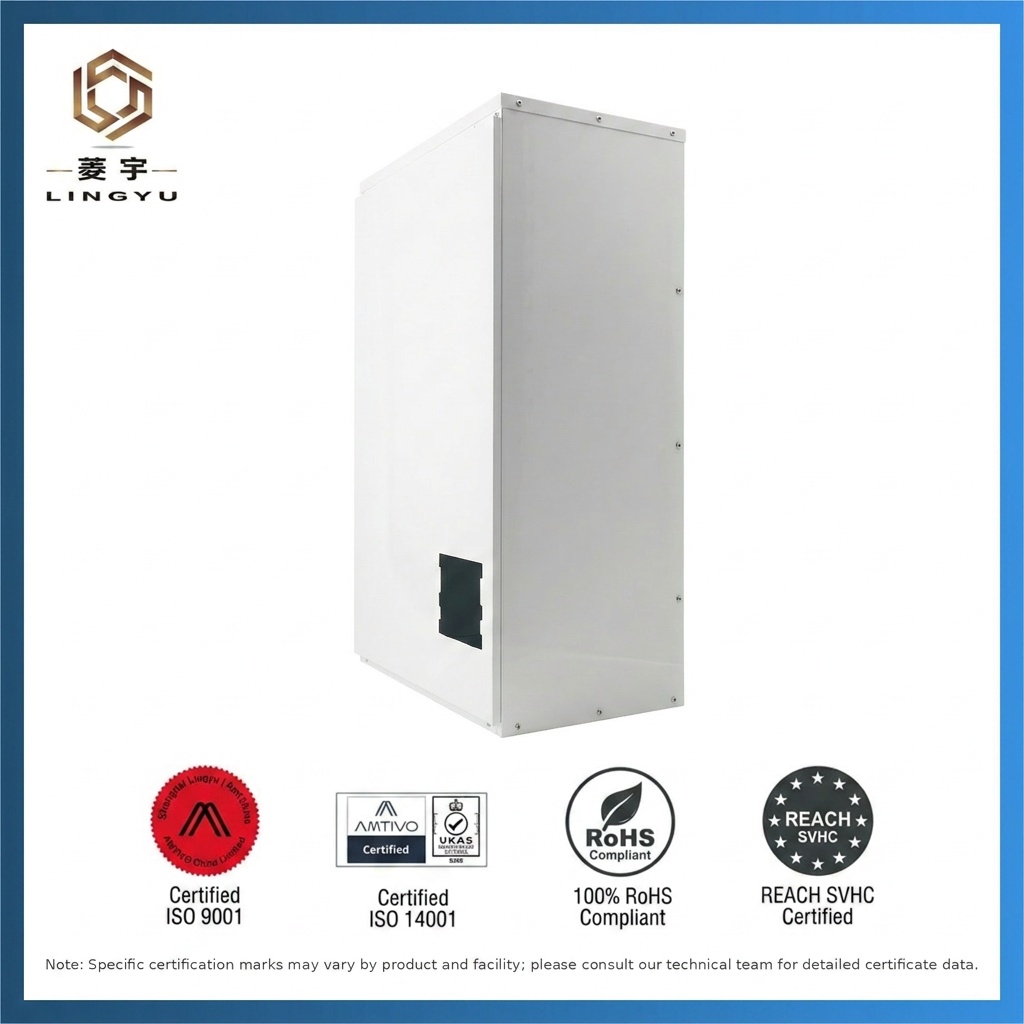
Sheet Metal Enclosure Design Guidelines for OEM Projects
A sheet metal enclosure looks simple from the outside, but small design decisions can affect cost, assembly fit, surface finish, and long-term reliability. For OEM projects, the enclosure is usually f
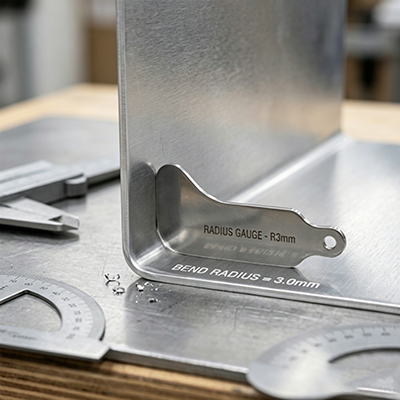
The Importance of Bend Radius in Sheet Metal Design
Optimize sheet metal designs with our expert bend radius guide.
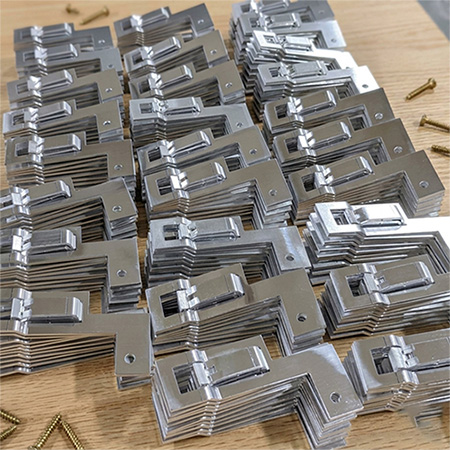
How to Design Cost-Effective Sheet Metal Parts?
Design cost-effective sheet metal parts. Tips on material, structure, assembly & finishing.
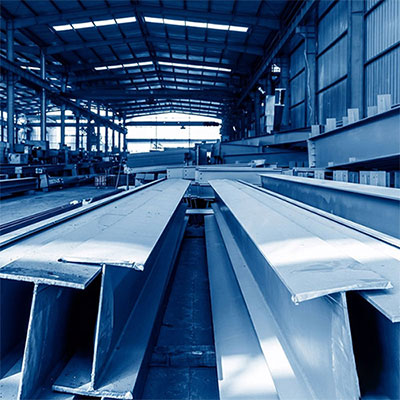
How Material Selection Impacts Sheet Metal Production Costs?
Smart metal choice cuts OEM sheet metal costs.
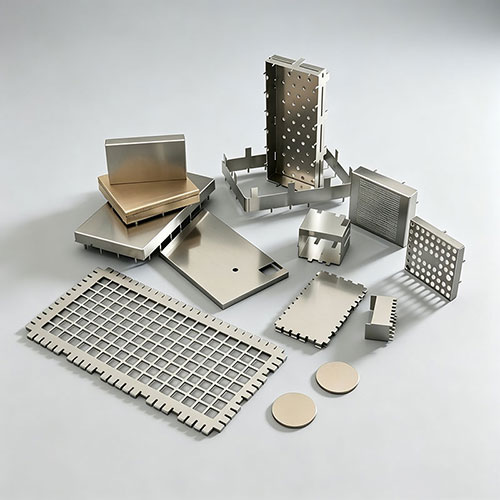
The Impact of Material Choice on Enclosure Shielding Performance
Sheet metal fabrication supplier for EMI shielding enclosures. Custom OEM parts from prototype to production.
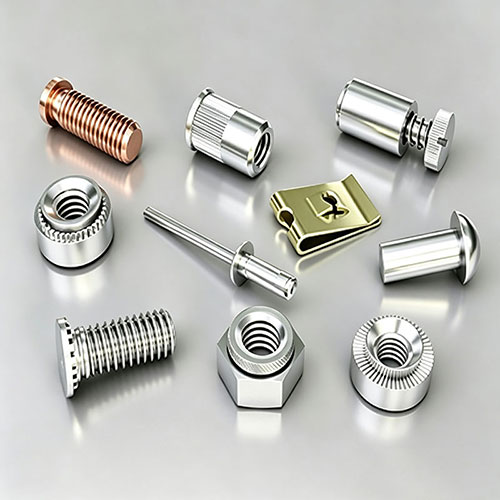
The Complete Guide to Selecting Sheet Metal Fasteners
Master sheet metal fastening with our expert guide on selection, material compatibility, and quality control.
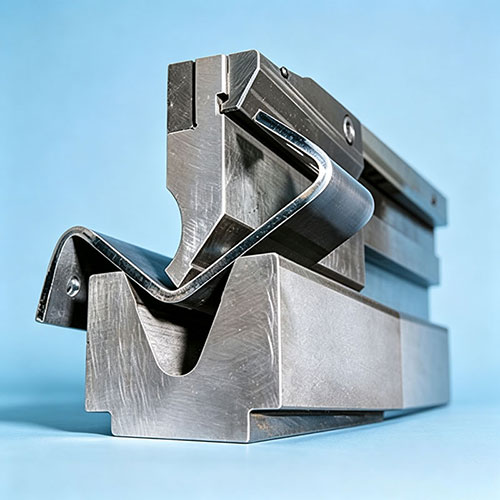
How to Design Rigid and Lightweight Sheet Metal Parts?
Design rigid, lightweight sheet metal parts. Tips on materials, structure & manufacturability.
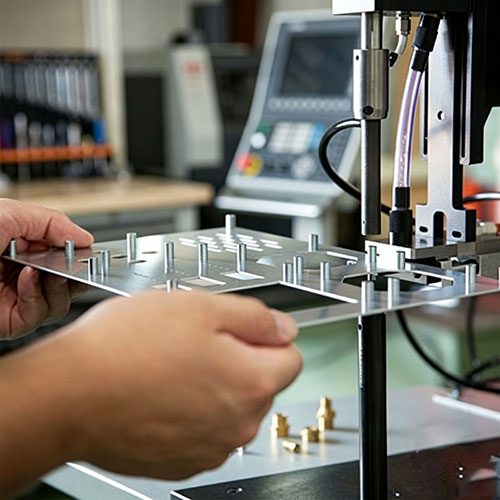
The Advantages of Self-Clinching Fasteners in Sheet Metal Fabrication
Optimize fabrication and cut costs with Lingyufab’s precision self-clinching hardware.
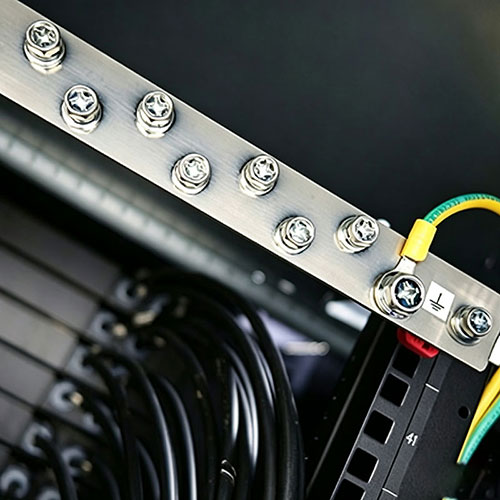
Why SEMS Bolts Are Critical for Sheet Metal?
Prevent loosening, ensure grounding, and boost efficiency with SEMS bolts for sheet metal.
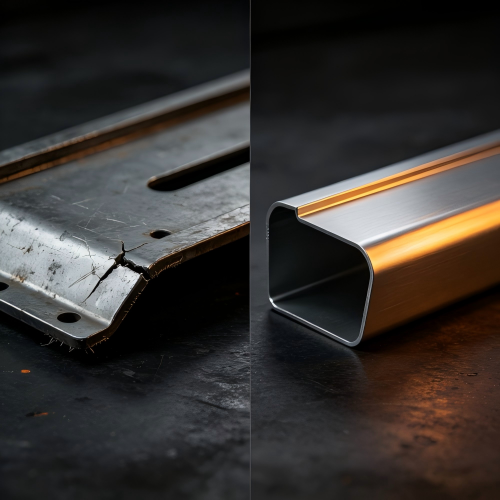
Sheet Metal Defects and Prevention: A Practical Guide for Engineers and Buyers
Guide to sheet metal defects. Learn how to prevent cracking, springback, scratches, and welding defects.
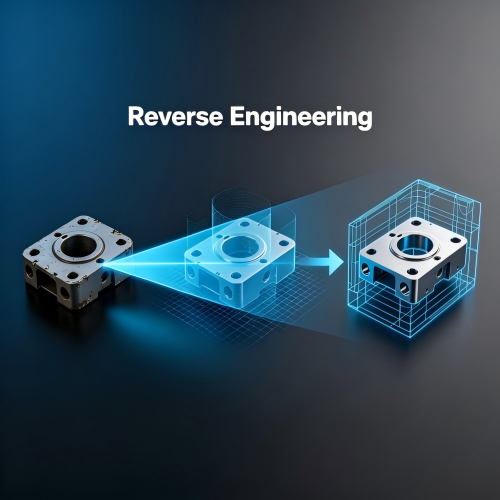
Reverse Engineering Sheet Metal Parts Without Drawings
Reverse engineering sheet metal parts without drawings. 3D scanning and in-house manufacturing.
Sheet Metal Fabrication Procurement: How to Choose the Right Supplier and Avoid Costly Mistakes
How to choose a reliable sheet metal fabrication supplier and avoid costly procurement mistakes.
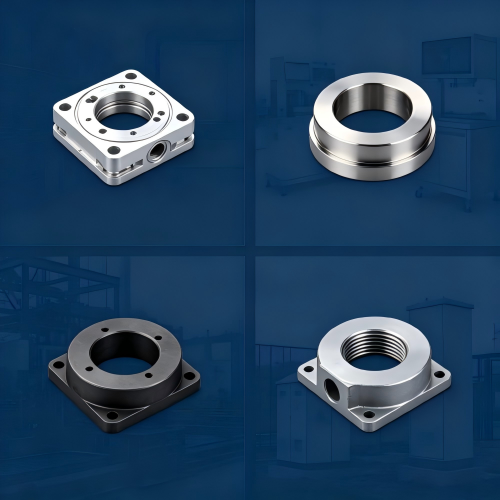
Aluminum vs. Stainless Steel vs. Carbon Steel: How to Choose the Right Material for Your Sheet Metal Project
Compare aluminum, stainless steel, and carbon steel for sheet metal projects. Choose the right material for your application.

Which Surface Finish Should You Choose for Sheet Metal?
Compare powder coating, anodizing, and electroplating. Choose the right surface finish for sheet metal parts.
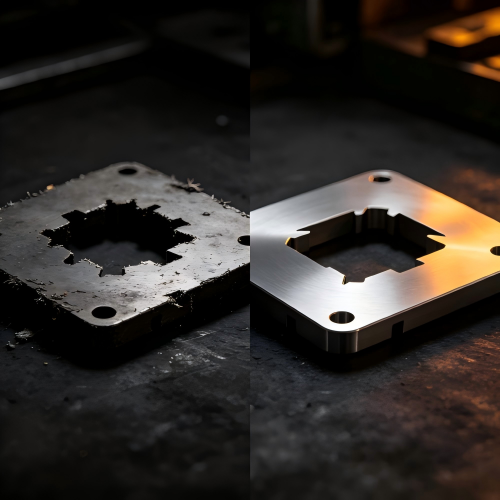
How to Judge Laser Cutting Quality: 5 Key Indicators for Buyers
Learn how to judge laser cutting quality with 5 key indicators. Edge quality, precision, holes, and more.
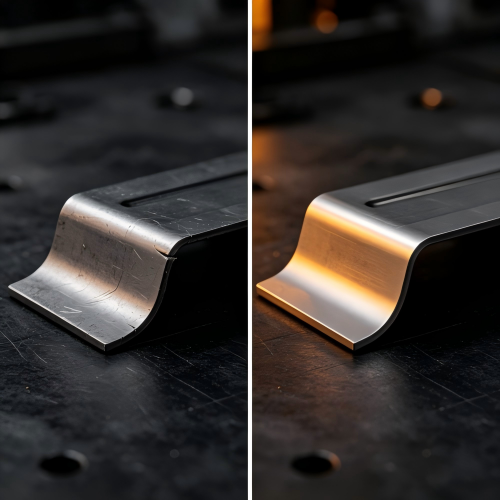
How to Evaluate CNC Bending Quality: A Buyer’s Guide to Accurate, Consistent Parts
How to evaluate CNC bending quality. 5 key indicators for buyers. Angle accuracy, flange length, consistency.
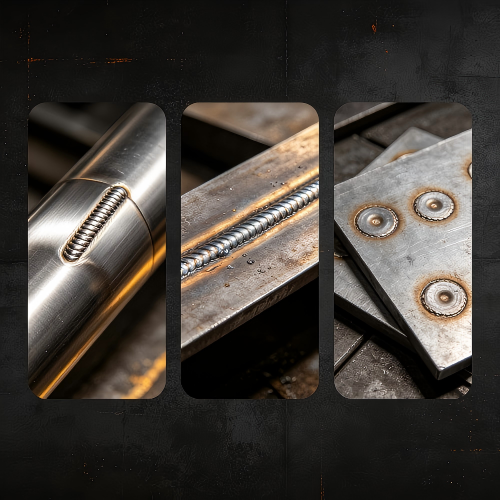
TIG vs. MIG vs. Spot Welding: Which Sheet Metal Welding Process Is Right for Your Project?
Compare TIG, MIG, and spot welding for sheet metal. Choose the right process for your project.
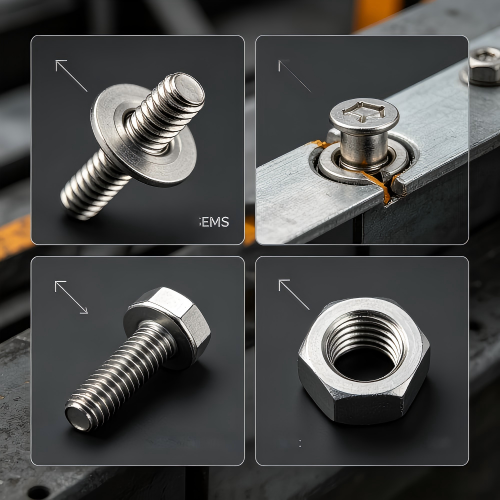
Sheet Metal Fastener Selection Guide: How to Choose the Right Fasteners for Your Assembly
Guide to sheet metal fasteners. Compare SEMS, self-clinching, bolts, and nuts. Choose the right one.
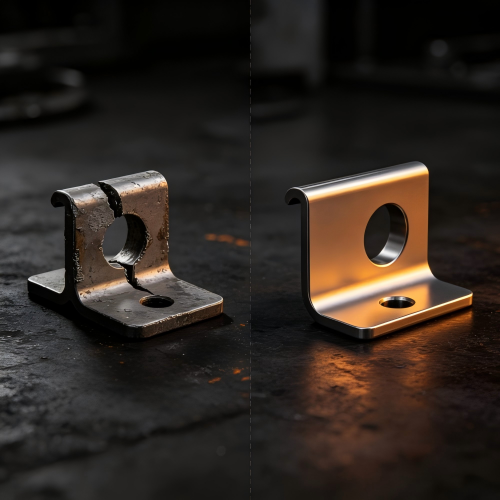
Sheet Metal Design for Manufacturing (DFM): 10 Common Mistakes and How to Avoid Them
Sheet metal DFM guide: 10 common design mistakes and how to avoid them for better manufacturability.
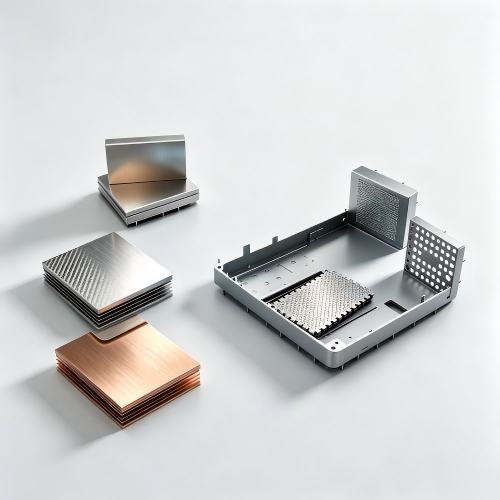
The Role of Material Selection in Enclosure EMI Performance
EMI shielding material guide. Compare steel, aluminum, stainless. Choose the right metal for EMC compliance.
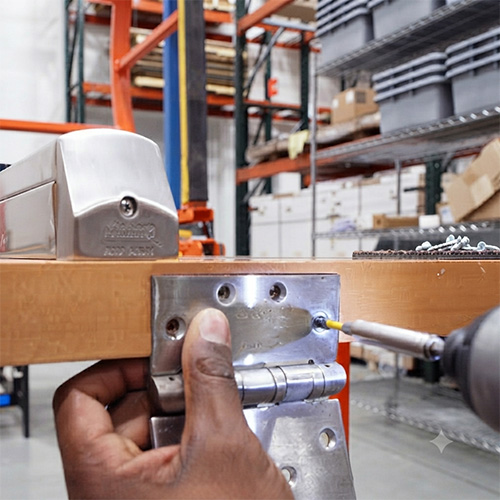
How Pre-Installed Hardware Enhances Sheet Metal Efficiency?
Pre-installed hardware boosts efficiency, cuts costs. Lingyufab delivers integrated solutions.
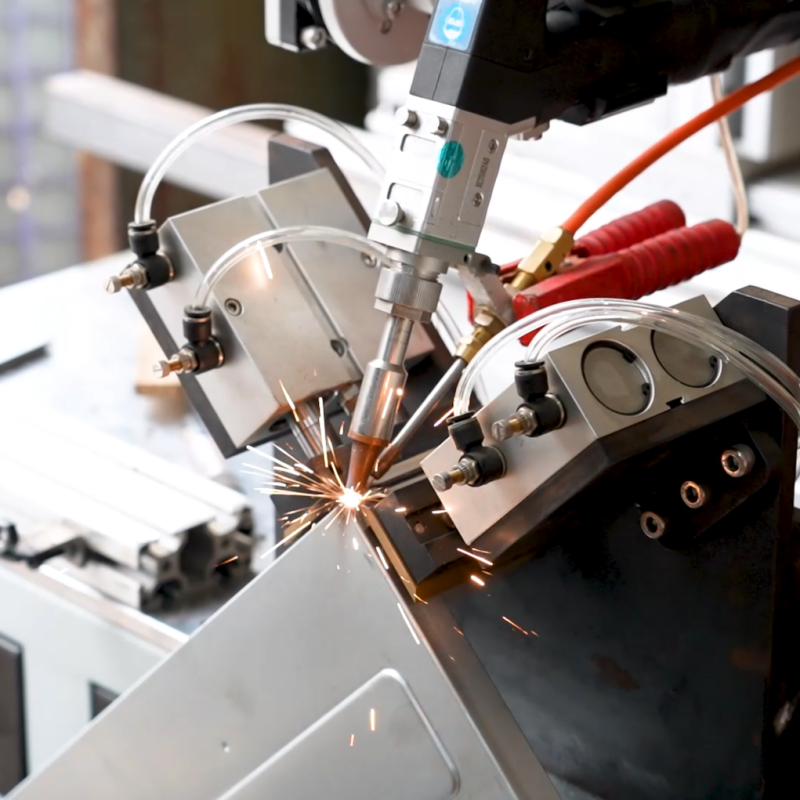
How Laser Cutting Improves Accuracy in Custom Sheet Metal Fabrication
Laser cutting is a non-contact, thermal-based digital fabrication process that utilizes a focused, high-powered laser beam to slice, score, or pierce sheet metal with extreme fidelity.
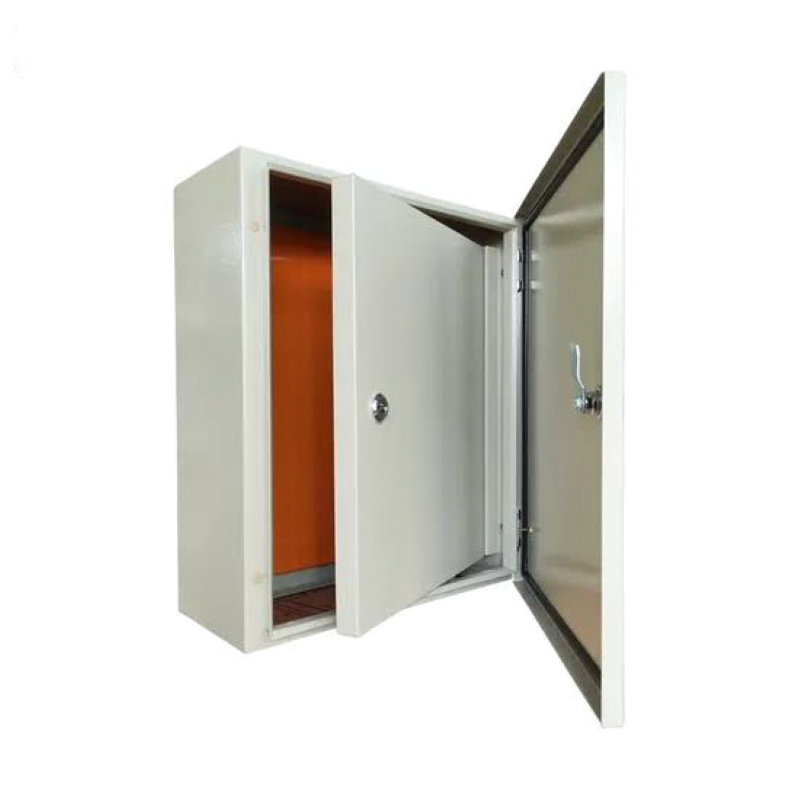
Precision Sheet Metal Electrical Control Boxes: Types, Materials & Key Applications
Sheet metal refers to metal that has been industrially processed into thin, flat pieces. It serves as the primary structural material used to form the protective outer chassis, housing, or casing.
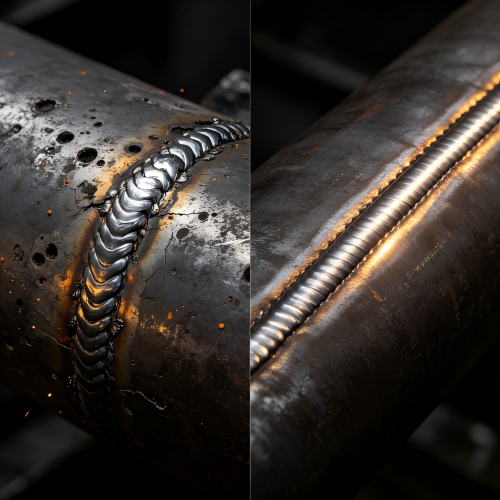
How to Avoid Sheet Metal Welding Defects
Common welding defects in sheet metal and how to prevent them. Porosity, cracking, distortion, and spatter.
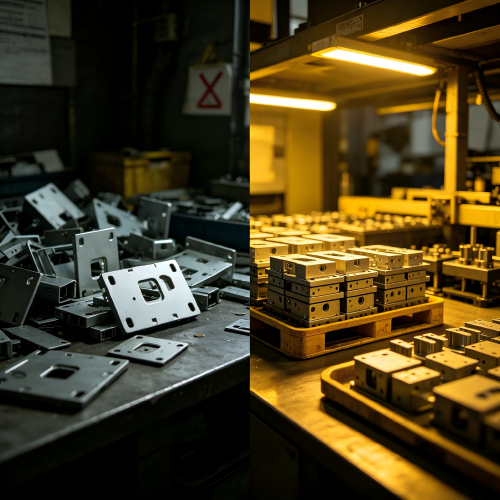
How to Evaluate and Choose a Sheet Metal Fabrication Supplier: A Practical Guide for Buyers
Sheet metal supplier evaluation guide. 6 criteria to choose the right partner for your project.
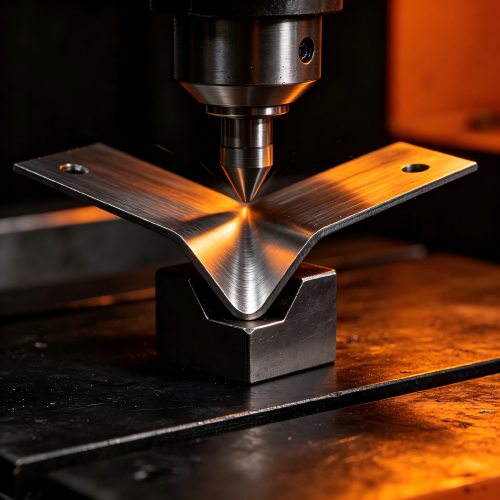
The Complete Guide to Sheet Metal Bending: Tooling, Springback, and Precision Control
Complete guide to sheet metal bending. Tooling, springback compensation, and precision control for quality bends.
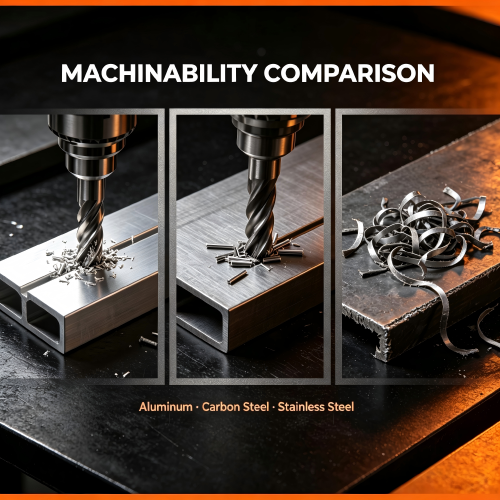
Sheet Metal Material Machinability Comparison – Which Materials Are Easier to Fabricate?
Compare machinability of aluminum, stainless steel, and carbon steel. Choose the right material for fabrication.
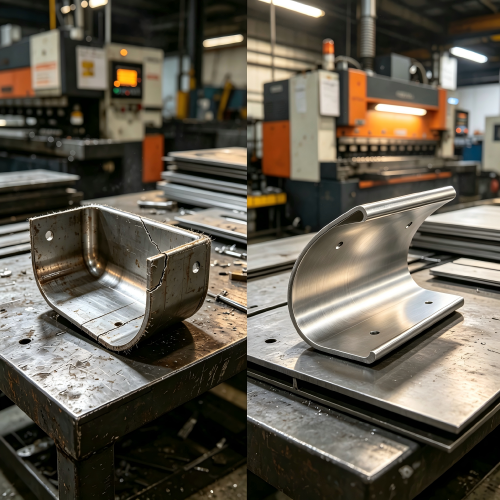
Common Defects in CNC Bending and How to Solve Them
Common CNC bending defects and how to solve them. Springback, cracking, wrinkling, and tooling marks explained.
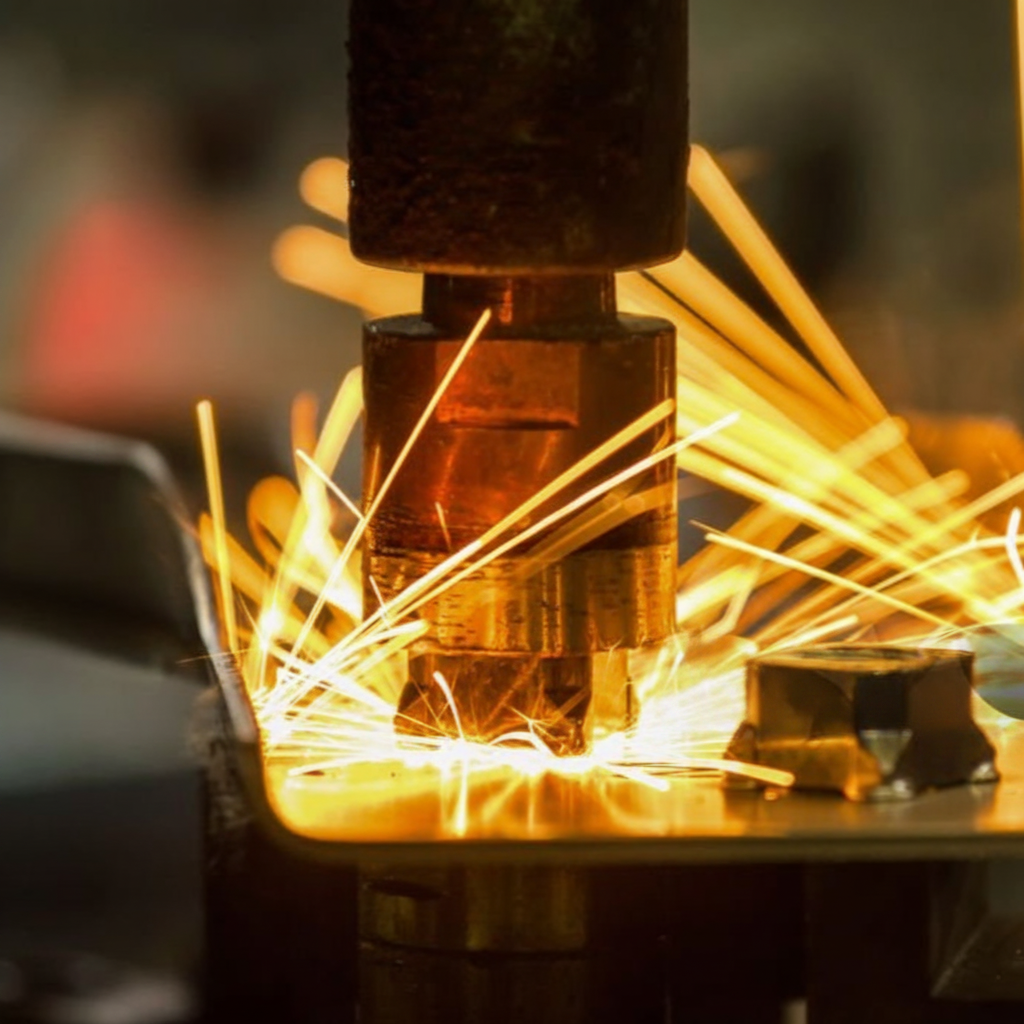
What Is Sheet Metal Assembly?
Sheet metal assembly combines fabricated metal parts with fasteners, welding, and other joining processes to create finished products. Learn the process, applications, pricing factors, and sourcing co
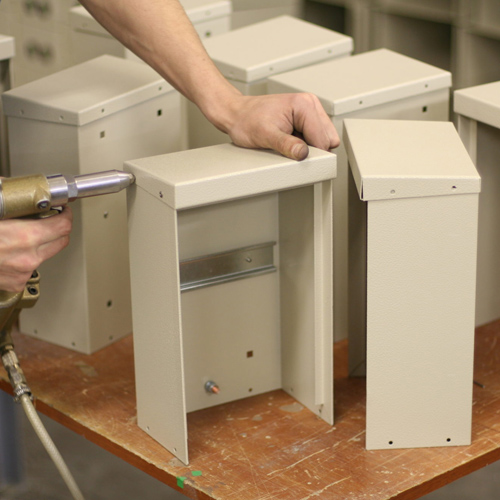
What is Sheet Metal?
Sheet metal is thin metal formed through stamping, cutting, bending, and other processes. This article introduces sheet metal materials, fabrication processes, and applications.
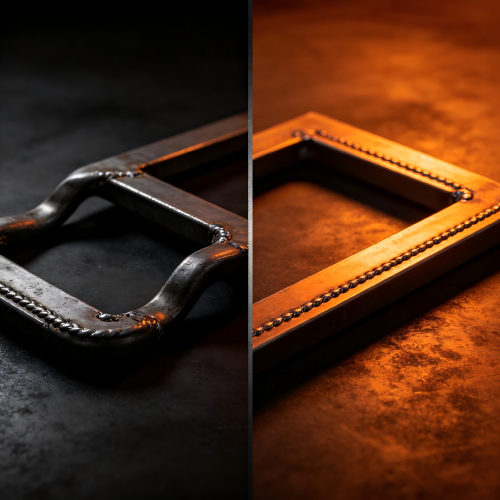
Causes and Prevention of Welding Distortion in Sheet Metal
Guide to welding distortion control in sheet metal. Causes, prevention strategies, and best practices.